
This post will cover the wrap-up for our project from April 26th-May 4th. First, we had our final presentation on Monday. The presentation itself went about as well as it could have, with the main piece of feedback we received being confusion over why the project was important. Beyond that, we were able to articulate our process and struggles throughout the semester well.
On Tuesday we recorded one more take of the livestream that could be shown off during Final Walkarounds and was clean.
On Wednesday we had our Final Walkarounds where the faculty stopped by to view our work. They gave us some final critiques that we were able to include in our final documentation.
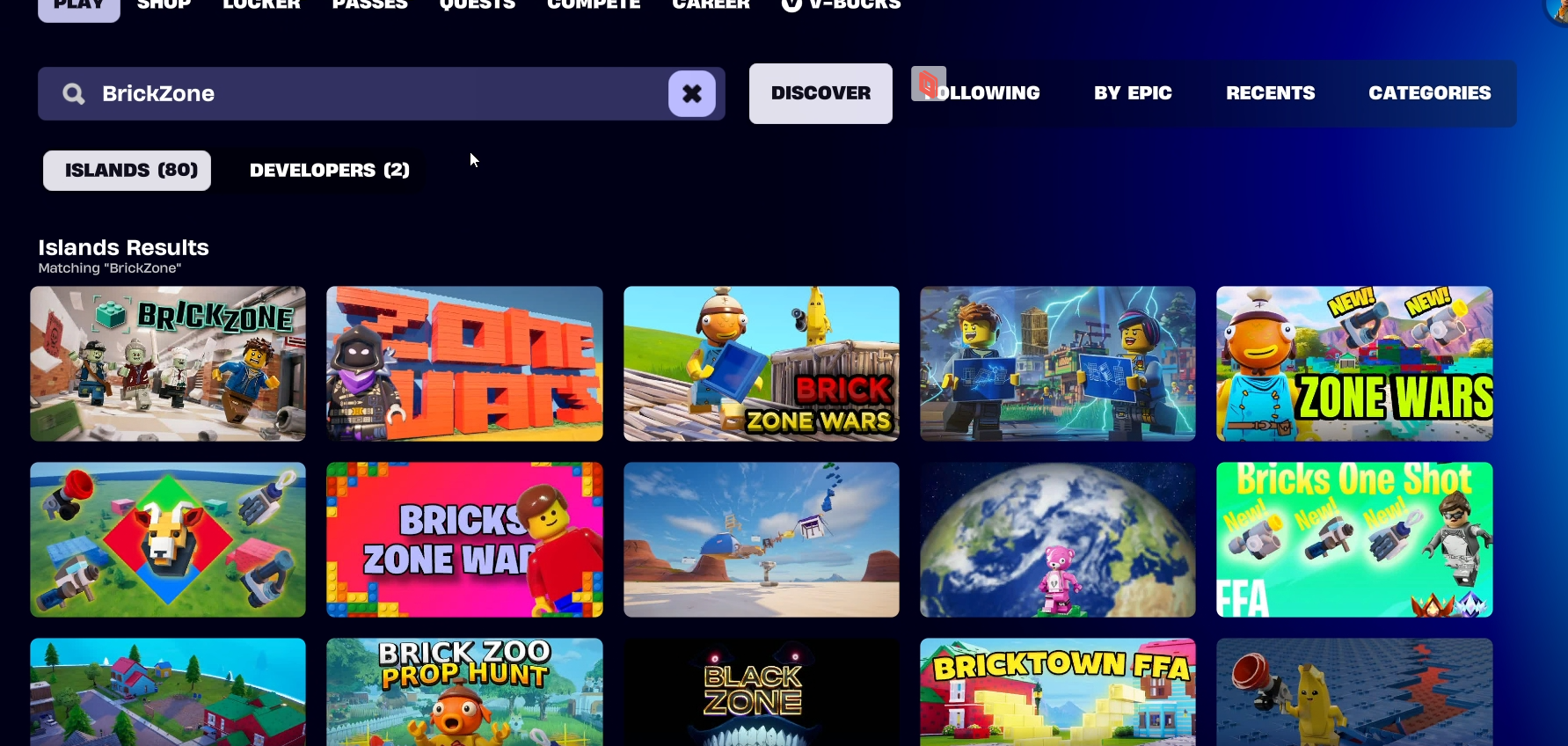
From there it was just putting finishing touches on everything, with Arthur publishing our Fortnite Island with a max player number of 44.
We also wrapped up our documentation, discussing our process and techniques while creating the game, livestream, and physical set. This can be read here: https://docs.google.com/document/d/1G8VIeH5tOcCceNygGBRYNyTKCmZIWsqVmdP5wIucfFE/edit?usp=sharing
We wrapped things up on Monday May 4th, when we presented our project at the One x One event at Carnegie Mellon’s Robotics Innovation Center to numerous LEGO Education people. They expressed interest and excitement about our work which was really inspiring to hear.
Overall, this project was a very tricky one to work on. We struggled a lot with ideation and figuring out what we needed to do to accomplish our goals, and we experienced a lot of difficulties working with the tech. In spite of this, we were able to develop a LEGO Island that engages players and the pipeline for creating a mix of physical and digital LEGO content. We hope that this concept can be carried forward into longer form content that allows for more socio-emotional learning opportunities as well as interacting with the livestream.
We would like to thank our faculty advisor Ralph Vituccio and our faculty consultant Scott Stevens for providing valuable support and feedback through the development process. We would like to thank John Balash for being a phenomenal client and providing us with ideas for directions that we could take the project and being available for weekly check-ins to make sure his needs for the project were being met. We would like to thank the ETC’s Tech Team: Steve Audia, Bryan Maher, Jon Underwood, and Dave Purta for assisting us with equipment check-outs, tech recommendations, and getting critical pieces of technology set up like the network switch for OBS Teleport and the Blackmagic HDMI Capture Card. We would like to thank Matt Chilbert, Kelsey Derringer, and all of CodeJoy for being incredible people to work alongside with and letting us look over their OBS set up and talking to us about how they create their content, giving us a lot of inspiration for how to create our own. Finally, we would like to thank Krista Kay and Stuart Harris for being LEGO subject matter experts and giving us insight as to how to make LEGO look good on camera and providing their own experiences with experiential design with LEGO.