“You really have to see it in person.”
Week 2 was defined by one thing: our field trip to Northumberland, PA. There’s only so much you can learn about a project from Google searches and Zoom calls. Driving out to the actual Priestley-Forsyth Memorial Library, walking through the rooms where Priestley once lived and worked, and talking to the people who keep his legacy alive, and that changed everything.
The trip gave us crucial project context. We saw the physical space we’d be working with, understood the library’s limitations, and got a visceral feel for the atmosphere we’d be designing around. There’s something about standing in a centuries-old building that makes you think differently about how to tell someone’s story.
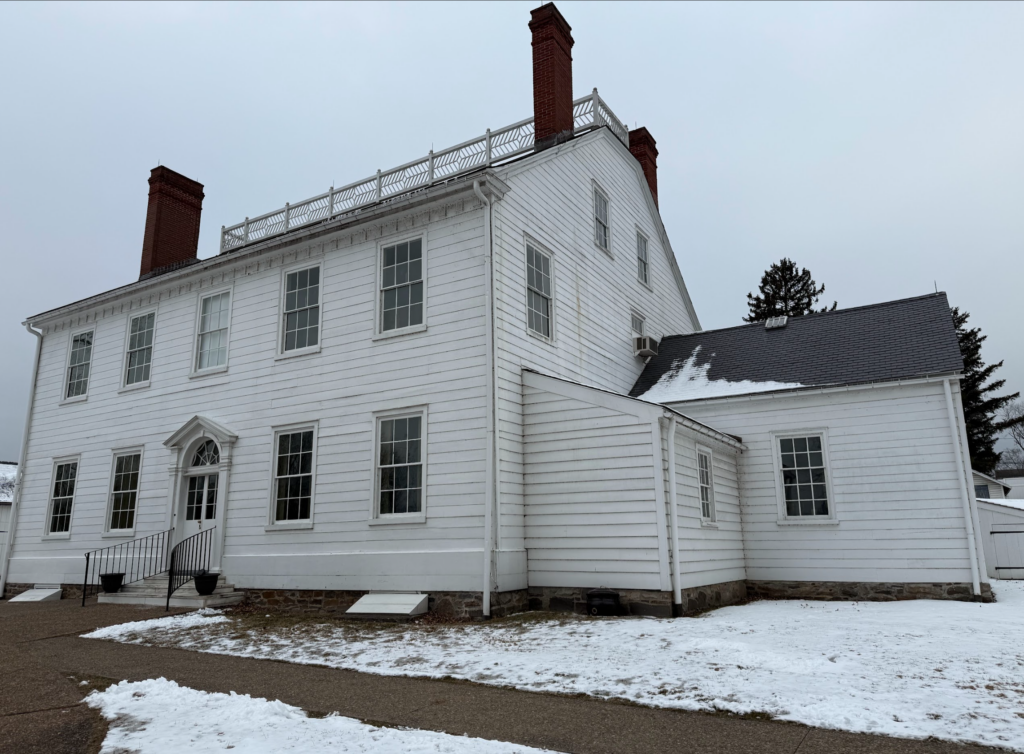
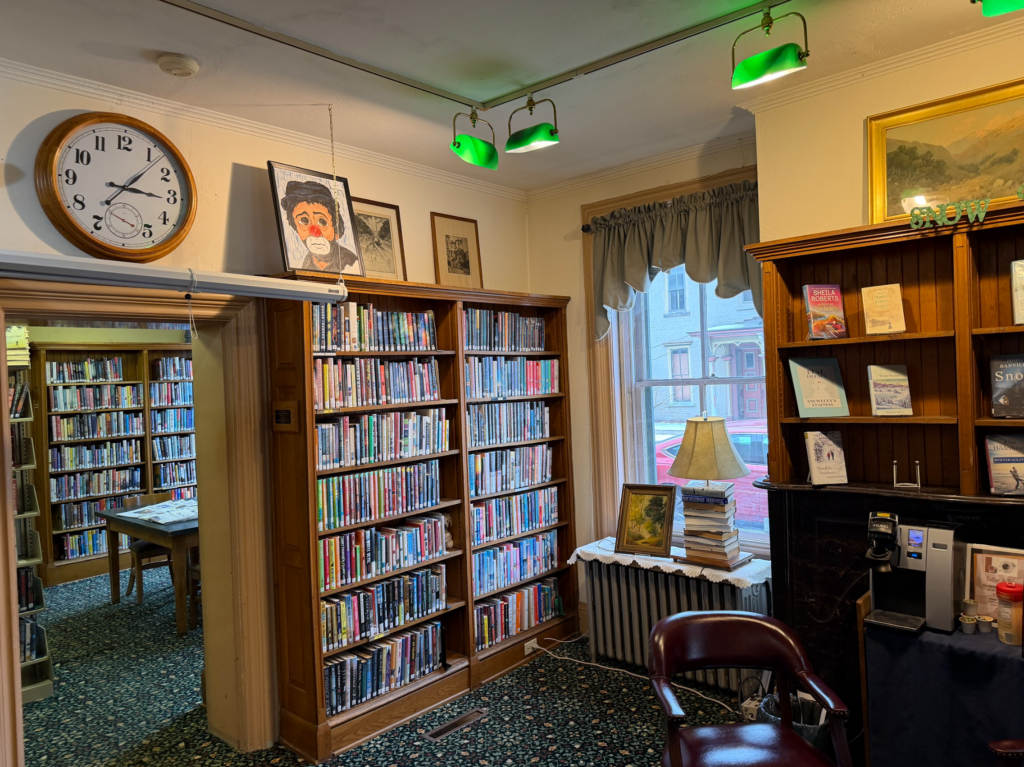
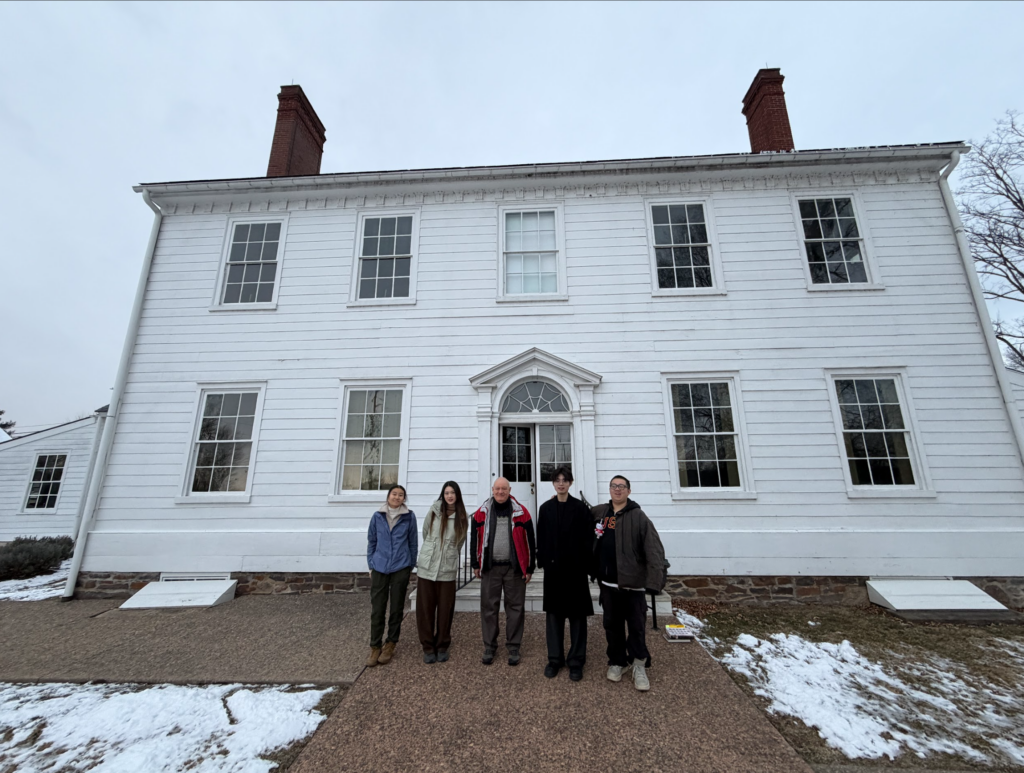
Back at CMU, we ran our second round of design brainstorming, this time armed with real-world insights instead of just assumptions. The conversations were sharper, the ideas more grounded. We started asking harder questions: How do you make a historical figure feel relevant to a 12-year-old? What’s the hook that keeps them engaged beyond the first 30 seconds?
On the programming side, the team dove deeper into local LLM and TTS research. Running AI locally is a totally different beast than calling a cloud API — you’re wrestling with model sizes, latency, hardware constraints, and the eternal question of “will this GPU be enough?” We also completed our hardware equipment requests, locking in the tools we’d need for development.
Our art team kicked off their first review of design production drafts, starting to explore what our team identity might look like.
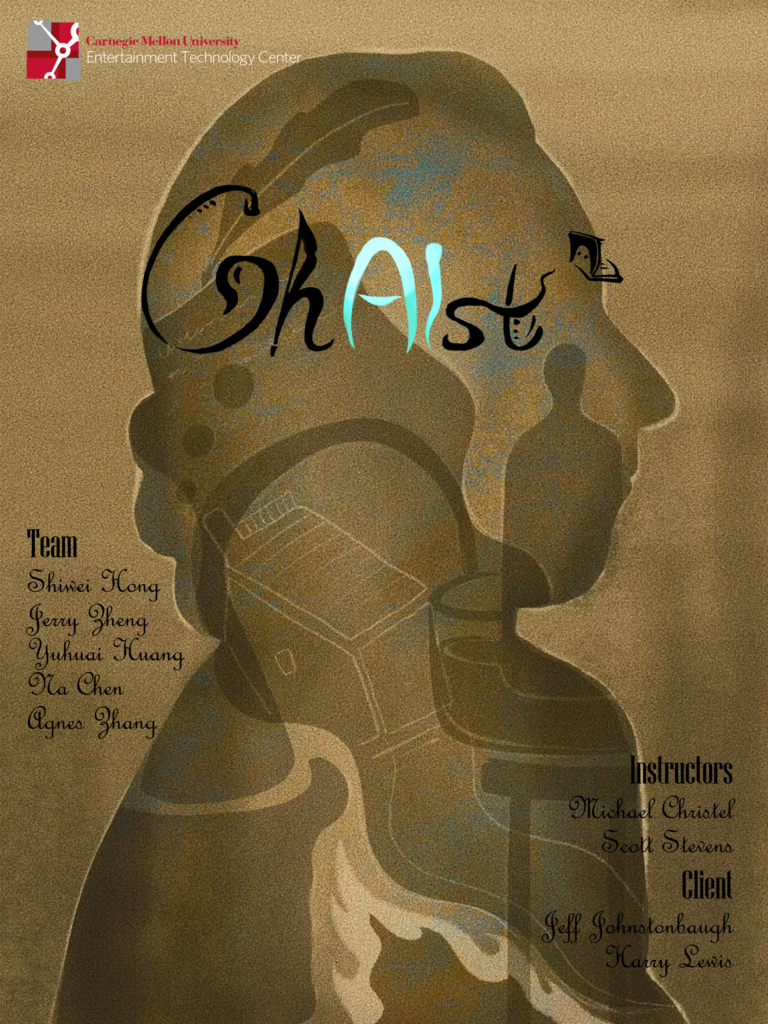
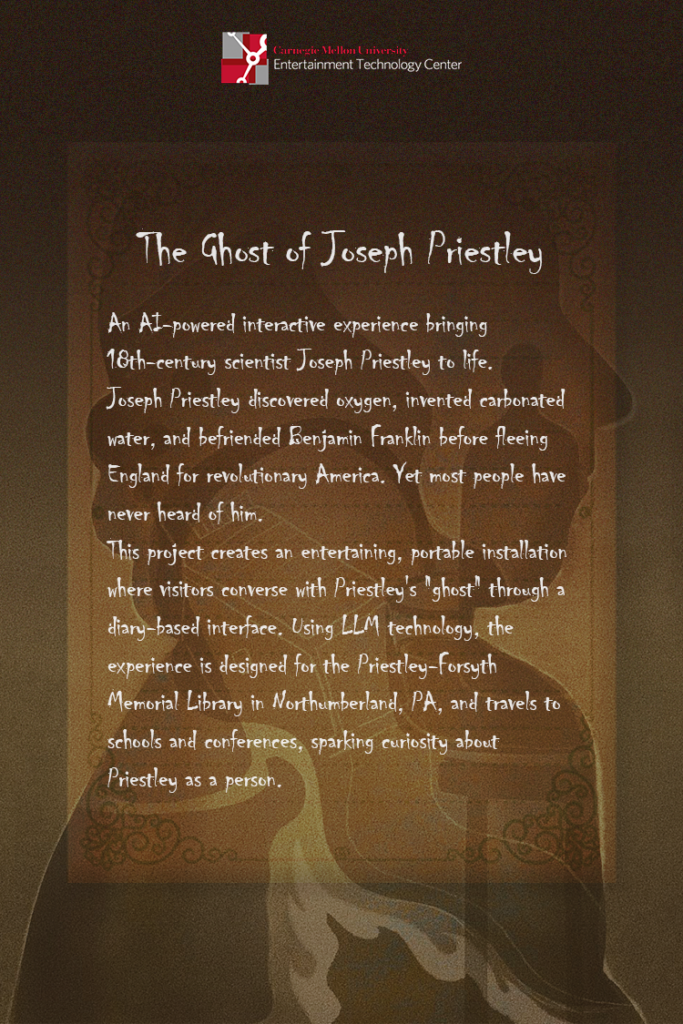
And on the production side? We were drowning (in a good way) in information — sorting through books, client emails, field trip notes, and historical references. Organizing all of that into a coherent knowledge base was a project in itself. We also had important conversations about project context alignment, making sure everyone on the team shared the same mental model of what we were building and why. Check out some references content below!
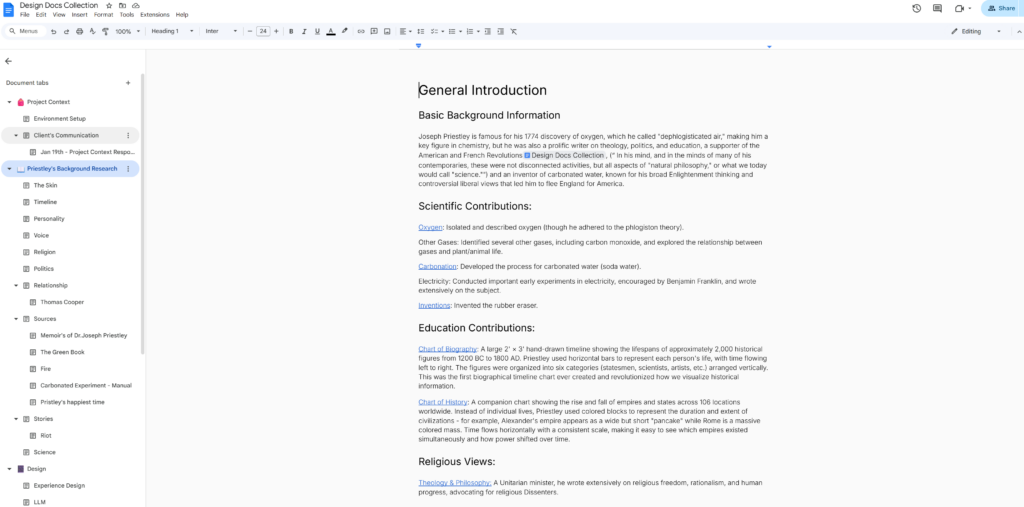
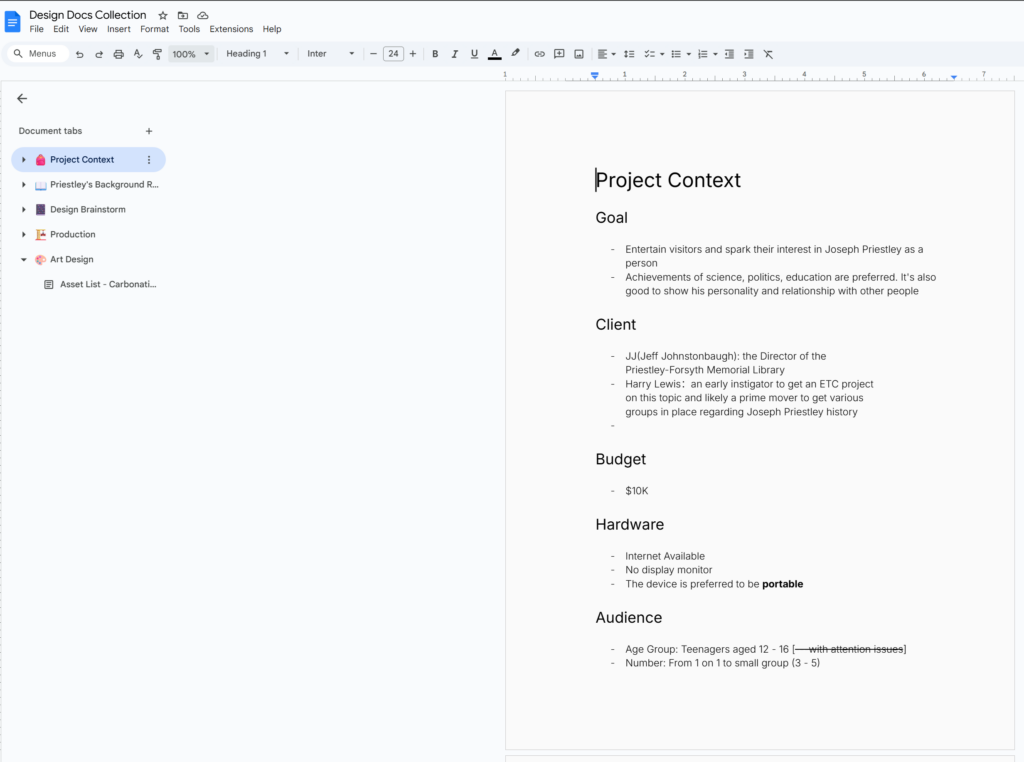
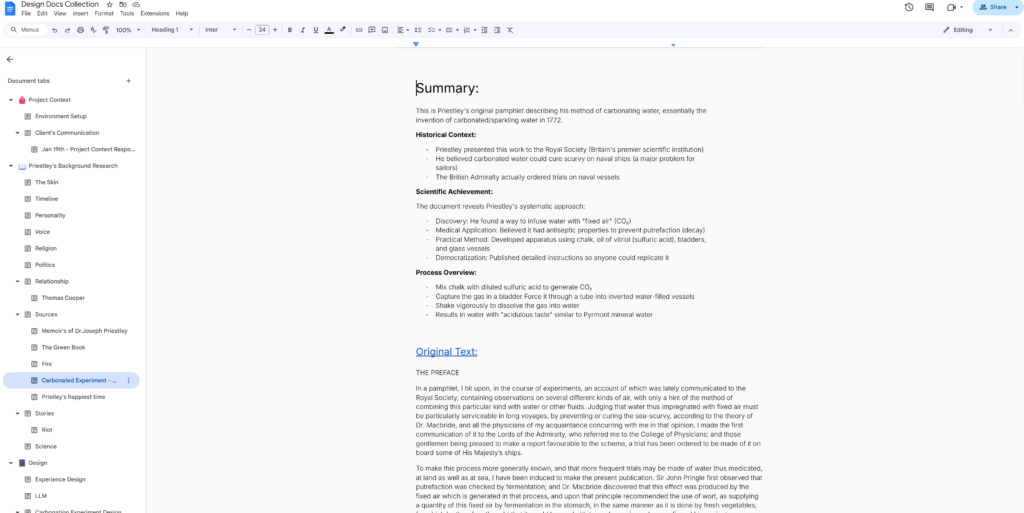
Week 2 taught us that the best research happens on your feet, not at your desk.