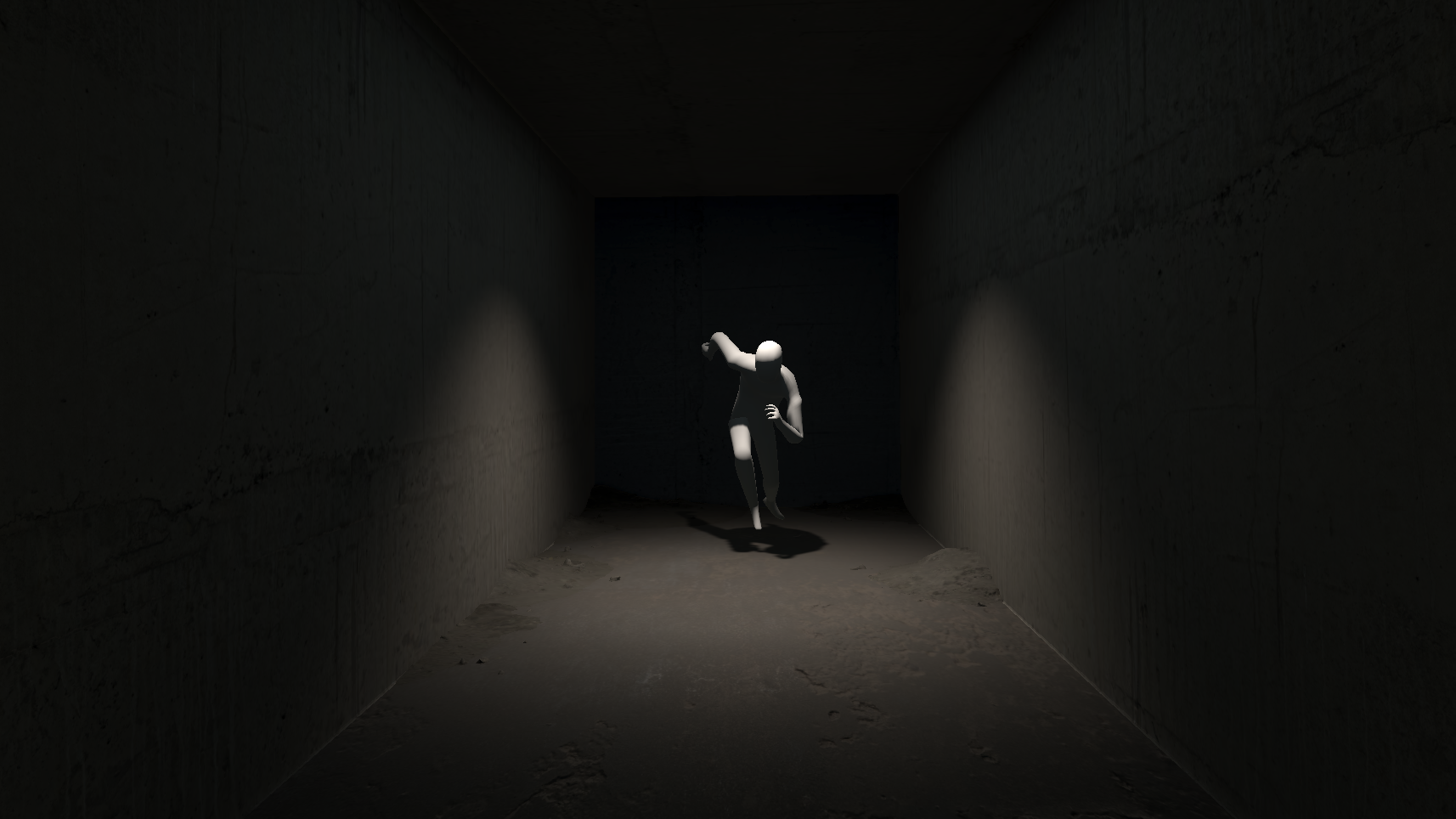
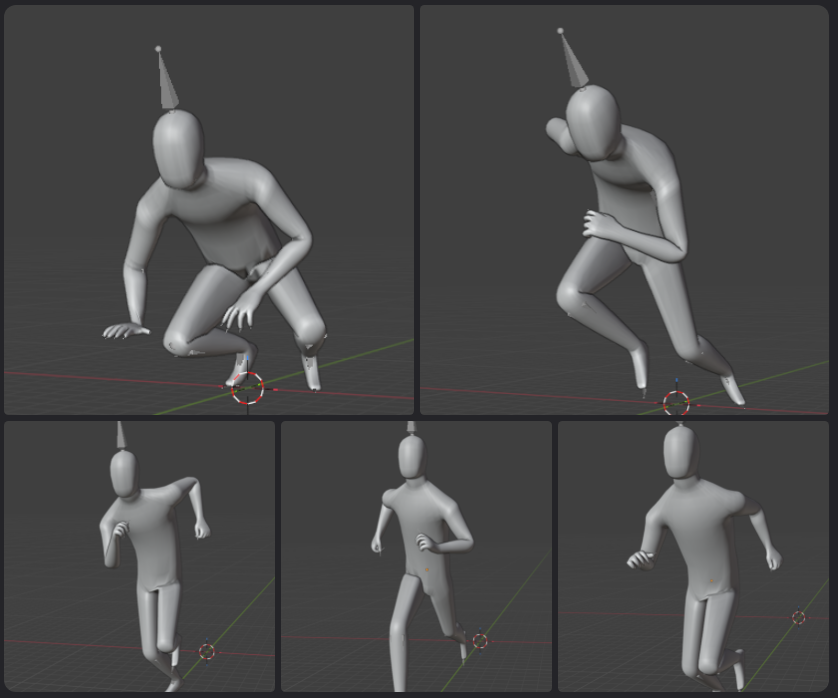
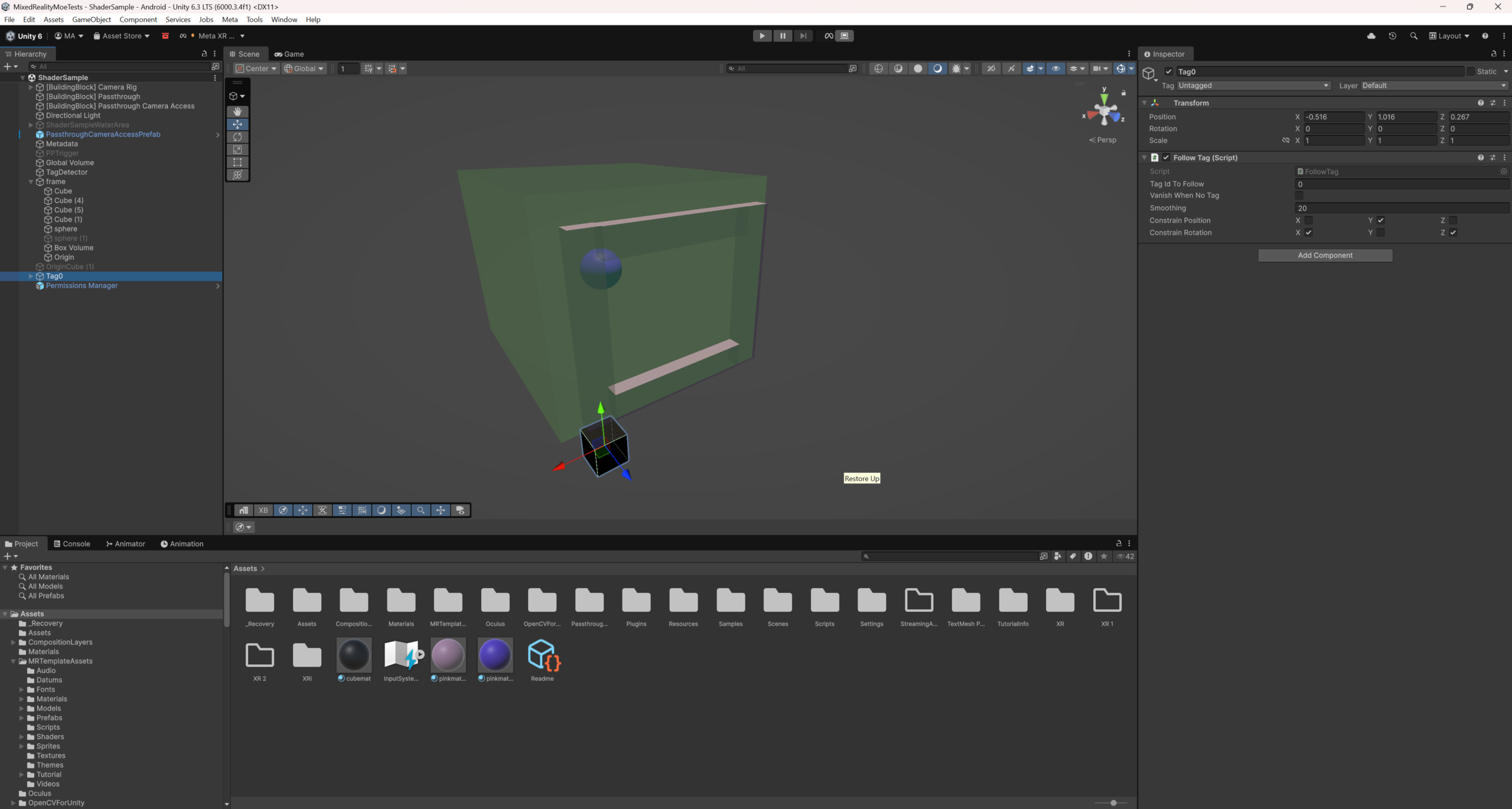
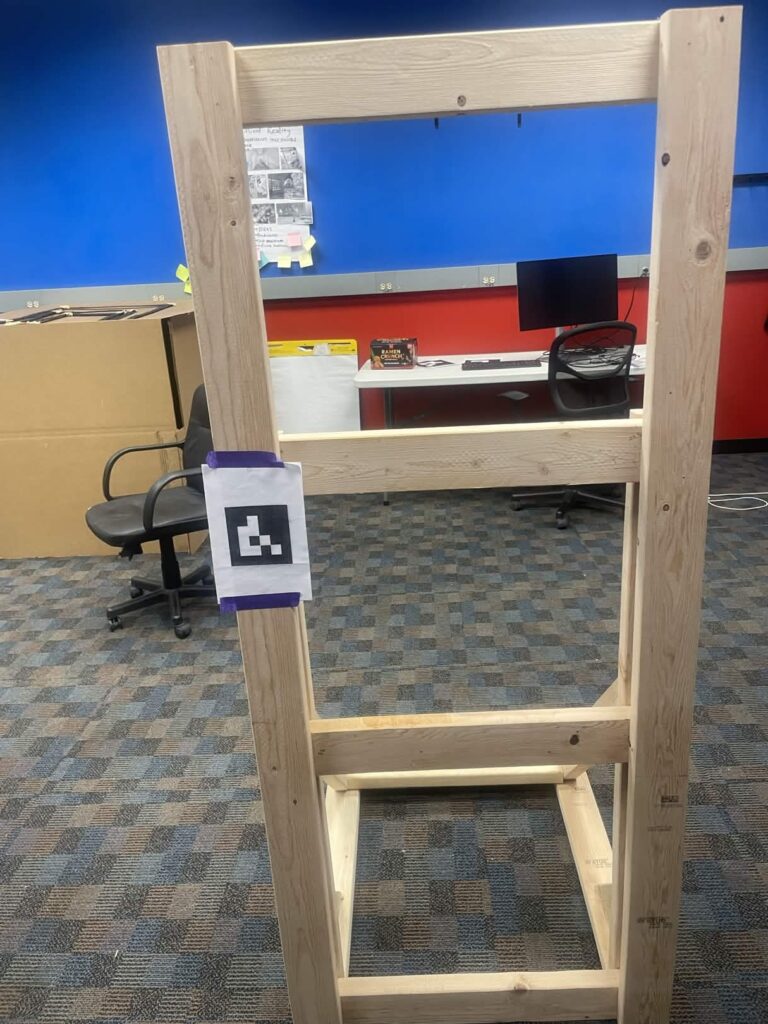
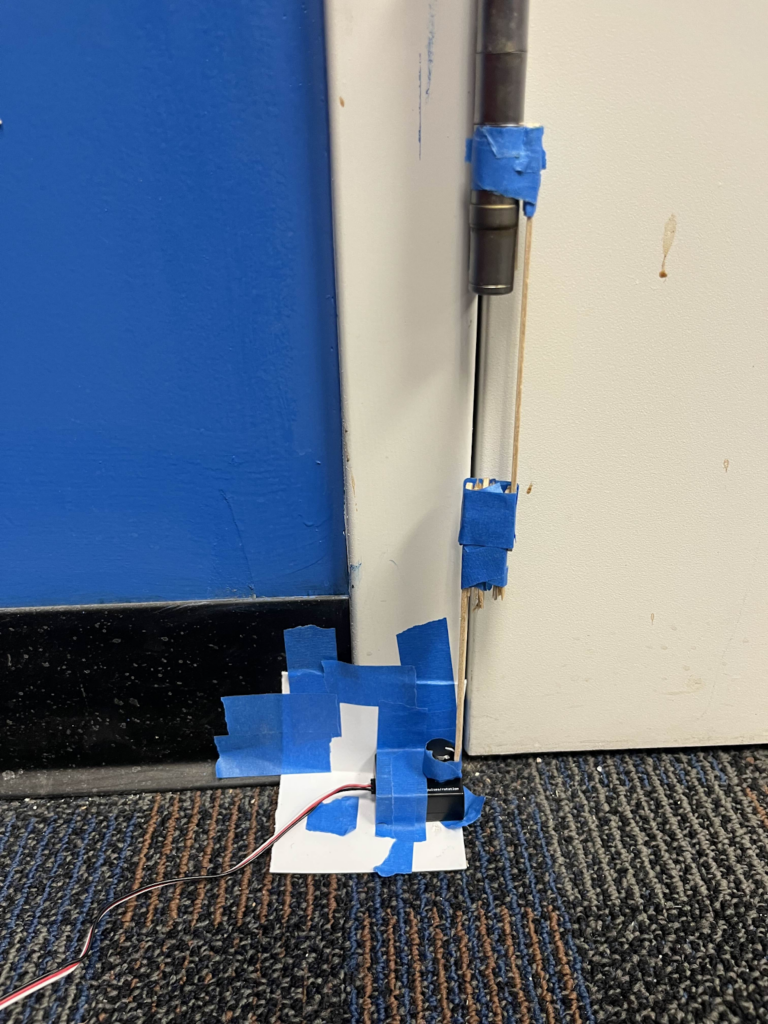
This week, we integrated and polished the overall experience of the project, successfully integrating the three core modules of Paint Room, Clock Room, and Camera Room in terms of experience. This enhances the coherence and overall immersion of the experience, forming a unity between narrative and sensory levels.
We have made an important adjustment in the design of the Clock Room. The original plan was to create a lighting effect in the space through “crack light transmission”, but in actual testing, this solution lacked visual realism and struggled to support the immersive atmosphere of the overall experience. Therefore, we decisively overturned the original plan and instead adopted the method of “virtual windows+real external images” for reconstruction. The new plan is not only visually more natural and credible, but also establishes a more convincing connection between space and the ‘real world’. At the same time, we also added the action of “watering”, using a gravity sensor to sense the weight of water in the flowerpot to determine whether the watering action has been completed, in order to continue the process. We also re-adapted the physical lighting in the scene to better coordinate the fusion of virtual and real lighting, further enhancing the unity of the mixed reality experience.
At the narrative level, we have systematically optimized the live performances involved in the background story based on the advice of our mentor Jesse Schell. The adjustment of script structure, performance rhythm, and specific presentation methods all make the story expression clearer and more powerful, and also make the experience more complete and consistent on an emotional level. This optimization significantly enhances users’ understanding and immersion in the project background settings.
In addition, we also participated in two important showcase events this week, the Soft Opening and Alumni Weekend. During the event, we showcased the project results to mentors and alumni from different fields and conducted multiple rounds of on-site experience testing. Through these presentations, we have collected a wealth of valuable feedback: multiple mentors have put forward specific suggestions for optimizing the final stage from their respective professional perspectives, and many alumni have highly praised the “unique experiential form” of the project. Overall, most participants showed a strong interest in overall immersion and spatial design.
This feedback provides clear direction for our next stage of polishing and validates the effectiveness of the current design approach. Overall, this week marks a crucial step in the project’s transition from “module completion” to “overall maturity”. Through the combination of technological adjustments, narrative optimization, and external feedback, our experience has gradually taken on a more complete and recognizable form. In the last week, we will continue to advance the final stage of detail optimization and experience improvement based on all the suggestions collected this semester.