
Summary
In our first week, we gathered as a team for the first time, and met with our client, professors, and other shareholders. We familiarized ourselves with the source material, began exploring possibilities for the project and created a composition box with some initial inspirations and ideas.
Source Material
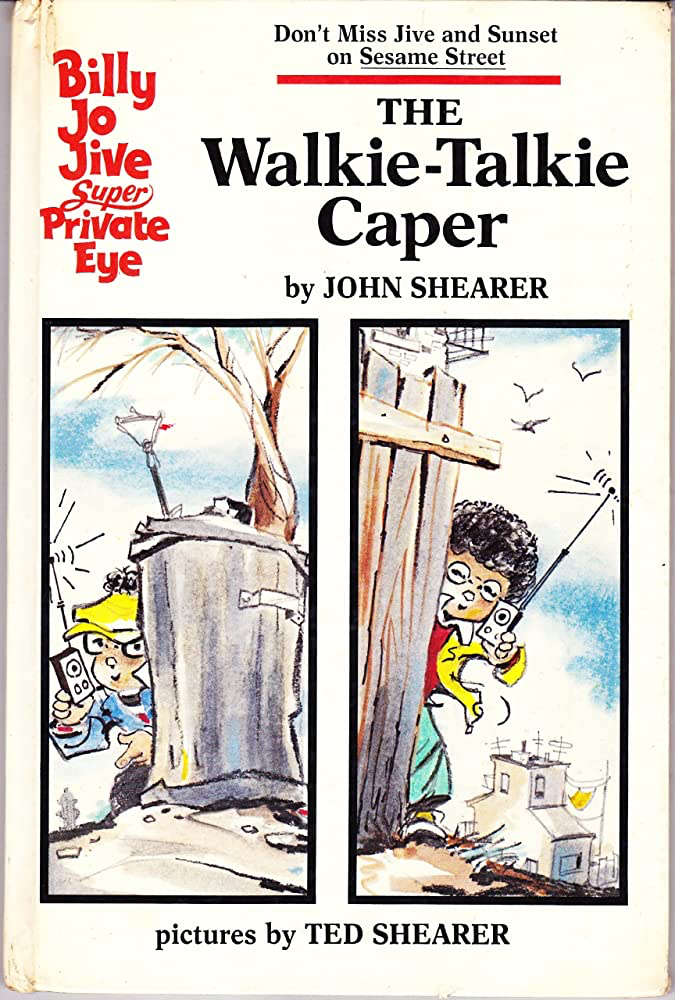
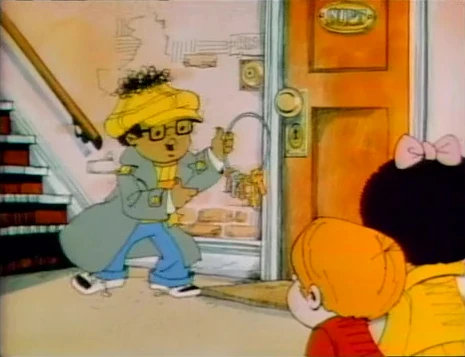
Starting 1976, the father/son duo of Ted and John Shearer created a series of children’s books called “Billy Jo Jive Super Private Eye.” Each book follows the characters Billy Jo Jive and Smart Susie Sunset as they solve crimes in their neighborhood, Harlem.



source: https://muppet.fandom.com/wiki/Billy_Jo_Jive

The books were notable at the time for their unique art style, positive Black representation, depiction of a boy and girl as equal partners, and especially their use of language. John Shearer wanted to encourage literacy for children, and thought that the best way to do that was to write in the language they were surrounded with on a day-to-day basis. At the time, the expectation was that children’s books would be written in grammatically correct English. John chose to use Jive, the slang of the time. He celebrated the creativity and poetry of the slang instead of scorning it.
Our client for this project is the Shearer Estate. They want an experience or game to celebrate the 50th anniversary of the book series and to bring the IP to a new generation.
Initial Meetings
The initial description we were given for this project suggested an interactive card game. After meeting with our project instructors, we learned that the project actually didn’t need to be a card game. We met with the director of our program, Derek Ham, who was the one to bring in our client. He gave us more information on their background and needs, as well as his former work with them.
We also had a call with Marianne Shearer, the executer of the Shearer estate. These were some of our questions going into the meeting:
/todo
Her primary goals were to celebrate the work of her late husband and father-in-law, and to bring Billy Jo Jive to the next generation of kids. After we shared with her our understand and appreciation of the IP, she gave us full creative freedom over the project, so long as we kept the core identity of Billy Jo Jive and Smart Susie Sunset and made sure they were equal partners.
Composition Box
So we have full creative freedom. The upside of this is that we have a lot of flexibility in what we can make. The downside is that now there were many, many decisions we had to make before we could move forward with the project. Notably,
- Who’s the target audience? The same as the books? The same as the animations? Younger kids? Older kids? Adults who grew up with the IP?
- What type of experience should we make? Something more like a video game or something more like a location-based experience?
- A video game
- An interactive card game
- An escape room
- A board game
- A tabletop roleplaying game
- A scavenger hunt
- An alternate reality game (ARG)
- something else?
- Do we keep the original language to celebrate the historical impact, or modernize it to keep the author’s design intent of improving literacy by writing in the language kids were surrounded by?
- Do we keep the old clothing designs or modernize them?
- Should we age up the characters or keep them as kids?
- Should this be set in the past or now?
We started discussing ideas, inspirations, and our aspirations for this project, and put them together in a composition box.
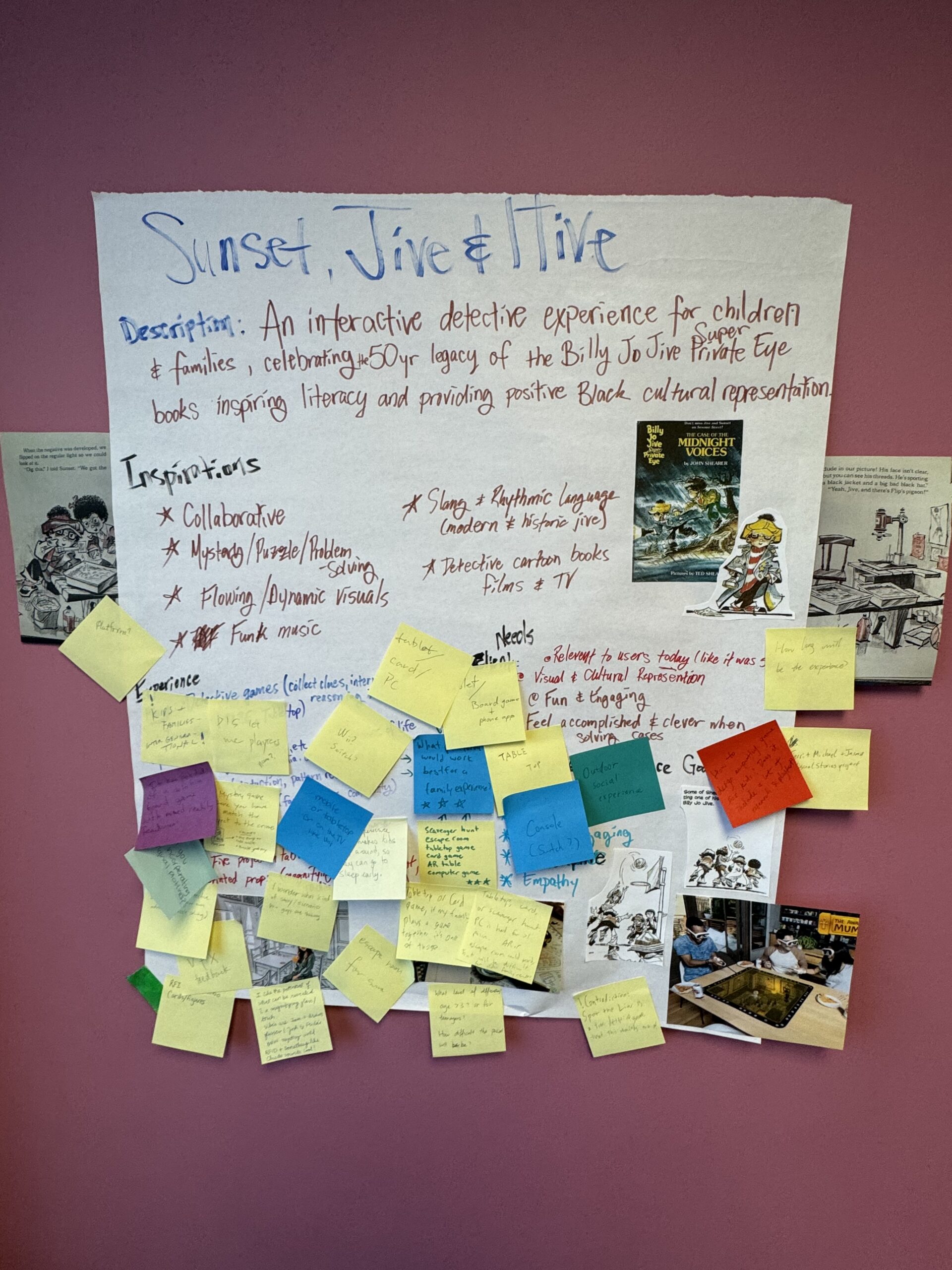
We brought this to the “Playtesting to Explore” workshop where we received feedback from our peers (the post-it notes on stuck to the paper).
Finishing Up The Week
To end the first week, we decided on a team name: Sunset, Jive, & Hive. This represents the two main characters from the stories (Smart Susie Sunset and Billy Jo Jive), and us, the hive.
We also submitted a budget of equipment and supplies we thought we would need during the semester. This was hard to do since we didn’t know what we were making yet, but we did our best to estimate the things we thought we would need no matter what form the project took.
One of the major pieces of equipment we were considering is the Tilt Five, an augmented reality projection surface. We received an old version of it and ended the week by exploring its capabilities.
