Building the Setup, Rethinking the Spin
Weekly Overview
This week, we worked on the four-station version of Undercooked, started installing the full-size Lazy Susan, and kept testing what a 3D city could feel like on the Ring. Our Second Process Grade with Derek and Tom made us look more closely at what those builds were asking players to do together.
Developing the Next Version of Undercooked
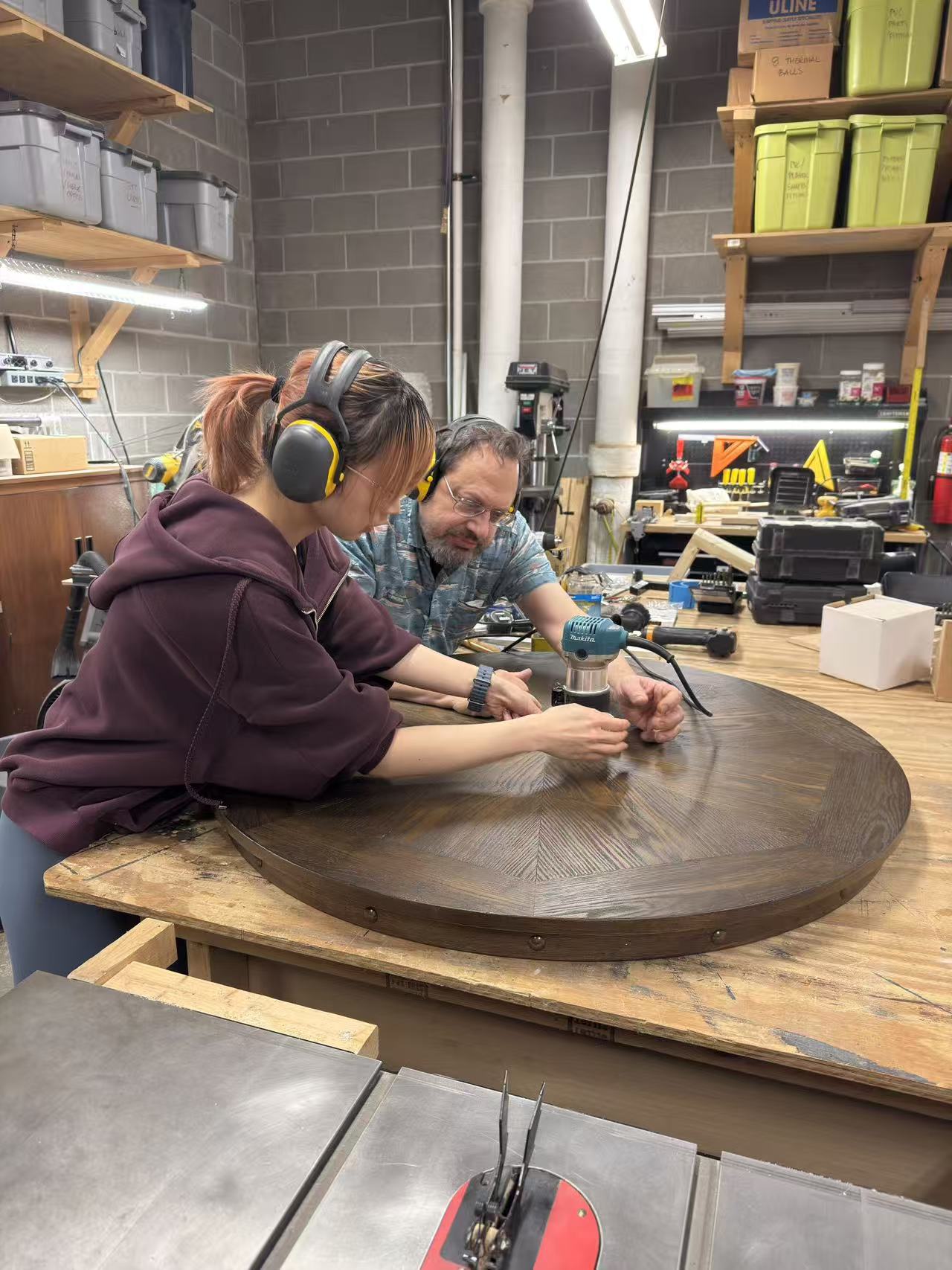
Last week, we planned four workstations around a shared conveyor. This week, we worked out what a first order would look like. We started with takoyaki, so players have to cut the octopus, mix the batter, cook it, and add sauce across different stations. Turning the Lazy Susan moves the ingredients around the Ring. Each cook has to think about what comes next in the recipe and who needs the belt to move.
We also explored ramen and dorayaki for later levels, along with tapping and holding the station buttons. For the first playable version, we wanted to see whether one recipe could teach players how the stations, conveyor, and turntable worked together.
Making Undercooked Easier to Read
We put together UI previews to see how orders, ingredients, instructions, and the stations fit on the screen. In our regular advisor meeting, we came back to what a cook needs to recognize in a glance. We wanted to check the text and icon sizes on the actual Ring and make it easier to tell what to cook, what actions are available, and whether a step is done. We also wanted to try sound cues so players could hear that an action worked while they were looking somewhere else.
Building the Full-Size Lazy Susan
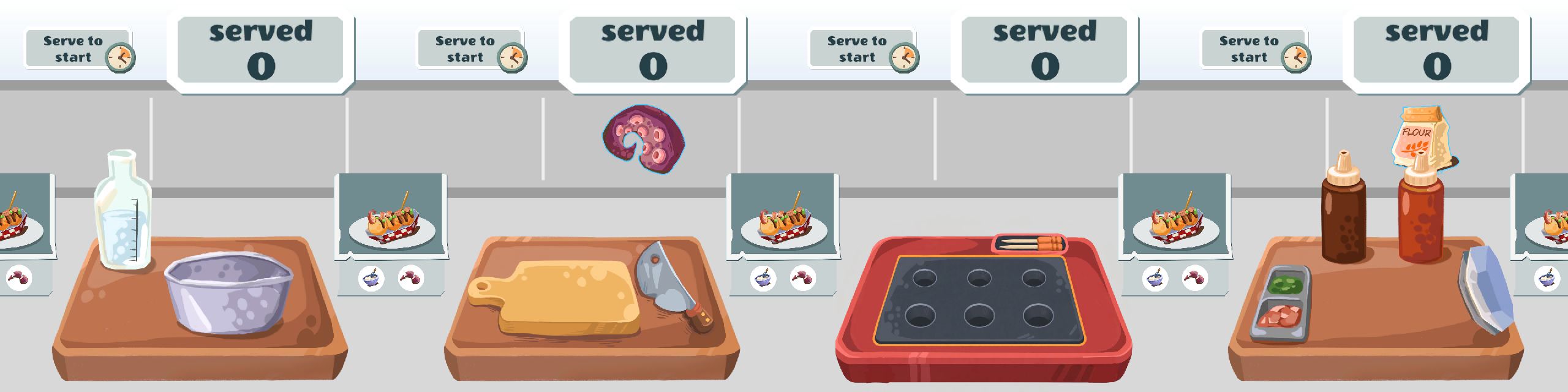
On Playtest Day, we’d used the mini mockup to see how people shared the rotation. This week, we worked on the wooden structure, the rotating assembly, and the wiring for the full-size version. The screen stays fixed while the Lazy Susan turns around it. Putting those pieces together also meant figuring out where people would stand and how far they’d need to reach for the controls.

By Friday, we were installing the full-size assembly. Our next step was to connect it to the game and check how the rotation and control placement felt when people were playing together.
3D Exploration
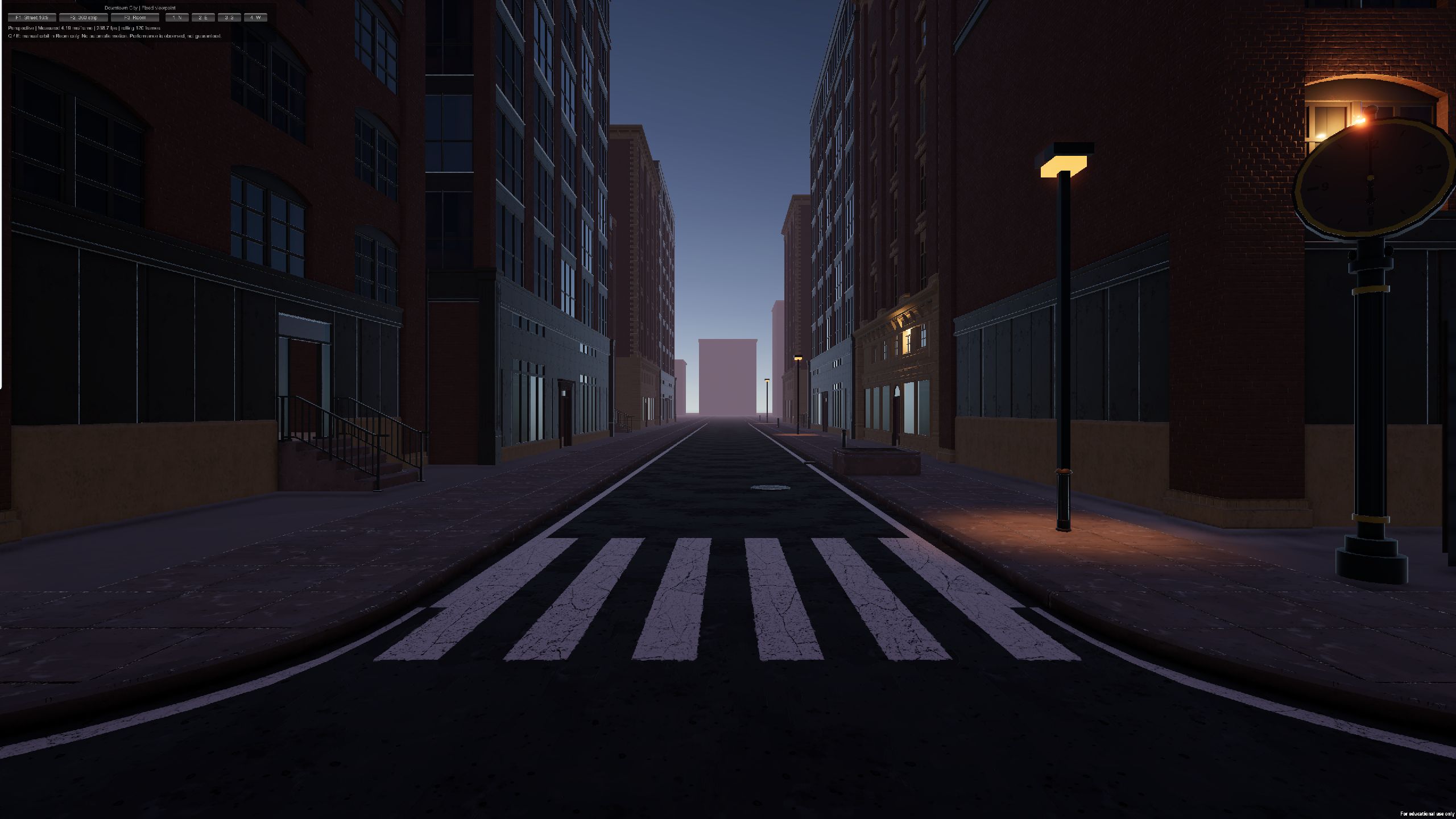
We kept working on the city prototype we called Jerry Town. When Derek and Tom turned the wheel and saw the light and shadows change, they immediately started imagining things to do around the city block. That gave us something concrete to explore. We talked about a courtyard that players could act across, portals that might send the action to the far side of the Ring, and what faster spins might do to the space. We wanted to find a small interaction that would make someone look around or move to see what happened.
Second Process Grade
What Derek and Tom Wanted Us to Change
By our second process grade, we’d tried four prototypes on the Ring. Derek and Tom told us they were disappointed with how safe some of our design choices felt. They wanted bolder, more inventive mechanics and more moments they could enjoy right away in a rough prototype.
- Make the Ring part of the rules. Some of our mechanics still felt close to games you could play on a flat screen. Derek and Tom wanted us to explore what happens when people stand in different places, see different things, and can affect someone across the Ring.
- Build around the urge to spin. Derek pointed out that when people see a big turntable, some of them want to give it a hard spin. Our cooking build mostly asked players to talk through small, controlled turns to move ingredients between stations. He wanted us to try a mechanic that made the big spin itself fun.
- Take more chances like we did with the RC cars. Tom singled out our RC car prototype as one of our most valuable experiments. Although he found it hard to steer and hard to build a mental map of the arena, playing it gave player a way to see how to read 3D perspective on the curved display. That was the kind of creative risk he wanted us to take more often.
At the October 31 playtest, we saw younger guests have fun with Super Smash Slime and Undercooked. Our advisors asked us to think about what made that first playthrough exciting. Seeing the Ring for the first time can draw people in, which makes it harder to tell what they liked about the game itself. We’ll use what guests did and said alongside Derek and Tom’s feedback to decide which mechanics to try next. We want to see what keeps people playing once they’ve gotten used to the screen.
Before the Next Process Grade
After talking it through, we decided to use Undercooked and the city prototype to try new mechanics. Our first 2v2 Undercooked tryout put both teams on one conveyor. We want to see how that changes when the way you turn the wheel matters. A fast spin might get ingredients moving sooner and risk spilling something. A careful turn might line up a handoff to the cook across from you. We’re also considering a portal as another way to send something across the Ring.
In the city prototype, we want to try different camera positions and give players something to do with what they can see from where they stand. If an action carries across a courtyard, a player might have to move around the Ring to see what happened. We’ll test these ideas in small builds, watch what players do, and work the mechanics that make the input or viewpoint matter into the two games.
Looking Ahead
At Softs, we want guests to see how our ideas changed as we got to know the Ring. We plan to show the Lazy Susan at several stages, from the small mockup to the full-size setup, and let guests try mechanics we explored along the way. We want to hear when a version made them want to spin harder, move around the screen, or call to someone on the other side. That feedback will help us decide what to carry into Fall Festival and what to record in our design handbook.