Refining and Learning Through Playtesting
Weekly Overview
This week, we continued developing Super Smash Slime, bringing the prototype into a more complete version for external playtesting. Following last week’s advisor feedback, our focus was on helping players understand the game from the moment they picked up a controller and supporting them throughout the match.
We held a playtest session to gather feedback on the updated game and observe how players interacted around the cylinder. With these observations and player interviews, we began reviewing our findings and preparing to share our progress and next steps at Halves.
Refining the UI and Player Guidance
We added UI to support the game’s flow and give players clearer guidance. This included a consistent set of PS5 controller instructions for movement, jumping, attacking, and directional attacks. We kept the button icons and layouts simple so that players could quickly connect an instruction with an action.
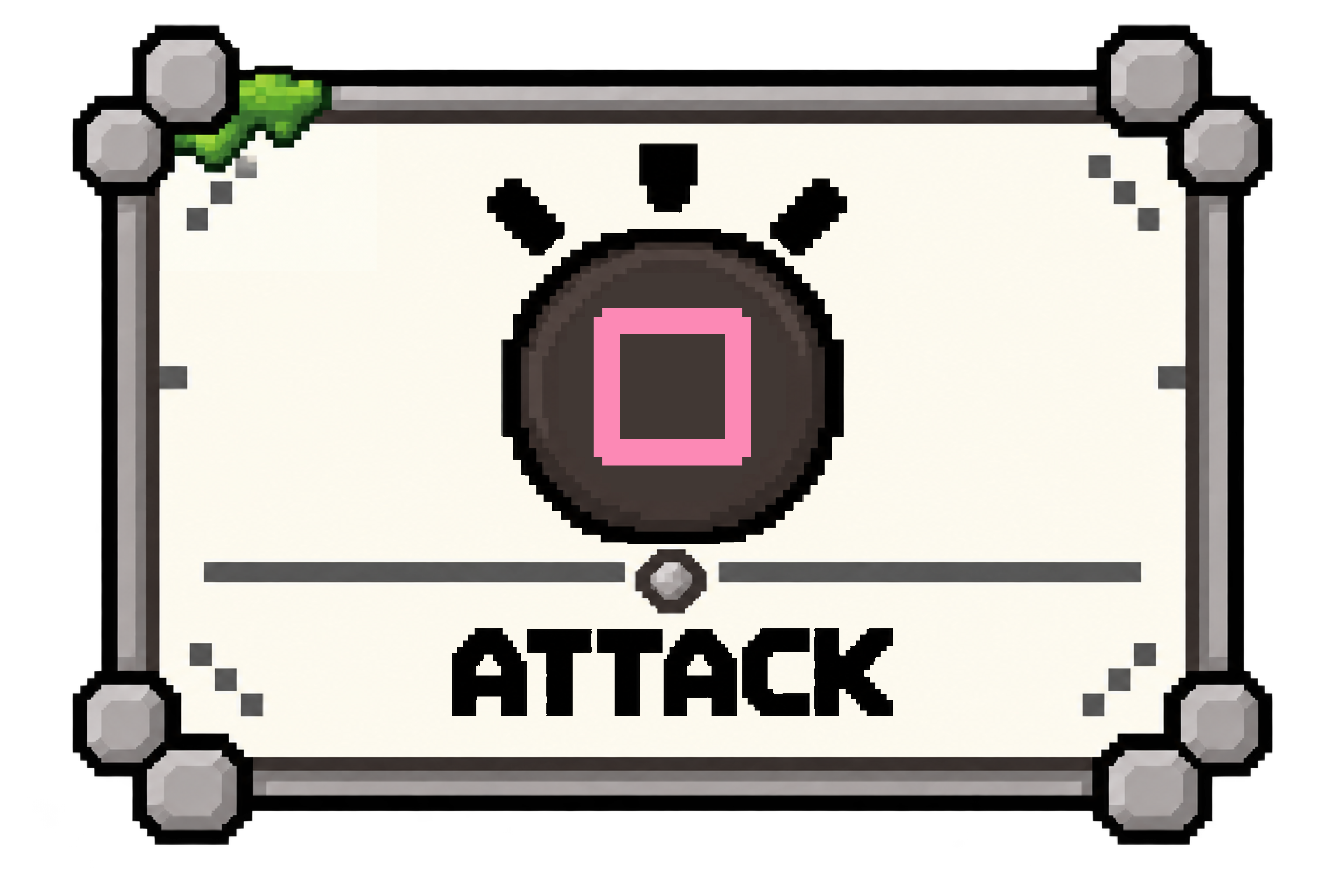
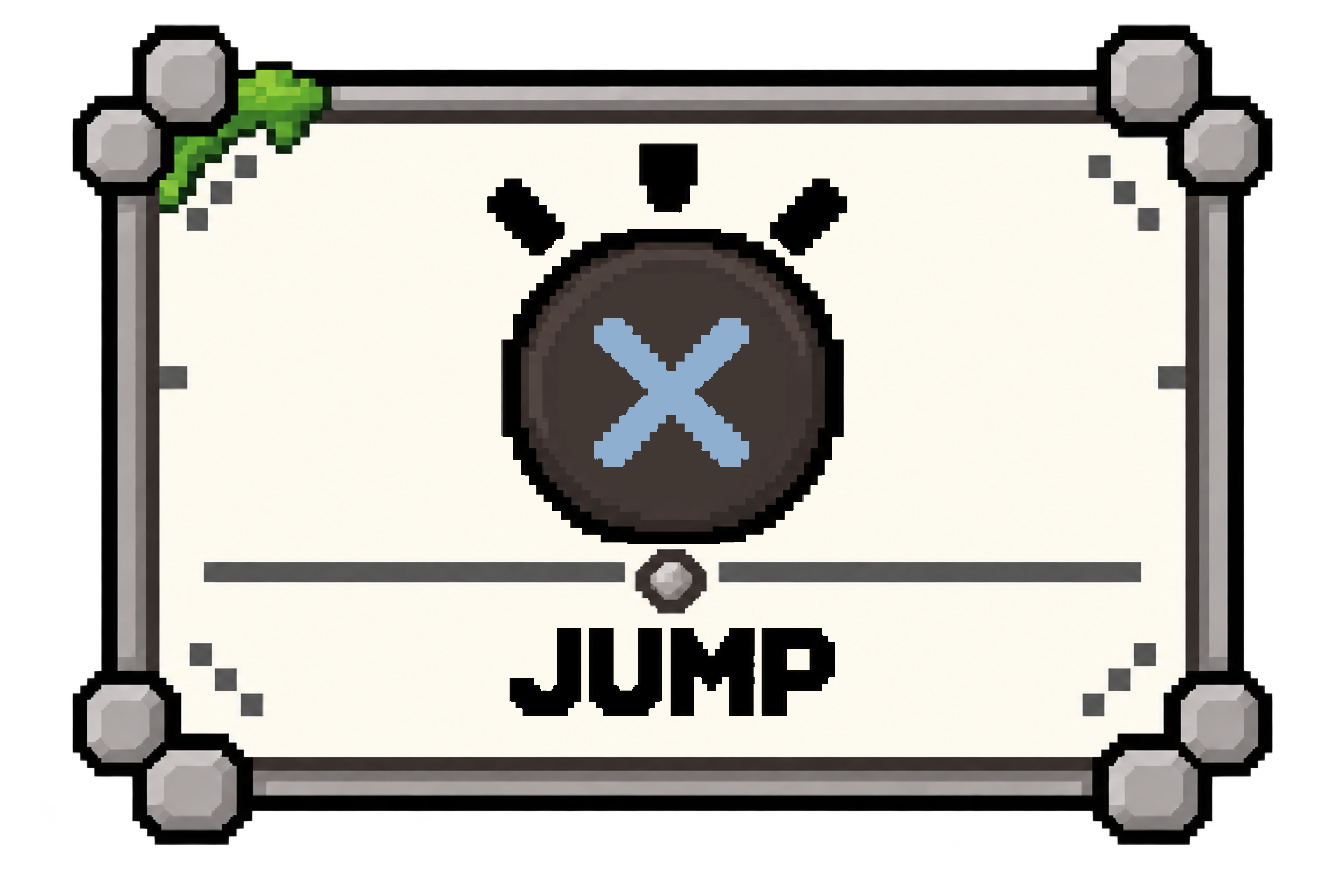
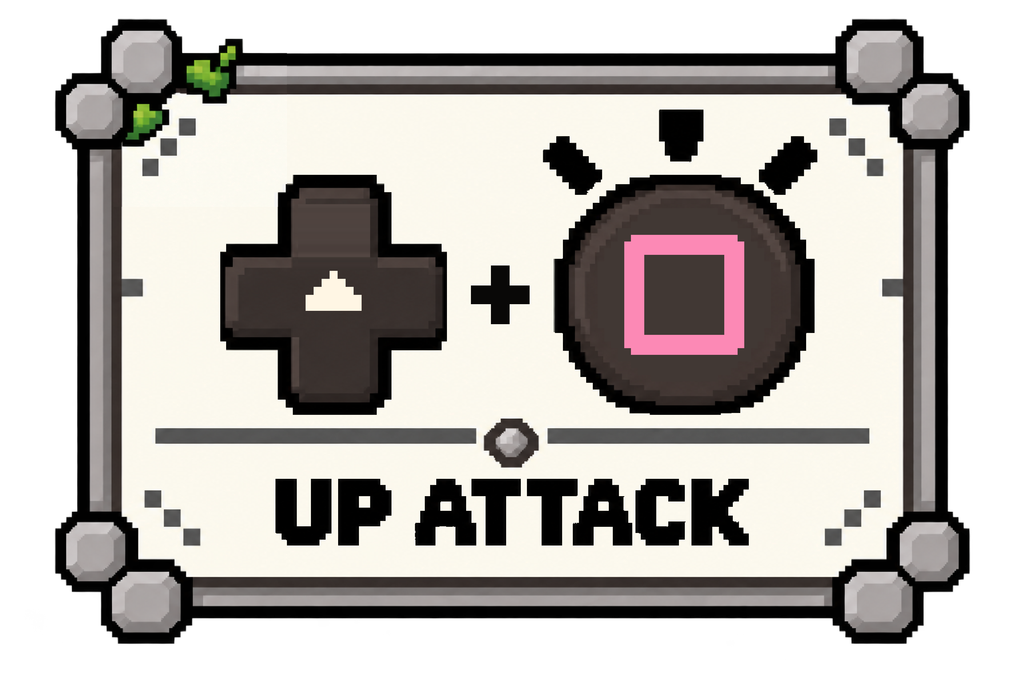
Character identification remained another important focus. With several slimes moving around the cylinder, players need to understand which character belongs to them before they can comfortably join the action. Our refinement work addressed the connection between joining the game, identifying a slime, and learning its controls.
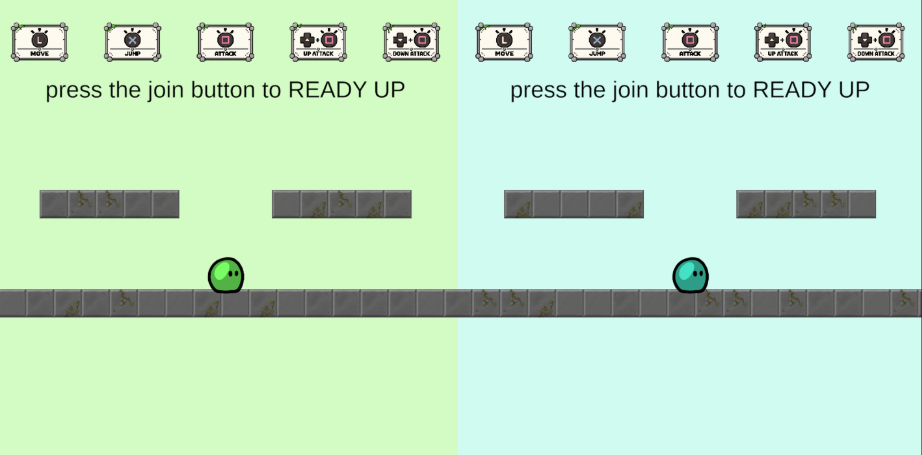
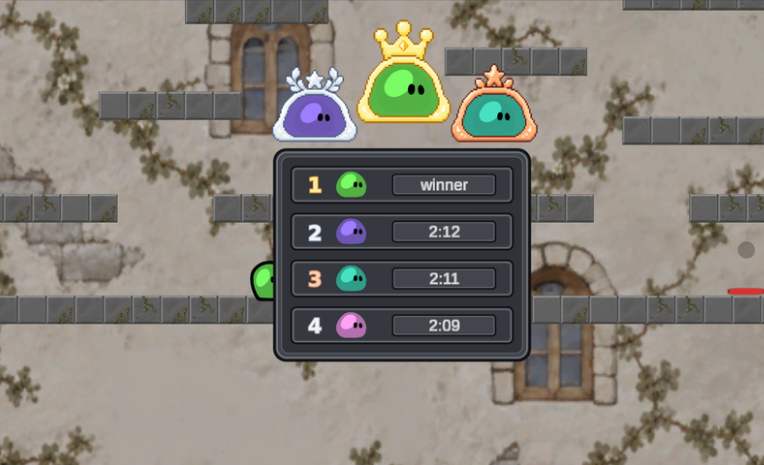
We also continued integrating player information and leaderboard elements into the experience. These interfaces needed to fit the slime game’s visual style while remaining readable. To fit with the cylinderical shape, the leader boards are wraped up and dulicated so that players in every angle can see the result.
Playtesting Super Smash Slime
How It Went
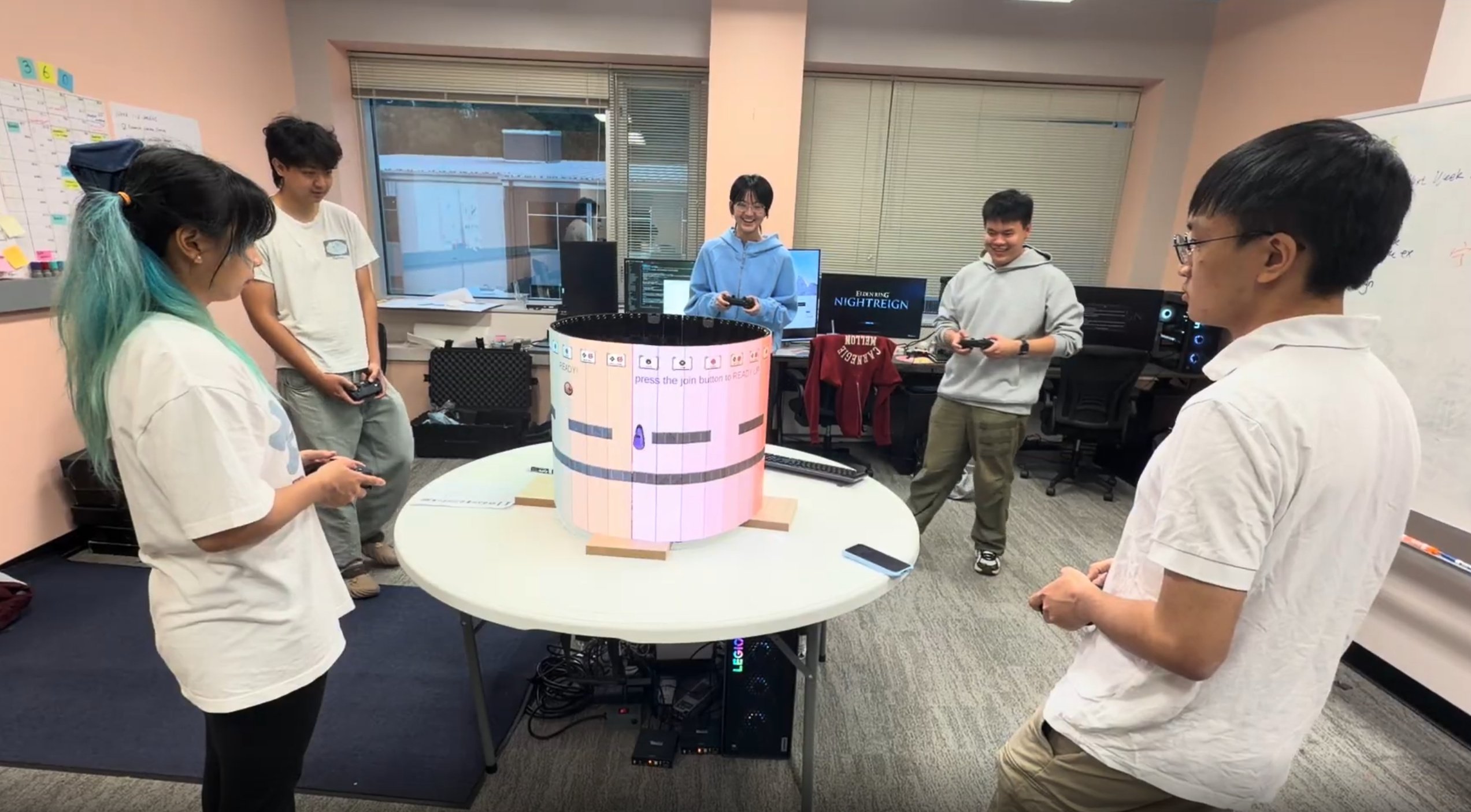
Across two days, we welcomed 12 guest players in six groups to try the updated Super Smash Slime.
Testing with outside players helped us see which parts of the game were understandable and which still required explanations from the team. We focused on whether players could identify their slime, understand the controls and match information, and follow the action around the cylinder. We also observed how players moved around the display and shared the physical space.
Post-Playtest Interviews
After playing, guests shared feedback about the controls, combat, visibility, and physical setup. Their responses helped us understand moments that were difficult to interpret through observation alone.
Some feedback pointed to a need for clearer combat information. Although the knockback was noticeable, the relationship between attacks, damage, and falling was not always clear. Comments about the screen being too low and the audio being too quiet also highlighted how the physical setup affected the experience.
We organized the interview responses into our post-interview forms so that we could compare feedback across players and connect it with the gameplay recordings.
Observation Summary
We reviewed the gameplay videos and documented how players interacted with both the game and the shared physical space. Several themes emerged:
- Character tracking and visibility: Players could only see part of the cylinder at a time, making it important to follow their slime and find it again when it moved out of view.
- Unexpected encounters: The limited view created moments when opponents appeared suddenly, making visibility part of the gameplay.
- Movement around the display: Players repositioned themselves to follow their characters and find opponents. Their physical movement became part of the multiplayer experience.
- Learning the game: Moments requiring guidance from the team helped us identify where instructions and feedback needed improvement.
Together, the observations and interviews gave us a clearer picture of how new players experienced Super Smash Slime and provided material for our reflection and Halves presentation.
Next week: Preparing for Halves
Alongside development and playtesting, we began preparing our Halves presentation by looking back at the first half of the semester. We organized our field study, brainstorming, and the development of Asteroids and Super Smash Slime into a clear account of how we had explored the Ring. We also reviewed our playtest findings to explain what we had learned about visibility, player movement, social interaction, and designing for a cylindrical display.
This reflection helped us identify both our progress and the questions we still wanted to explore. As part of the presentation, we outlined our next steps in gameplay prototyping, physical builds, and field studies, connecting our plans for the rest of the semester to what we had learned so far.