
This week, our promotional materials are officially locked: logo, poster, and project description — all confirmed.



While creating our team photo, we ran into an important discovery: how long we let PostShot train the model significantly affects the final result (obvious in hindsight, but powerful to see firsthand).
Below are two models side-by-side. Everything else is identical — the only variable is the number of training steps.
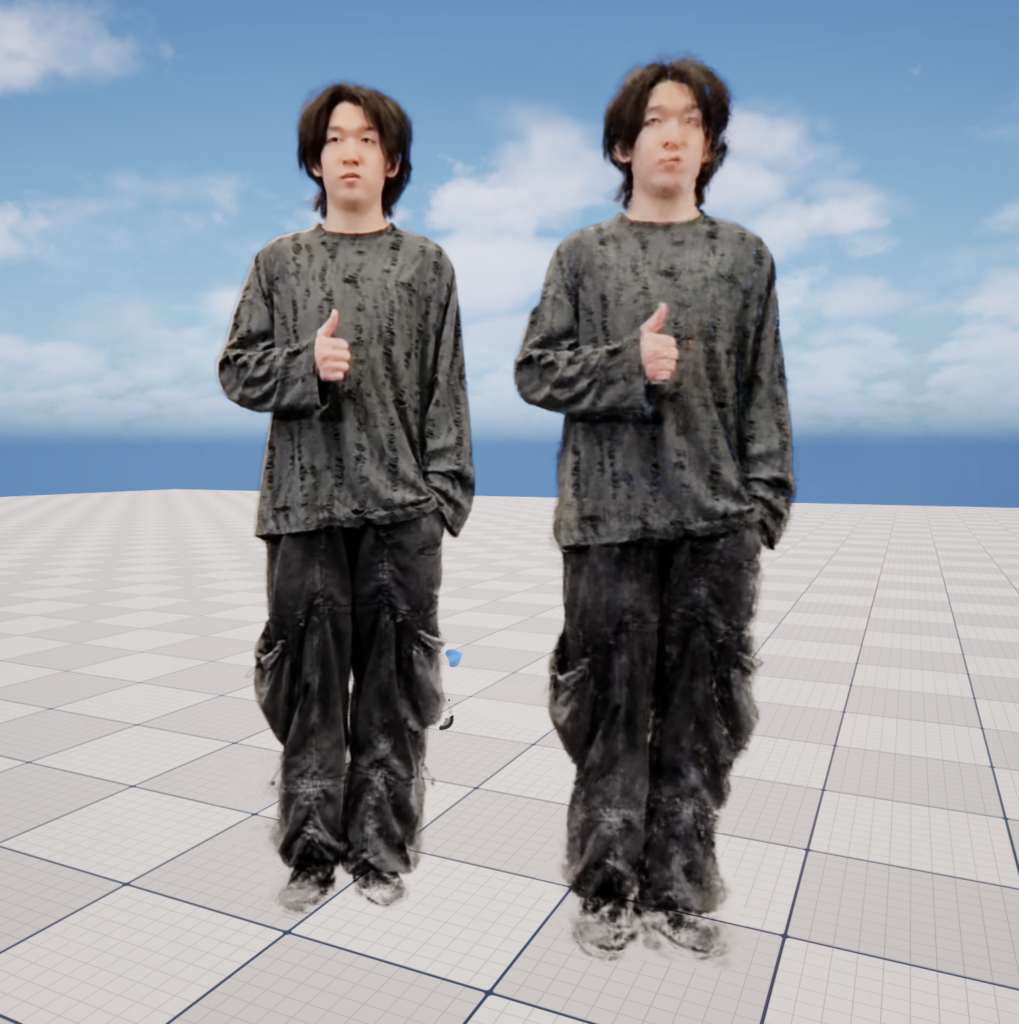
Right: Trained in PostShot for 30K steps
The difference in clarity and stability is noticeable. This reinforced something fundamental for us: even small parameter adjustments meaningfully shape output quality.
Production Mode… and R&D Mode
This week also marked our official shift into production mode.
But the interesting thing about this project is that production and R&D happen simultaneously. The moment we bring a PostShot digital asset into Unreal Engine, we immediately enter a prototyping phase.
For example, we’re currently experimenting with scene transitions. Our question:
Can we morph a digital model of supermarket ice…
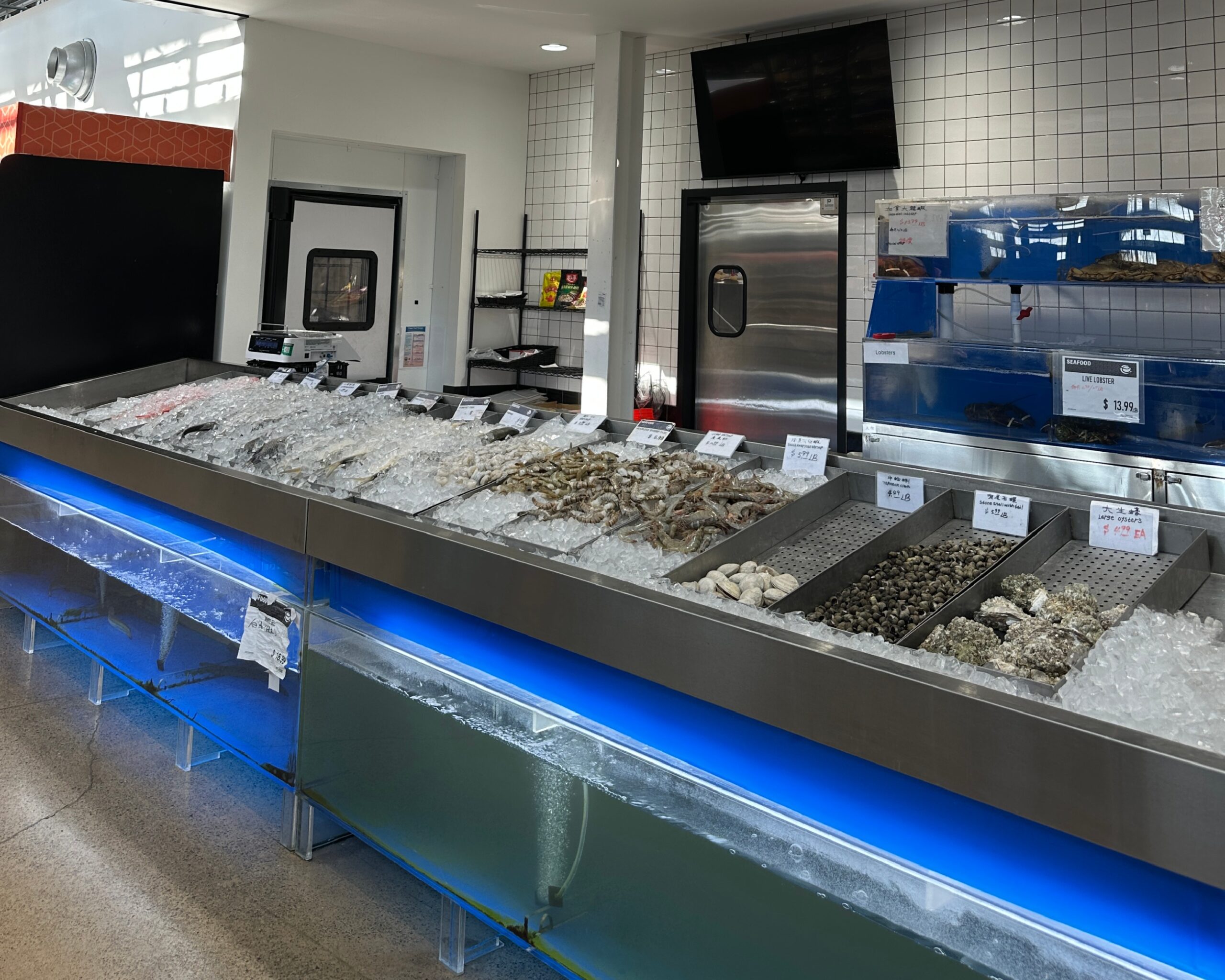
…into snow surrounding the CMU statue?
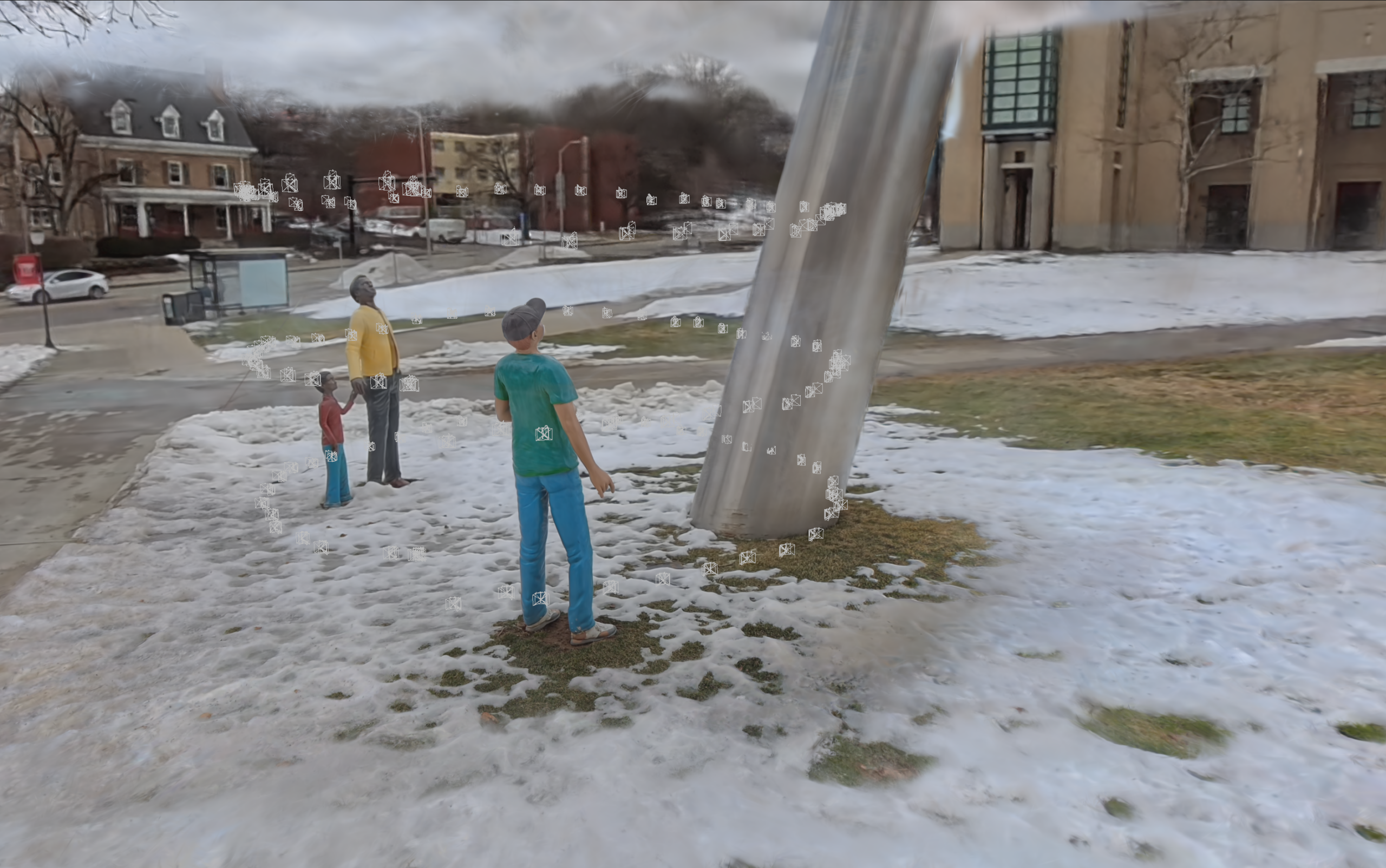
Technically, this means exploring whether transforming 3D Gaussian Splats into Niagara particles (Unreal Engine’s native particle system) is a good idea, and then trying to make seamless transitions from one environment to another.
If that pipeline doesn’t work well, we have alternatives:
- Generate snow natively inside Unreal.
- Use snowfall VFX overlays to mask the transition.
But this raises a larger question:
Our goal is to create a compelling transition from ice to snow, with both environments captured using 3D Gaussian Splatting. Ideally, the transformation itself would emerge from the properties of the 3DGS data.
However, if we can’t achieve a seamless transition using the splats themselves — and instead have to rely on traditional VFX tricks to mask the change — then we’re no longer exploring the strengths of 3DGS. At that point, forcing the transition would defeat the purpose.
If 3DGS doesn’t naturally support this use case, we’re prepared to put a period on the transition experiment and redirect our focus toward applications that better highlight 3DGS’s strengths in a production context.
Ultimately, our project is trying to answer:
Under what circumstances does 3D Gaussian Splatting make sense in virtual production?
When do its benefits outweigh its limitations?
On Beauty
I want to end this week’s blog on beauty.
Look at what others are doing with Gaussian Splatting (wait until you see the rocket scene):
https://www.bilibili.com/video/BV1aj6BB4EA2
The cinematic potential is undeniable.
And we’re beginning to see that beauty emerge in our own work too. This is our Bonsai tree point cloud, and a video of it in its earliest rendering moments.
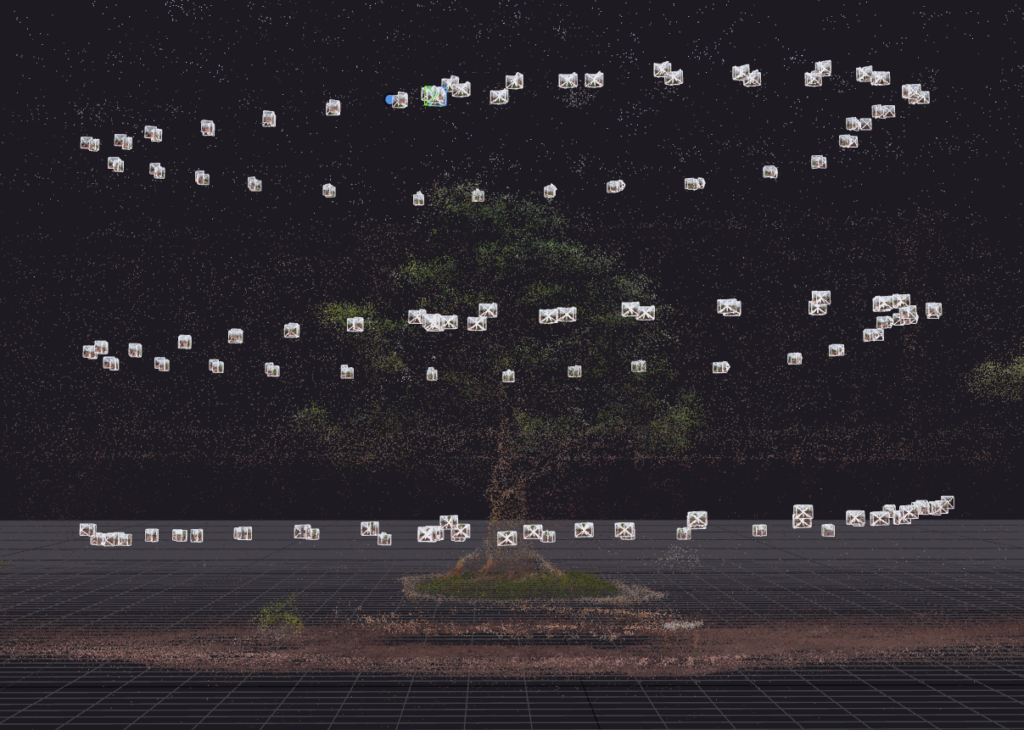
Dots to depth, indeed.
2/9-2/13/2026