Week 10 was a focused push toward Playtest Day, with the team prioritizing integration, usability, and refining the overall player experience. Building on the playable prototype from Week 9, this week centered on making the game more understandable, responsive, and test-ready.
Refining the Core Experience
Early in the week, feedback from a consultant highlighted key issues around UI clarity, onboarding, and player feedback. This led the team to prioritize:
- Making core elements like the question card, Mood, and Trust more visible and clearly labeled
- Simplifying the visual hierarchy of the table and interactions
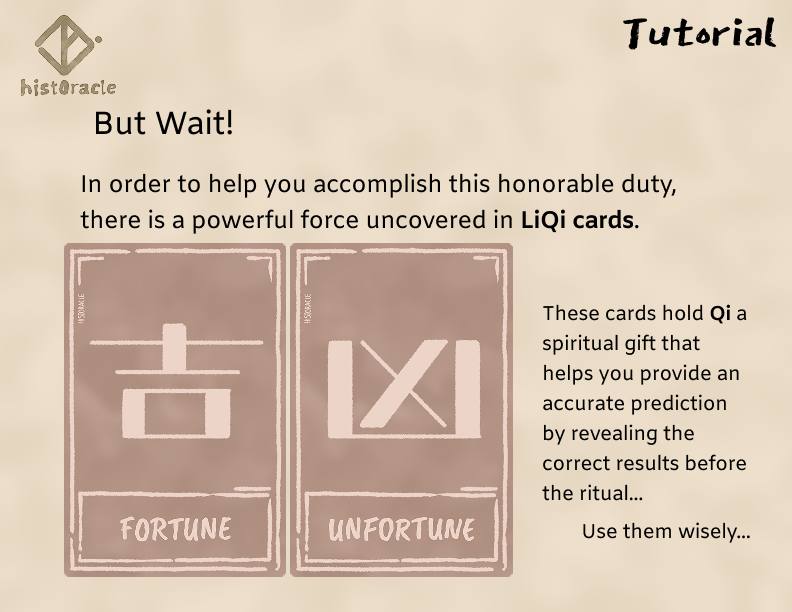
- Improving how and when systems like Li Qi are introduced
A major takeaway was the need to ensure players can clearly understand cause-and-effect—how their choices impact outcomes.
Tutorial and Onboarding
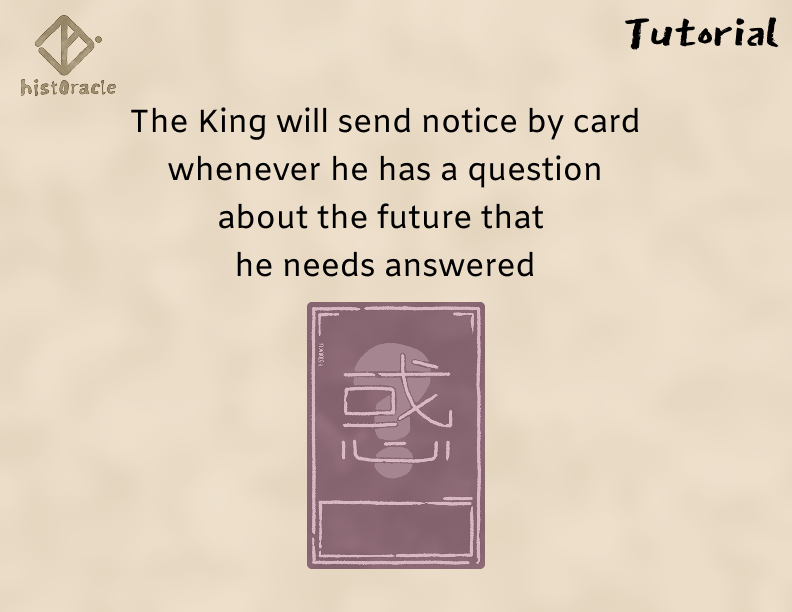
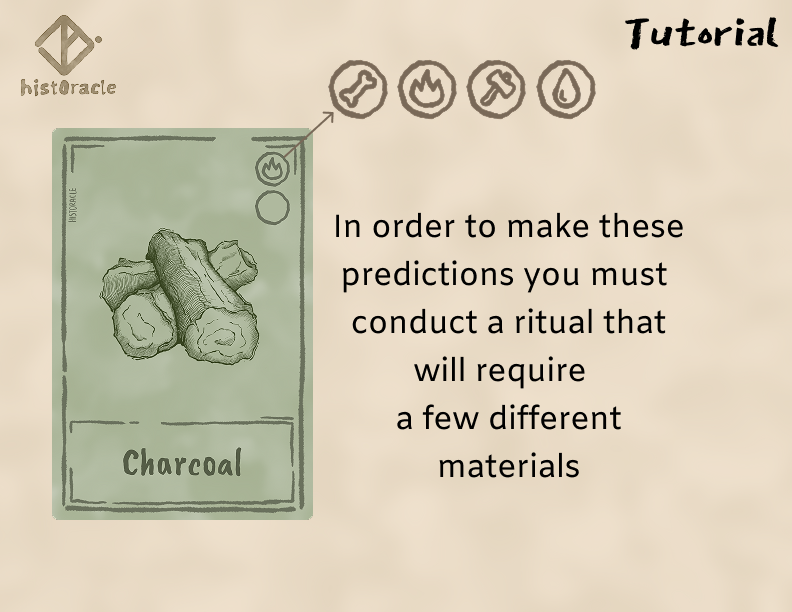
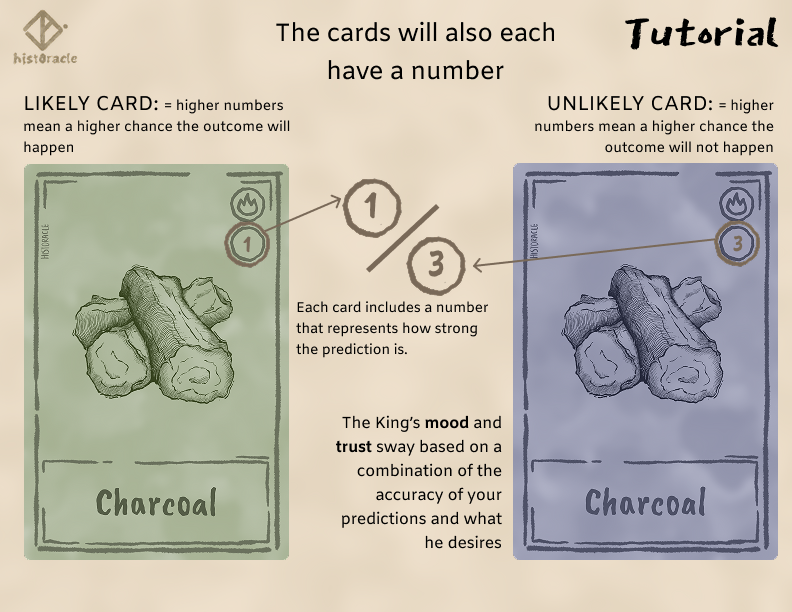
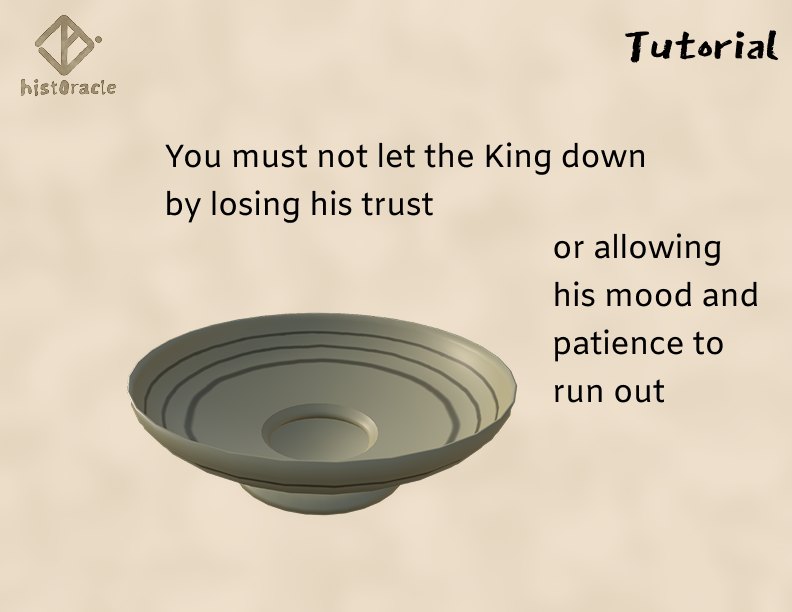
To address confusion in earlier builds, the team focused on developing a more structured tutorial experience. We implemented a scaffolded approach that gradually introduces mechanics across multiple rounds, starting simple and increasing in complexity.
In parallel, we prepared two tutorial formats to test during Playtest Day:
- A long, multi-step tutorial with guided instruction
- A short, single-page version for quicker onboarding
This allows us to evaluate how much instruction players need, especially in a museum-style setting.

Integration and Iteration
Much of the week was spent on iteration and integration, including:
- Updating UI and card visuals for clarity and consistency
- Improving text legibility and labeling
- Refining how values and outcomes are displayed
- Strengthening feedback systems so players can better understand results
The team also worked to ensure the core gameplay loop—drawing a question, placing cards, completing the ritual, and receiving a result—was stable and readable.
Playtesting Insights
Late-week playtests revealed ongoing challenges with:
- Understanding terminology (e.g., fortunate vs. unfortunate)
- Interpreting the Li Qi system and final results
- Recognizing how Mood and Trust change over time
- Feeling a sense of meaningful player choice
These insights reinforced the need for clearer feedback, simplified language, and stronger visual guidance.
Playtest Readiness
By the end of the week, the team had a stable, playable prototype ready for testing. The build included:
- Updated UI and card systems
- Improved readability and labeling
- A functional tutorial structure
We worked hard to reach this point, ensuring that the experience—while still evolving—could be effectively tested with users.
Week 10 marked the transition from building to testing and validation. With a playable prototype and multiple onboarding approaches in place, the team is prepared to gather meaningful feedback and continue refining the experience.