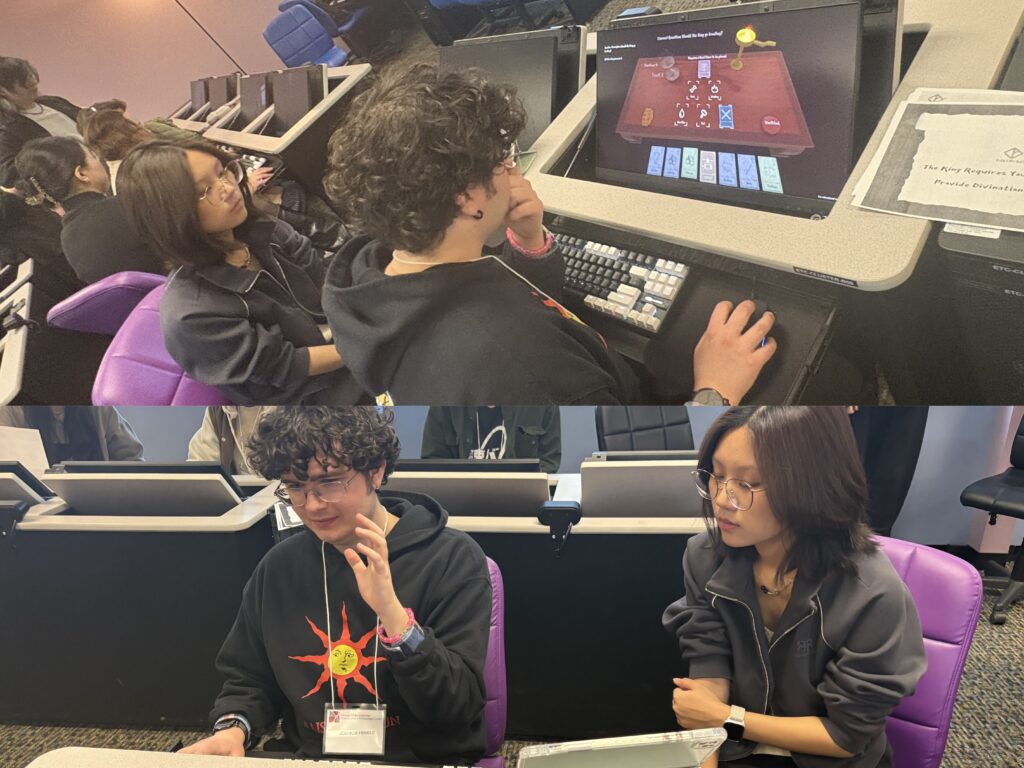
Week 11 focused on reflecting on Playtest Day, identifying key usability challenges, and prioritizing the next round of iterations. Rather than introducing new systems, the team concentrated on refining the existing experience to improve clarity, feedback, and overall player understanding.
Playtest Takeaways
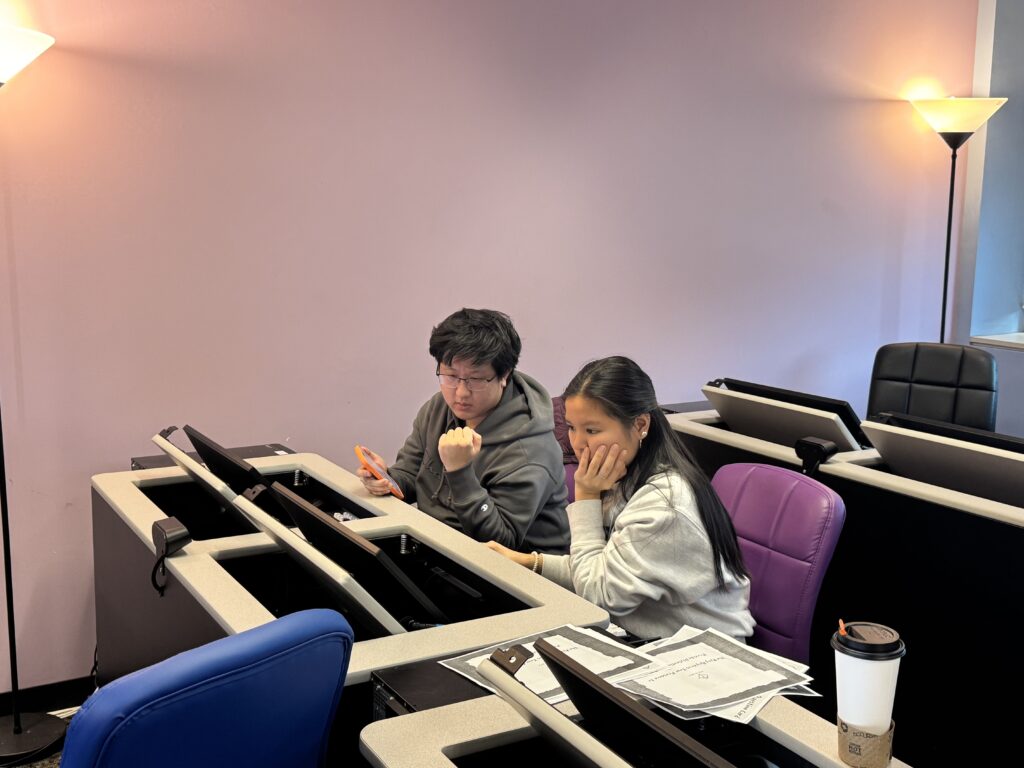
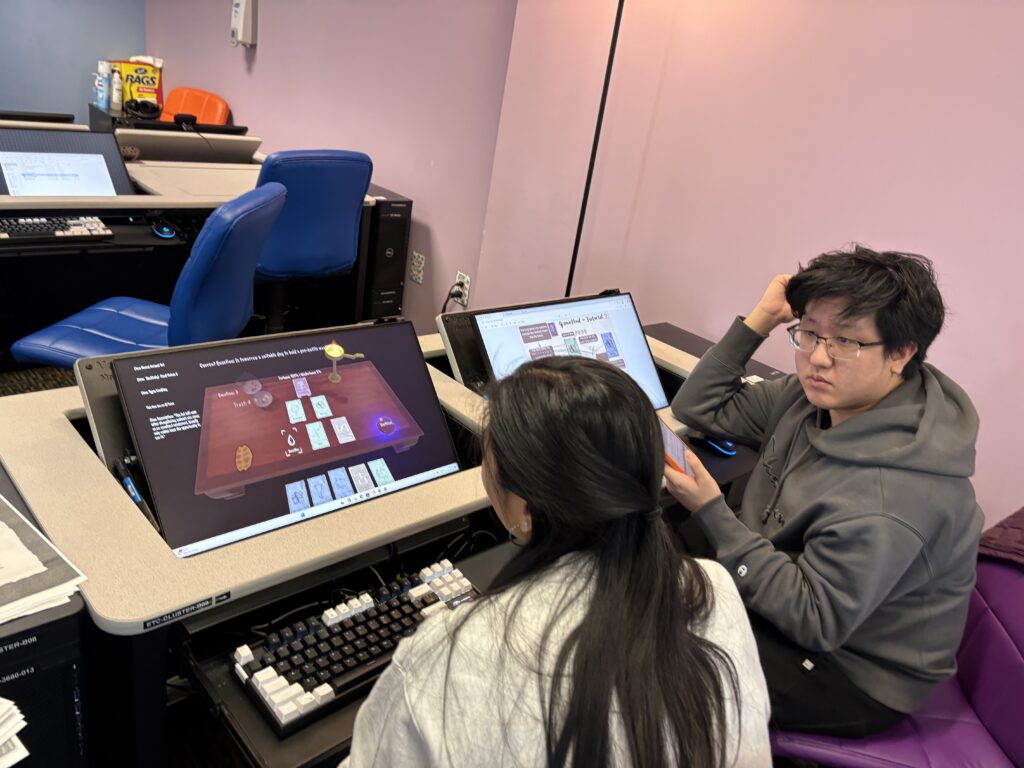
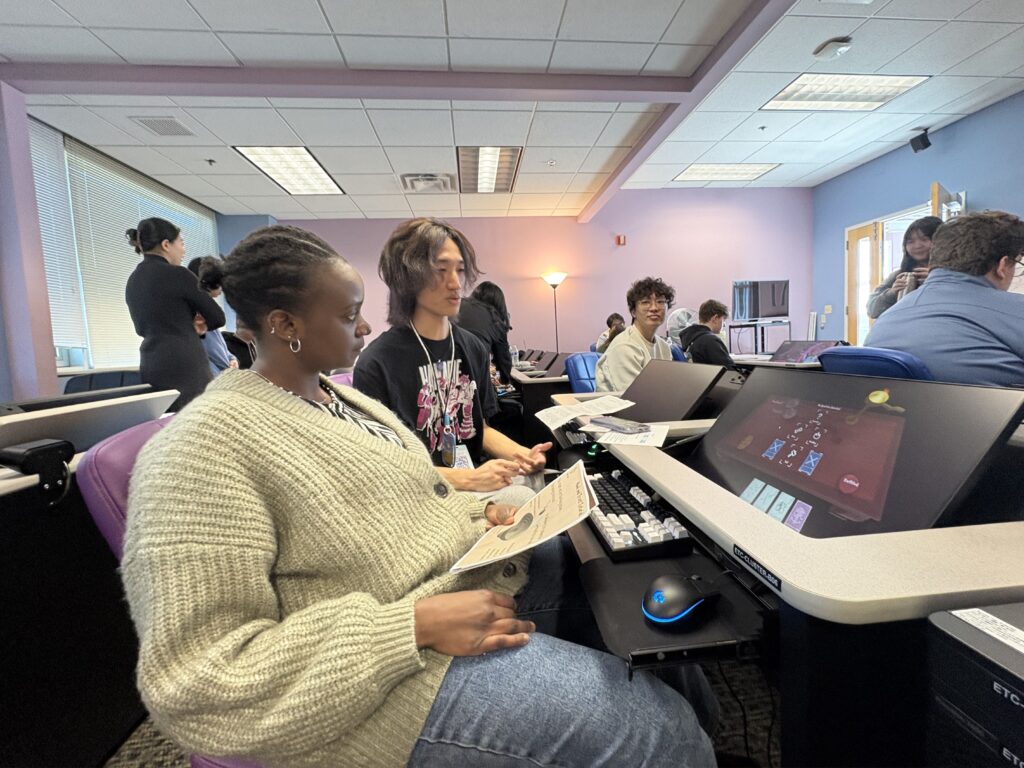
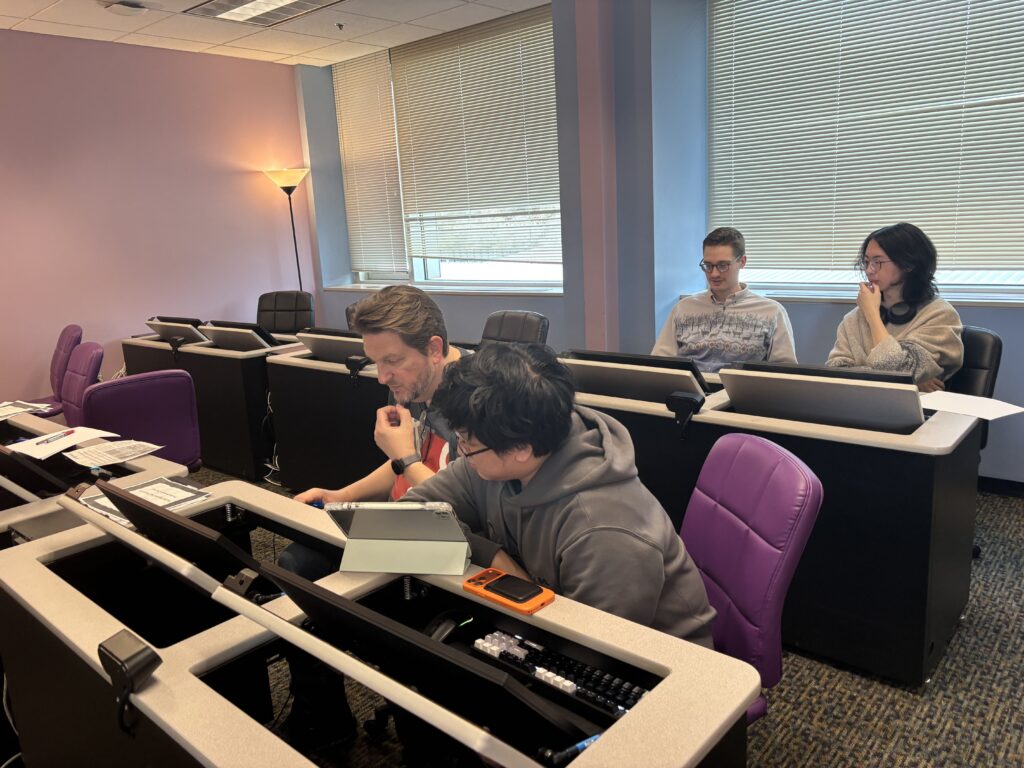
Playtesting revealed several consistent patterns in how players interacted with the experience. One of the most immediate issues was that nearly all players clicked the “Start Ritual” button too early, before completing the required steps. This highlighted a need to better guide player flow and gate interactions until conditions are met.
Players also struggled with understanding the sequence and purpose of actions, including:
- Why the question card needed to be placed first
- How items relate to cards and symbols
- What the Li Qi system represents and how it functions
More broadly, players often missed key information:
- The tutorial was rarely read in full, with most users referencing it only when confused
- Important UI elements, such as top-left text, were frequently ignored
- Players did not clearly perceive how their actions affected Mood and Trust
Another major takeaway was that feedback was not landing effectively. While systems were functioning, players:
- Did not notice changes in Mood and Trust
- Struggled to interpret ritual outcomes
- Lacked a clear sense of whether their decisions were successful
Additionally, the narrative layer was often overlooked, with players focusing more on mechanics than story context. Visual inconsistencies between 2D and 3D assets also contributed to confusion and reduced cohesion.

Key Areas for Improvement
Based on these insights, the team aligned on several high-priority improvements:
- Guiding player attention:
Emphasize the correct order of actions (e.g., placing the question card first) through visual cues and interaction constraints - Improving feedback systems:
Make changes to Mood, Trust, and outcomes more visible and immediate - Clarifying core systems:
Simplify and better explain Li Qi, card types, and probabilities - Strengthening onboarding:
Shift toward a more step-by-step, interactive tutorial rather than relying on static instructions - Enhancing visual clarity:
Improve UI hierarchy, unify art styles, and make key elements more prominent



Planned Iterations
With these priorities in mind, the team outlined a set of targeted updates for the next development phase.
Core Interaction Updates
- Implement card drag-and-drop interactions
- Gate the “Start Ritual” button so it only activates when all required elements are placed
- Introduce a structured slot-unlocking system across early rounds to guide learning
System and Gameplay Refinements
- Add a trade system allowing players to exchange cards and influence outcomes
- Improve how probabilities and results are displayed
- Refine how systems reinforce that players are interpreting—not changing—the future
UI and Layout Improvements
- Reorganize the interface to better highlight:
- The question card
- Mood and Trust indicators
- The player’s hand and available actions
- Introduce clearer popup systems for card details and current questions
- Improve readability through larger icons, clearer labels, and better hierarchy
Feedback and Visual Effects
- Strengthen visual and audio feedback for key actions (e.g., placing cards, completing rituals)
- Improve VFX for token changes and ritual outcomes
- Add clearer transitions and signals to indicate state changes
Narrative Integration
- Reinforce narrative through:
- Context for each question
- Explanations of results and their consequences
- Ensure that Mood and Trust changes are tied back to the King’s reactions
Looking Ahead
Week 11 marked a shift from building new features to refining player experience and clarity. The team now has a clearer understanding of where users struggle and how to address those gaps through targeted iteration.
By focusing on guidance, feedback, and cohesion, the next phase of development aims to transform the prototype into a more intuitive and engaging experience—especially within the context of a museum installation, where clarity and immediacy are essential.