Week 8 followed Spring Break, giving the team an opportunity to both reflect on progress and refocus development priorities as we move closer to Playtest Day.
Spring Break Recap
During Spring Break, several team members continued working on key aspects of the project.
Libby and Mingrui focused primarily on narrative development, thinking not only about the branching story structure but also about how players would first encounter the experience.
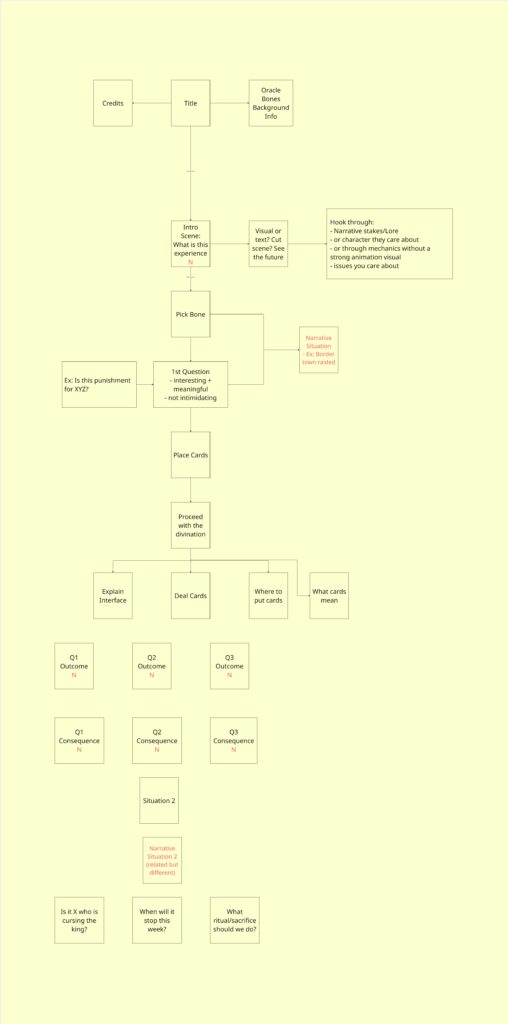
A major focus during this time was designing the onboarding process, including how the tutorial could introduce both the narrative context and the gameplay mechanics in a clear and engaging way.
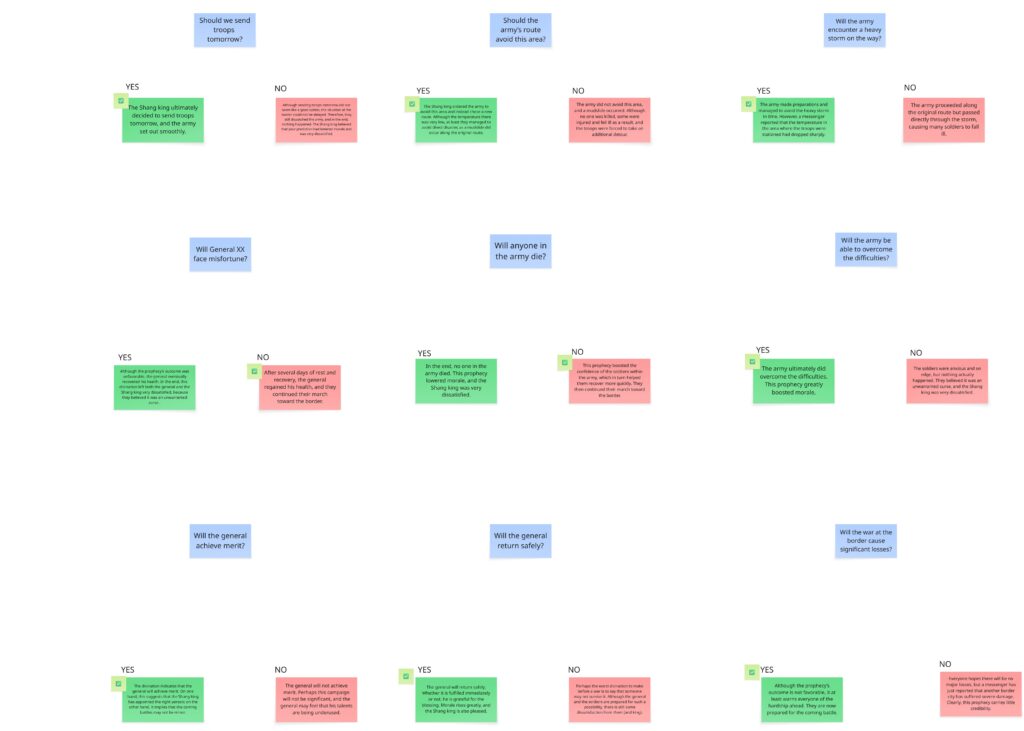
Mingrui also worked on restructuring the narrative so that questions within the branching structure could be interchangeable, allowing for some variation between playthroughs while still maintaining narrative coherence.
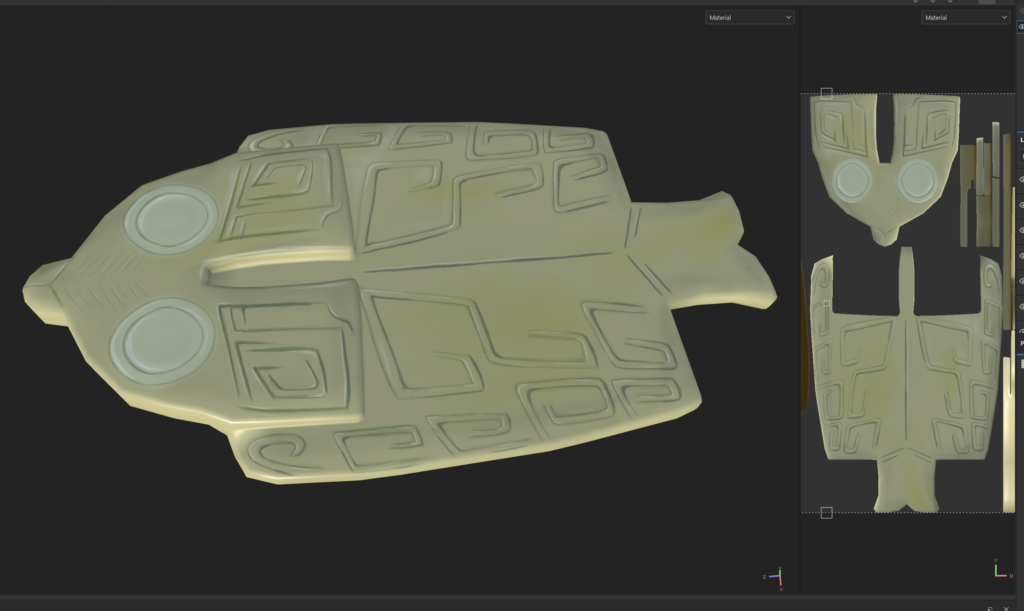
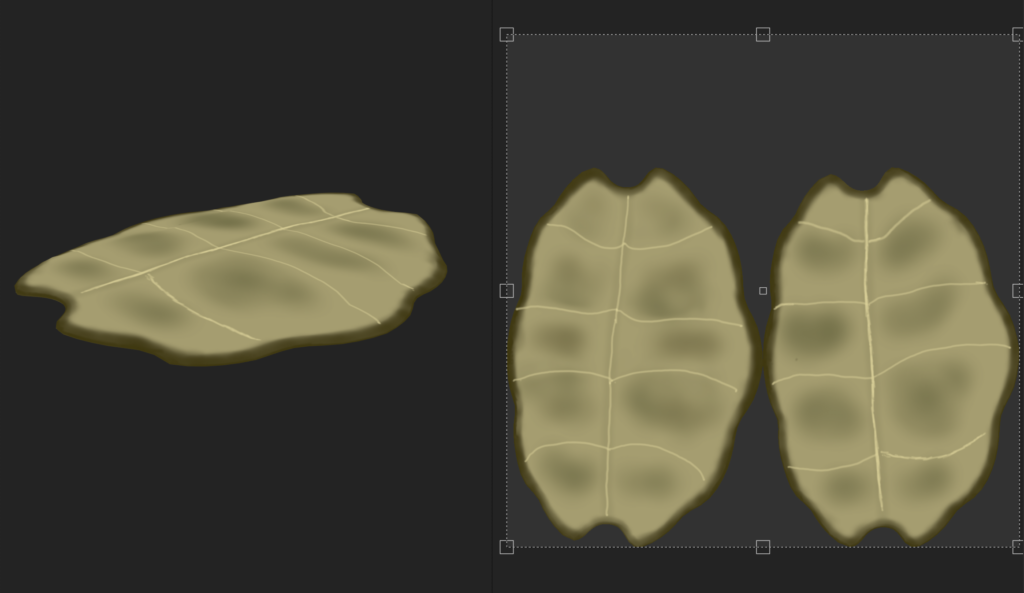
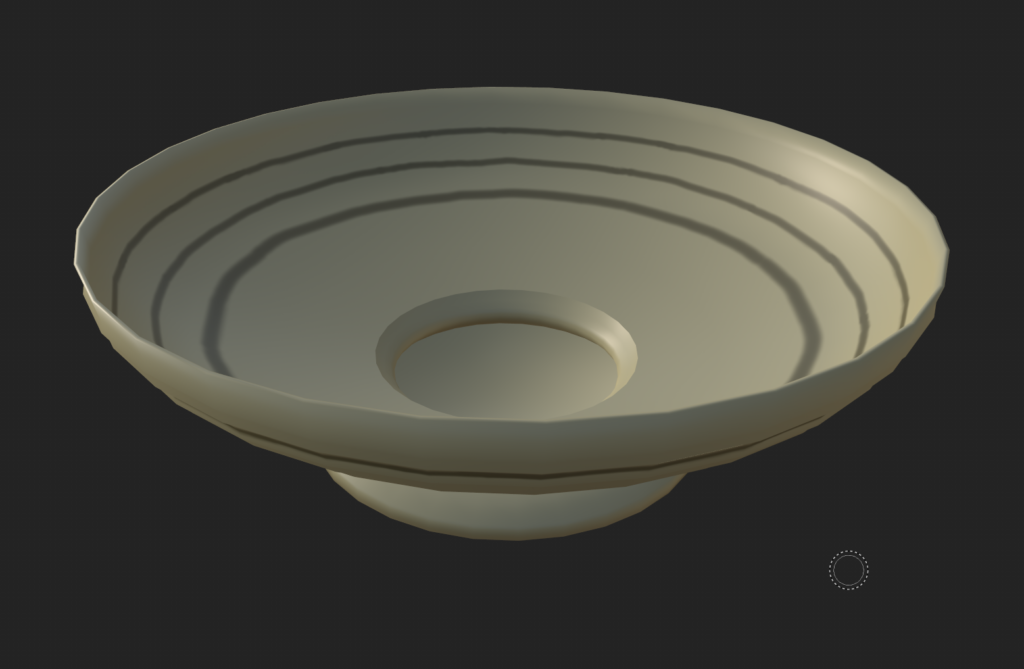
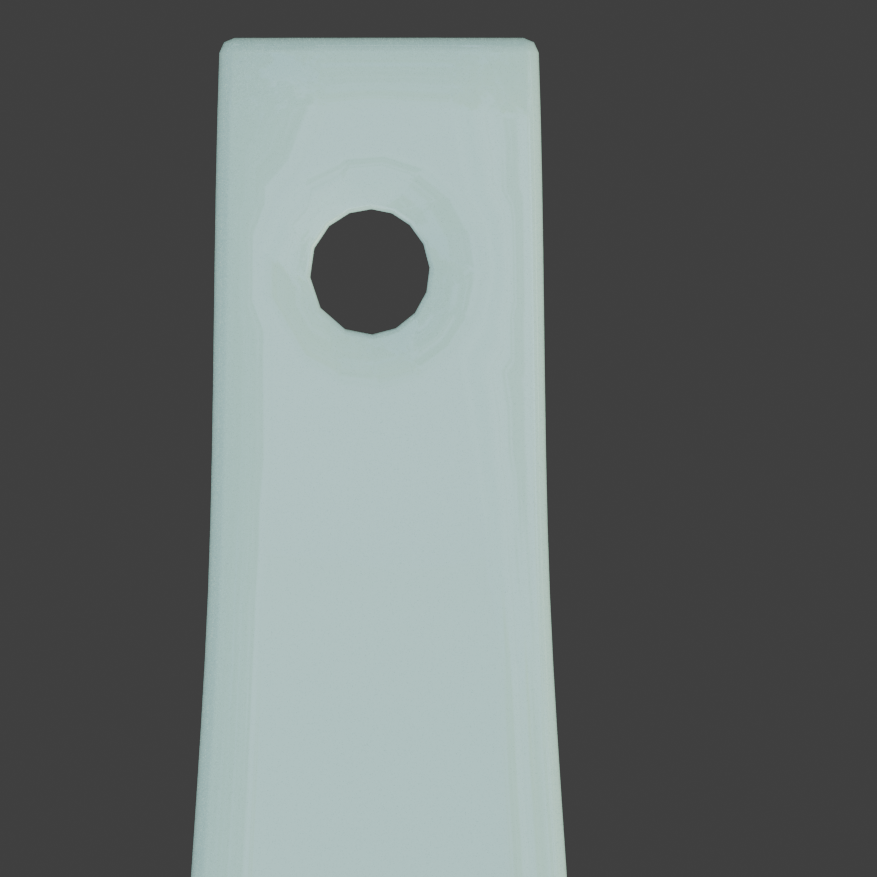
Meanwhile, Junru continued progress on texturing the 3D models, helping move the visual assets closer to a finalized look.
GDC Week
When the team returned from Spring Break, it coincided with the week of the Game Developers Conference. Several team members traveled to San Francisco to attend the conference, where they had the opportunity to network and learn from industry talks and panels.
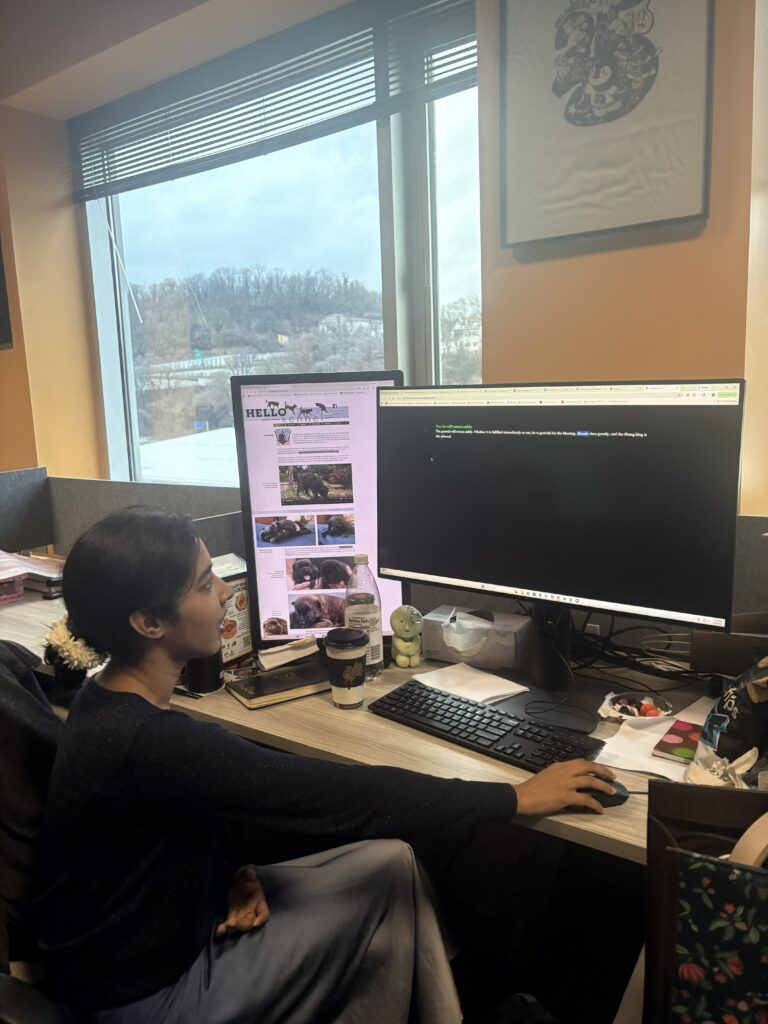
For those who remained on campus, the focus was on continuing integration work and preparing assets for implementation.
Some of the initial goals for the week included:
- Implementing questions and visual assets into the game
- Expanding the game loop, which was already functioning for a single oracle bone
- Serializing the question system so questions could be organized by level and narrative structure
- Beginning to connect the linear and branching storytelling components
Advisor Meeting Feedback
During our Wednesday advisor meeting, Jonathan and Vivian provided important feedback about the current state of the project. They emphasized that they were not concerned about the amount of work being done, but rather about the direction and integration of that work.
One of the key issues identified was that faculty had not yet seen the different components of the project working together in a cohesive way.
To help address this, several changes were introduced:
- Jonathan and Vivian will begin setting internal deadlines to help guide progress.
- If anyone encounters a block a few days before a deadline, they are encouraged to meet with advisors for support.
- For future meetings, the team should arrive ready to show in-progress or unfinished work, rather than waiting for something to feel completely polished.
Rescoping the Project
Another major outcome of the meeting was a refinement of the project scope. Moving forward, the team will prioritize the museum installation version of the experience as the primary deliverable. The longer, more complex digital game can still be explored later, but focusing on a museum-format prototype will help clarify the design goals.
This shift allows the team to focus on creating a short, replayable experience of roughly 10 minutes, with the primary objective that players understand the oracle bone ritual process by the end of the interaction.
Importantly, this change does not require undoing previous work. Instead, it helps guide how existing systems should be prioritized and integrated.
Team Updates
During the meeting, each team member also shared updates on their current progress.
Programming – Haru
Haru completed the main gameplay loop and is currently working on several smaller functions. Remaining features include a hover interaction that shows the name and description of the selected card.
The next major step will be integrating the 3D models and the demo storyline developed by Mingrui.
Currently, the system includes:
- A 2/3 probability of a fortunate outcome
- A 1/3 probability of an unfortunate outcome
The resulting rewards and effects are recorded directly within the question card system.
UX and Visual Design – Yilin
Yilin has been working on a new card design that better matches the visual style of the 3D environment. She is currently redesigning the question card textures and layout.
Her next step will be designing the UI pop-up window that displays the description of the selected card.
Game Design – Boreas
Boreas will focus this week on configuring the numerical values associated with the questions, which determine how player choices affect systems such as mood, trust, and ritual outcomes.
Once completed, he will assist with integrating these values into the gameplay framework. He will also support Yilin with the UI description system and create a comprehensive sound list identifying all moments in the game that require audio.
New Development Deadlines
To support the updated scope and improve integration, the team established several new short-term deadlines.
Boreas
- Configure six gameplay questions by the next advisor meeting
- Produce a complete sound list by the end of Week 8
Haru
- Implement ordered question progression by the end of Week 8
- Prepare a starting hand of cards (including art, text, and descriptions) by the next advisor meeting
- Enable systems that allow the team to see how numerical values shift, including mood, trust, and Li Qi
Yilin
- Complete all card textures by the end of Week 8
- Develop the card description UI in Week 9
Next Milestone
For the next advisor meeting, the team aims to demonstrate the very first playable hand of the game. This will include:
- The starting cards
- The first question card
- The corresponding art, text, and descriptions
- Visible numerical values and Li Qi changes
While the exact balance of these numbers does not need to be finalized yet, the goal is to allow advisors to experience the beginning of the game directly.
Week 8 ultimately marked a turning point for the project. By rescoping around the museum experience and establishing clearer internal deadlines, the team now has a stronger structure for integrating narrative, gameplay, and visual systems into a cohesive prototype.