This week, we prepared for quarters with paper prototypes, worked on our storyboard, and tried showing the room through Tilt Five. We also got valuable feedback on our art direction from our advisor.
Goals for This Week
Get ready for quarters.
Work through the story with a storyboard.
Test the camera setup and what the Tilt Five player can see.
Explore logo ideas and get feedback on our art direction.
Getting Ready for Quarters
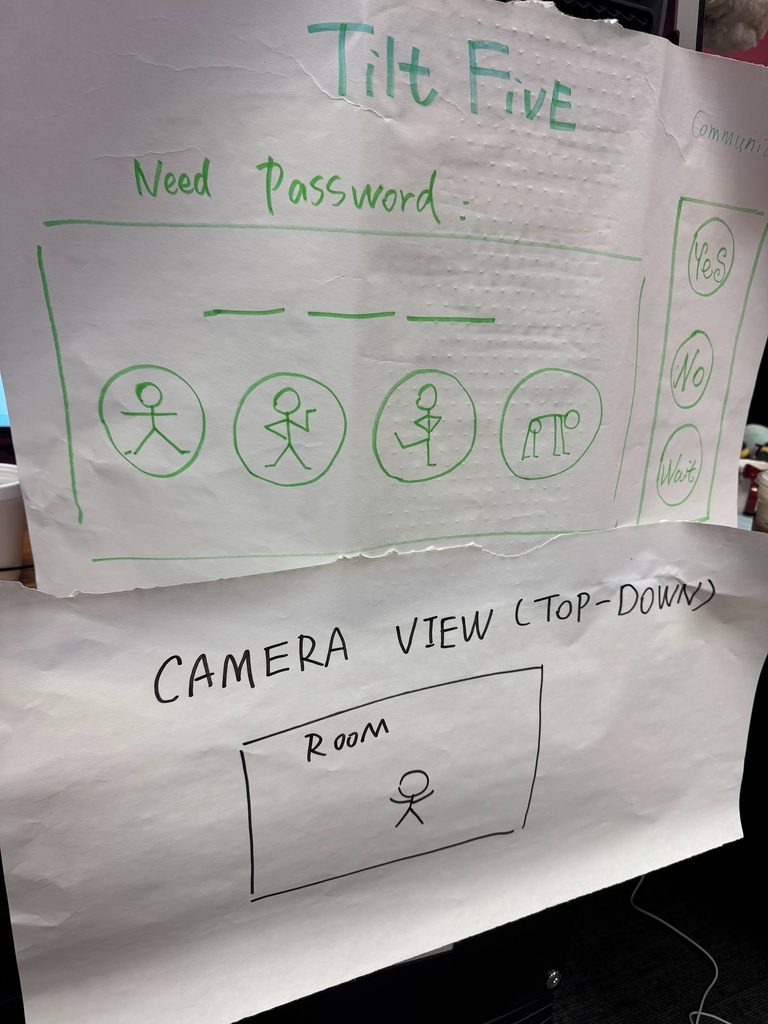
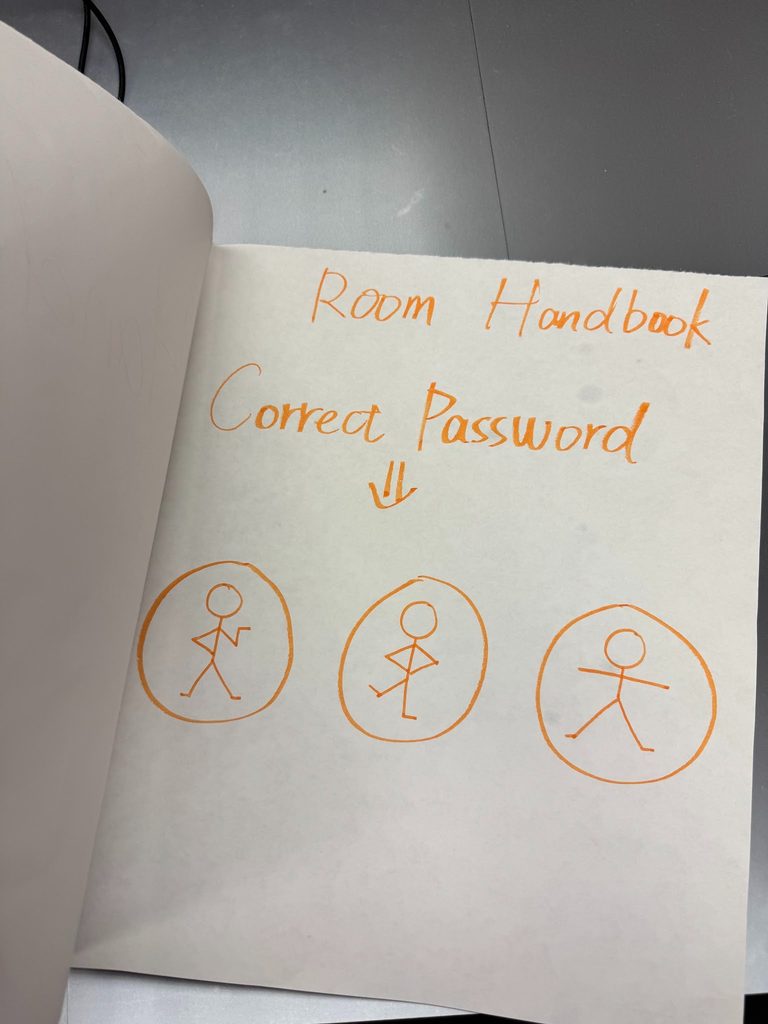
To prepare for quarters, we made paper prototypes and walked through the puzzles with two people, one acting as the Tilt Five side and the other as the room side. We used paper versions of the Tilt Five interface and the room handbook to step through the interaction.
Narrative
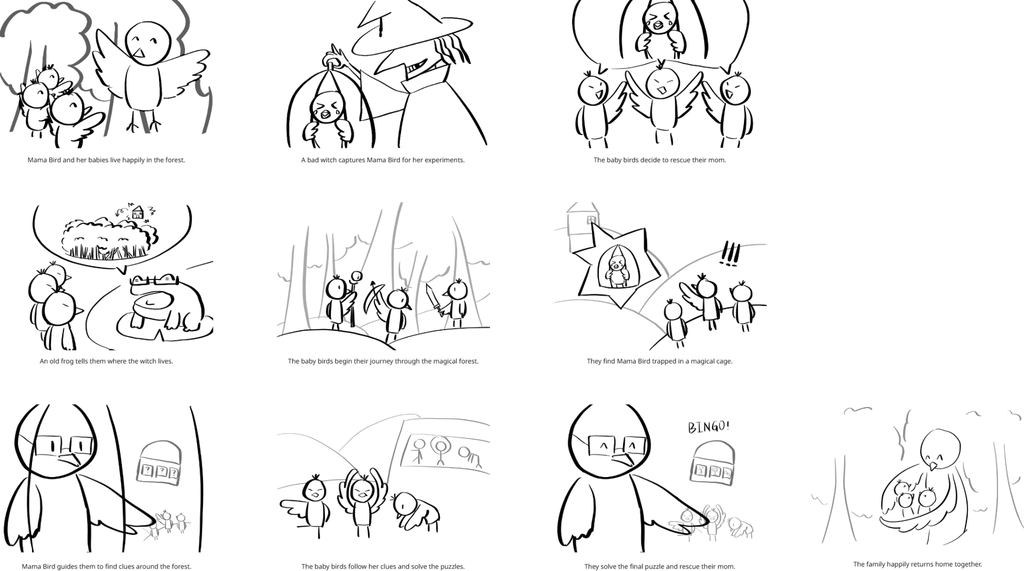
We also put together a storyboard for our rescue story.
Tech Set Up
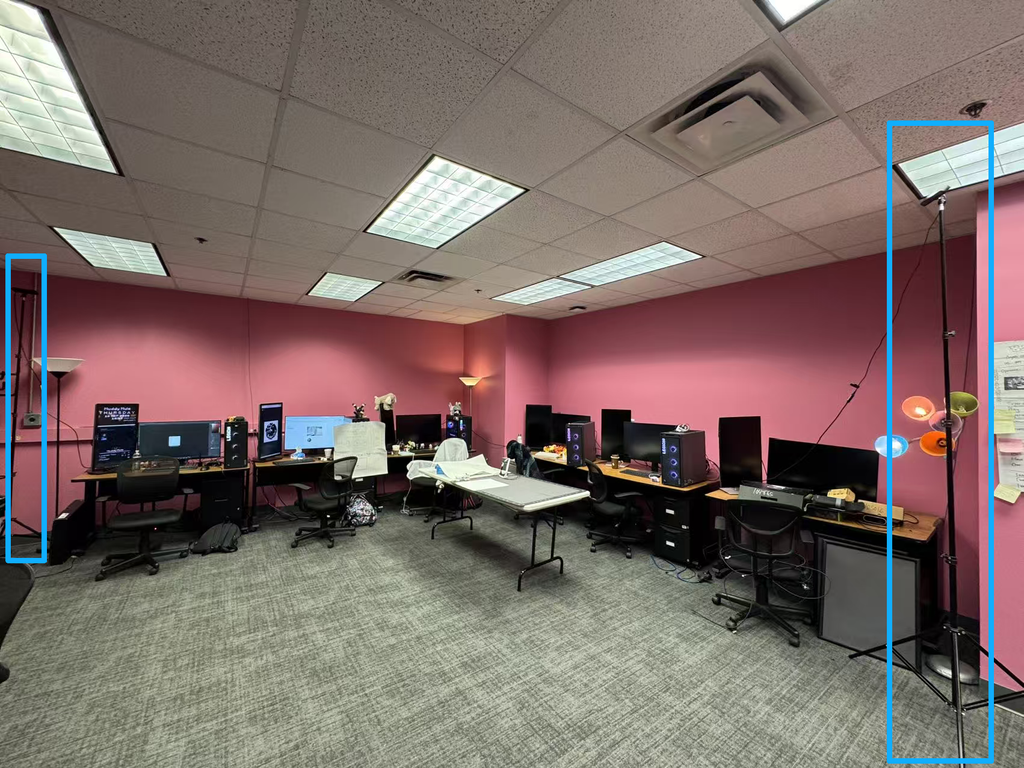
We got one more camera and mounted both cameras on tripods in two corners of the room. This gave us a setup to test how the room could be shown to the Tilt Five player.
The Room on Tilt Five
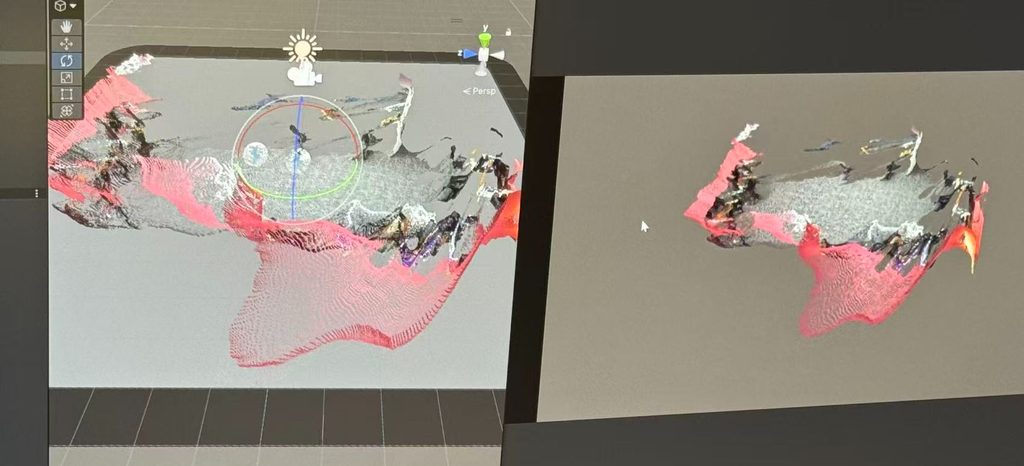
We also tried displaying point-cloud data on Tilt Five. This shows the captured room as a collection of 3D points. The images below show our test on the computer and through the Tilt Five glasses. We’re requesting more cameras to get a clearer view.
Art and Visuals
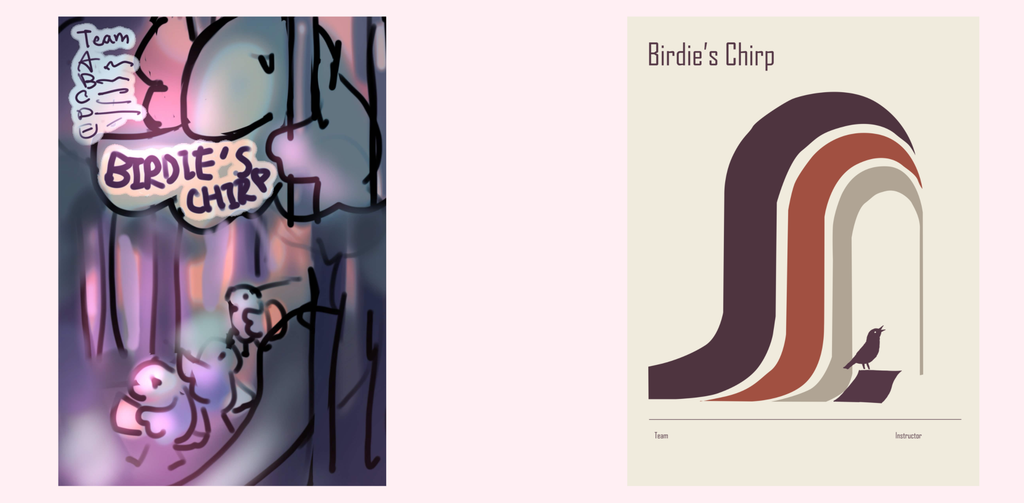
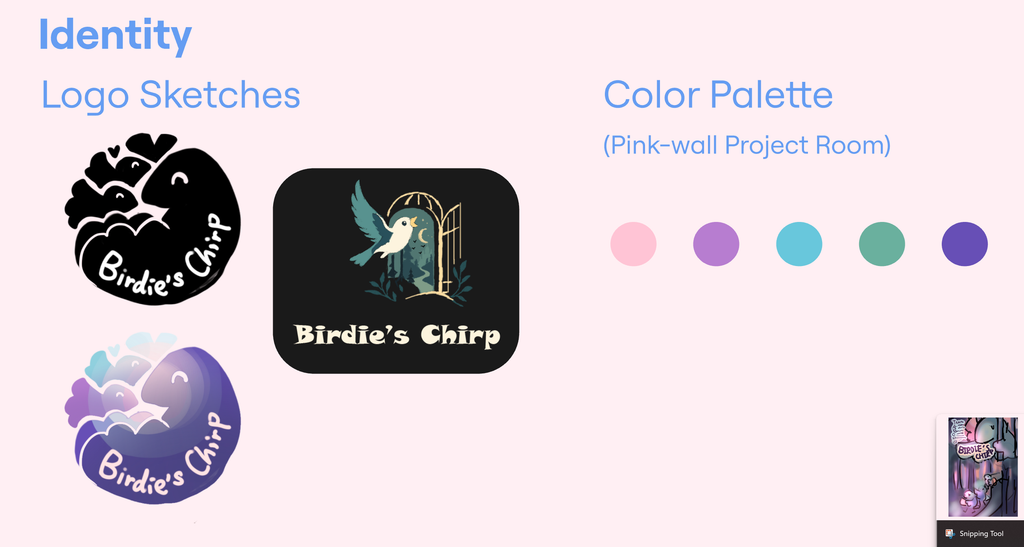
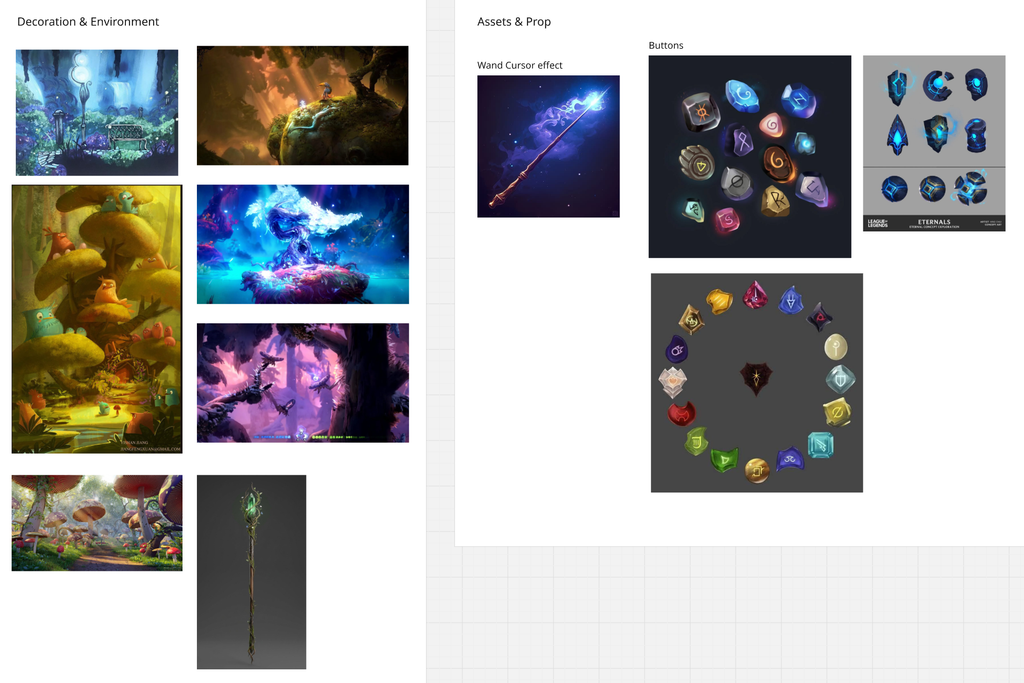
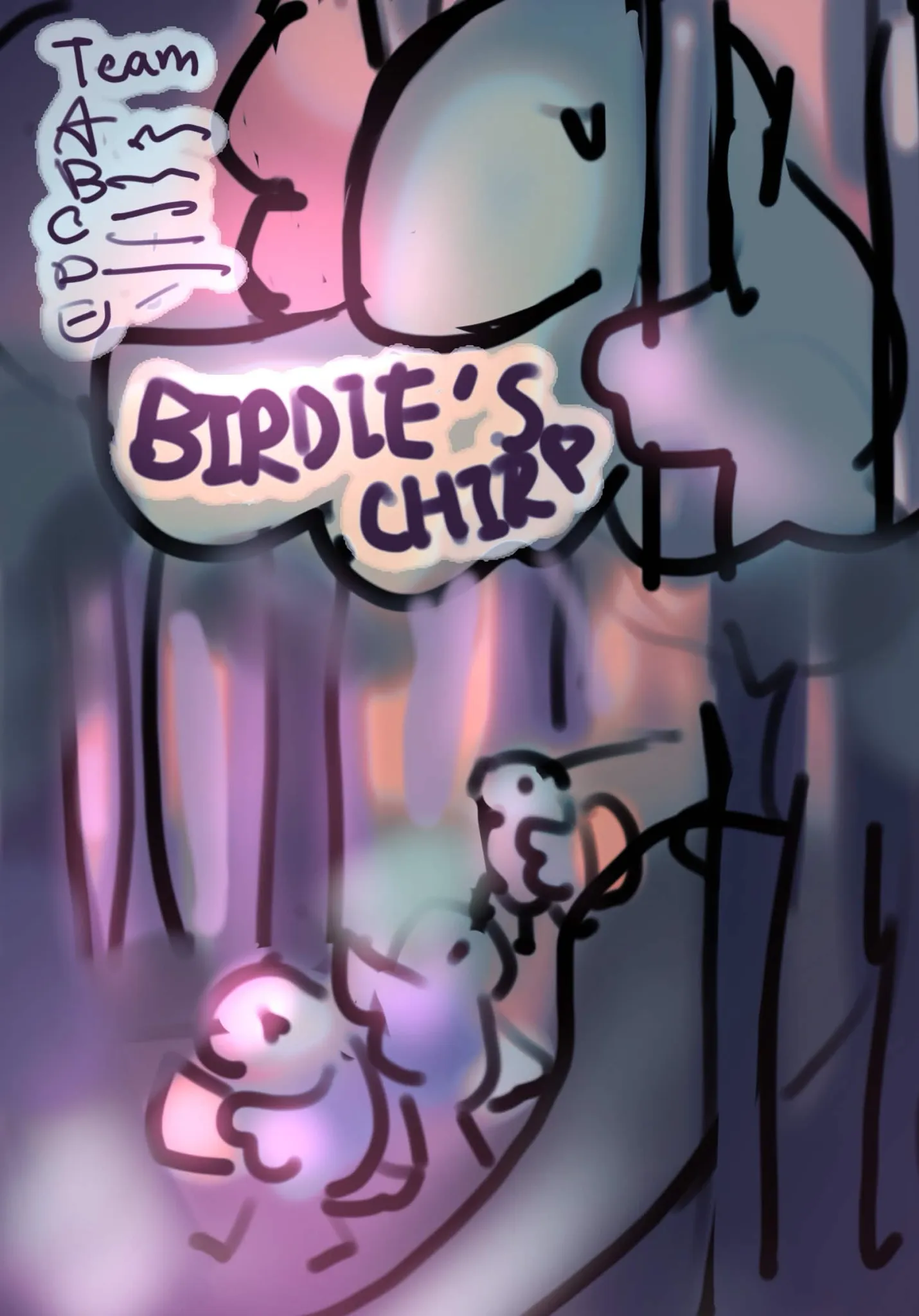
We also come up with different ideas for posters logos. We also updated our reference image.
This week, we spent more time on puzzle ideas and how the two rooms could interact. We also started looking at how the puzzles, story, and tech fit together. Some of our early ideas brought up questions we still need to work through.
What We Worked On
Explored puzzle ideas and different ways the two rooms could communicate.
Talked about how to connect the puzzles with our story.
Worked on a three-minute elevator pitch for our quarters presentati
Trying Out Puzzle Ideas
We’re continuing with the same setup: one player on Tilt Five and several players in a separate room. This week, we explored pose sequences, color and animal puzzles, and a treasure-map puzzle where the Tilt Five player would use directional buttons to guide the room players.
One thing our instructor pointed out is that our story, puzzles, and tech still feel separate. The story works with the overall setup, but we haven’t figured out how the puzzles should look or how they belong in that world. That also makes it harder to explain the whole experience to someone else.
We also noticed a problem with the directional puzzle: one person in the room could do it on their own, leaving the others with nothing to do. We may need to rethink that kind of puzzle so everyone has a reason to take part.
Who Are We Designing For
We also talked about who we want to design for. Having kids at the festival doesn’t automatically mean we need to make every puzzle easier. We can choose the audience we want to focus on.
The same goes for group size. Trying to make every puzzle work for anywhere from one to four room players is putting a lot of limits on us this early. One option is to design for four players and use a sign-up sheet at the festival. We haven’t settled on that yet, but it gives us more room to explore.
Communication Between 2 Rooms
Tilt 5 to Room
The Tilt 5 person completes all their interactions with virtual objects in gameon the Tilt 5
Core Interaction
Tilt 5 sends:
Room gets feedback:
Tech Difficulty:
Trigger speakers in the room
“Dog Buttions”: basics
Simple words: Yes, No, Wait…
Low
“Dog Buttions”: directional
Left, Right, Front, Back…
Low
Trigger lights in the room
Turn on specific lights
See specific lights and the things they point to
Medium
Communicate with PCs in the room
Create image with shapes, send image
See the image with shapes on a computer screen
Medium
Room to Tilt 5
Mostly based on the camera view; can also include input (arduino/adaptive controllers)
Core Interaction
Room sends:
Tilt 5 gets feedback:
Tech Difficulty:
Body Language/Physical Performance
Body Language to the camera
Static poses, charades, & their sequence information
Low
Show colors/objects to the camera
colors /objects & their sequence information
Low
Button Input
Push/Hold specific buttons
Trigger effects in game
Medium
Tech
For the tech side, our main focus is getting the Orbbec camera mounted stably on the ceiling. We also need to test the camera and make sure its captures are clear and usable for the TiltFive player. This will help us understand how well the room can be observed from the T5 side and what kinds of interactions we can build around the camera
Art
This week, we’re gathering references for our art mood board and brainstorming a few poster and logo ideas. We’re also exploring how the puzzles could look so they fit into the world of the mama bird, her babies, and the witch. Alongside that, we’re setting up the website and discussing its theme, colors, and overall style. We’re still trying out different ideas to see what feels right for our project.
For our first week, we spent some time getting to know each other and figuring out what we wanted to make. We met with our advisors, talked through some early ideas, and joined the playtest workshop.
Goals For This Week
Meet with our advisors, Vivian and Scott.
Explore the initial design and its technical needs.
Organize the equipment we would need.
Participate in the playtest workshop and develop our ideas.
Exploring Our Direction
Our advisors were pretty open about what we could do. They suggested having one player use Tilt Five while the others play in a separate escape room. We decided to go with this format and explore it as a co-op game.
The idea is that each side has different information, so everyone needs to work together to solve the puzzles. We also want to explore nonverbal communication as a big part of the experience
Brainstorming
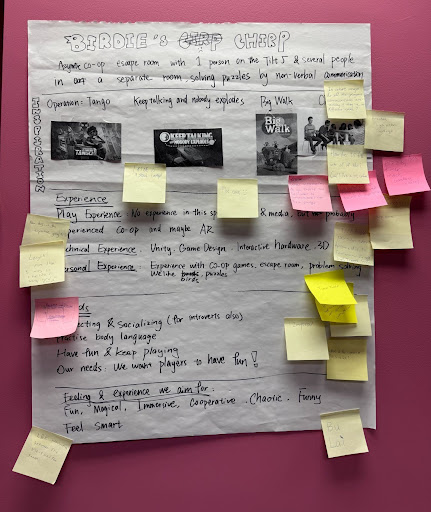
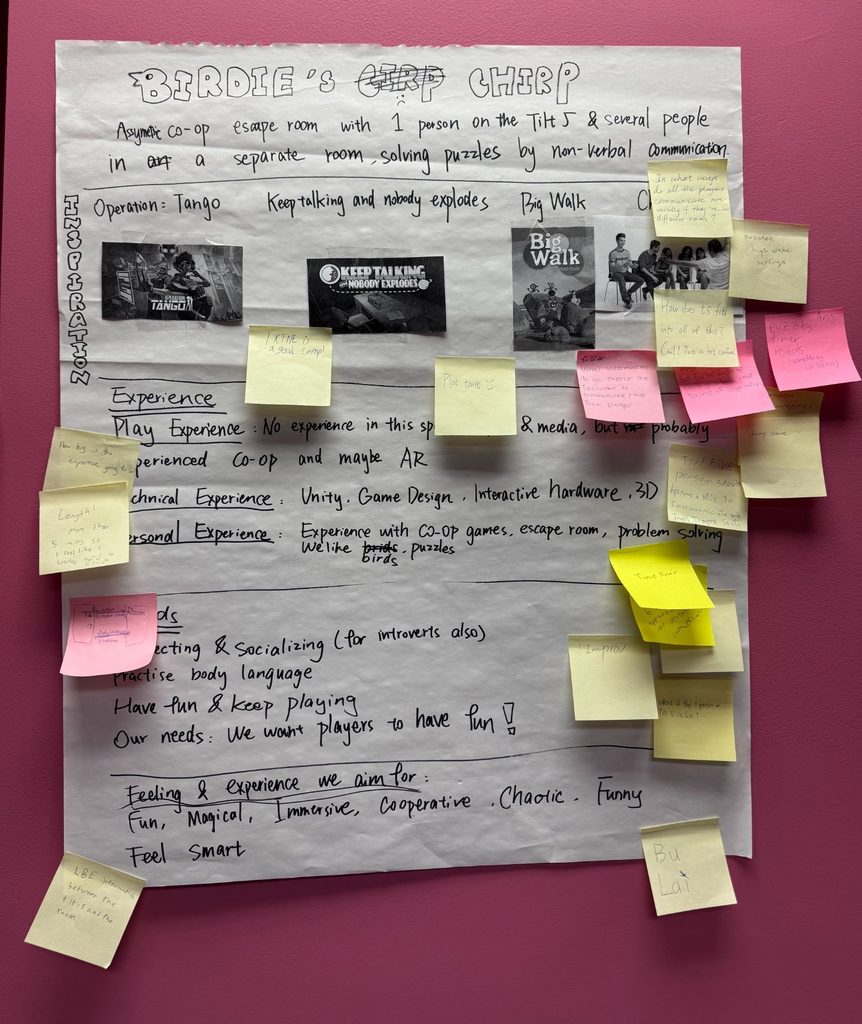
We brought our early ideas to the playtest workshop and put them together on a concept board. It was a chance to talk through what we had so far and think more about the experience we wanted to create.
Design and References
Here are some of the reference we have found for our project
Right now, we’re thinking about having the Tilt Five player press virtual buttons to trigger sounds or lights in the room. The players in the room would communicate back through body language and their actions in front of a camera.
We’re still figuring out the details, especially how these interactions will fit into the actual puzzles.
Tech
We spent the week waiting for our Tilt Five equipment and an Orbbec camera. We also put together a list of what we’d need for the setup, including at least one Bluetooth speaker.
We could add things like Arduino later, depending on what the puzzles need.
Art
We haven’t settled on the theme or story yet, but a magical forest is one direction we’re thinking about. For now, it’s still an early idea.