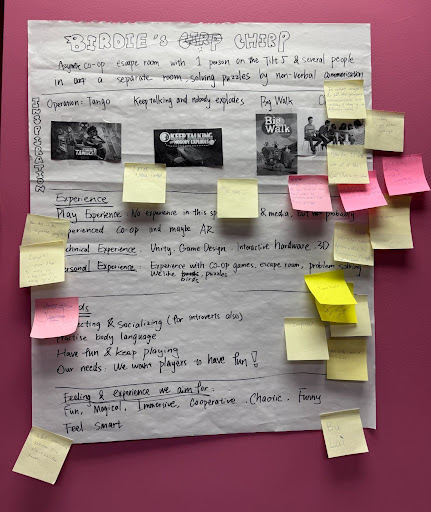
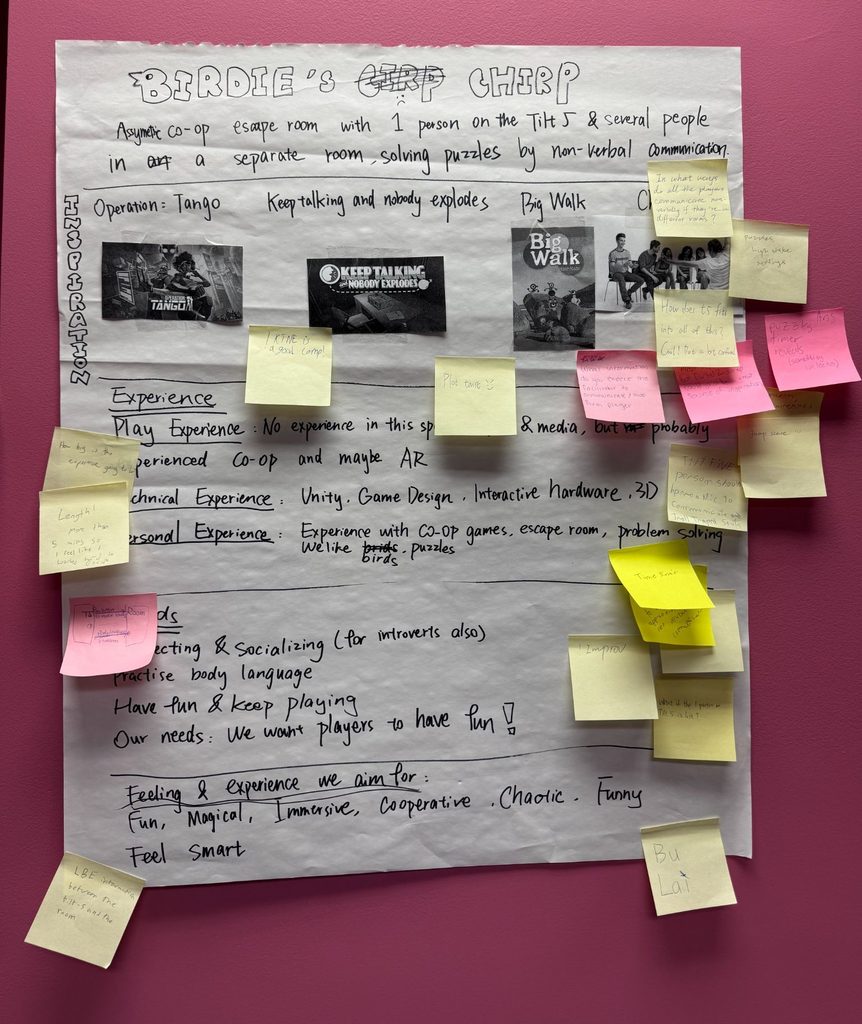
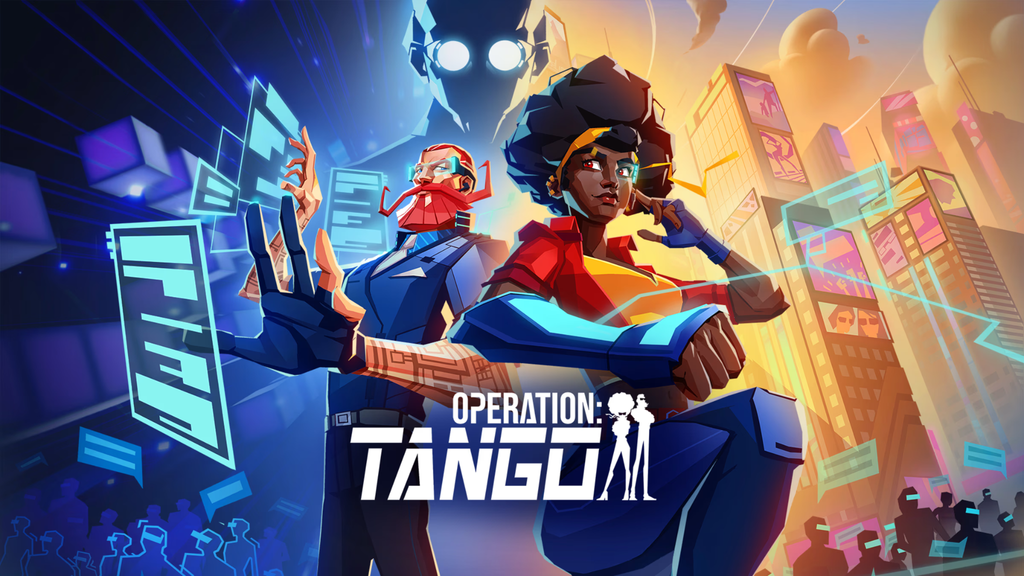
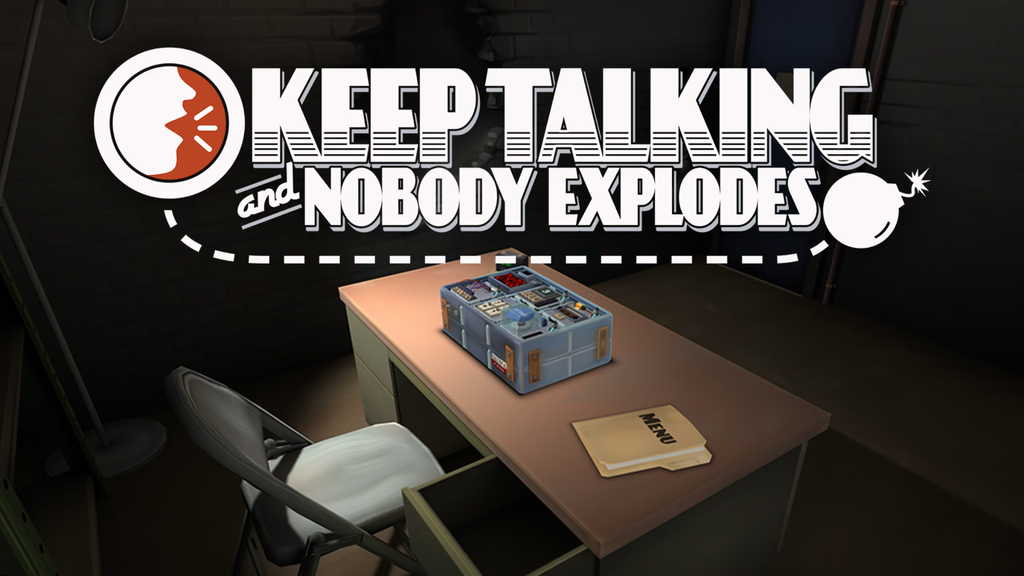
Category: Uncategorized

  • Week 7

    We keep preparing for halves while developing the games at the same time to prepare for our playthrough. 

    Leading up to the presentation, we met with our instructors to review our slides, discuss our progress, and prepare to communicate our design decisions. We focused on explaining how our technical experiments and playtesting findings shaped the direction of our project.

    During Halves, we shared our transition from point-cloud rendering to body tracking, as well as our shift from linear puzzles toward shorter, more interactive mini-games. We also discussed a key finding from our playtests: the Tilt Five player often dominated the experience, leaving the room players with little to do. This led us to explore mechanics involving simultaneous participation and real-time physical interaction.

    Feedback and Reflections

    Overall, we received positive feedback on our technical progress, problem-solving, and willingness to iterate. Reviewers appreciated our exploration of different approaches and the foundation we had established.

    However, several reviewers felt that our gameplay was still unclear and wanted to see more concrete demonstrations. Another recurring concern was the limited agency of the room players. We were encouraged to explore stronger two-way communication, clearer audiovisual feedback, and interactions that better highlight Tilt Five’s unique capabilities.

    Friday Playthrough

    During Friday’s playthrough, we demonstrated two prototype mechanics:

    Balancing: The virtual floor tilts based on the room players’ positions. The Tilt Five player communicates the floor’s movement while the room players adjust their positions to maintain balance.

    Hiding: A ghost periodically creates dangerous areas. The Tilt Five player guides the room players behind obstacles that exist in both the physical and virtual spaces.

    The feedback identified several issues with the current prototypes.

    For balancing, the constant instability and single-axis rotation made the interaction repetitive. Reviewers suggested allowing players to reach a stable state before introducing disruptions and giving room players more information and control over the balance.

    For hiding, the interest curve was relatively flat, with limited variation between rounds. Reviewers also suggested clearer wayfinding and more immediate feedback on individual player states.

    A common issue across both mechanics was the lack of meaningful two-way communication. Room players still relied heavily on the Tilt Five player’s instructions, with limited opportunities to make decisions or communicate useful information back.

    Next Steps

    For the next iteration, we will focus on improving the following areas:

    • Player agency: Give room players more meaningful decisions and opportunities to influence the game state.
    • Communication: Support continuous, two-way information exchange through clearer spatial references and feedback.
    • Gameplay pacing: Introduce more variation in challenges, including periods of stability and escalating disruptions.
    • Feedback: Improve audiovisual responses so players can immediately recognize changes in game state and individual outcomes.

    We will continue prototyping and playtesting these mechanics, aiming to deliver two playable mini-games for Playtest Day and three polished experiences for Fall Festival.
  • Week 6

    Preparing for halves, we made a slide structure. From our instructor meeting, we improved it by organizing it into 3 parts: Tech, Visual Design, and Game Design. We decided to talk about how each part has iterated and what we decided as our current direction.

    For design, we wish to utilize the room more, and work with our constraints, mostly for form, time, and number of people. Our advisors suggest that we shift to only having 3 people in the room, which would reduce the design constraints.

    We also got a new idea of using Code names’ rule, because it fits with our gridded format.

    During the meeting with our faculty consultant, Dave, we shared the difficulty we are currently experiencing:

    • Asymmetric across the platform; room people don’t have feedback
    • Experience need to be short and easy to understand for the festival

    Dave saw the markers for calibration and suggested also using track markers for potential game items, which is something we could explore based on needed mechanics. 

    Sharing our game ideas with Dave, he suggests we focus on building the feeling of discovery as the gameplay. For example, for a ghost-fighting game, the main moment can be finding the ghost, rather than repeated actions to fight. We can let our designs focus on small moments of discovery. He suggests thinking about Verbs for 2 parties

    • AR: Know Directions and location; guiding and helping find
    • Room: Finding shape, positions, learning and sharing physical information, physical interaction

    We also need to watch for turn-based experiences that go back and forth, and look for more overlapped experiences for both parties. For example, something involving reading would be slower, requiring the other party to wait. We need to design pacing of the things communicated

    In addition, he also talked about using Lightweight server to track skeleton data and open source tracking servers.

    Moving on, we keep developing game ideas focusing on these aspects.

  • Week 5

    Week 5

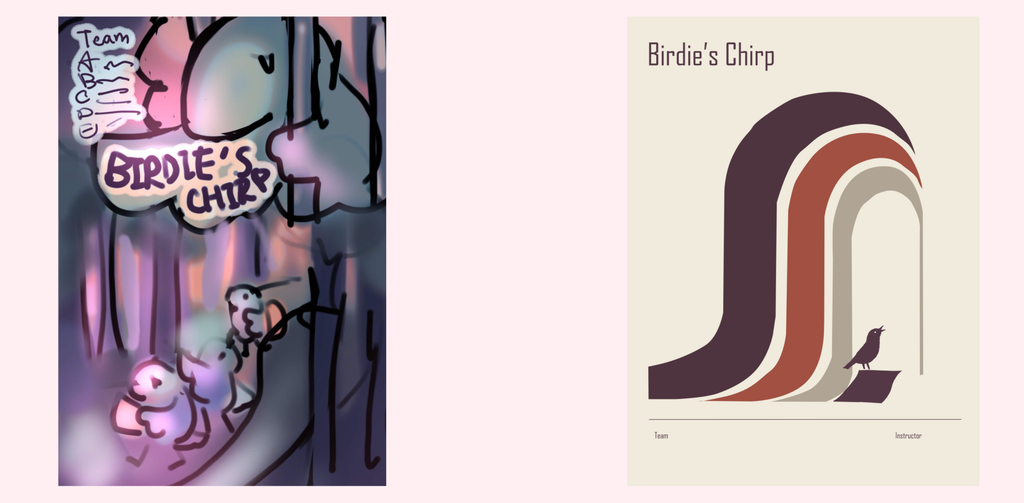
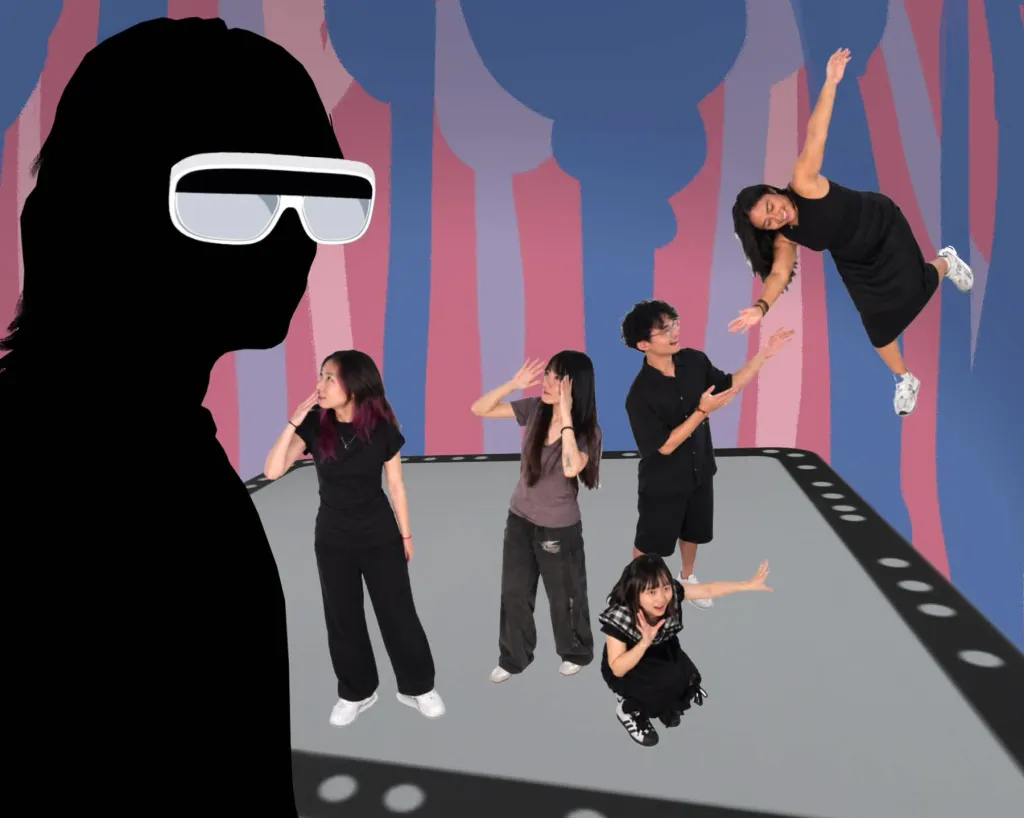
    This week, we finalized our team photo:

    During meeting we discussed:

    • Party game ideas
    • Tech
    • Concept art
    • 1-sentence project description

    For design, we did physical playtests on three games: passing a ball, ghost hunting, and bomb defusal.

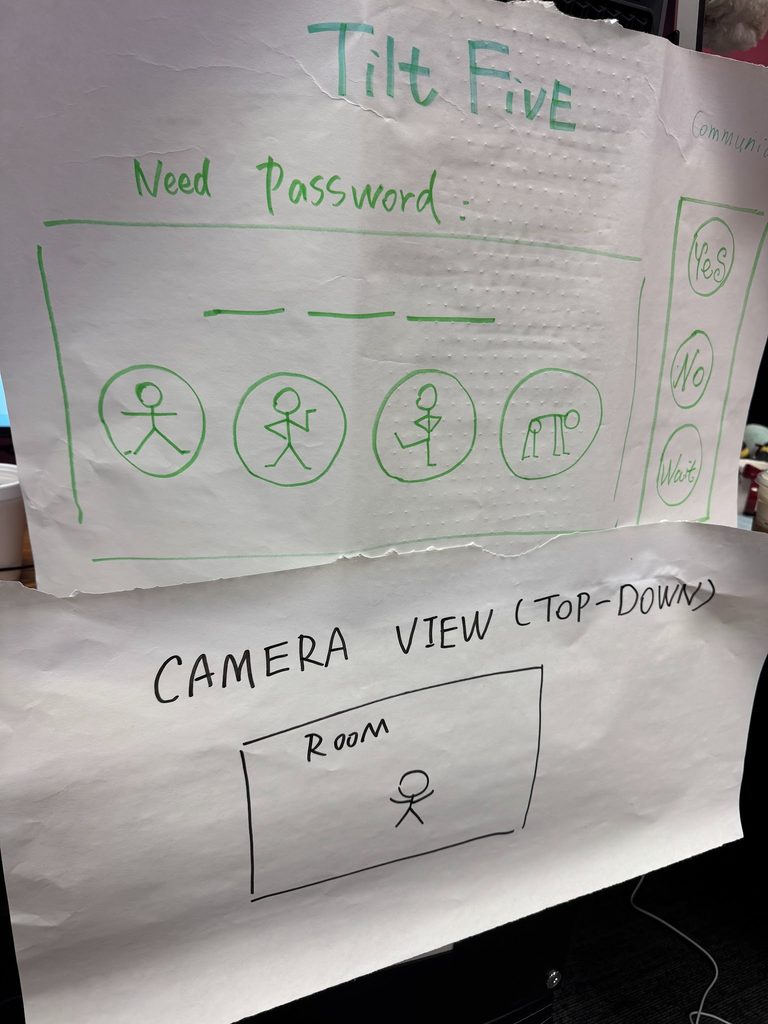
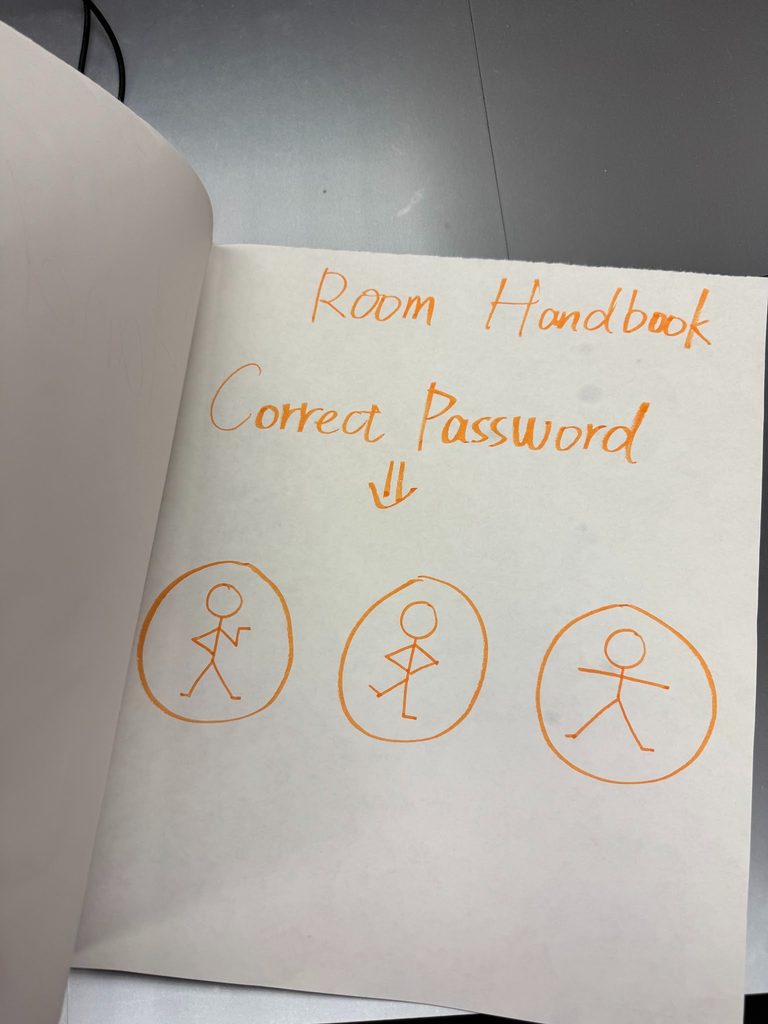
    Even without tech, we hope to use a simple 2D camera, a screen, and paper to playtest some prototypes. These are the puzzle ideas we selected to do playtests.

    Following the feedback from Quarters, we made the T5 player the main information sharer in these games. The basic format became: the T5 player tells the room players what to do, and the room players follow the instructions. However, this made the room players feel bored and aimless. They could only learn a limited amount of background information without being spoiled, so they mostly had to wait for instructions from the T5 player.

    As a result, the current dynamic feels more like the T5 player is the “real” player with most of the information, while the room players function more like characters being controlled by the T5 player. This makes the experience less engaging for the room players.

    Problems We Observed

    • Instructions are understood too quickly. When communication is clear, room players can quickly understand what they are supposed to do and then become bored.
    • The games feel too similar. Although the games have different themes, the room players are mostly doing the same thing: moving to specific positions based on the T5 player’s instructions. They often do not understand why they are doing it.
    • There is little feedback. Room players do not receive enough feedback or information from their actions, so their actions do not feel meaningful.
    • There is limited physical interaction. In the current prototypes, room players rarely interact with the physical environment in meaningful ways.

    New Direction

    Instead of making the T5 player the main source of information, we want to give room players more information and create an information gap between the two sides. The goal is to use this information asymmetry to encourage communication, rather than relying on increasingly complex interactions to engage both sides.

    We want room players to have a clearer goal: finding information in the physical space, and sharing that information to make progress. We still believe puzzle-based games are a good fit for this direction because they naturally create opportunities for players to observe, communicate, interpret information, and make decisions together.

    For now, we do not plan to change the overall experience structure. We will still have three separate, parallel party games, but we may redesign two of them to focus more strongly on information-based puzzles and asymmetric information.

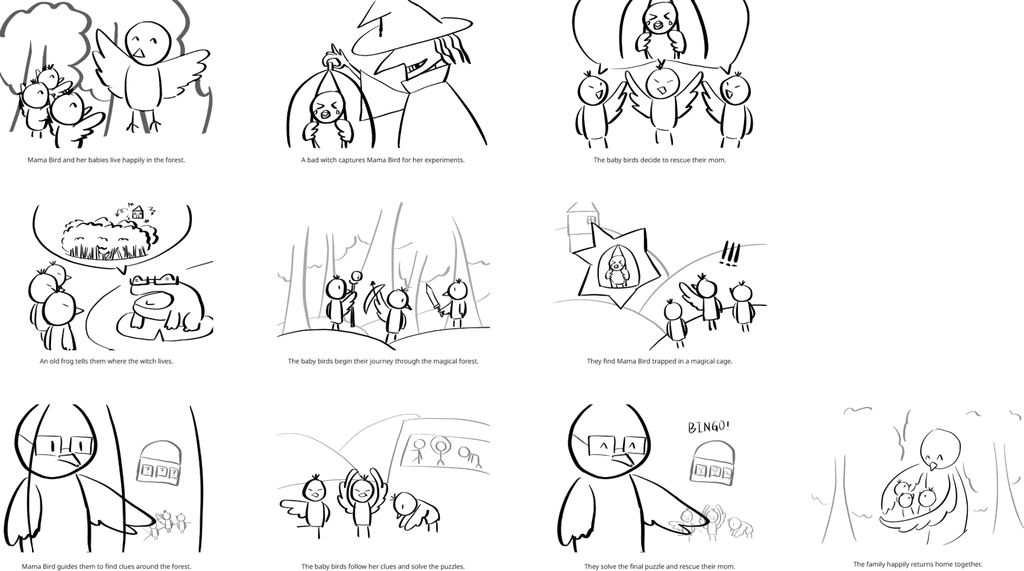
    In terms of theming, we are still using birds and magical forests, because magic can explain a lot of mechanics naturally. 

    For tech, we are now working with the sync ups, trying to use multiple cameras for the body tracking.

    Finalized description for website and half-sheet:

    Birdie’s Chirp is a series of asymmetric co-op games where players in a room work with a Tilt5 player in a separate room, sharing information to solve challenges.

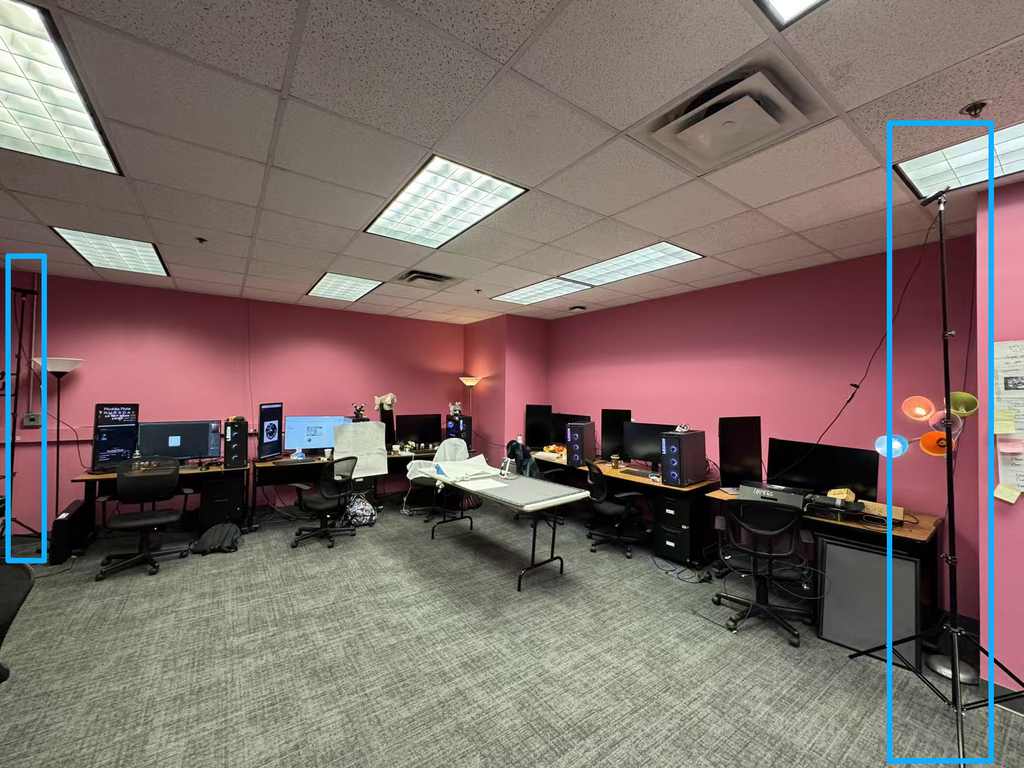
    The project explores cross-platform communication through different perspectives of the same space, a magical forest setting. The room players’ movements are tracked through synced Orbbec 3D cameras and reflected in the Tilt5’s virtual bird’s-eye view, allowing the Tilt5 player to see and cooperate with the players from a different perspective.

    The magical forest setting and cute character emphasize the Warmth of Cooperation and Vivid Interactivity at the heart of the experience.

  • Week 4

    Week 4

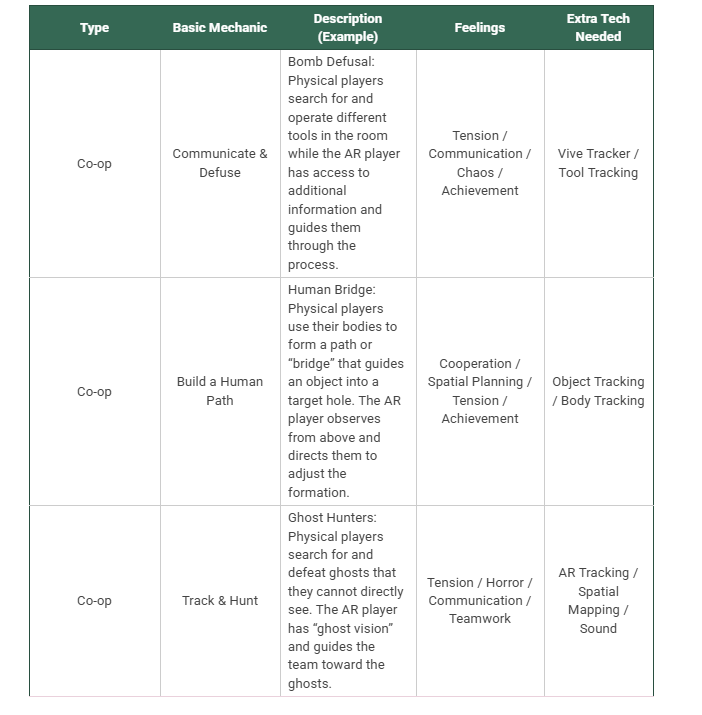
    Reshaping our experience, this week we focused on brainstorming party game ideas, as well as working with body tracking tech.

    Filling the sheet with ideas, we finally decided on our top 3:

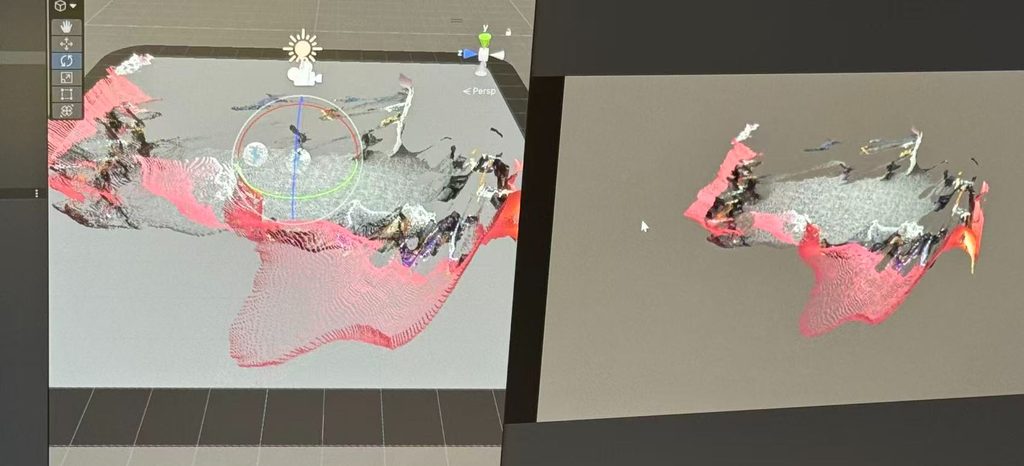
    We also tried to work with the orbbec camera again to get body tracking working, but it was really weird and funky – for things the camera can’t see, characters’ limbs would keep glitching, and it also cannot distinguish from different people if they overlap once. We are requesting sync-up chords to use 2 cameras at the same time. If that couldn’t fix body tracking, we might have to work around it and just use players’ position and direction.

    While working with design ideas, we also thought of using vive trackers to track objects instead of just people, that could also be a possible way to distinguish between the players.

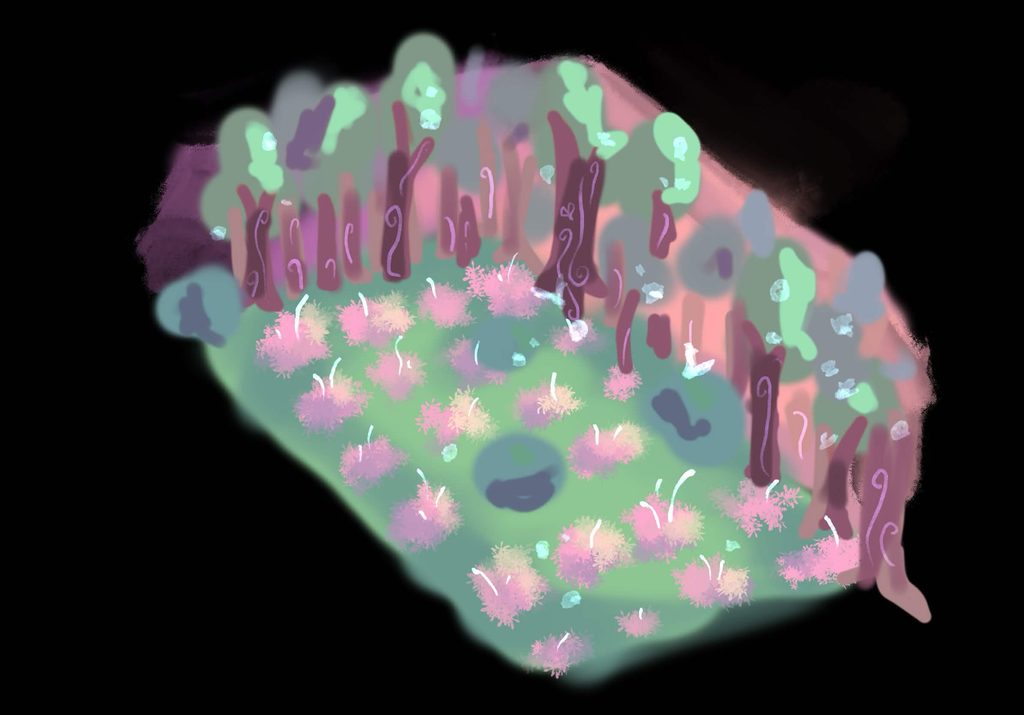
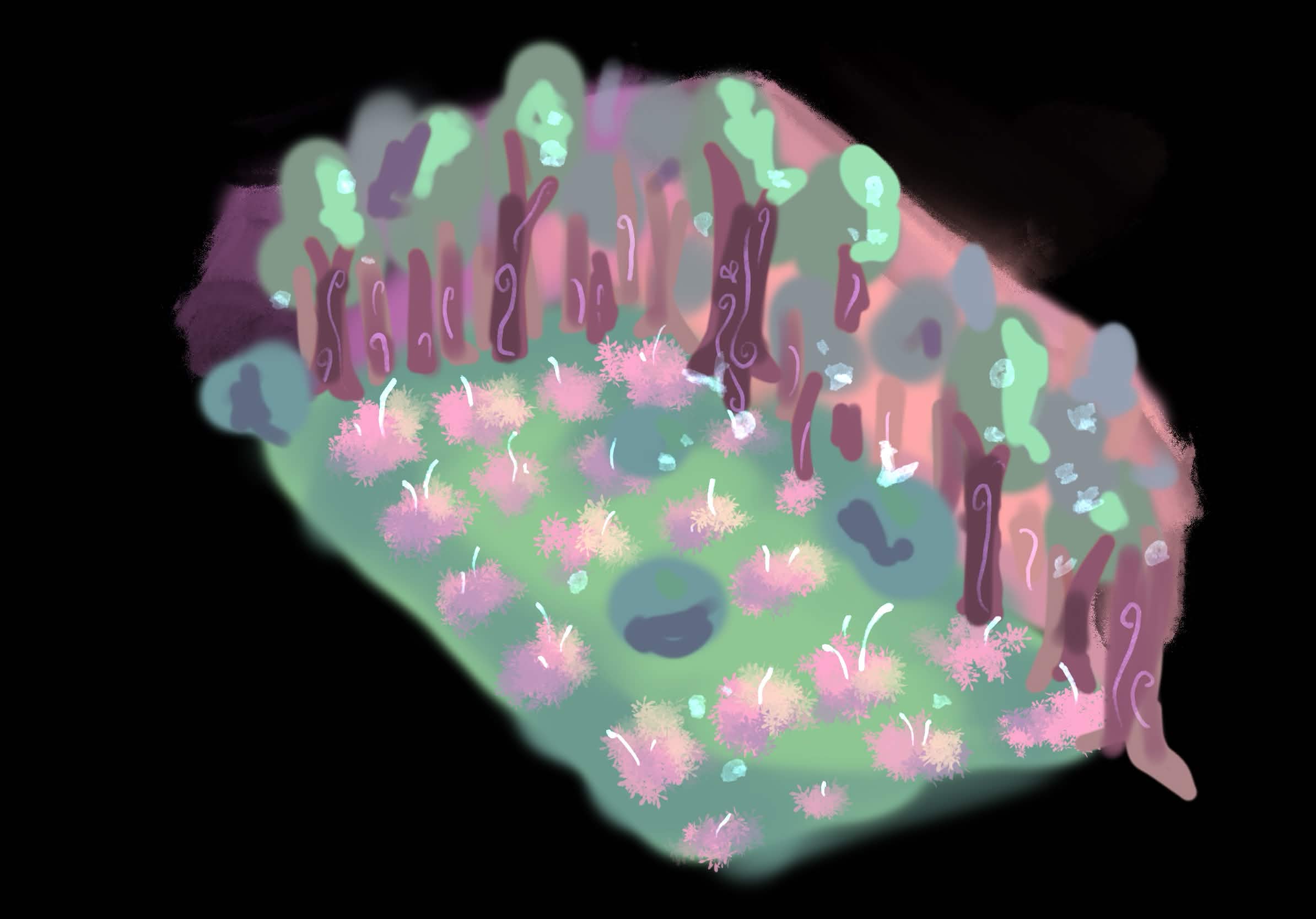
    On the other hand, we made a simple concept art of what we imagine the virtual scene is gonna be like. The gridded flowers are there because we will probably have grids in the room for the game, we want that to be reflected by the virtual thing as well.

  • Week 3

    Week 3

    Quarters

    Goals for This Week

    Getting Ready for Quarters

    Narrative

    Tech Set Up

    The Room on Tilt Five

    Art and Visuals

  • Week 2

    Week 2

    Connecting the Pieces

    What We Worked On

    Trying Out Puzzle Ideas

    Who Are We Designing For

    Communication Between 2 Rooms

    Tech

    Art

  • Week 1

    Week 1

    Finding Our Direction

    Goals For This Week

    Exploring Our Direction

    Brainstorming

    Design and References

    Tech

    Art