

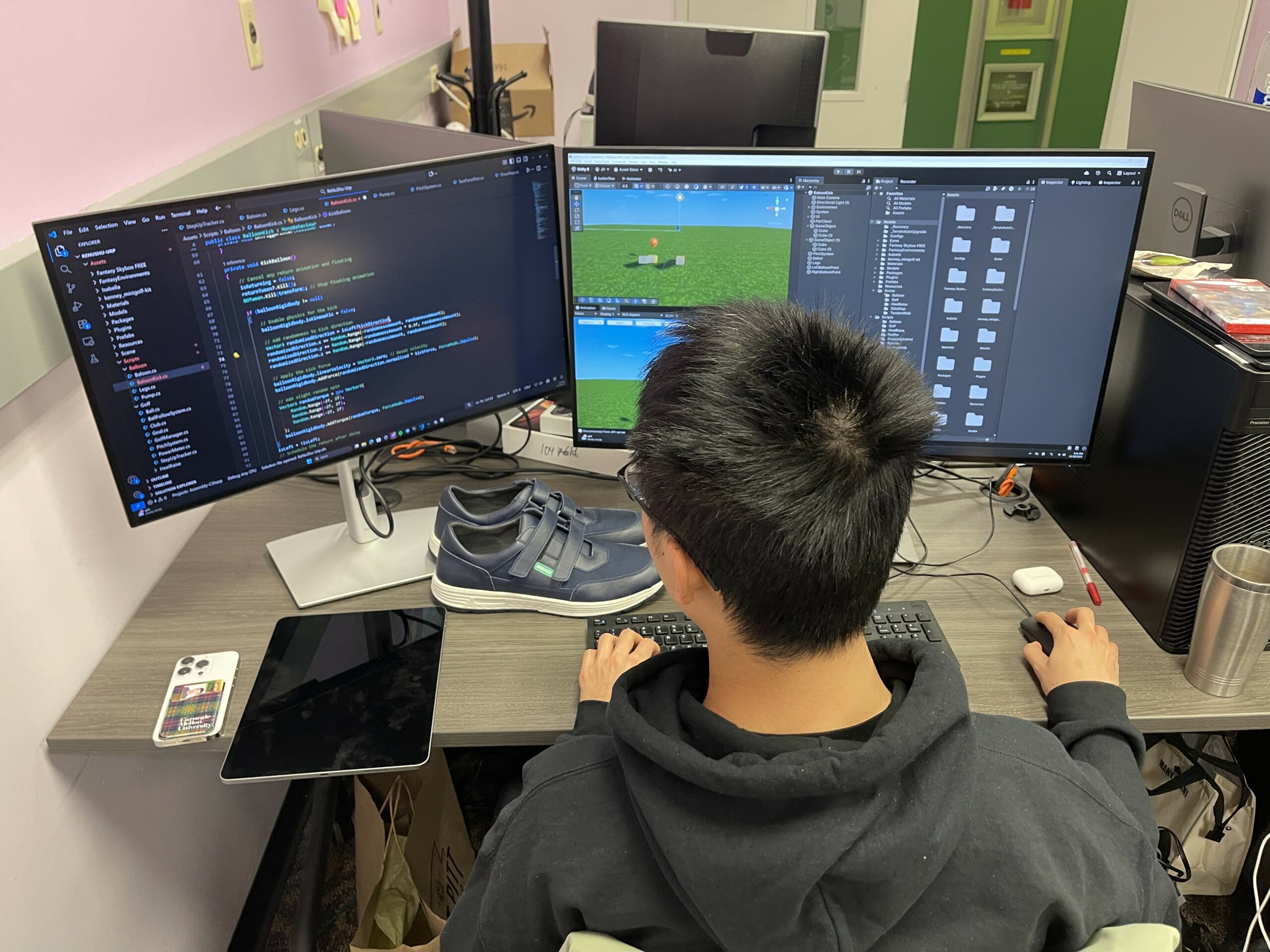
From Design Direction to Clinical Readiness
Week 12 marked a meaningful shift for ReNUSHU—from refining internal design philosophy to preparing for our first real clinical playtest. After weeks of iteration and consolidation, this was the moment where the project began to step outside the studio and into a real therapeutic context.
Aligning With Clinical Reality
In conversation with our partner clinic, NeuroAxis Rehab, we clarified an important distinction in how ReNUSHU should be used:
While the long-term vision includes both in-clinic and at-home use, the team agreed that meaningful home deployment requires additional safety validation. At present, many interactions still ask patients to look at a screen while moving, which is more appropriate for supervised clinical environments.
As a result, the clinic setting became our first and most responsible point of entry—allowing us to test the system under professional supervision and observe how patients naturally engage with the experience.
Confirming a Real Patient Playtest
One of the most important outcomes this week was confirming a clinical playtest date.
NeuroAxis Rehab expressed strong interest in helping us test with a real patient and agreed that testing in their clinic environment—rather than asking patients to travel to CMU—would be more realistic and respectful of patient needs. This reinforced a key lesson for the team: designing for rehabilitation also means designing around real-world logistics and human behavior.
We officially confirmed December 1 as the playtest date, pending standard administrative checks. This decision grounded the project in a tangible, real-world milestone—not as a presentation, but as an opportunity to learn directly from clinical use.
Designing for Portability and Context
Preparing for a clinic-based test also shifted how we think about the system itself.
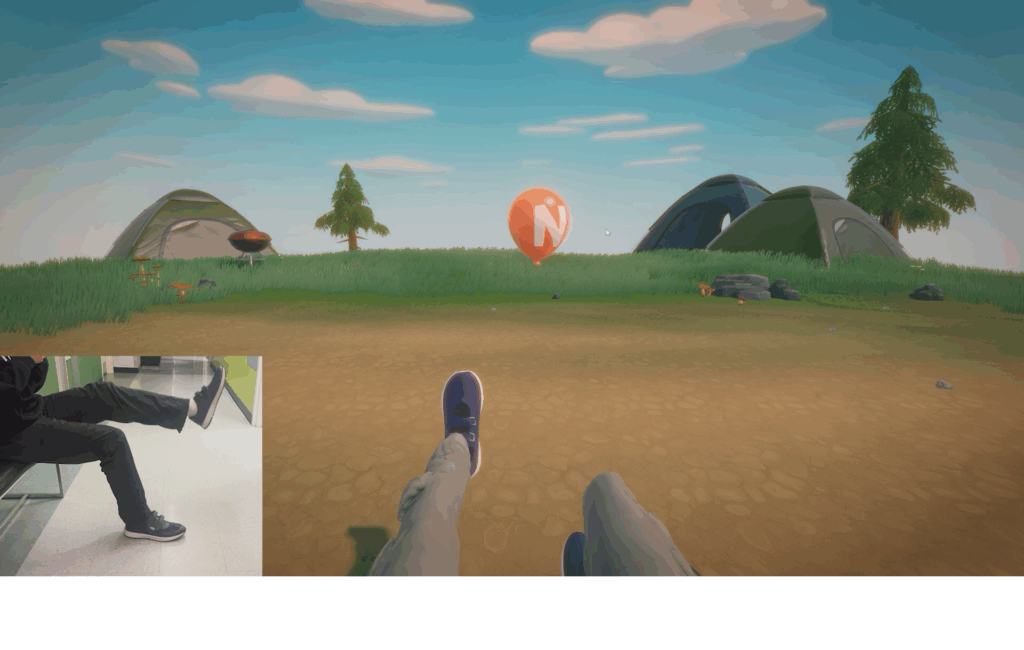
Rather than assuming a fixed installation, the team began treating ReNUSHU as a portable setup—one that could be carried into a clinic, assembled quickly, and adapted to the available space. This perspective aligned closely with NeuroAxis Rehab’s own model, where a significant portion of therapy happens in patients’ homes.
Portability, ease of setup, and clarity of interaction are no longer “nice-to-haves,” but core design constraints that shape the experience.
Being Seen by Others
As external collaboration becomes more concrete, faculty advisors emphasized the importance of documentation and transparency. Outreach efforts, PT contacts, and collaboration history are now part of the project’s public-facing footprint, not just internal notes.
Similarly, discussions around naming, cutscene structure, and overall presentation highlighted that ReNUSHU is no longer just a collection of mini-games. It is becoming a cohesive experience—one that others will reference, evaluate, and potentially adopt.
A Week About Responsibility
Week 12 was not about adding features or expanding mechanics. It was about readiness.
Preparing for a clinical playtest forced the team to slow down, align with real constraints, and take responsibility for how the system will be encountered by patients and therapists alike. It reaffirmed a core belief that has guided ReNUSHU’s recent decisions:
Designing for rehabilitation means designing with people, spaces, and safety in mind—not just mechanics.
As we move toward our first clinical test, ReNUSHU continues to refine what it means to transform therapy into something engaging, respectful, and grounded in real practice.
From rehab to play, and from play to progress.
Comments are closed