
Snow, Screens, and Quarters
The start of week three was chilly- literally. A snowstorm over the weekend forced us to hold our Monday instructor meeting over Zoom instead of in person. Because of limited time and the lack of access to physical resources, we presented our concepts primarily as one-liners, briefly outlining each story and direction. Had we been able to meet in the ETC building, we would have presented our storyboards and visuals in a more developed way.
By the end of that meeting, we identified a clear set of tasks for each team member, with the goal of having something tangible to build or show during Quarters. These tasks included identifying potential AI models and APIs, researching hardware integration options (such as telephones and Arduino), preparing a TouchDesigner demo, drafting an initial software workflow diagram, and developing an early narrative framework for the performance.
Our Quarters took place on January 28th, 2026, from 3:00 PM to 5:00 PM. In preparation, we gathered visual materials and references to help clearly communicate our ideas and research. At this stage, our concept was still broad, but we structured the room into distinct sections: narrative development, hardware research, AI models and software workflow, and a TouchDesigner demo.
Quarters went surprisingly well. We had approximately eight instructor groups stop by our room, varying in size. Each session lasted around 20 minutes, with about five minutes dedicated to our presentation and the remaining time focused on questions, feedback, critique, and suggestions. Overall, the team felt encouraged by the engagement and responses we received.
For the remainder of the week, we took concrete next steps, including initiating requests for AI API access, refining an initial narrative direction, and researching the various backstage roles involved in theatrical productions to better inform our design thinking.
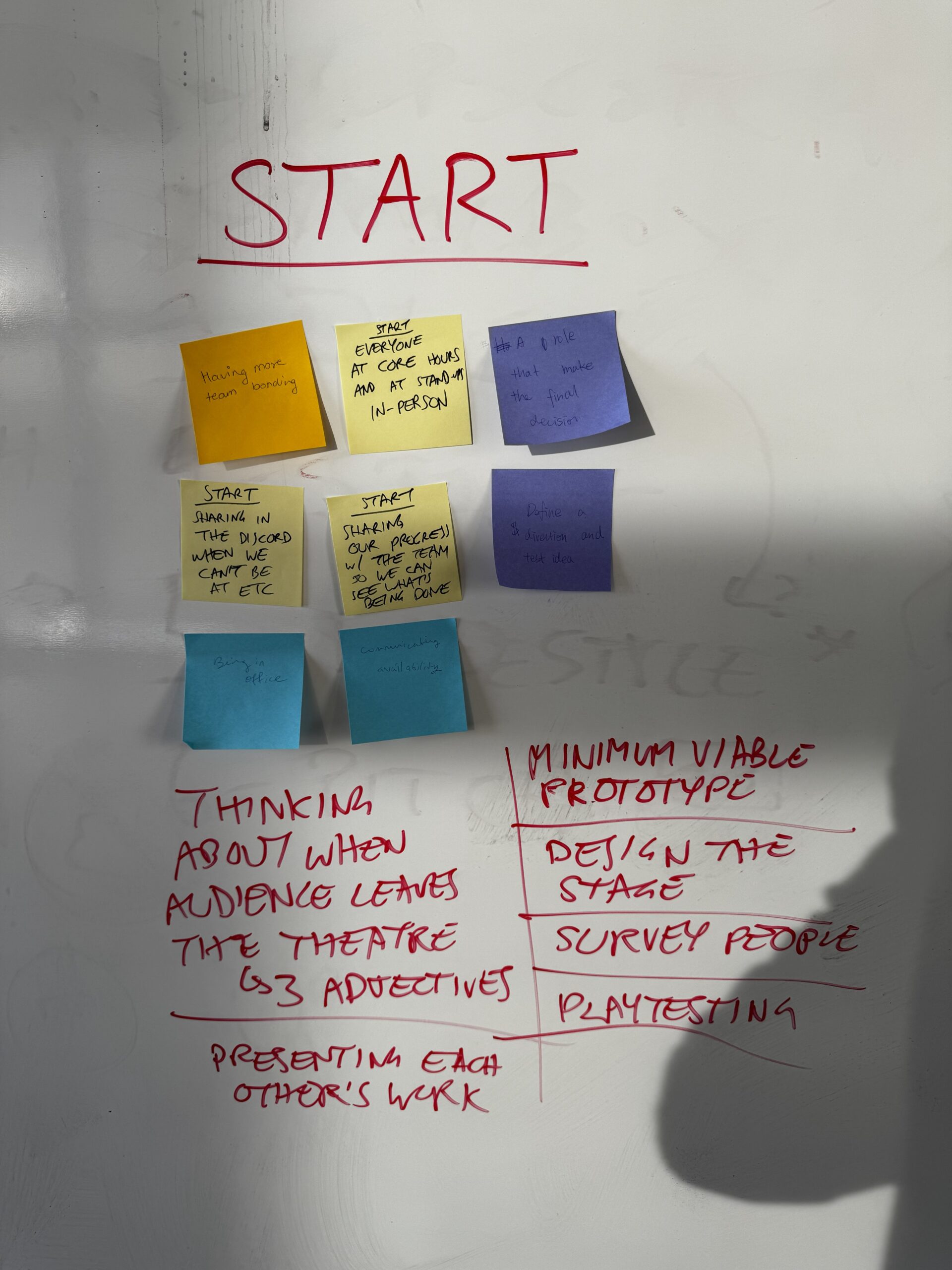
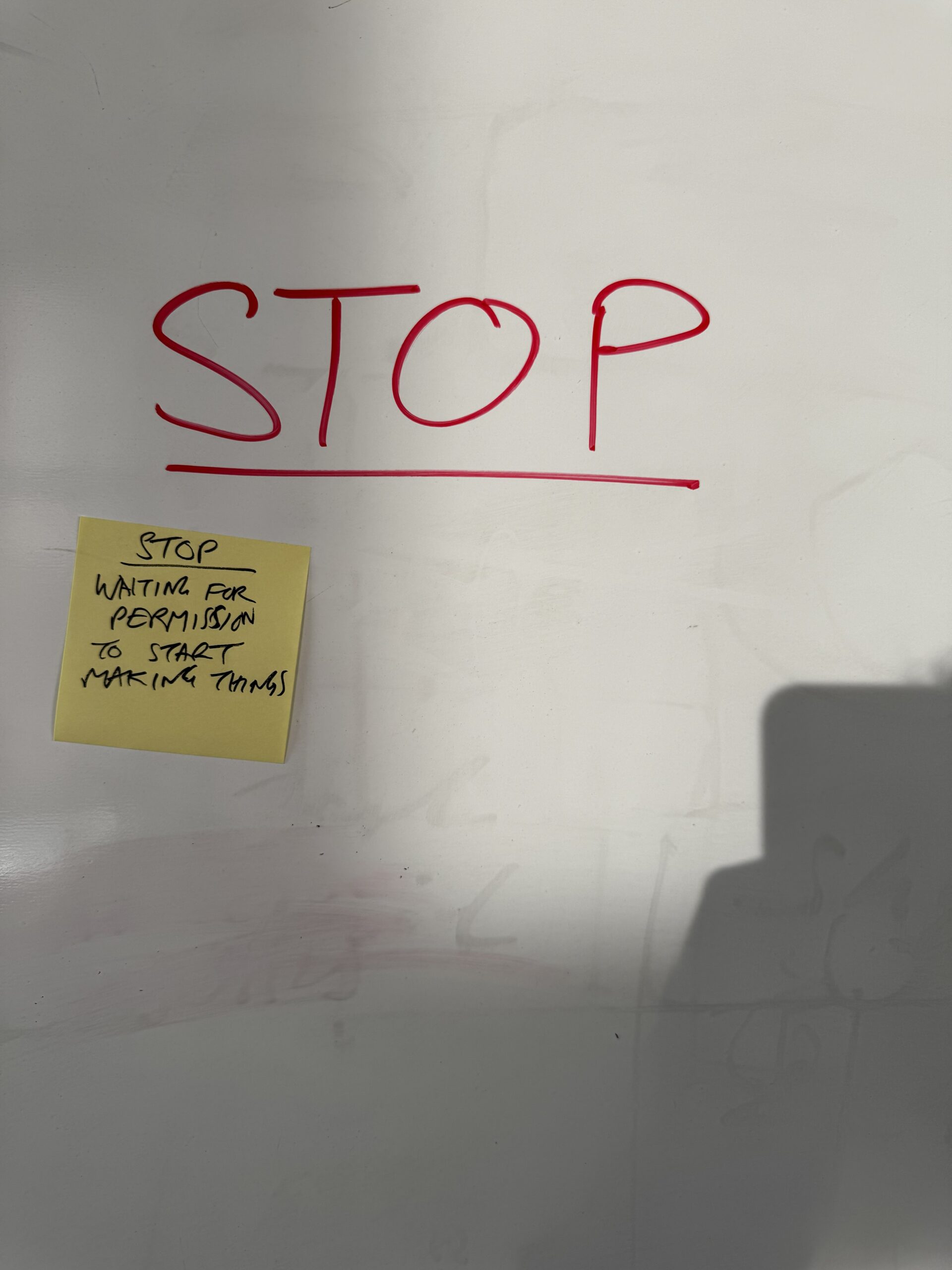
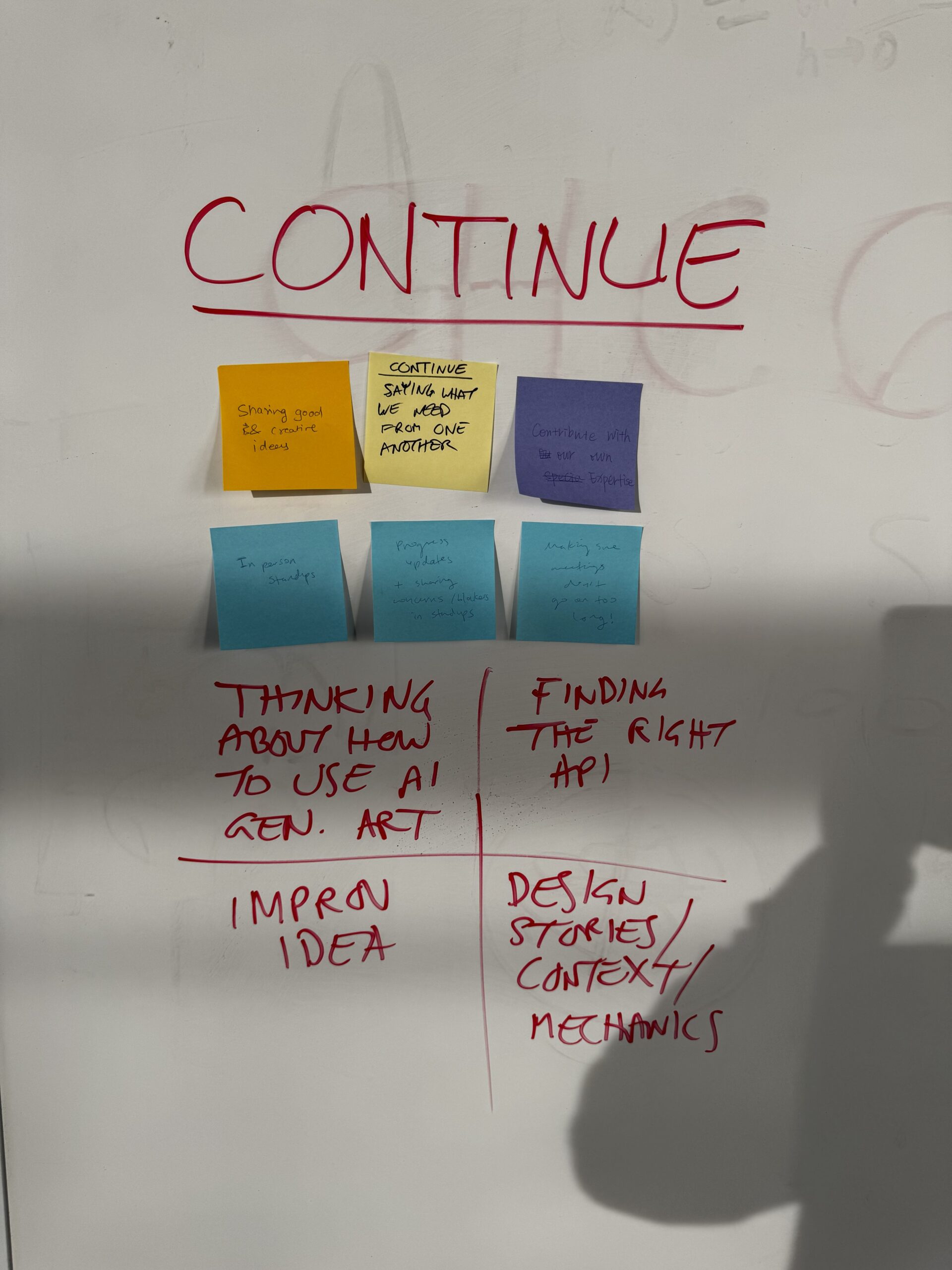
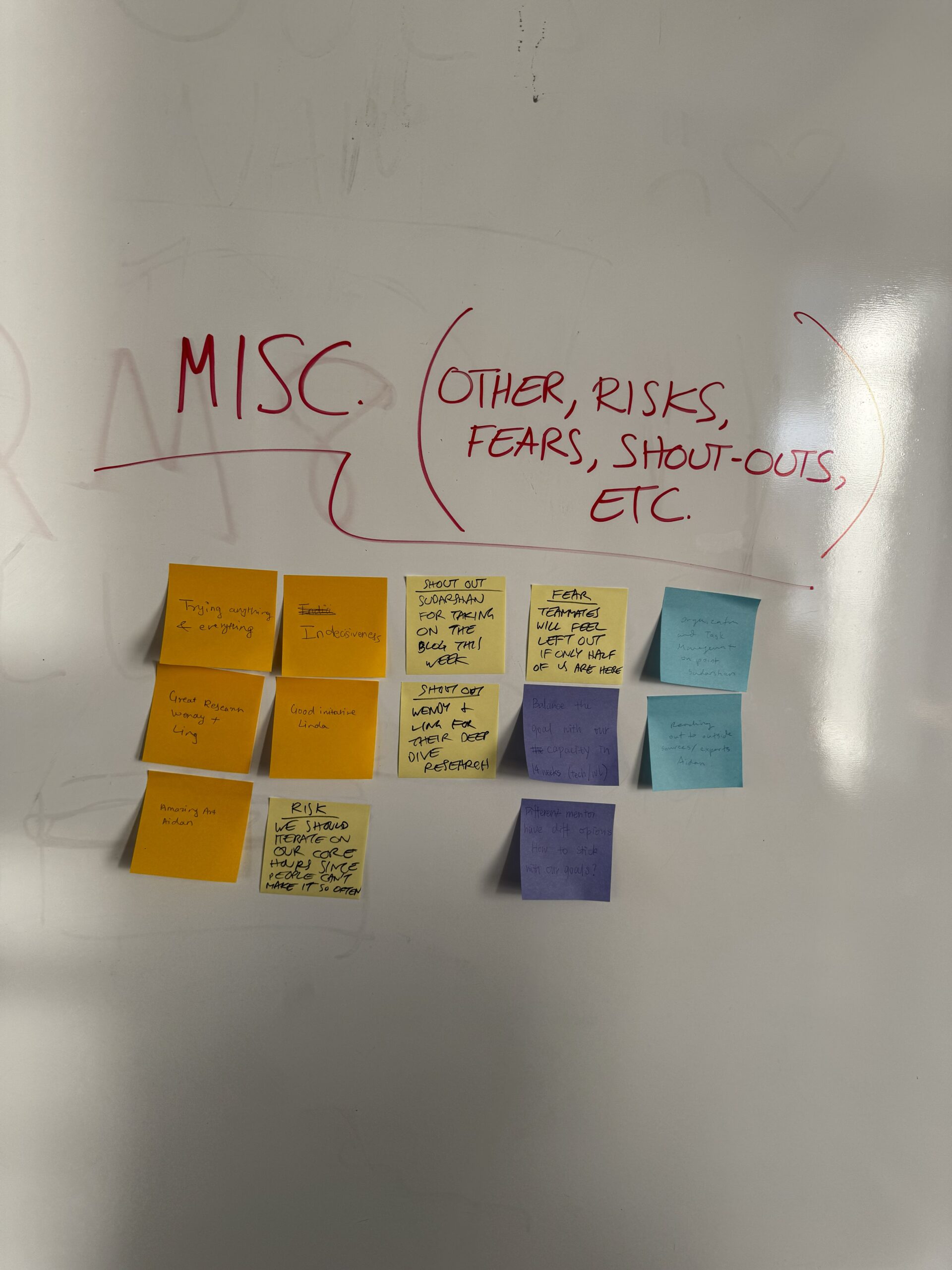
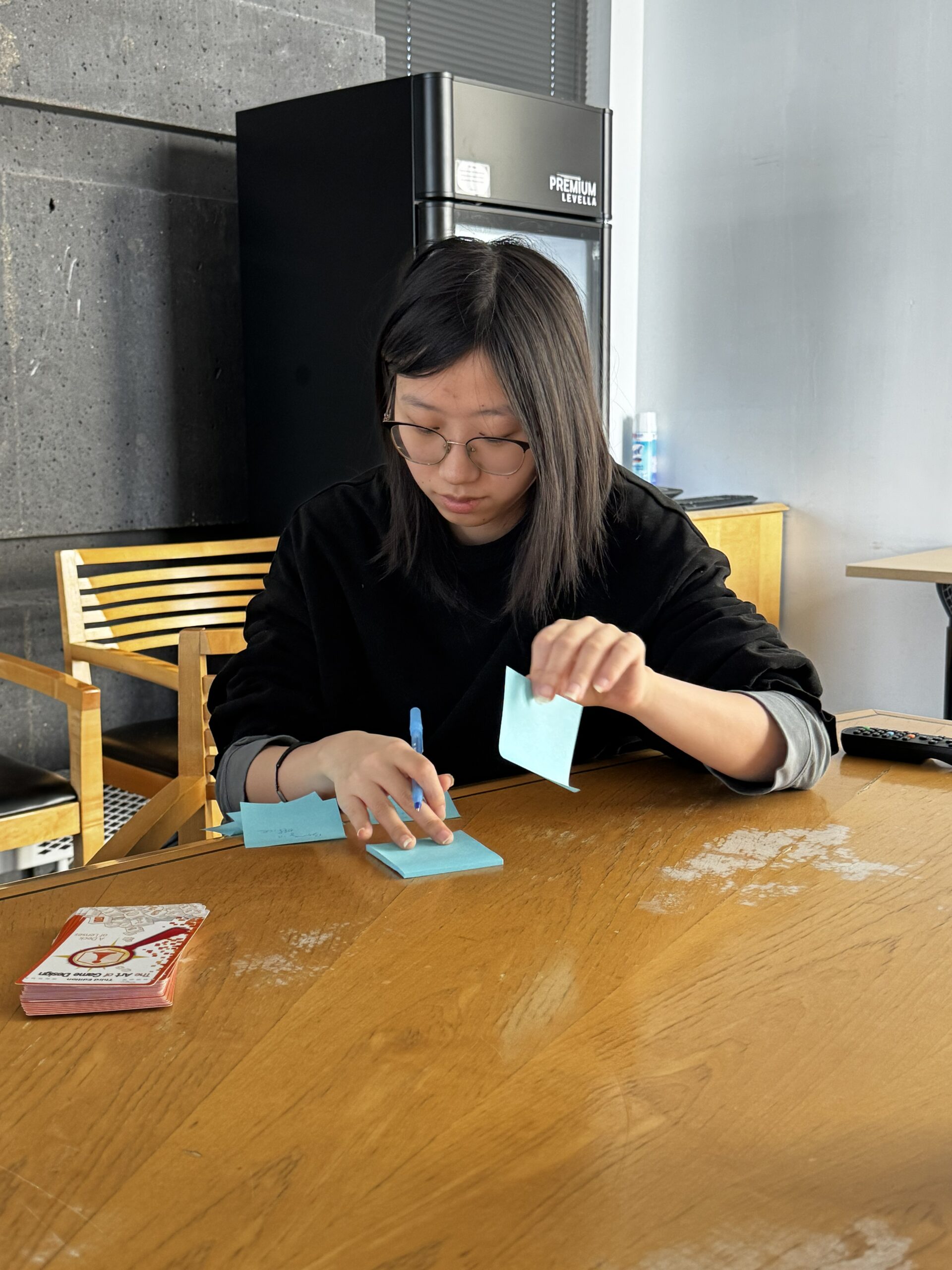
We concluded the week by holding our first team retrospective. During this session, we reflected on what the team should start doing, stop doing, and continue doing, along with open discussion around risks, concerns, and shoutouts. The retrospective proved to be a valuable exercise, helping us assess our progress and identify ways to collaborate more effectively moving forward.
And with that, we wrapped up week three.