From Chaos to Clarity: Testing AI Performance, Hume Integration, and Creative Direction
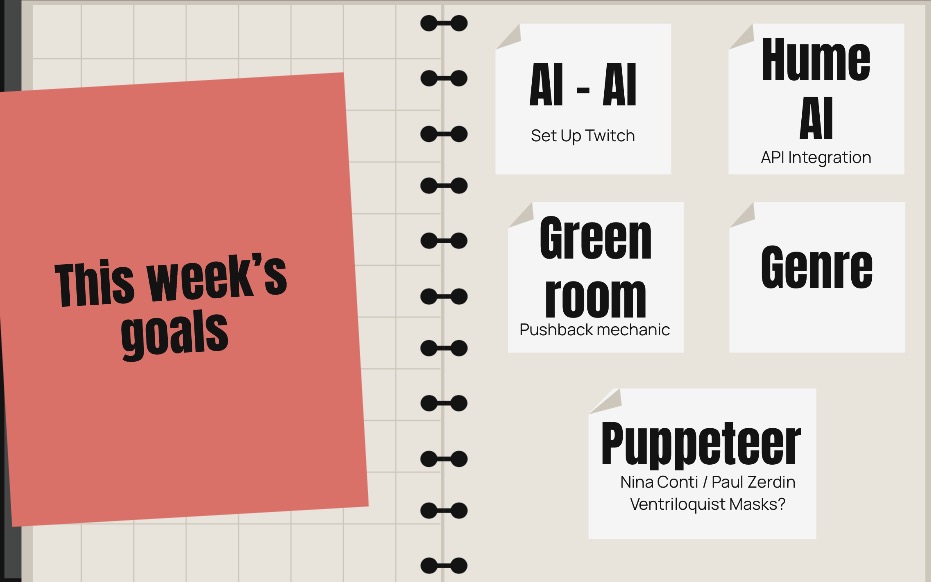
This week felt pretty busy. With the full team finally back at ETC, we started by regrouping and syncing with our producers, Aidan and Sudarshan. The team members who went to GDC shared what they learned, which helped everyone in Pittsburgh get up to speed. We didn’t have a huge backlog, so we focused on prioritizing last week’s tasks and figuring out what mattered most going forward.
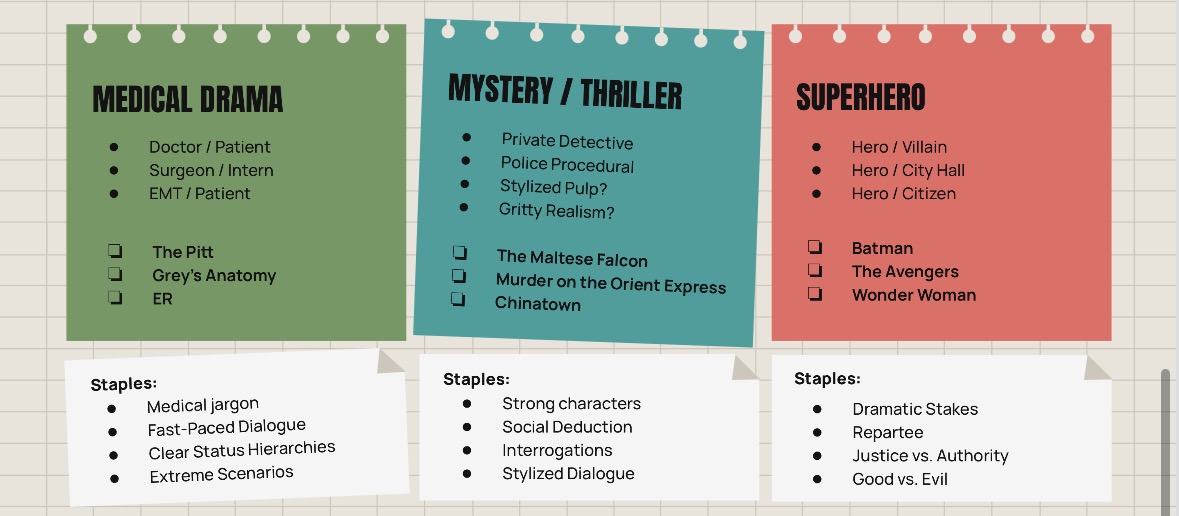
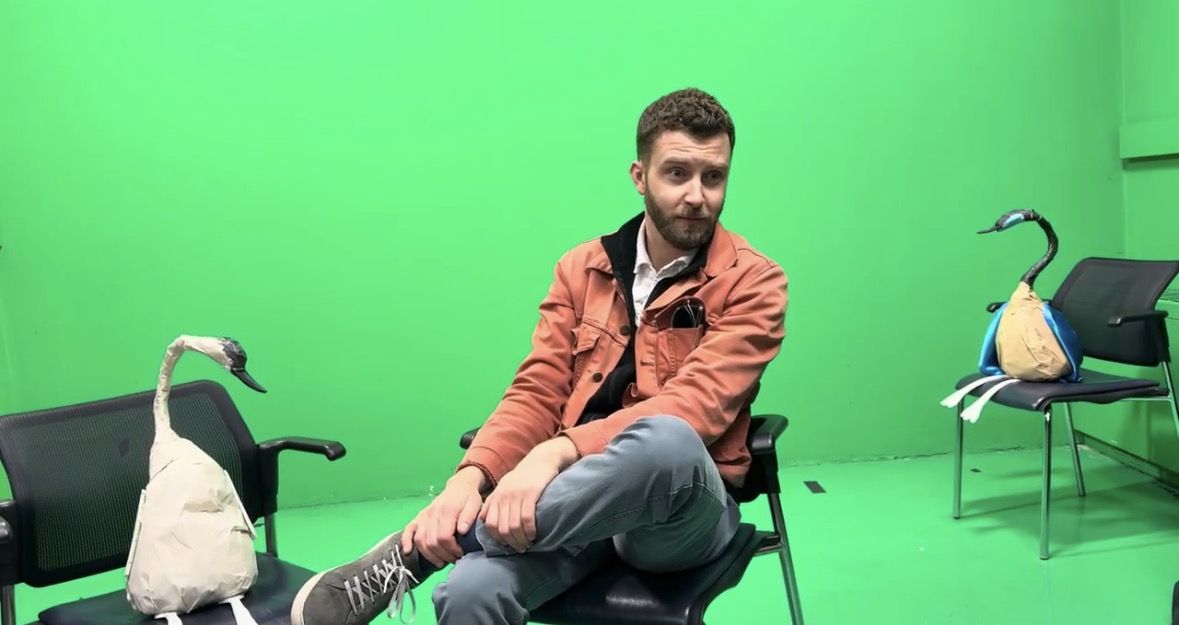
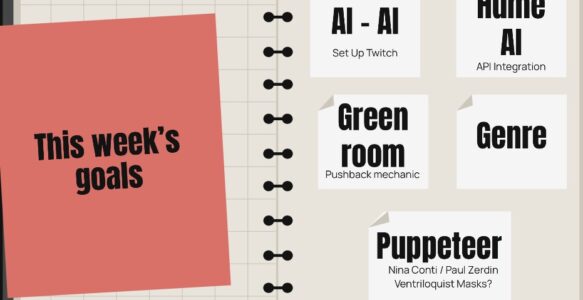
Early in the week, we talked about exploring new genres for our AI performance. The main ones we liked were medical drama, mystery/thriller, and superhero. We also briefly discussed a ventriloquism-style idea, inspired by performers like Nina Conti and Paul Zerdin, where someone could “puppet” the geese characters. We put all these ideas into a slide deck for our weekly meeting with Mo and Brenda.
During that meeting, we got some really helpful feedback. While the ventriloquism idea was interesting, they pointed out that it might take focus away from what our project is really about – AI and performance. Instead of shifting too much, they encouraged us to build on what we already have. They also suggested that we start showing a short performance every week, something that clearly shows a new feature or improvement.
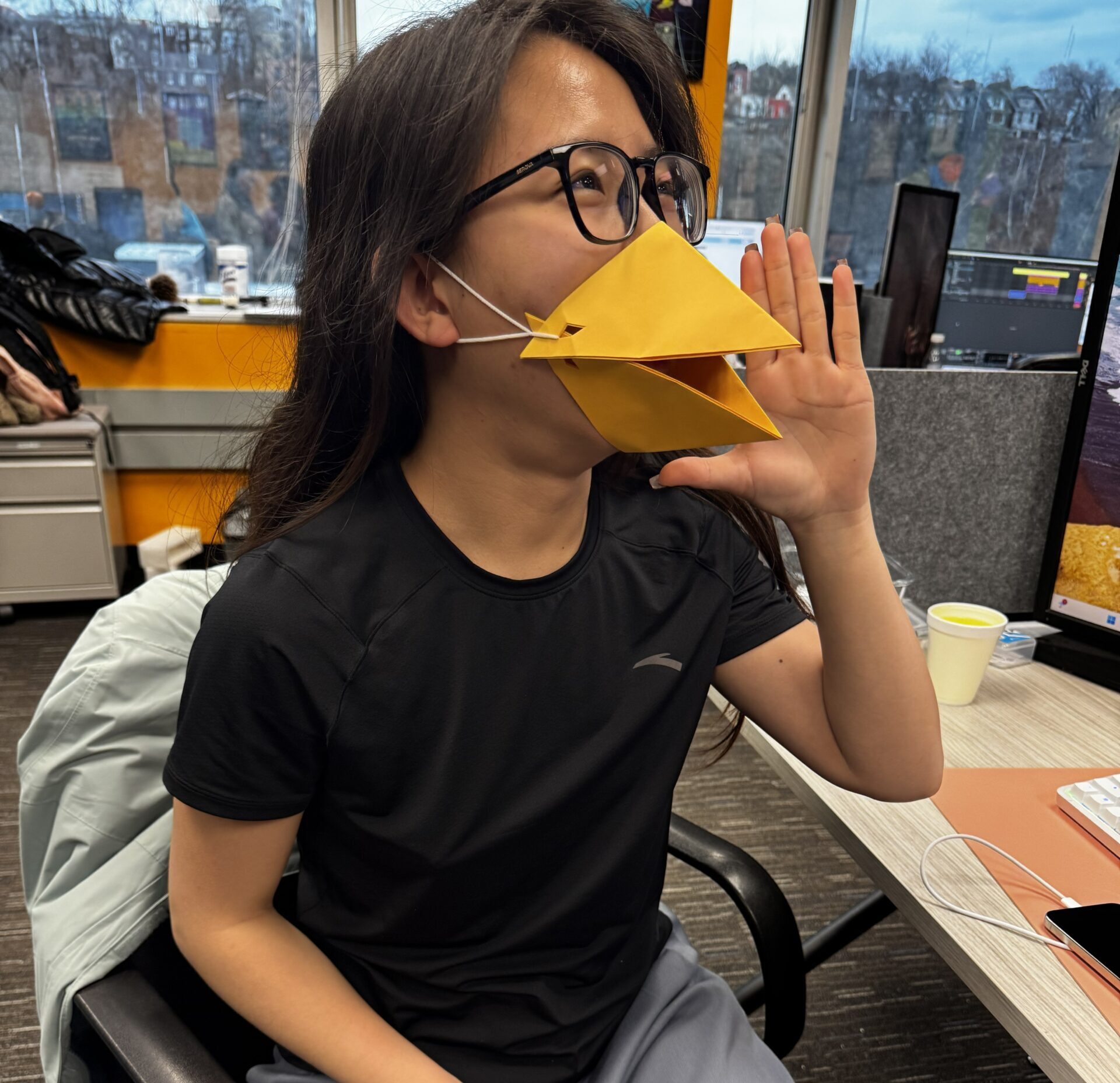
Based on that, we set our goals for the week. We worked on integrating the Hume AI API, started laying out our final design document, ran a test performance with the new setup, and added a new feature to expand the AI. For puppeteering, we also designed a small beak mask that two actors could wear, moving beyond our earlier paper versions. This helped us explore how physical performance could make the characters feel more expressive.
While working with Hume AI, we ran into a few issues. The Pro plan only allowed one person to access the dashboard, which made collaboration harder. The voices also come with built-in traits that are tough to change. We tried using the voice design feature, but it didn’t feel as flexible or expressive as we wanted. On top of that, the system sometimes repeated lines, and the way it handles prompts is quite different from OpenAI, so we had to adjust.
During testing, we tried our “pushback” interaction mechanic with both Hume AI and OpenAI. The team actually liked how OpenAI handled it more – it felt more natural and responsive, especially during tense moments. This got us thinking about adding more gameplay elements to make interactions more engaging.
By Friday, we had a longer team meeting to go over the design document, talk about gameplay ideas, and decide how to balance using Hume AI vs OpenAI. We also met with Mo and Brenda again to get ready for our playtest on Saturday.
Overall, it was a really productive week. We made progress on the Hume AI integration, ran tests, explored interaction mechanics, worked on the design document, and started thinking more about gameplay. Next, we’re excited to build out characters for playtesting, improve the experience for new users, and write better prompts – especially for OpenAI.
Link to media and material files from the week:
-
GDC 2026_ Turning Conversation into Gameplay – Courtroom Chaos.pdf
-
GDC 2026_ Next-Generation In-Game AI Experiences (Snapdragon).pdf
-
GDC 2026_ IntelliScene – Multi-Agent Reasoning-Driven Game Scene Layout.pdf
-
GDC 2026_ Are AI NPCs Actually Good_ Lessons from a Large-Scale Player Study.pdf
-
GDC 2026_ AI Design Stack – Agents, 3D Generation, and the Future