Getting Ready for Playtest Day
As we approached week 11 of the semester, there was a scary but exciting feeling because we are getting close to the end of the project semester. One of the milestones most teams, including ours, are looking forward to is Playtest Day. The ETC has a tradition of holding Playtest Day on Saturdays. This semester, they have invited as many guests as needed to test our projects. The event is happening this Saturday, March 28, from 9 a.m. to 3:30 p.m.
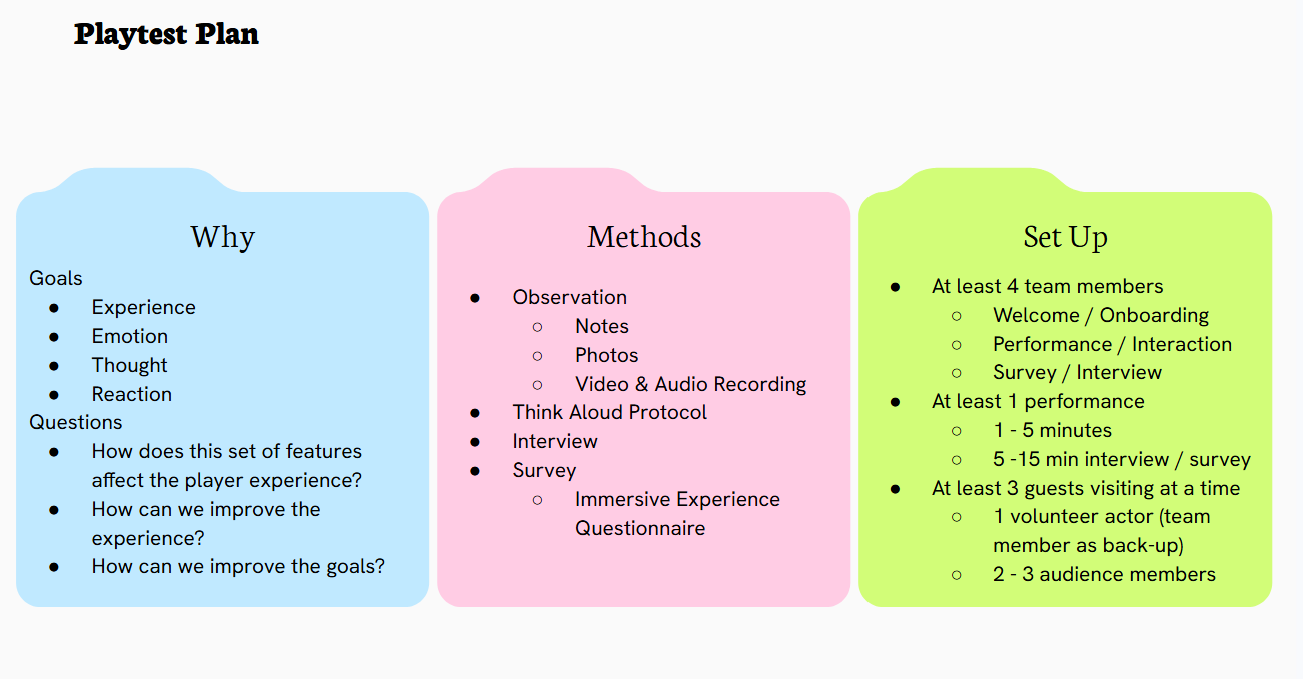
Even though our team started some planning last week, we were still a bit unsure about what exactly we should playtest. The main question we kept asking was: what do we want to get out of this playtest? If you’ve been following our project, you know it’s a bit unusual, and not everyone on the team sees how traditional playtesting fits with what we’re doing. Even so, we realized that playtesting is still a great chance to show our progress, share our ideas, demo our work, and get feedback from people outside the team. With that in mind, we decided to approach playtesting in a performance style.
Most of this week was spent planning for Playtest Day. During our weekly meeting with Mo and Brenda, we shared our progress and talked through our plans. We worked on building personalities using the Thought To Be cards from Brenda. Surprisingly, using those traits to prompt AI worked pretty well. We also met with Dave and, using notes from the playtest meeting with Michael, came up with a simple plan.
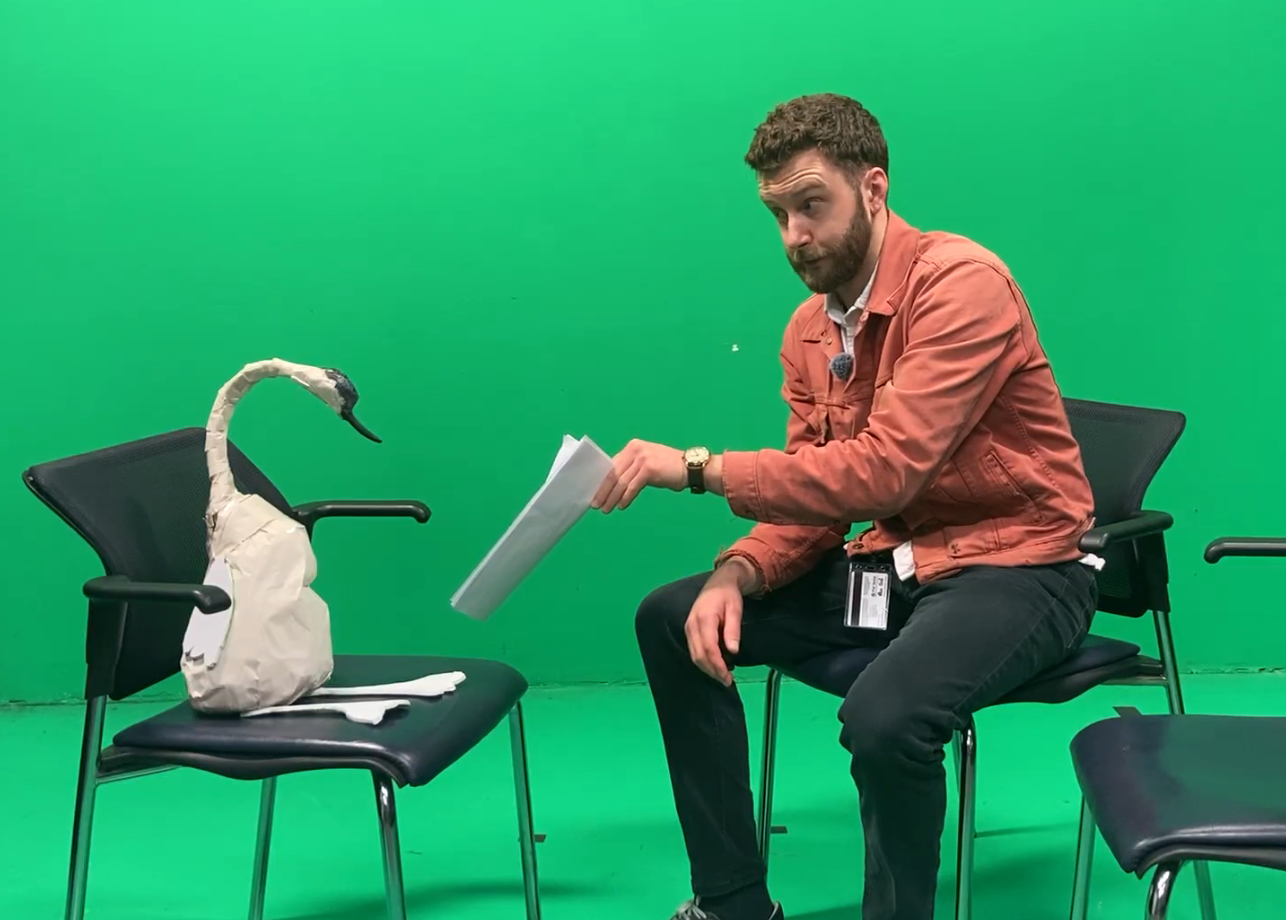
We decided to run our playtest as a short performance. The idea is a late-night talk show featuring Alice the goose. We expect about 3–4 playtesters at a time. Each 20-minute session will include a short 5-minute performance where one of us plays a guest and another puppeteers Alice, who is driven by OpenAI prompts. After that, we’ll invite audience members to join in, either as guests or by asking Alice questions. The rest of the time will be used for surveys to get feedback, especially on whether our pitch makes sense and how people feel about the mix of performance and AI.
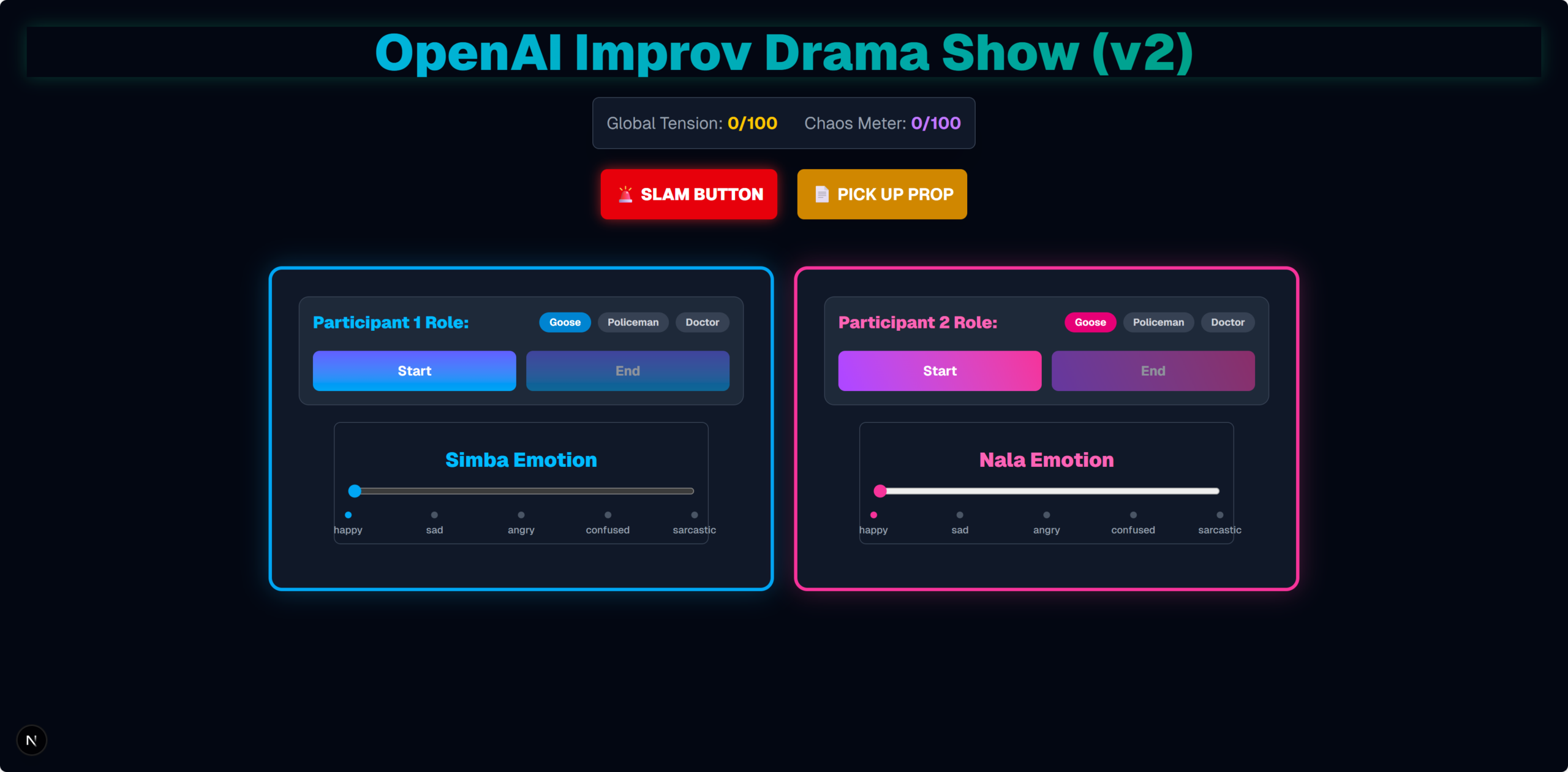
This week we also did some internal playtesting. One of the more interesting tests focused on gameplay elements that could help build tension and keep the performance engaging. While the test went well, it raised a big question: do we actually need gameplay, and how should it fit into the performance? Since the results were promising, we decided to keep exploring and refining these ideas.
We also started puppeteering with stuffed geese—check out our videos for a first look at Alice. On top of that, we began working on parts of our final design document.
Next week, we plan to review the results from Playtest Day, keep working on the design document, create a new performance demo, continue exploring gameplay ideas, and clean up our GitHub repo.