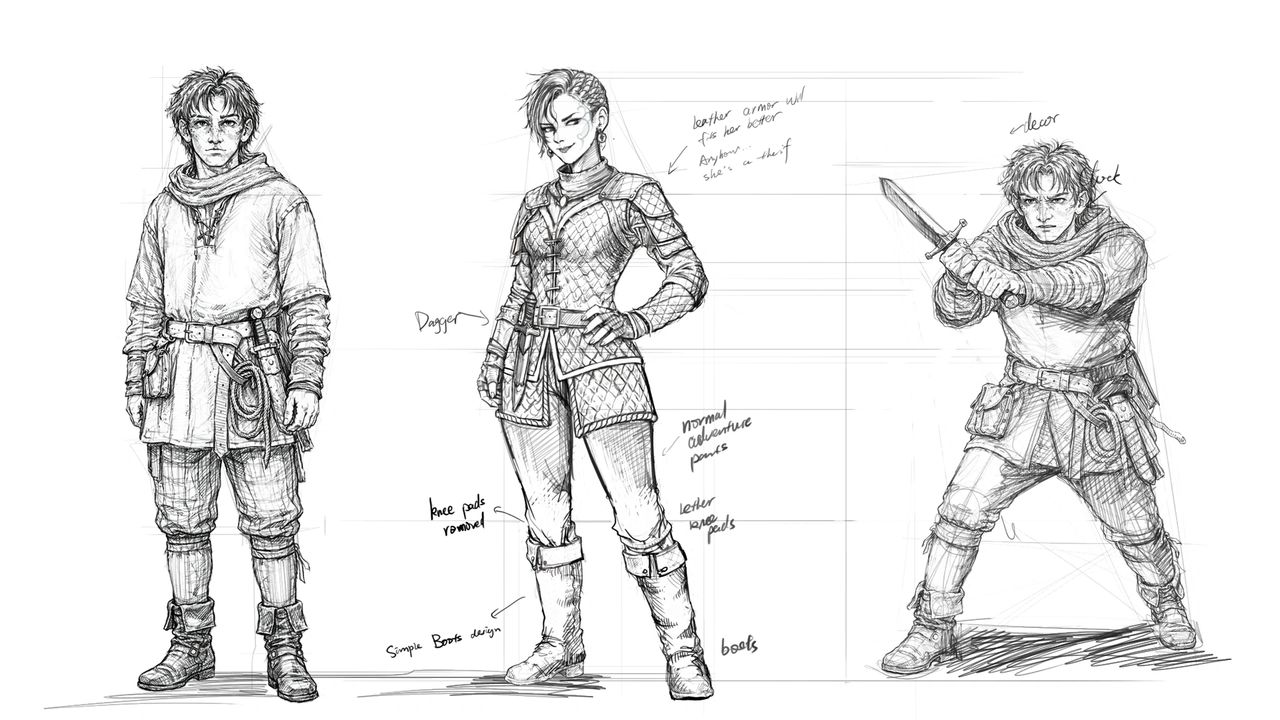
The Artist’s Odyssey: Retracing the Silk Road
When an artist encounters an unfamiliar domain, it often signifies an “Odyssey” full of challenges and opportunities.
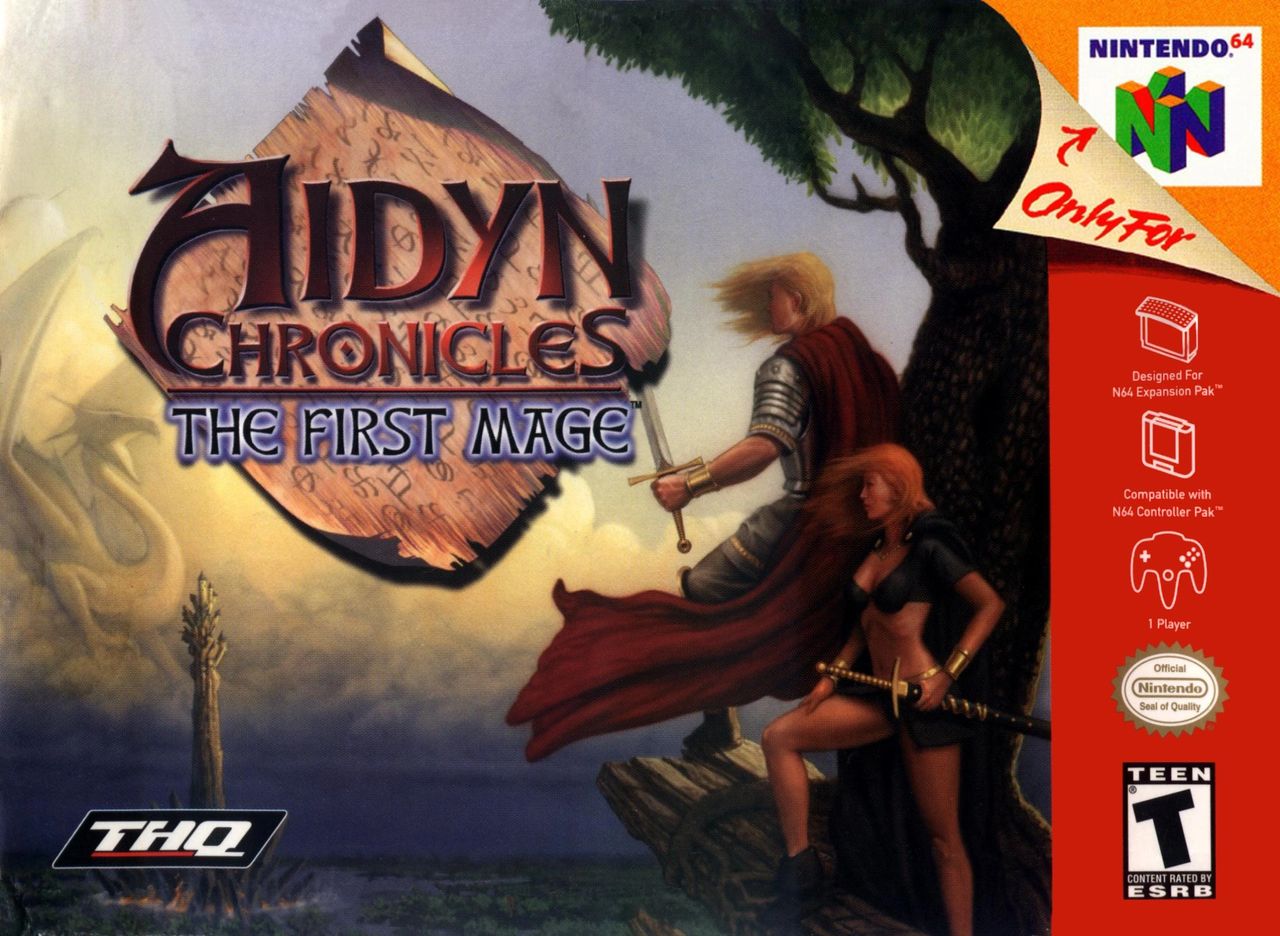
Our current project is a redesign of an old game. The background of this project is significant: it originates from a game released by our professor more than two decades ago, possessing a complete Western fantasy worldview and magic setting. My core task is to update the game’s character images to meet modern aesthetics, but this is not a simple renovation.
The character design must strictly adhere to the game’s worldview, match the game’s historical setting, local customs and practices, and ensure historical accuracy.
Therefore, the demand for character design in this project is immense. Considering that the market environment then and the market environment now are vastly different, our work is a mix of both challenges and opportunities—we have the chance to make up for many regrets left from that time, but at the same time, we face immense modern-day challenges.
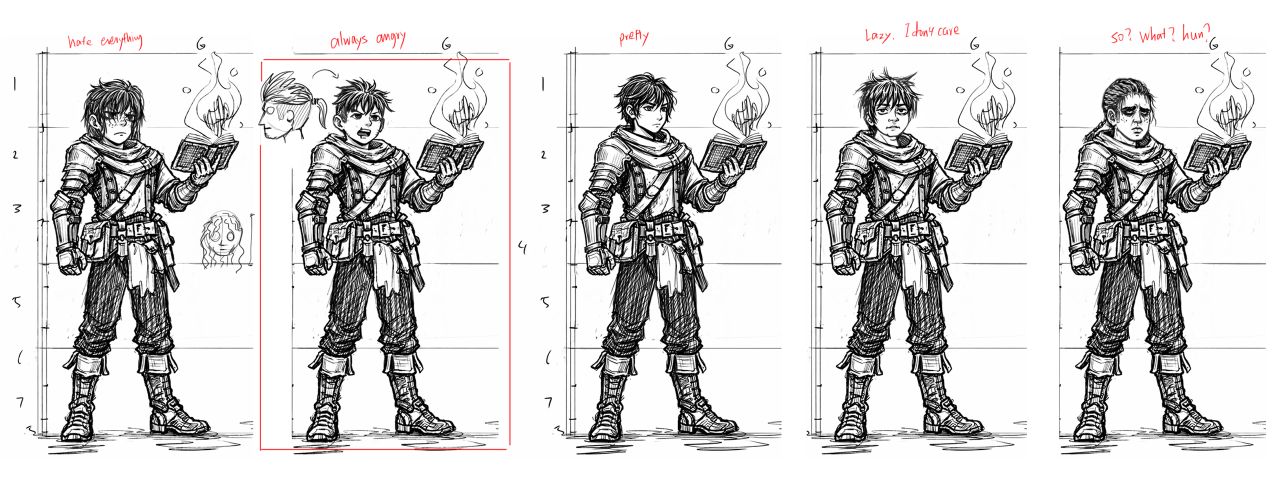
For an artist long focused on environment illustration, accustomed to depicting grand narratives and spatial atmosphere, being suddenly required to design a large number of characters, especially needing to delicately portray facial expressions and details, was undoubtedly a huge challenge.
Since I graduated as an environment concept illustrator, my creative background has almost nothing to do with character design; drawing people was usually just an incidental task.
For instance, when illustrating a concept design for a town, I would finish the entire city and then sparingly sprinkle in silhouettes of a few residents, or use a huge, blurred foreground figure to set off the scene behind it.
In industrial design, I would only draw the specific body parts that interact with the product; in vehicle design, the characters were simplified even further, reduced to merely a “shadow with 50% opacity”. These drawing habits also resulted in me rarely pausing to consider what the people in my painted worlds should look like.
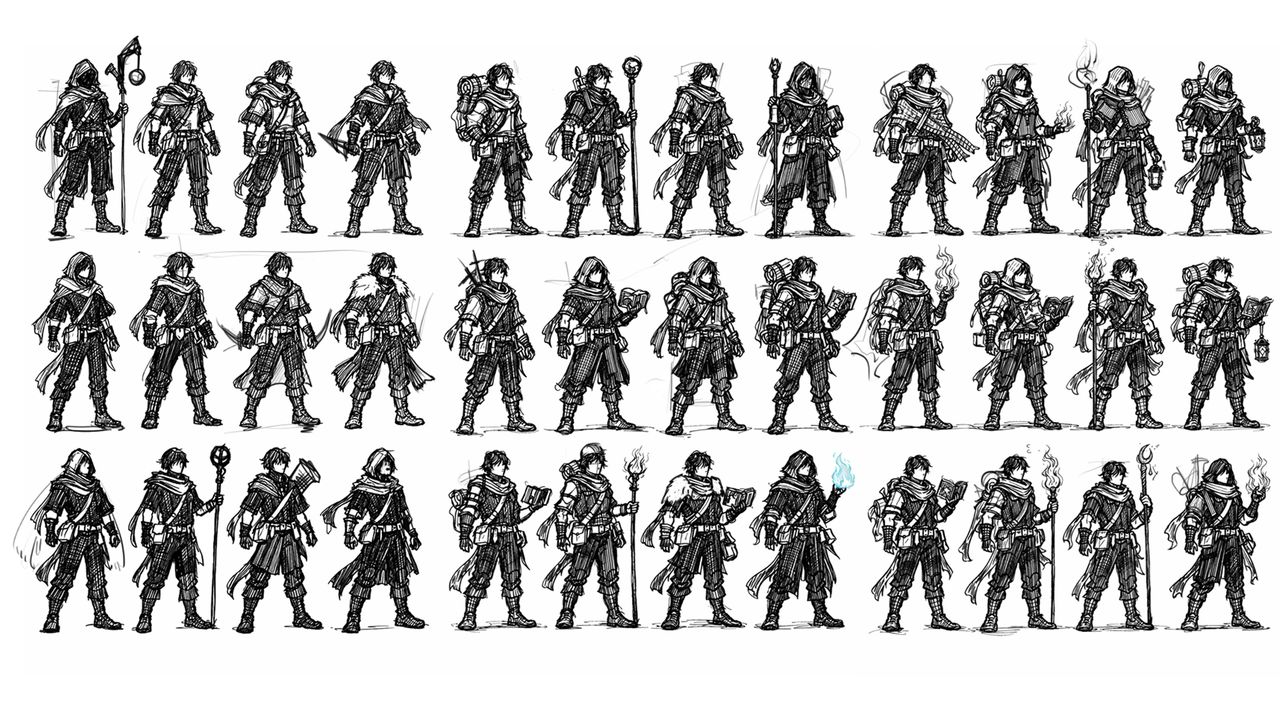
What’s more, I have long been immersed in Asian-style painting, being completely comfortable with the aesthetics and facial structures of Eastern classics, but this project demanded completely European facial design. This total leap from the familiar to the unfamiliar was like an Eastern artist stepping out from Chang’an and embarking on a journey to retrace the Silk Road—from East to West, every step was filled with hardship and the unknown.
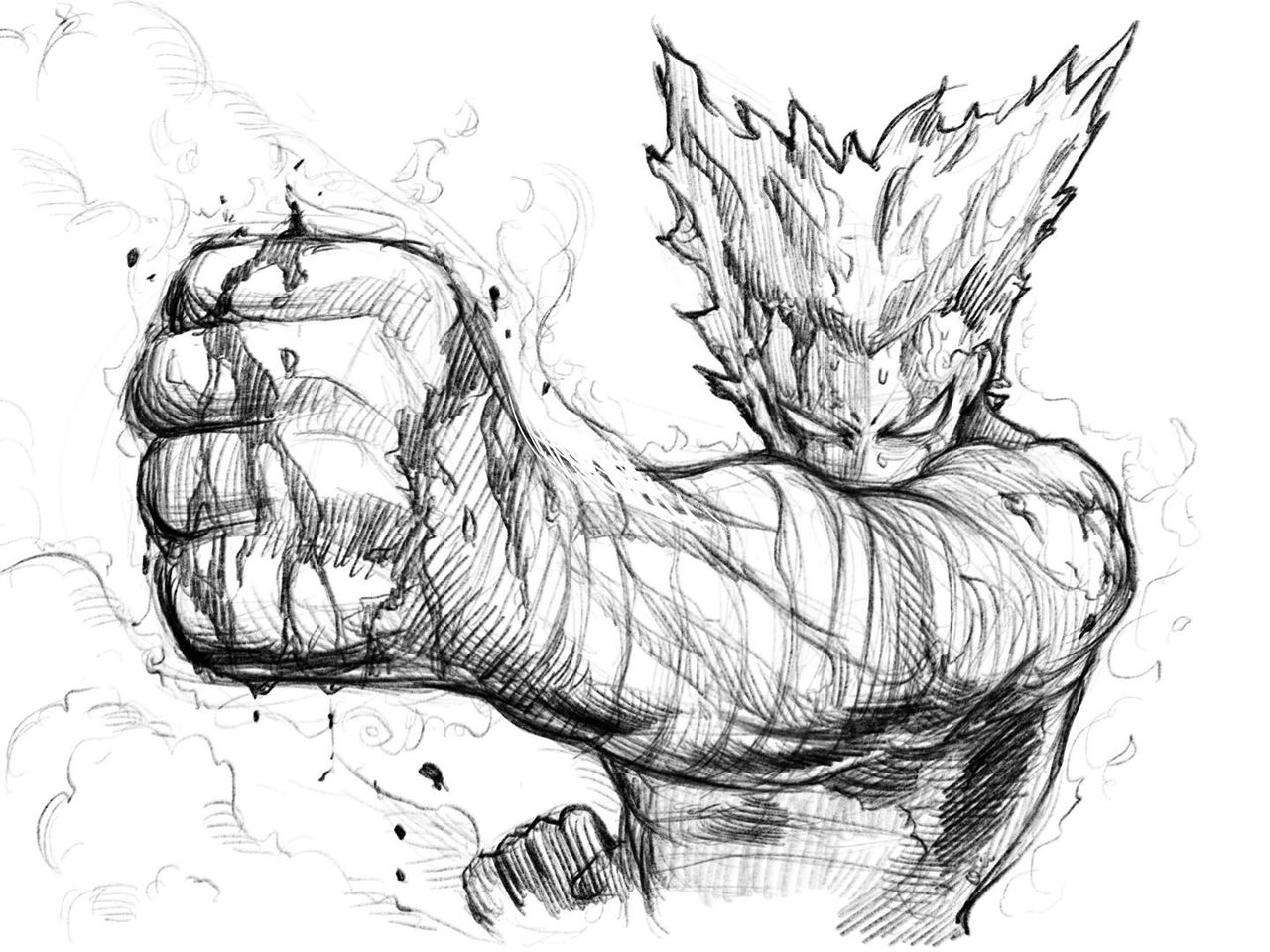
Initially, fear and self-doubt about the unknown domain, combined with the conflict between two vastly different aesthetic systems, led directly to creative stagnation and low efficiency.
I attempted to use Asian aesthetic proportions and lines to shape European faces, but the resulting faces were either stiff or misaligned, completely lacking the Western spirit.
This complete overthrow of style and technique caused me intense personal struggle and generated a lot of friction and conflict with the team during collaboration. Repeated failures in character styling and facial design left both sides steeped in a deep sense of frustration.
- Conflict of Styles: Deconstruction and Reconstruction from ‘Five Eyes’ to ‘Depth’
The essence of this “cross-cultural” challenge was the fierce collision of two fundamentally different facial design philosophies on the canvas. Asian comic style and Western realistic portrait sketching differ fundamentally in their goals, expressive techniques, and even the ratios used for drawing the human face.
1. Asian Comic Style: Symbolism and the “Elasticity” of Proportion
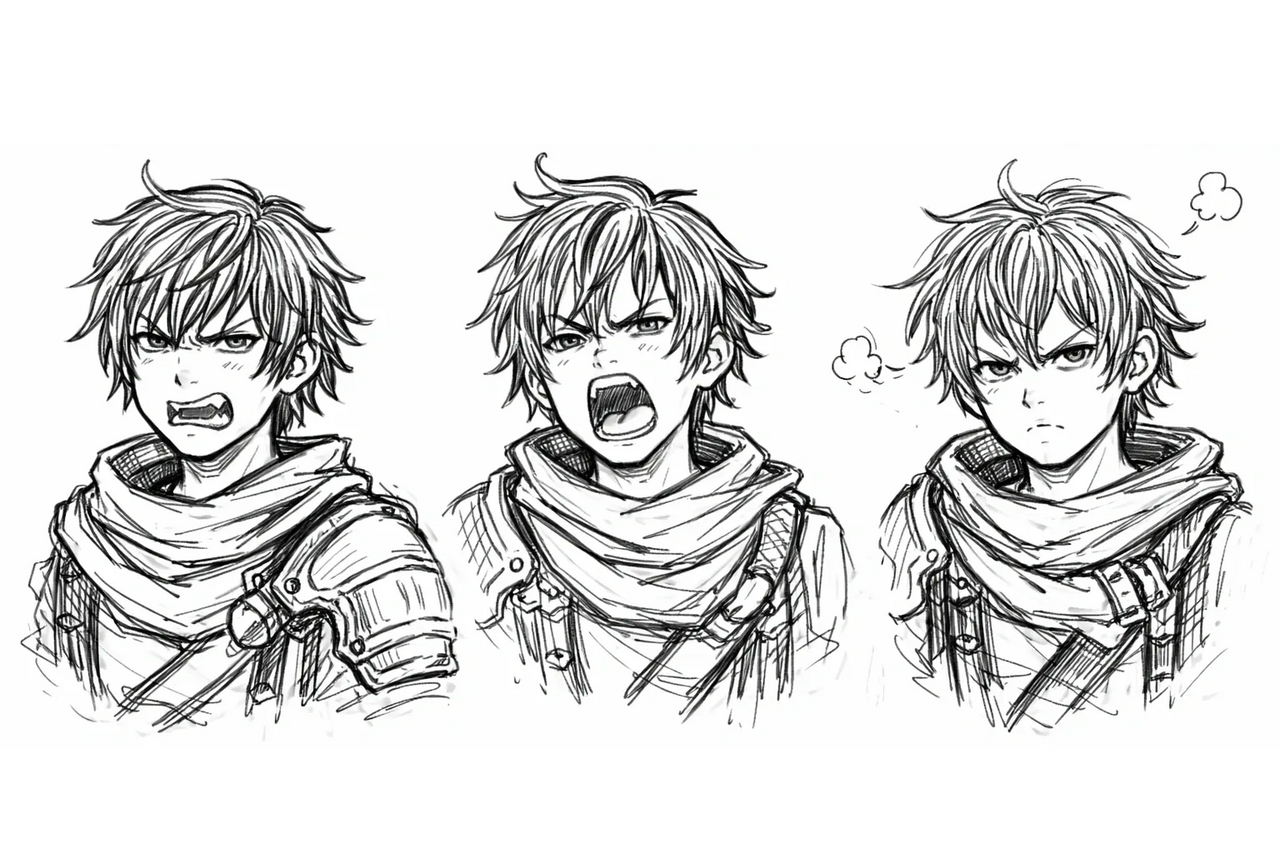
The core of Asian style, especially the Japanese and Korean comic systems, lies in symbolism and expressiveness. It does not pursue structural “likeness” but the “feeling” of emotion.
In terms of facial proportions, it inherits the basis of the classical “Three Divisions and Five Eyes” but typically makes bold, “elastic” adjustments to suit aesthetic needs:
- Focus on Features: The eyes are viewed as the windows to the soul and are often enlarged, occupying a greater visual proportion of the face. This extreme emphasis on the eyes, which surpasses the classical “Five Eyes” principle (face width being roughly equal to five eye widths), primarily serves the character’s emotional expression and beautification.
- Facial Proportion Adjustment: To emphasize a character’s youthfulness and cuteness (Kawaii), the lower third of the face (from the bottom of the nose to the chin) is often intentionally compressed, making the face shape rounder and the chin more pointed. Structurally, it emphasizes the fluidity and simplicity of lines, where bone turns are softened, and shading serves basic shape rather than profound concavity.
2. Western Realistic Sketching: Structure Above All and the “Rigidity” of Proportion
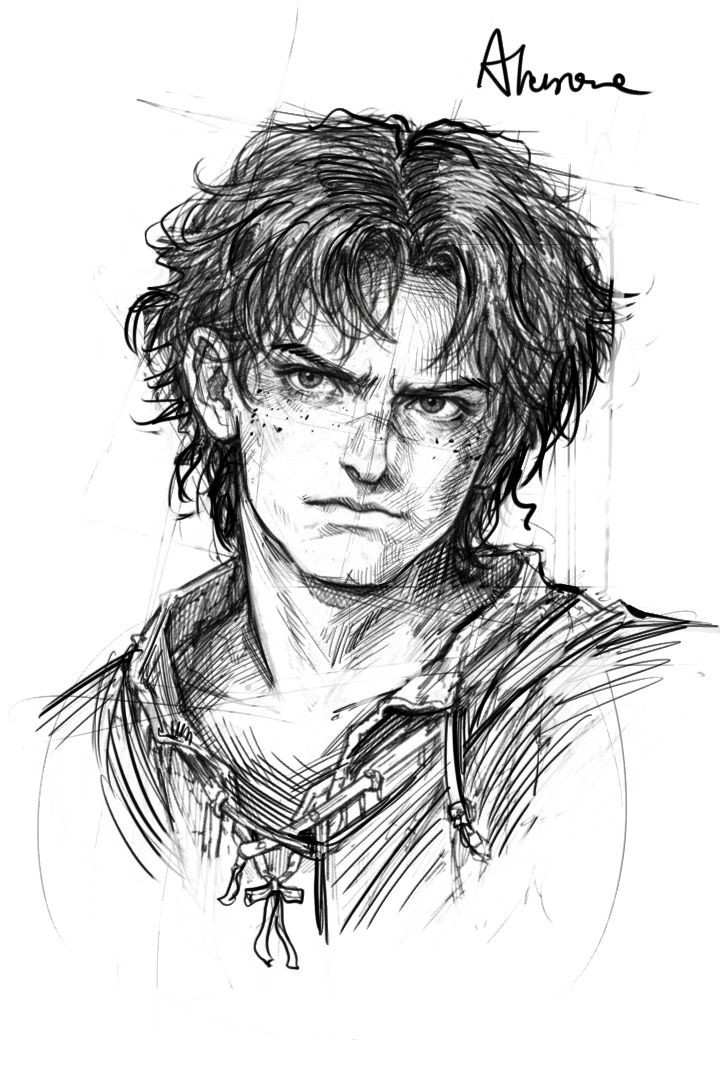
Western realistic style inherits the mantle of Western classical art, and its goal is structural supremacy and precise replication.
It seeks the sense of volume created by light and shadow, along with the authentic bone structure, demanding that the artist adhere to classic face proportions with an almost “rigid” discipline:
- Three Divisions and Five Eyes: The golden rule of “Three Divisions and Five Eyes” is strictly followed. The Three Divisions should be roughly equal, which is the cornerstone for establishing facial balance in Western portraiture.
- Volume and Depth: The skeletal features of the European face, such as prominent brow ridges, deep-set eye sockets, high cheekbones, and a broader jawbone, give the face a stronger sense of three-dimensional depth. When sketching, this “sense of depth” must be captured and sculpted through precise lines of light-dark demarcation and projection, rather than being swept over with simple lines as in Asian styles.
For me, the challenge of transforming from an Eastern artist skilled in using simplified lines and exaggerated proportions to “create beauty,” into a Western artist who must use light, shadow, and proportion to “analyze structure,” was equivalent to shifting from poetic freehand to rigorous anatomy.
Every time I picked up the brush, it meant overcoming accumulated inertia and recalibrating the “ruler” that measures beauty and reality.
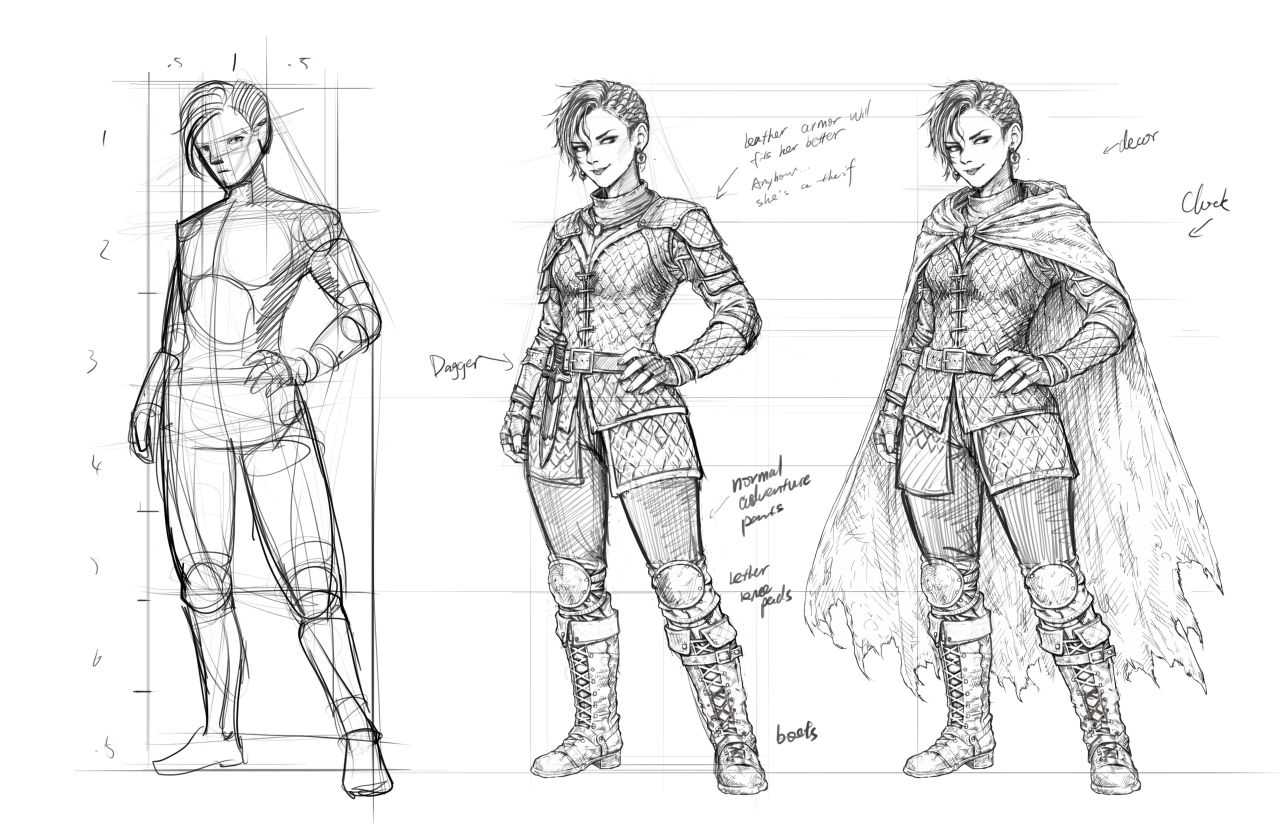
However, the meaning of the Odyssey lies in facing the storm. Realizing that avoidance was futile, I was forced to abandon my past experience and arrogance and begin a “cross-cultural” hard-core study. I had to consider what our characters should look like, so I asked myself several questions:
- What kind of person is my character?
- What era does he live in?
- How do the people around him influence him? What is his lifestyle like?
I then engaged in many discussions and story readings with the narrative designer, and systematically studied human anatomy and facial perspective, focusing more on the expression of facial features in Western classical sculpture and Renaissance painting.
Like a beginner, I meticulously disassembled and understood the design language of the European face, from the brow ridge to the cheekbones, from the depth of the eye socket to the thickness of the lips, striving to capture its profound skeletal quality and three-dimensional light and shadow effects. This process was slow and arduous, yet the act of learning brought a sense of calm.
Ultimately, through repeated attempts and constant overhauls, I successfully made the leap from “Chang’an” to “Rome” and delivered character designs that met the project requirements. This experience not only fulfilled the project task but was an “Odyssey” of breaking self-imposed boundaries and restructuring my skill set.