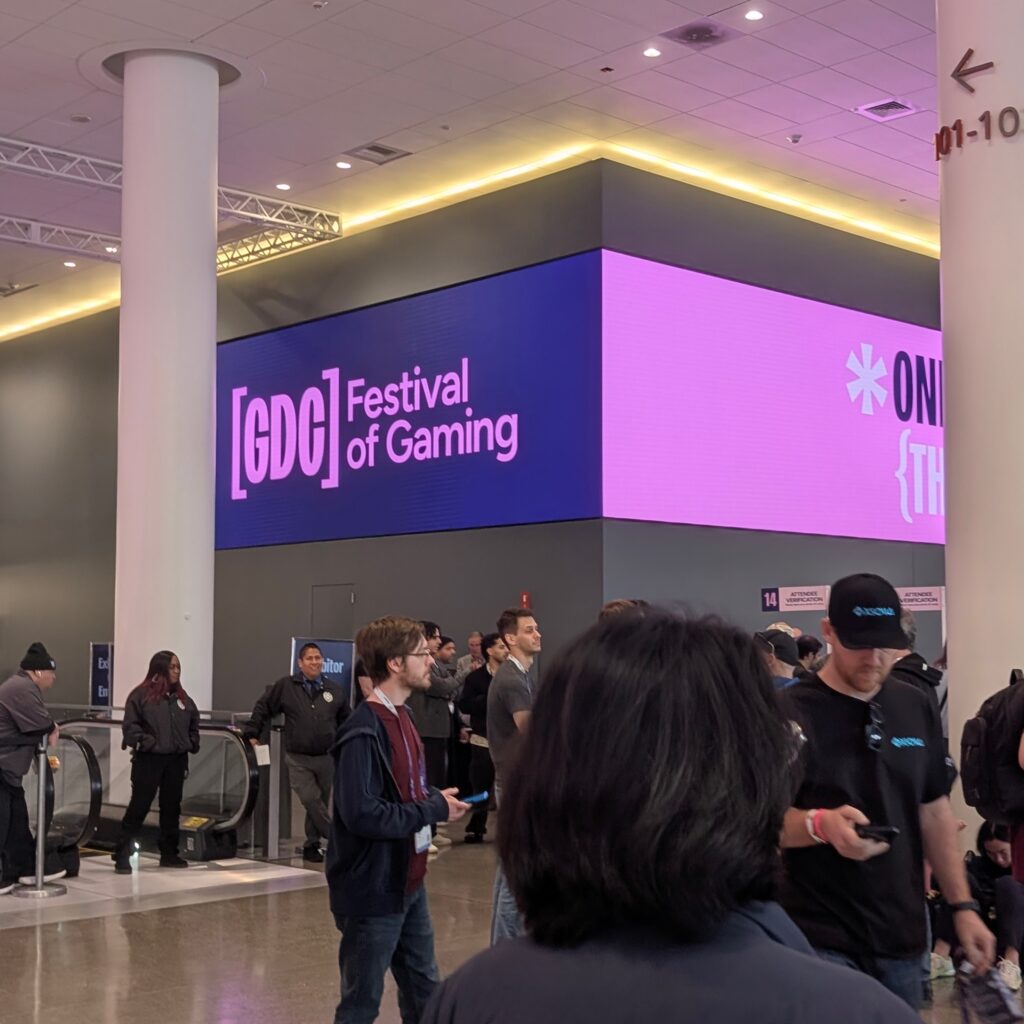
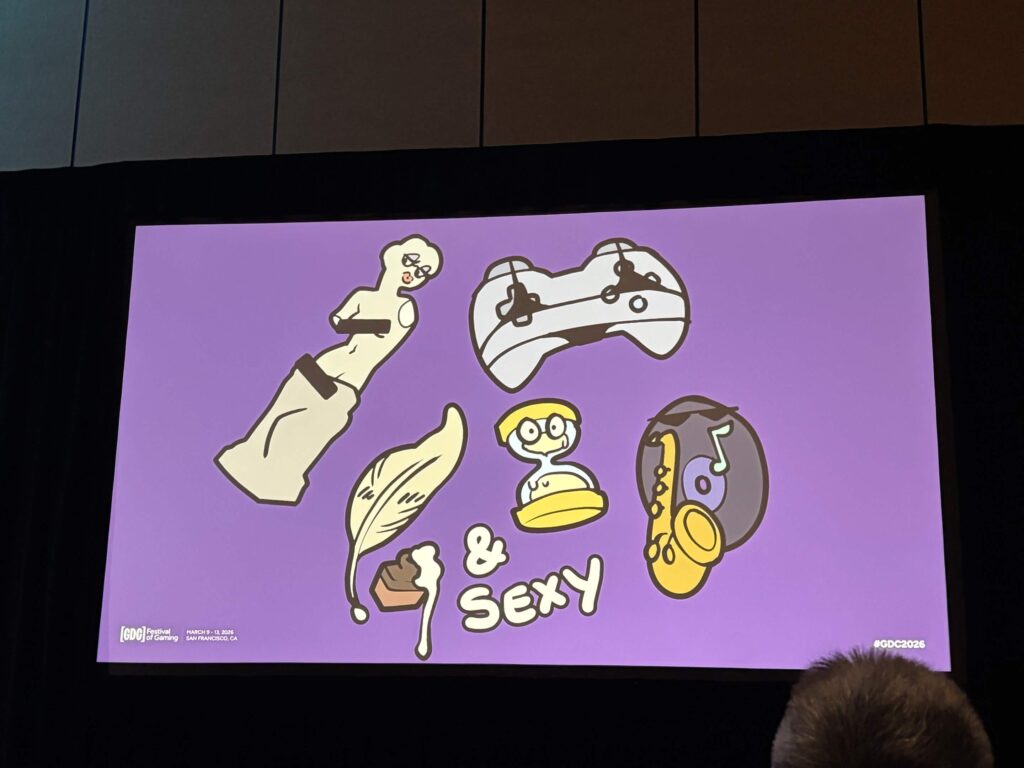
This week of the spring semester is notorious for project teams being away at GDC and this year was no different! Team A.N.E.N.Y had 4/5 of our members away this week but while we were there we got to see some amazing things that are going on within the games community. We have been filled with energy and inspiration that we can’t wait to bring back to our project in Week 9!
Photos from our trip!
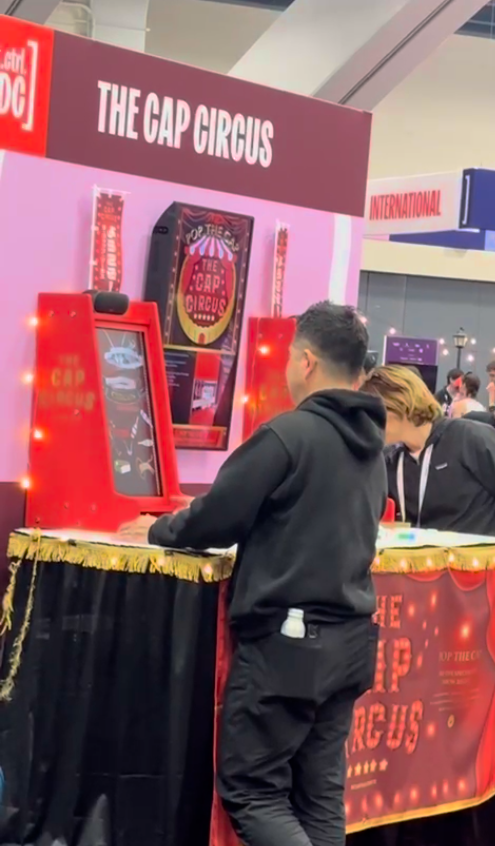
Nightray saw this really cool booth within ALTCTRL called “The Cap Circus” that used a physical coin in a digital game.
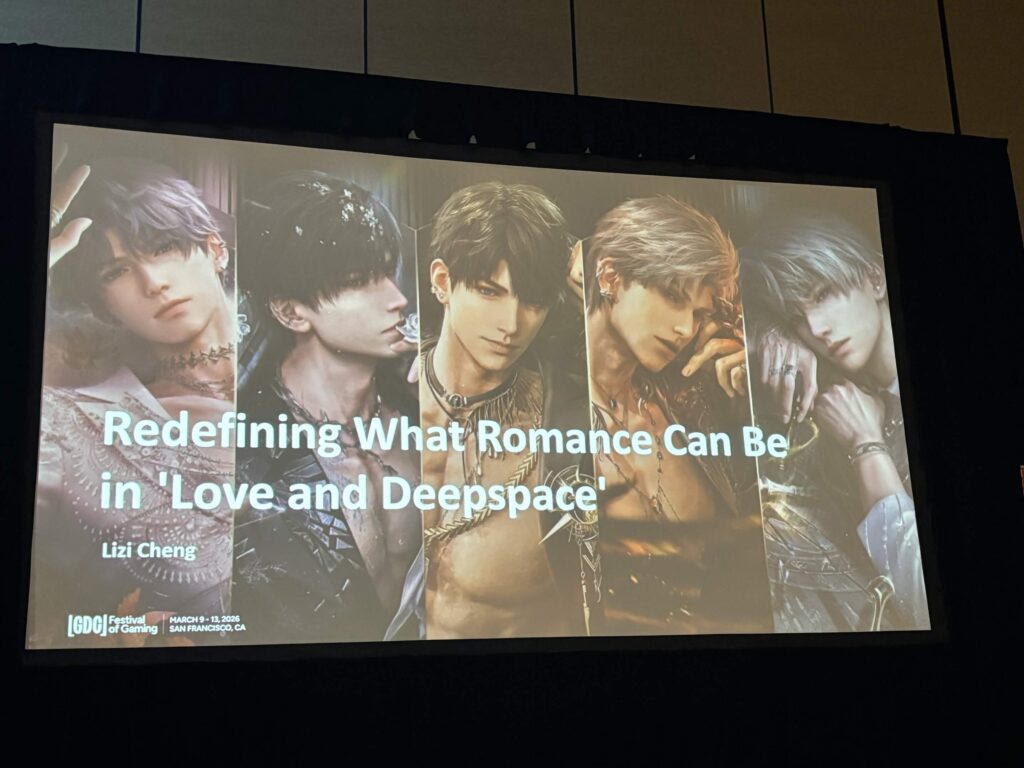
Love and Deep Space Talk:
Love and Deep space did a few workshops on romance and sex which some of us got to attend! In case you are interested below is an indepth summary of Nightrays notes but the general highlights of the talk included: the importance of character fidelity in forming emotional connections, the types of interactions romance games use and why, how combat can be sexy/romantic, and creating spaces within the game where romance can shine.
Designing Romance Through Systems – Love and Deepspace Overview Love and Deepspace is a mobile otome game that combines romantic storytelling, action combat, and daily-life simulation. The project took nearly six years of development and aims to expand the traditional boundaries of romance games. The key design challenge was: How can a romance game create deeper emotional engagement while attracting players who are not traditional otome players? The team explored this question through combat design, interaction pacing, and lifestyle integration. ⸻
Romance as a Gameplay System
Traditional otome games focus mainly on story and dialogue. Love and Deepspace introduces a different concept: Romance can also emerge from gameplay systems. The core idea: Fighting side-by-side creates a powerful form of romantic bonding. Design implications: • Shared challenges strengthen emotional connection. • Players and characters grow together through gameplay. • Emotional value can be delivered through mechanics, not only narrative. ⸻
Expanding the Otome Genre
To reach a broader audience, the developers combined three layers of gameplay: Romantic narrative • Relationship development with male leads • Character-driven storytelling Action combat • Cooperative battles with characters • Skill-based combat systems Daily-life simulation • Lifestyle interactions • Personal routines and companionship systems This hybrid structure allows romance to appear in both dramatic moments and everyday interactions. ⸻
Character Quality as Emotional Foundation
One of the biggest early challenges was player acceptance. Early reactions to the combat system were negative because: • Characters did not look convincing enough. • The romantic tone conflicted with awkward combat visuals. The team shifted strategy: Prioritize character fidelity first, then optimize for mobile.
Key upgrades included: • Character models reaching 100k–200k polygons • 500+ bones for animation • Higher-detail facial and movement systems Result: Players were much more willing to emotionally invest in the characters. ⸻
Interaction Pacing and Player Psychology
Another major issue was interaction timing. Players initially felt uncomfortable with some romantic interactions because: The emotional relationship had not been established yet. The solution was to redesign the experience order: Early stages: • More serious combat interactions • Limited intimacy Later stages: • Gradual emotional development • Increased romantic interaction This pacing aligns gameplay interactions with player emotional readiness. ⸻
Screen Orientation Design
The game faced a unique interface challenge. Romantic interaction works best in: • Vertical orientation (intimate face-to-face interaction) Combat works best in: • Horizontal orientation (wider battlefield visibility) The final solution was a hybrid system: • Vertical screen for narrative and relationship scenes • Horizontal screen for combat Although unconventional, players adapted quickly, and the switching behavior became a recognizable part of the game experience. ⸻
Emotional Combat Design
Combat mechanics were designed to reinforce emotional connection. Examples include: • Characters protecting the player during attacks • Cooperative attacks targeting enemy weak points • Dialogue and voice cues during combat These systems reinforce the idea that: Combat is not just gameplay — it is a shared romantic experience. ⸻
Integrating Romance Into Daily Life
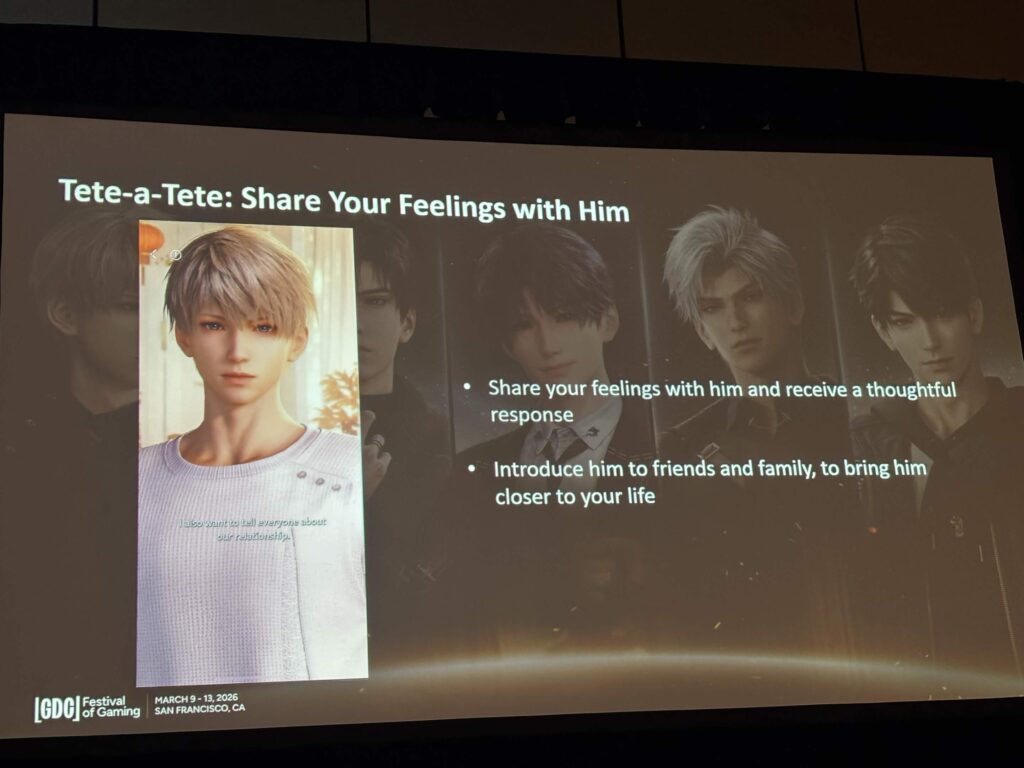
Beyond story and combat, the game extends romance into everyday routines. Players can: • Choose outfits for characters • Ask for food recommendations • Study, exercise, or rest together The game even includes lifestyle features such as: • Calendars • Diaries • Period tracking These mechanics blur the boundary between game interaction and real-life companionship. ⸻
Character Personality Systems
Each character behaves differently across gameplay situations.
Examples include: • Different attitudes toward activities • Unique interaction patterns • Distinct behavioral animations These personality systems help maintain freshness in repeated gameplay while strengthening character identity. ⸻
The Home System
The game introduces a personal home environment where players can invite characters. Features include: • Shared daily activities • Mood changes based on player behavior • Seasonal and event-based environmental effects These details reinforce the feeling that characters are part of the player’s life. ⸻ Key Design Takeaways
Romance can be expressed through mechanics, not only story.
Emotional engagement depends heavily on character quality.
Player psychology must guide interaction pacing.
Hybrid gameplay structures can expand niche genres.
Small daily-life interactions can significantly strengthen emotional immersion.