

Expanding Research into Design Directions
Following our consultation with PT expert Ian Lonich, we received a detailed list of balance and gait training exercises, supported by reference videos and practical definitions. His breakdown of reactive, dynamic, anticipatory, and static balance, together with guidance on gait training, gave us a clear framework for identifying movement types that translate well into playful experiences. Ian emphasized targeting stride length, foot clearance, and reactive balance—skills central to fall prevention and mobility improvement. This resource not only sharpened our design focus but also inspired a wave of new brainstorming.
Client Consultation with Magnes AG
We also met with Conrad from Magnes AG this week for an in-depth discussion on how gameplay can connect more meaningfully to real-world rehabilitation. Conrad emphasized that success in the game should map onto daily living activities—so that players not only feel rewarded in the virtual environment but also see improvements in their everyday mobility.
He encouraged us to explore simple, intuitive scenarios such as stomping to keep animals away, toe-tapping to stoke a campfire, or rhythm-based actions tied to familiar movements. These examples reminded us that playful interactions can remain lighthearted while still reinforcing therapeutic goals.
Another key takeaway was the importance of balancing fun, clinical relevance, and accessibility. While more complex rhythm or dual-task exercises may be powerful, the focus should remain on designs that are engaging, safe, and approachable for our target audience.
From Research to Gameplay Concepts
Using Ian’s clinical guidance and Conrad’s technical insights as a foundation, the team explored how therapeutic exercises could be reimagined as engaging, low-pressure games. Several standout ideas were developed:
- Tandem Walking → Log Walk or Garden Path
Players carefully walk along a narrow log or stone path. Gentle missteps trigger lighthearted effects—like splashes in shallow water or poofs in a zen garden—ensuring a safe, non-punitive experience. - Heel Raises → Bird Watching
Simple heel-raise movements tie into a calming bird-watching scenario, encouraging repetition through curiosity and discovery. - Animal Food Raid
A reactive balance challenge where players step quickly in different directions to chase away raccoons or squirrels trying to raid their camp’s fridge. - Changing Terrain Hike
A gait adaptation experience where players cross terrains such as mud, sand, snow, and streams. Each surface demands different pacing and rhythm, with playful “fail moments” like sinking in mud or rolling into a snowball.
After reviewing these options, the team decided to begin development with Heel Raises → Bird Watching, as its simplicity, clear mapping of movement-to-action, and calming theme make it an ideal starting point for prototyping.
Technical Direction and Faculty Consultation
In parallel with creative exploration, we refined our technical approach. After consultation with ETC faculty Tom Corbett, the team confirmed a pivot from Unity HDRP back to URP. While HDRP allowed for advanced lighting effects, URP offered the better path forward—supporting smoother performance, broader accessibility, and more efficient iteration cycles. This adjustment will allow our artists to pursue a stylized yet approachable aesthetic without overburdening the system.
Outreach and Collaboration
Our collaboration with external professionals also deepened this week. Building on Ian’s insights and earlier outreach efforts, we expanded conversations with physical therapy clinics and specialists to ensure our design directions align with therapeutic best practices. These dialogues now focus on validating balance- and gait-oriented ideas and identifying opportunities for future playtesting in clinical and community settings. Strengthening these partnerships will be essential for grounding our prototypes in both medical expertise and user realities.
Next Steps
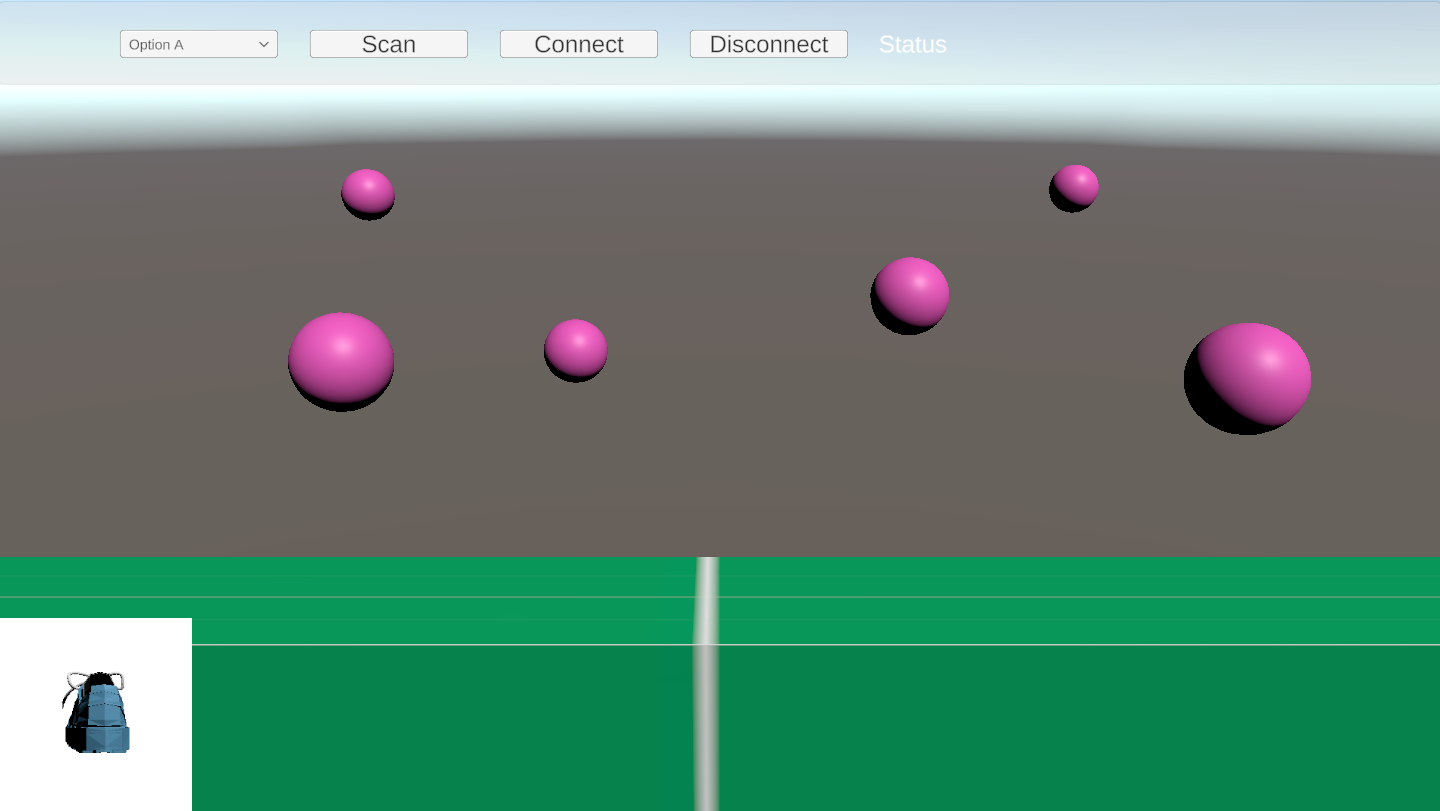
Moving forward, we will refine the Bird Watching prototype and test how shoe-detected heel raises can map onto intuitive, rewarding interactions. At the same time, we will continue cultivating partnerships with PT professionals to prepare for user-informed iteration and clinically relevant design.
We also learned this week that in Week 5 we will have the opportunity to showcase our project to a major, undisclosed footwear company. Preparing for this presentation will be a major focus of our upcoming work, as it represents both a chance to share our vision and to gain valuable external feedback from industry leaders.
Comments are closed