
One day in October, James discovered the potential of creating a cross-screen experience from this ACM paper: Dynamic tiling display: building an interactive display surface using multiple mobile devices, and he thought, “such fun is having the phones connect physically as if no borders, we should make a game out of it!” Since then, the pitch team Borderless was created.
Creativity is most effective when it is constrained within a few parameters. In the beginning, we had almost no constraints. Anything was possible, and I’ll list everything out here to show off our extensive exploration in this whole space:
Zoom – the magic moment of reveal upon connection

An improvisational acting group problem solving activity was Zoom, where each person receives an individual page from the picture book Zoom by Istvan Banyai, which starts from a crown of a rooster to pictures that were zoomed out from that picture. Without showing your own picture to another participant, simply by describing the content verbally, the goals of the group is to line their pictures up into a coherent sequence.
The magic here was that, it was only after communicating with other people, will the fact that the pictures are zoomed out sequences register as a problem solving clue. When the pictures finally get revealed, there was always a sense of awe and wonder of the connection.
This was what we wanted to achieve with the phones connecting too!
Pastime during Line-ups – a multi-screen shared experience
While sharing our idea with ETC faculty Mike Christel, we stirred up excitement for a multiplayer experience with phones, a technology so ubiquitous yet so often associated with disconnection. An often brought of experience idea As our team member Ian often says: “Phones make humans distant, but our experience aims to use the technology to achieve something the opposite!”
In this phase, we also explored how technically phones can be synchronized (with the suggestions from Vivian Shen, another ETC faculty):
- Using Apple AR toolkit to detect shared environment -> we might lean into 3D experience instead of 2D.
- AcUro tags, fiducial markers designed so a camera can detect it. -> this would mean we’ll have to design an experience that constantly allows camera and lighting to be detected.
- Stations around the room to detect movement -> this make us go towards a location-based installation and would require much setup.
Through these, we realized as a team that we were secretly bias towards an experience that is 2D, has easy setup, and can be played anywhere.
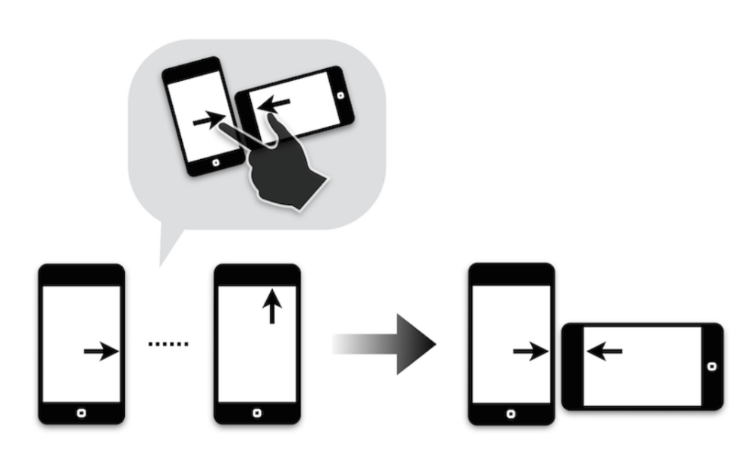
Then, this paper showed up MovieTile: interactively adjustable free shape multi-display of mobile devices. In this paper, it details how multiple touch displays get synchronized through swiping across two phone screens in a pinch gesture for the two devices to know when they are “connected”. This would allow us to have standalone phone setups!! Now, the it was only the matter of choice to make the swipe gesture a design constraint to design for!
Infinite Canvas – expanding the story by adding frames
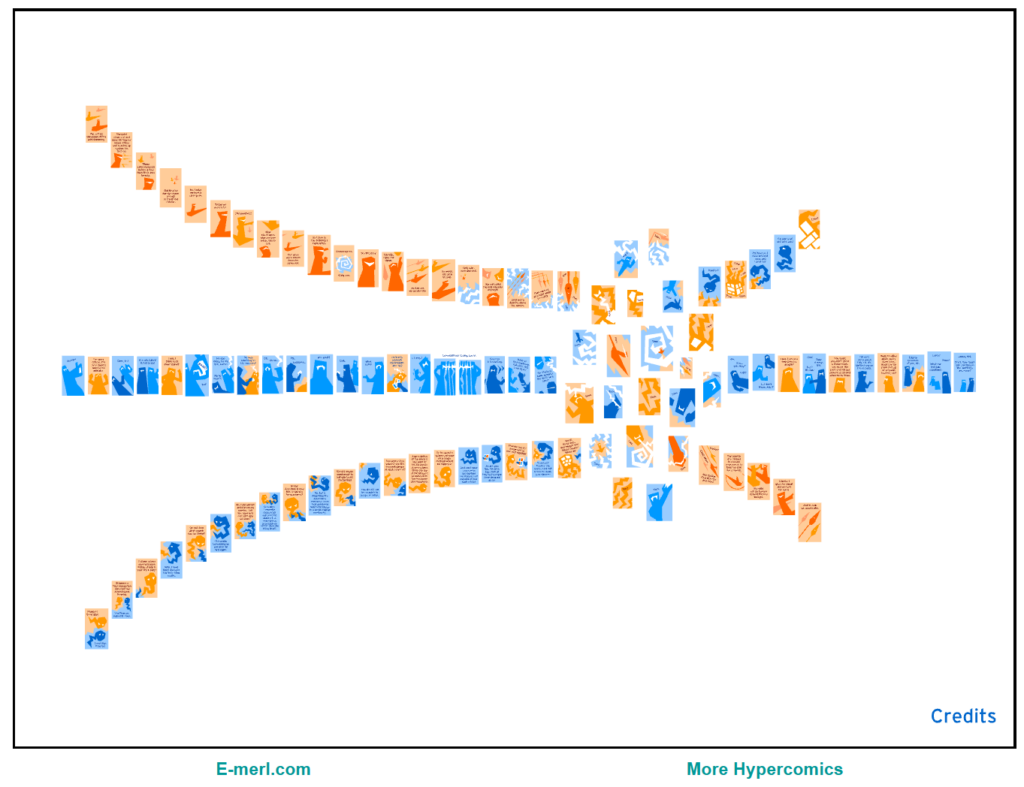
Scott McCloud’s book Understanding Comics became a huge point of reference after we started developing our game, but even earlier, we were fascinated by the concept of infinite canvas, and what that means for using (comic) frames to expand story!
The Interactive References
The game references, to be more exact! We looked at various designs that involved breaking apart screens and frames, and used that as a core mechanic.
Sifteo Cubes
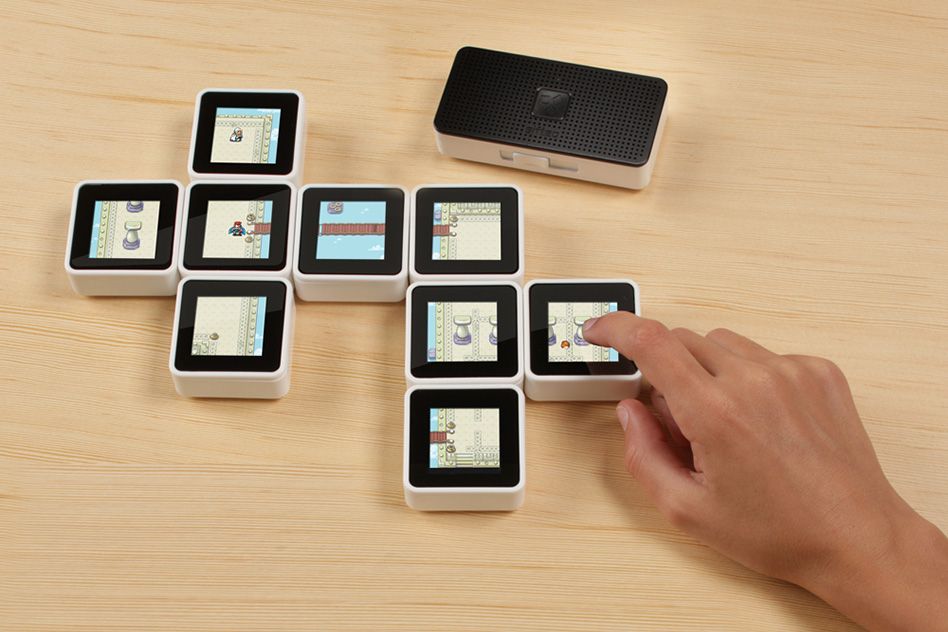
Description here
Gorogoa
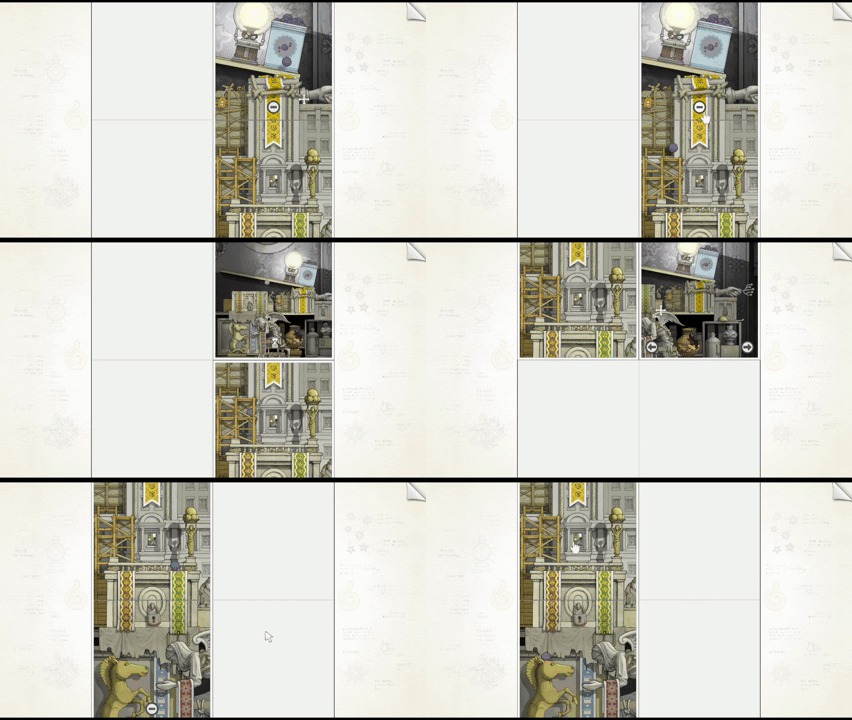
Description here
Moncage
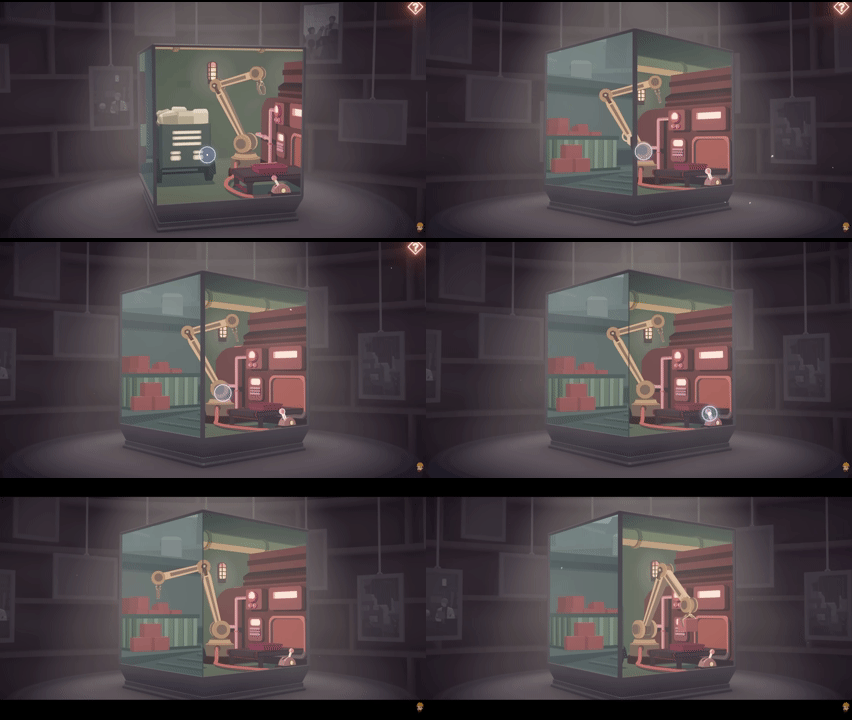
Description here
Family Style
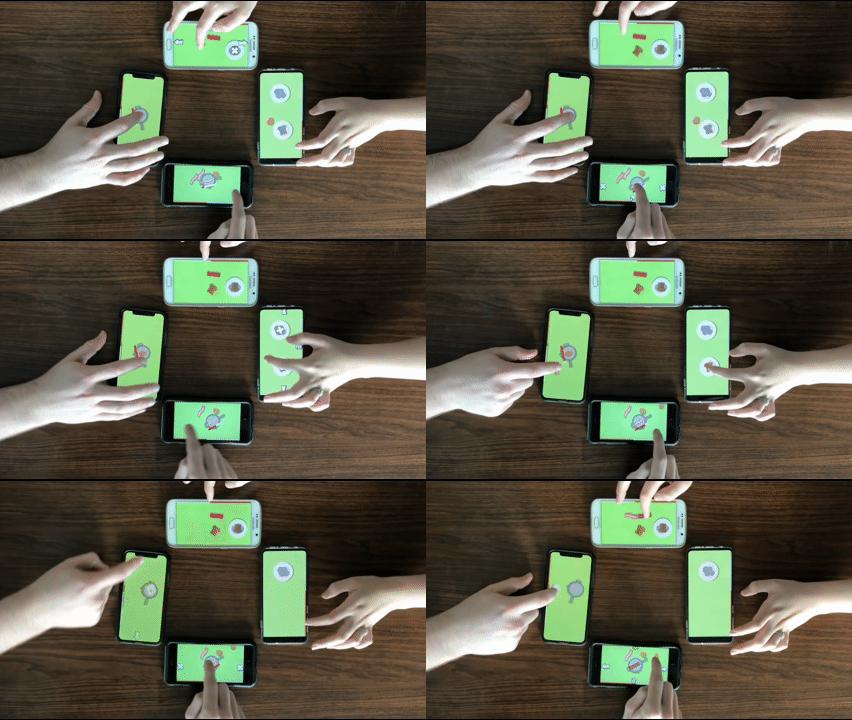
Description here
Betrayal on the House of the Hill
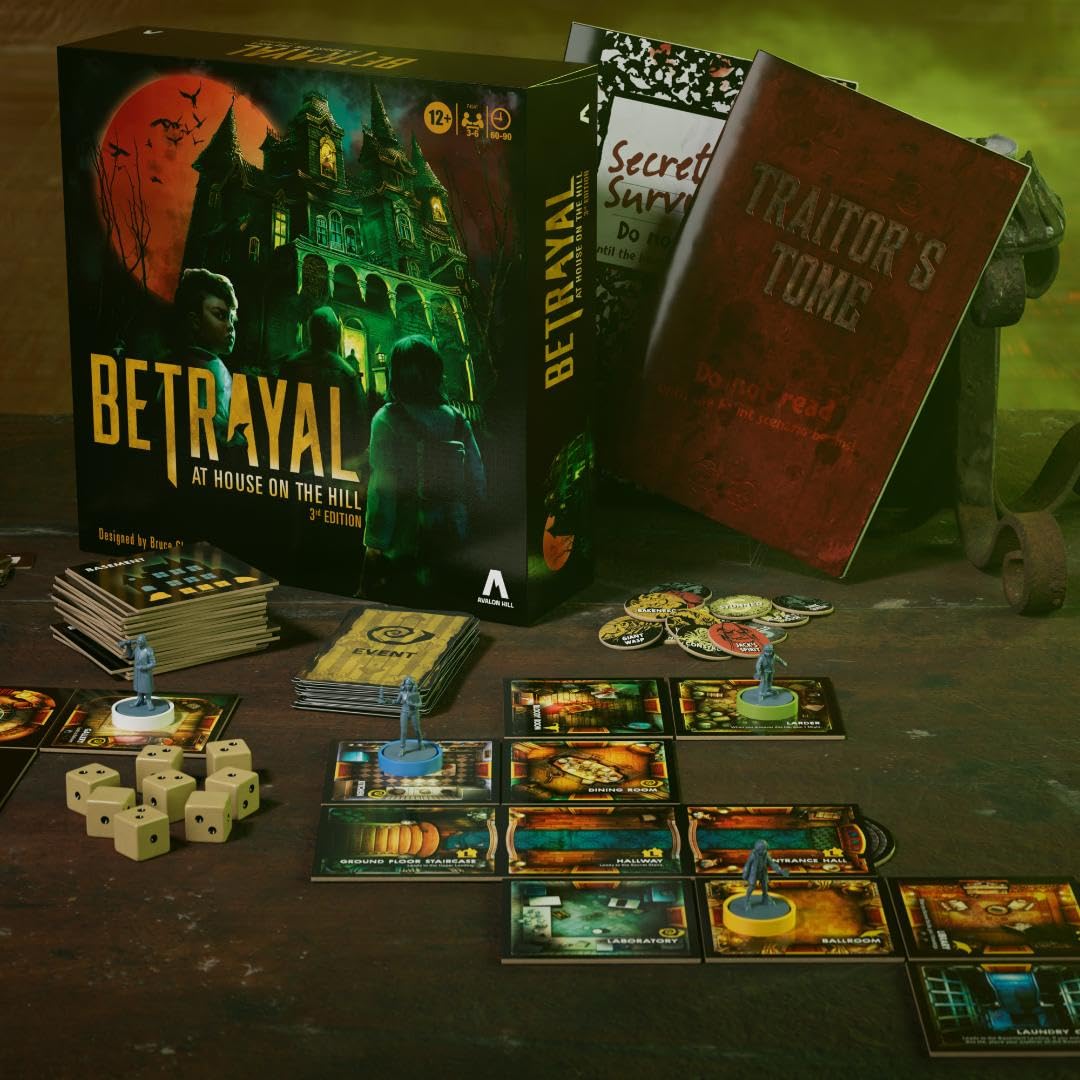
Description here
DUAL!
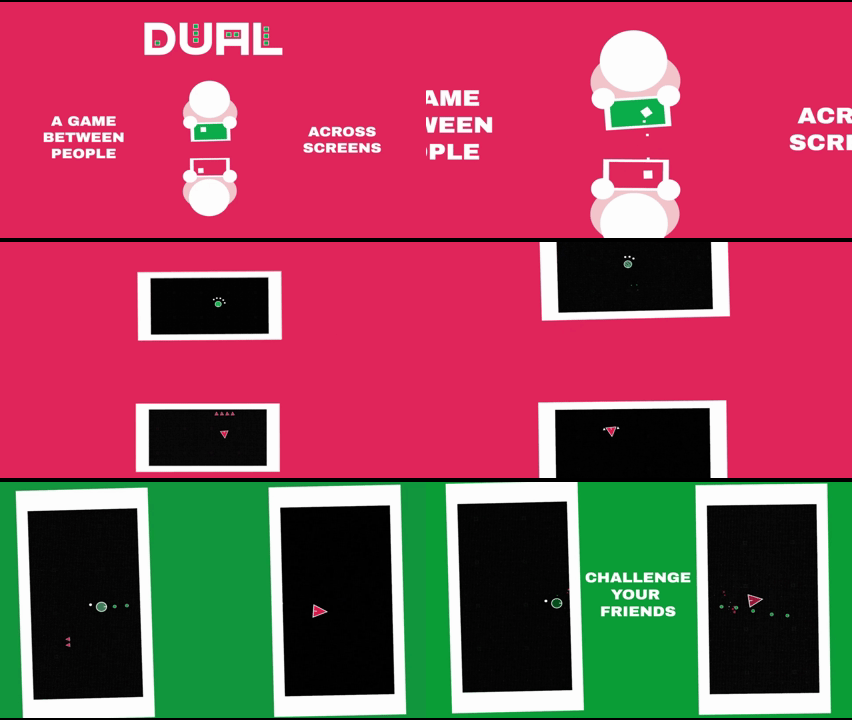
Cool arcade-y game that really showcases how in-person multiplayer interactions can be in a multi-phone space. This is a really simple showcase of that simple player experience goal realized into one simple game. In fact, through the game’s limitation that only long edges can “connect” to another long edge (from a distance), it indirectly controlled players have to sit across from each other.
However, we want more, more subtlety, and more visual integration.
Framed
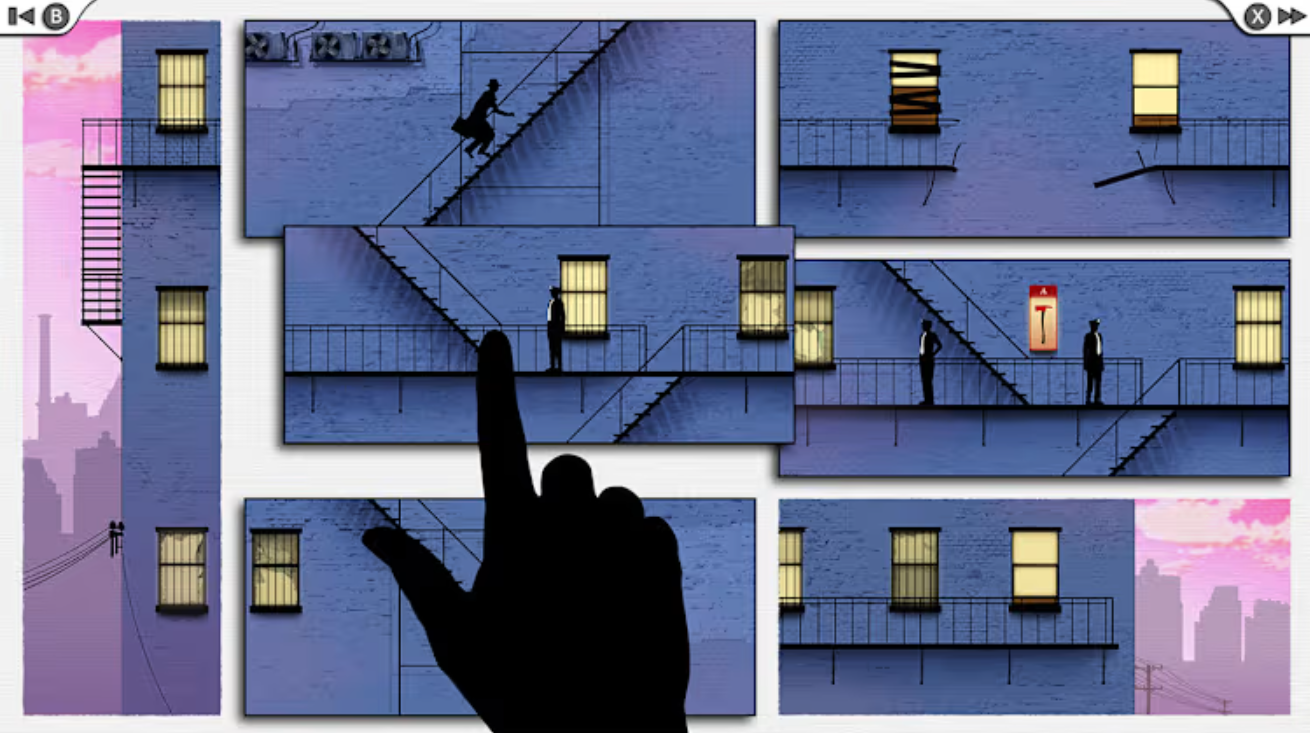
Description here. Describe framed. But we did not need it because it’s like a platformer that we did not like. ….. like how should I translated this…..
Burgle Bros (mobile version)
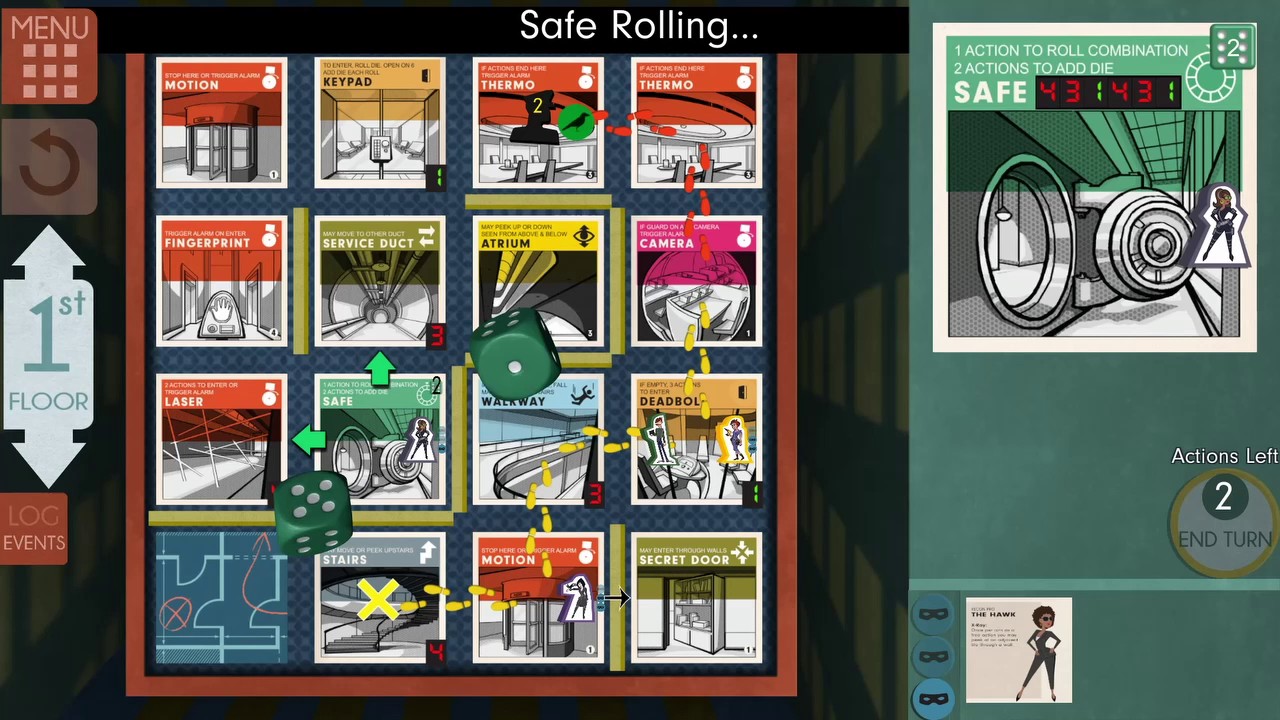
Description here
Florence
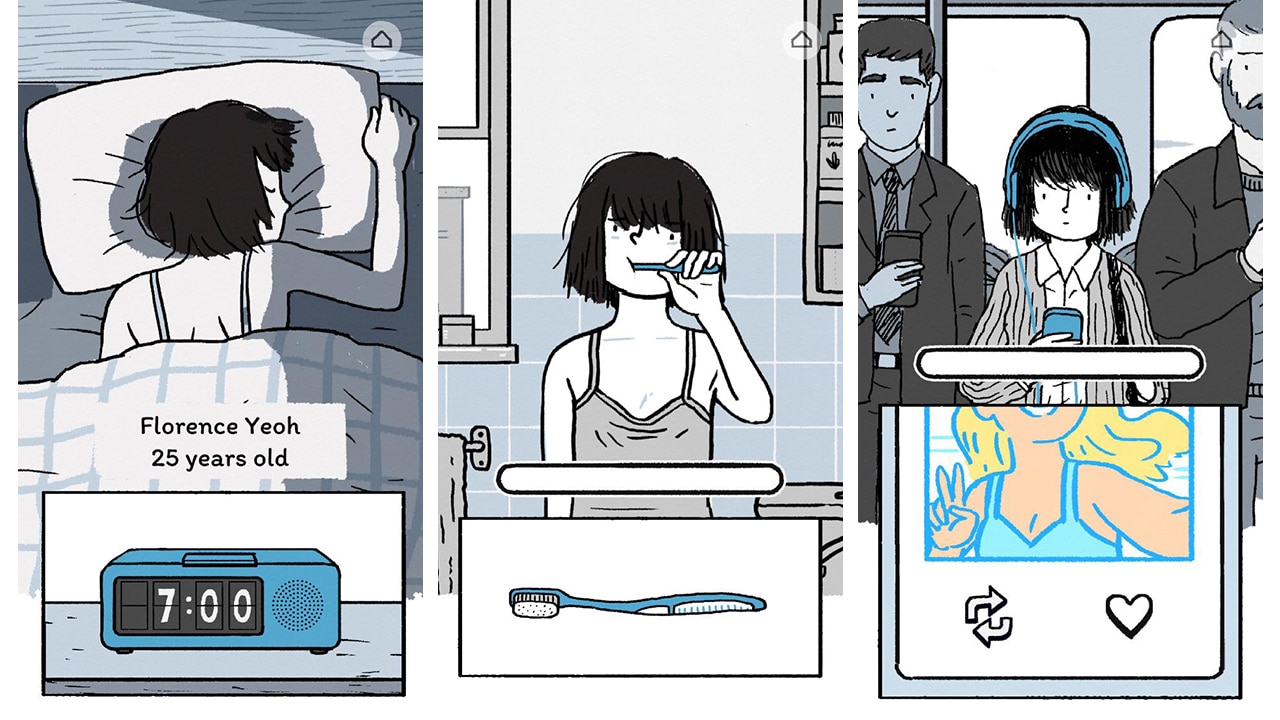
Mechanics embodies the emotional landscape of the main character. There was a particular puzzle we were most drawn to: the drifting chapter includes a torn picture of two people hugging that we had to solve through jigsaw puzzling it up together. The catch was: the pieces continue drifting away from each other, making it extremely difficult to get the picture to the right formation. That actually symbolized how the two characters were drifting emotionally apart! Such clever mechanics + narrative integration is what we are aiming to achieve.
The Content Explorations
Billy’s Balloon – the art of subtle and profound storytelling from simplicity
Moebius – detailed art is opportunity for visual puzzles (literally)
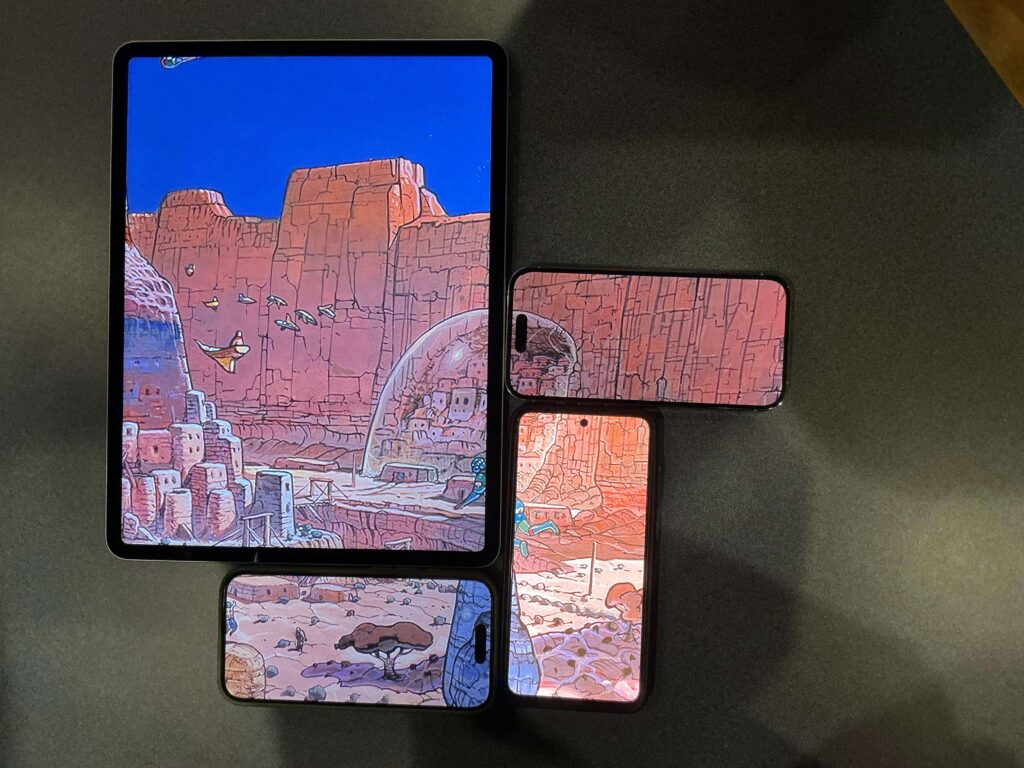
ok go phone video – how can we go from scripted to improvisational phone play
Match cuts – visual matching as a technique to progress the meanings of the pictures
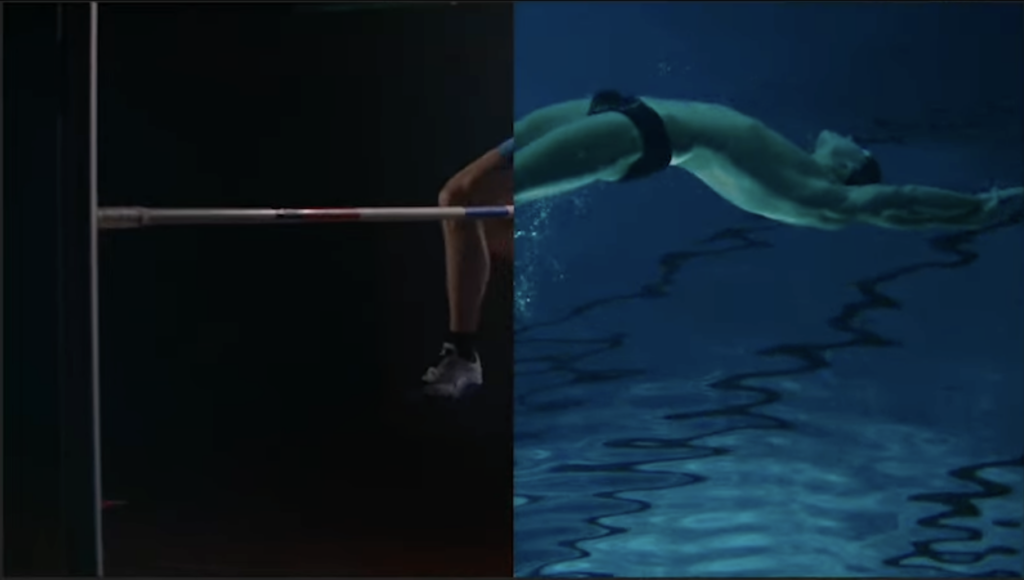
What about playground games!
After a brief chat with our faculty Jesse Schell, we realized the potentiality of bringing the phones around in space like how you would in a playground game. Imagine a phone carrying water while another phone shows a fire! If designed well and the fire phone cannot move, but the water phone leaks water as they move, then that would be extremely interesting!
This, however, would focus a lot on the accelerometer of the phones, the physicality, and might the narrative of the content. With our team member’s specialties being in narrative design.
What we ended up pitching – the vertical phone
The Heist of the Louvre – an architecture approach to the game world
[Put pictures and descriptions]
Conclusion
Lots of possibilities. We sold the vision, pitched it, and now we’re ready to actually make a commitment, right?