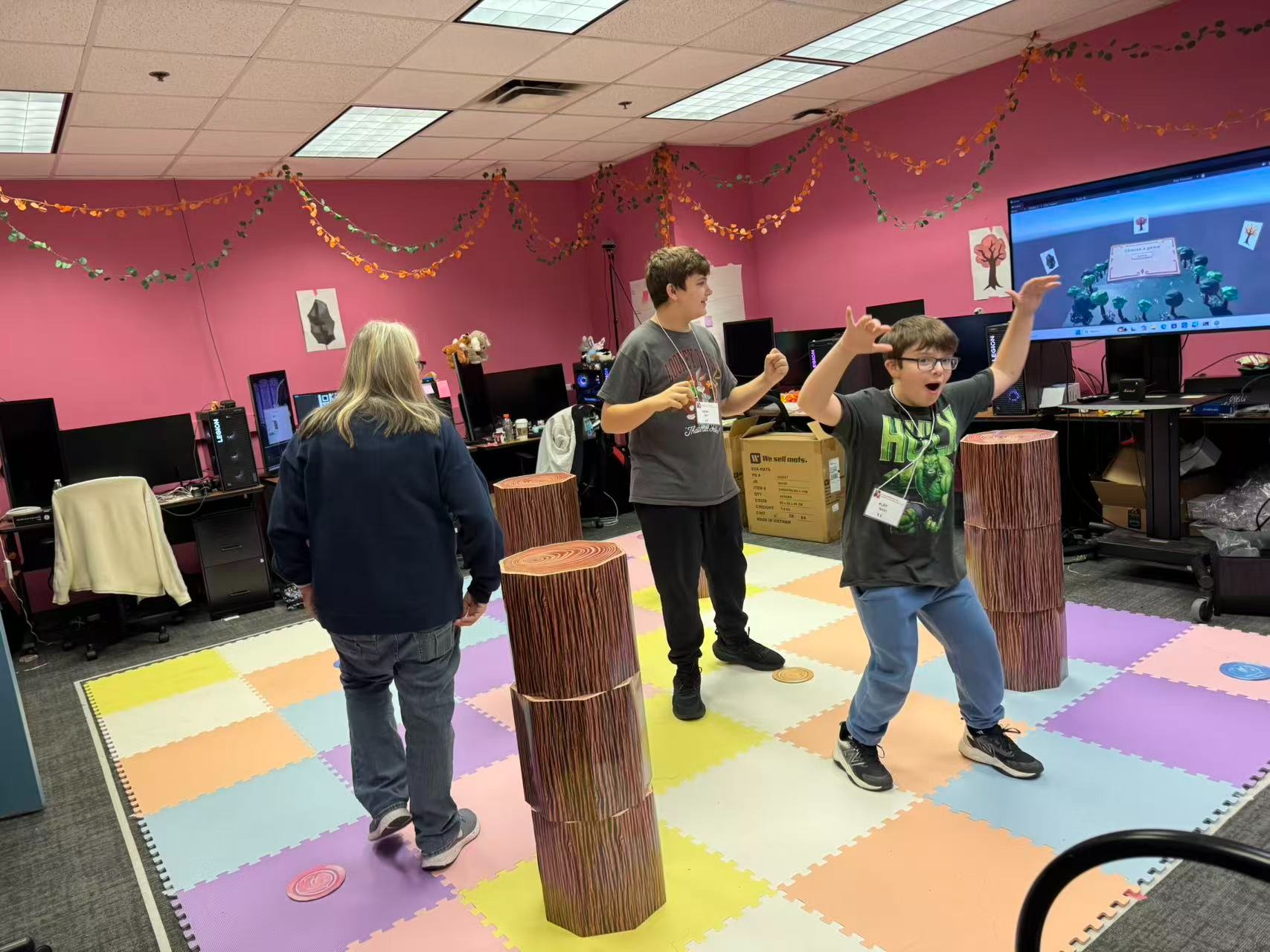
This week, our team reviewed the results from ETC Playtest Day, continued improving our technical setup, and discussed the direction of our third mini-game. The playtest gave us a better understanding of what is working in our current prototypes and what still needs improvement before Fall Festival.
What We Learned from Playtest Day
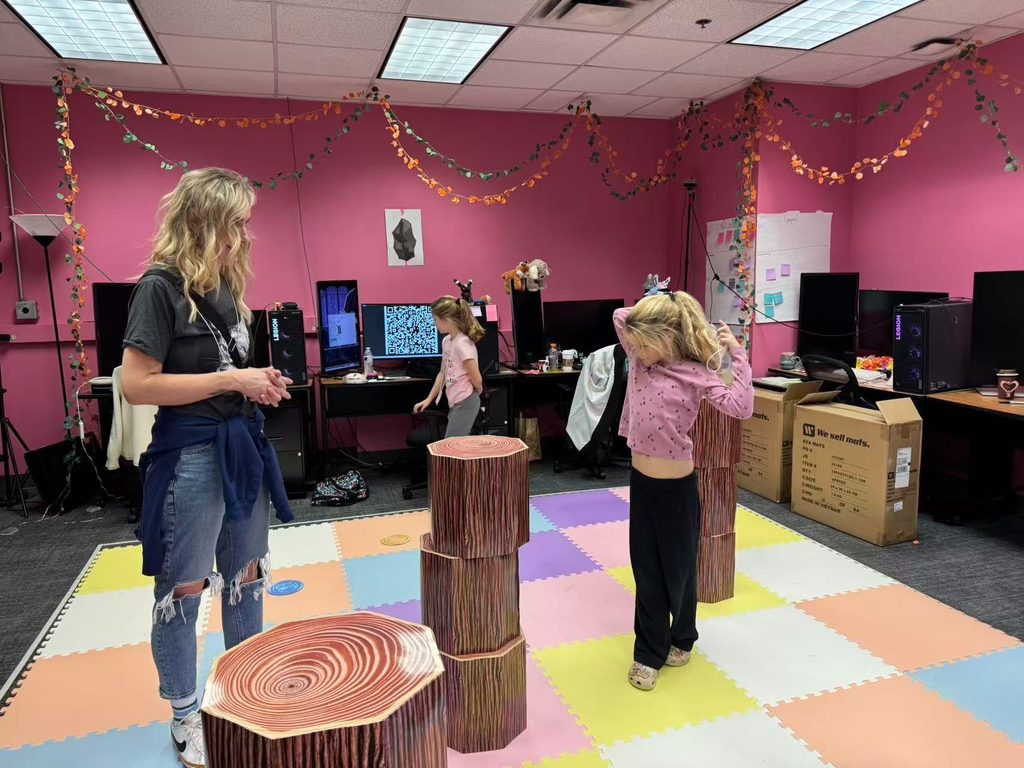
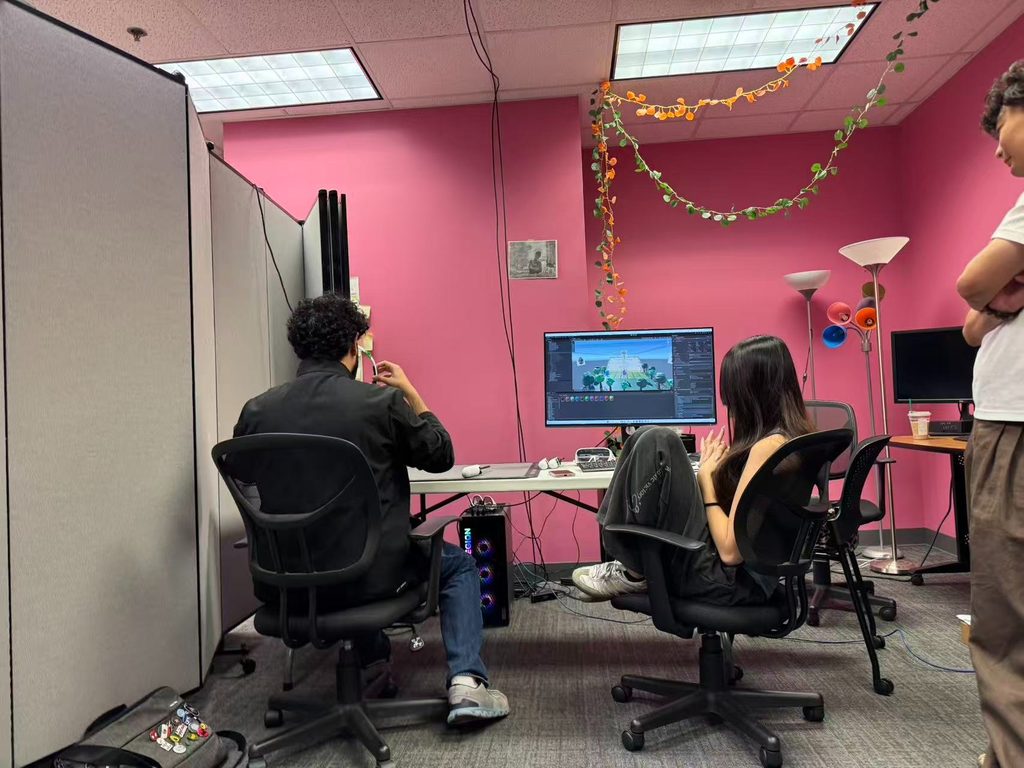
We collected 18 survey responses from Playtest Day. Overall, 17 out of 18 participants rated their enjoyment at 3 or above out of 5, and 10 rated it 4 or 5. While the results were encouraging, the feedback also showed that our game rules, objectives, and action feedback still need improvement.
One of our biggest changes was introducing a second screen for room players. This made a noticeable difference, especially in Balancing. Players could see the platform’s state and understand how their movement affected the game. We also tested a competitive version of Balancing, where the Tilt Five player drops objects to disrupt the platform while room players try to maintain balance.
Players particularly enjoyed running around, recovering from large tilts, and dropping objects. However, some still found the platform physics confusing or felt that the difficulty needed adjustment. We will continue refining the responsiveness and balance of the game.
For Hiding, the screen also allowed us to move away from physical collectible coins and use virtual collectibles instead. This gave us more flexibility, but the playtest revealed that the game’s objective was still not clear enough. Some players were unsure whether they had collected coins, how to coordinate their movement, or what they were ultimately trying to achieve. We plan to revisit the core gameplay loop rather than only adding more feedback.
Improving Our Technical Setup
Alongside gameplay development, we made progress on the physical room setup. We installed the second display, prepared another computer for the demo, reorganized cables, and added lighting to the play space.
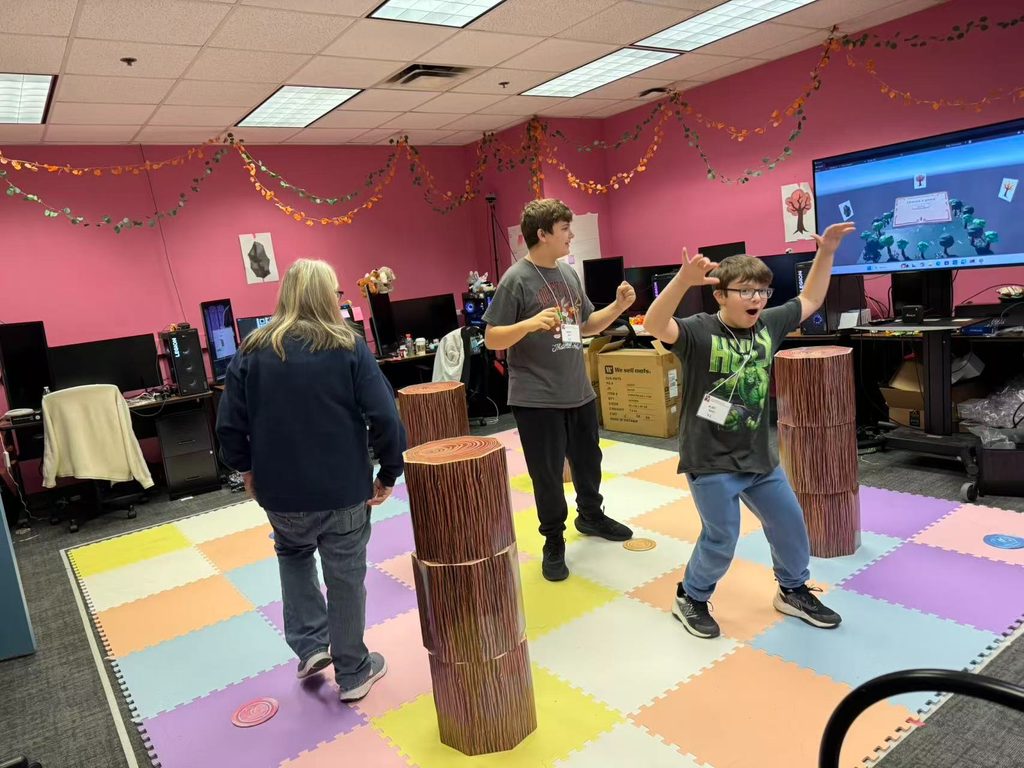
For Balancing, we implemented the competitive mode with drag-and-drop objects, additional visual effects, and updated UI. We also improved the interface and orientation indicators to make the experience easier to understand.
These changes helped us run Playtest Day with a more complete setup and gave us a clearer foundation for further iteration.
Rethinking Our Third Mini-Game
After Playtest Day, we met with Dave to discuss our third game, Growing Magical Flowers. Our original goal was to create a different communication dynamic from our previous games, where room players would take more initiative rather than mainly following the Tilt Five player’s instructions.
Our initial concept involved room players standing on specific tiles to provide the elements needed to grow flowers, while the Tilt Five player performed corresponding magical interactions.
Dave pointed out that although the individual tasks were defined, the relationship between the players and the source of the gameplay challenge were still unclear. He suggested looking at games like Overcooked, where individual actions are simple, but time pressure, multiple simultaneous tasks, and limited player capacity create interesting decisions and communication.
We decided to explore this direction for our third game.
Instead of focusing on complicated puzzles or instructions, we want to experiment with a faster-paced cooperative experience built around simple physical interactions, such as moving between tiles and standing in specific locations. The challenge would come from coordinating multiple tasks under time pressure.
An important distinction Dave raised was the difference between telling players what to do and discussing what the team should do together. We want to encourage more of the latter, giving both room players and the Tilt Five player meaningful decisions and reasons to communicate.
We are still working out how to adapt this structure to our physical grid and how the Tilt Five player’s role can complement the room players’ actions. We also need to reconsider how the theme supports the pacing and mechanics, since growing flowers naturally suggests a slower activity than the fast-paced coordination we are exploring.
Next Steps
For the coming week, our priorities are to implement and test the changes to Hiding, develop a basic prototype of the third game, and continue refining the art and visual feedback.
Our goal is to playtest the third game and evaluate whether its cooperative structure creates the communication and player agency we are looking for. We will also continue improving the existing games based on Playtest Day feedback.
With Fall Festival approaching, we are shifting more of our attention toward making each game’s core interaction clear, engaging, and understandable for first-time players.