Author: SteeevV

  • Week 12 – Grinding

    Overview

    Week 12 was mainly about grinding on details based on continued internal and external playtest feedback. As Softs got closer, the team focused on making the build clearer and more intuitive, especially around navigation, shrine readability, player guidance, and narrative communication. This week was less about adding big new systems and more about improving how the existing experience was introduced and understood.

    Weekly Focus

    • Continue iterating based on internal and external playtest feedback
    • Improve narrative, navigation, and tutorial
    • Prepare the build for Softs

    Progress Update

    Tech

    • Focused on getting the build ready for Softs by fixing bugs and making things more intuitive
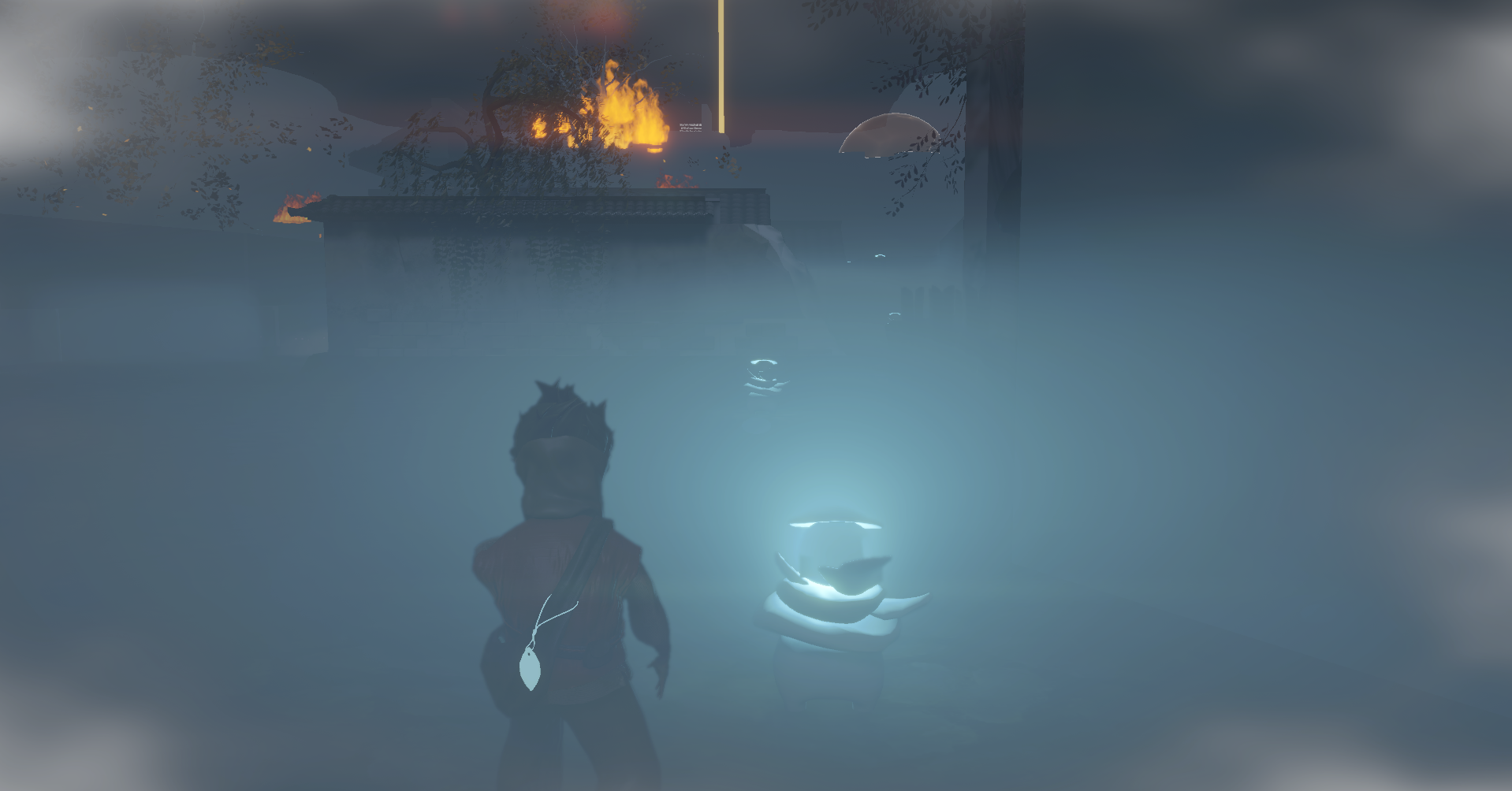
    • Improved mist-cast visuals and mist-cast advice
    • Added and refined more shrine interaction effects and activation feedback
    • Made shrines more noticeable with permanent lights and glowing attractors
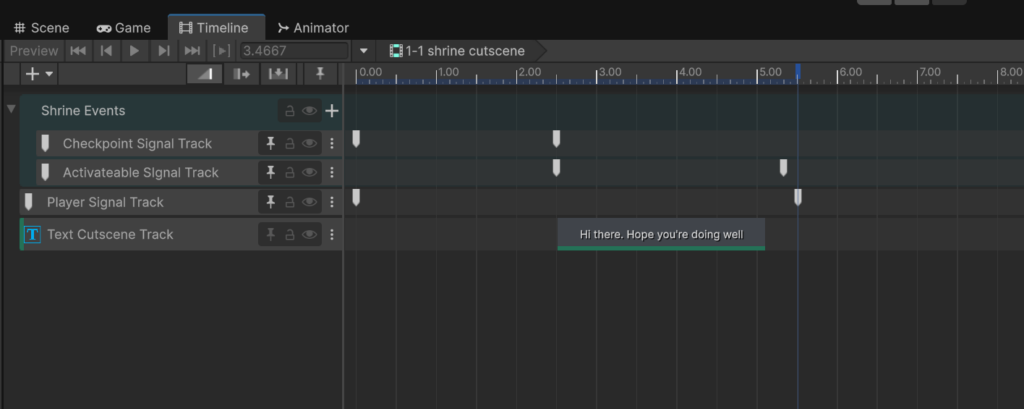
    • Added and updated cutscene text at shrines and for collectables
    • Improved firecracker UI and shrine-related firecracker reset logic
    • Moved the mist-cast UI closer to the player, and only when casting
    • Changed the sprint so it no longer slows down in mist, but drains more energy
    • Fixed multiple terrain, decal, mist, collision, and shrine-related issues
    • Continued dealing with crashes and lighting-related frustrations

    Art

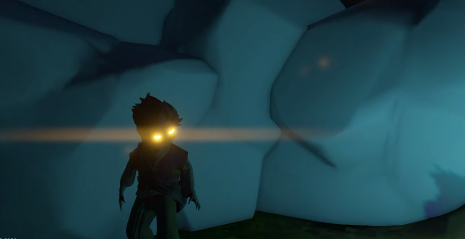
    • Updated basic enemy silhouettes
    • Updated the lantern enemy texture
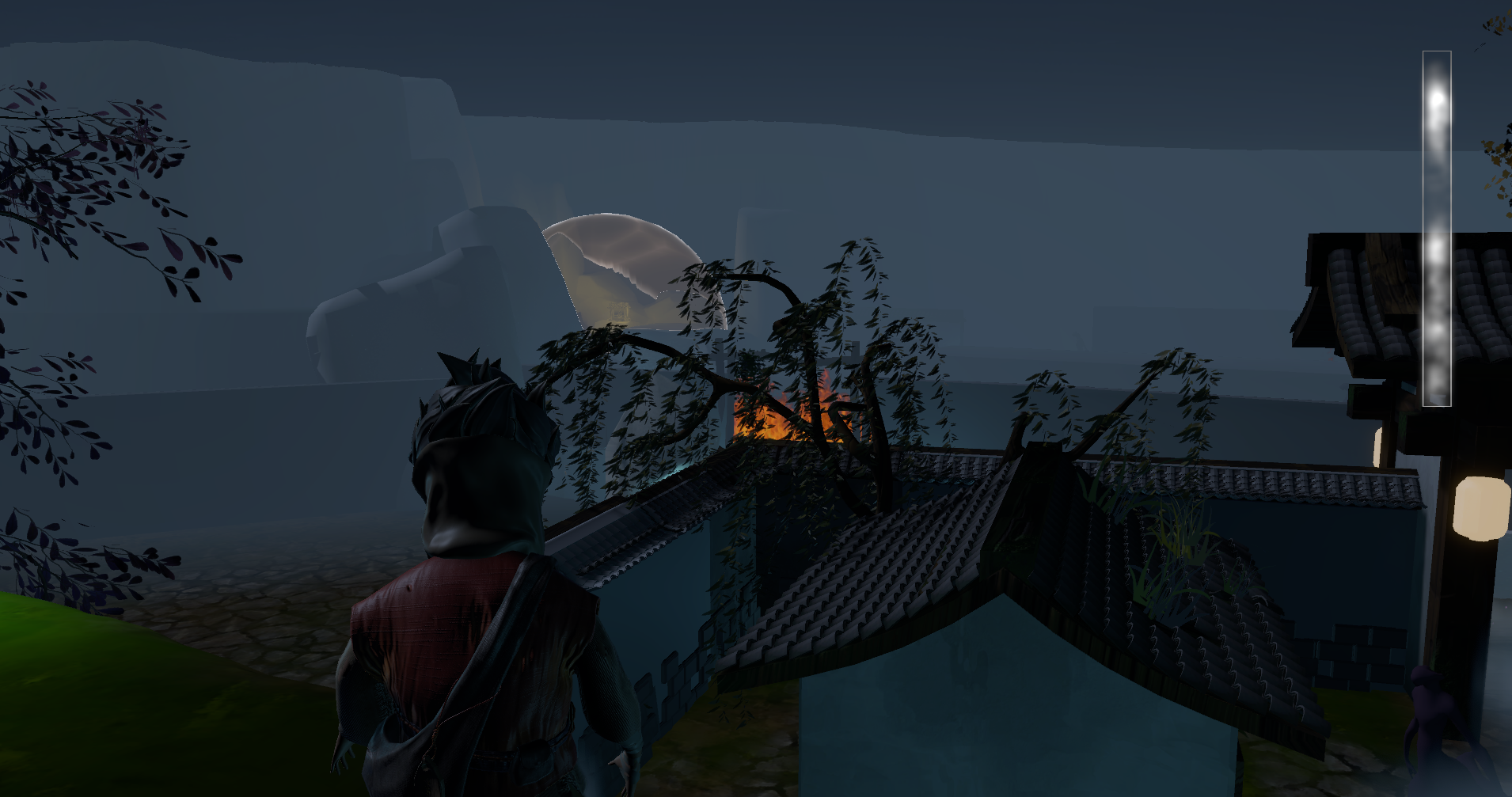
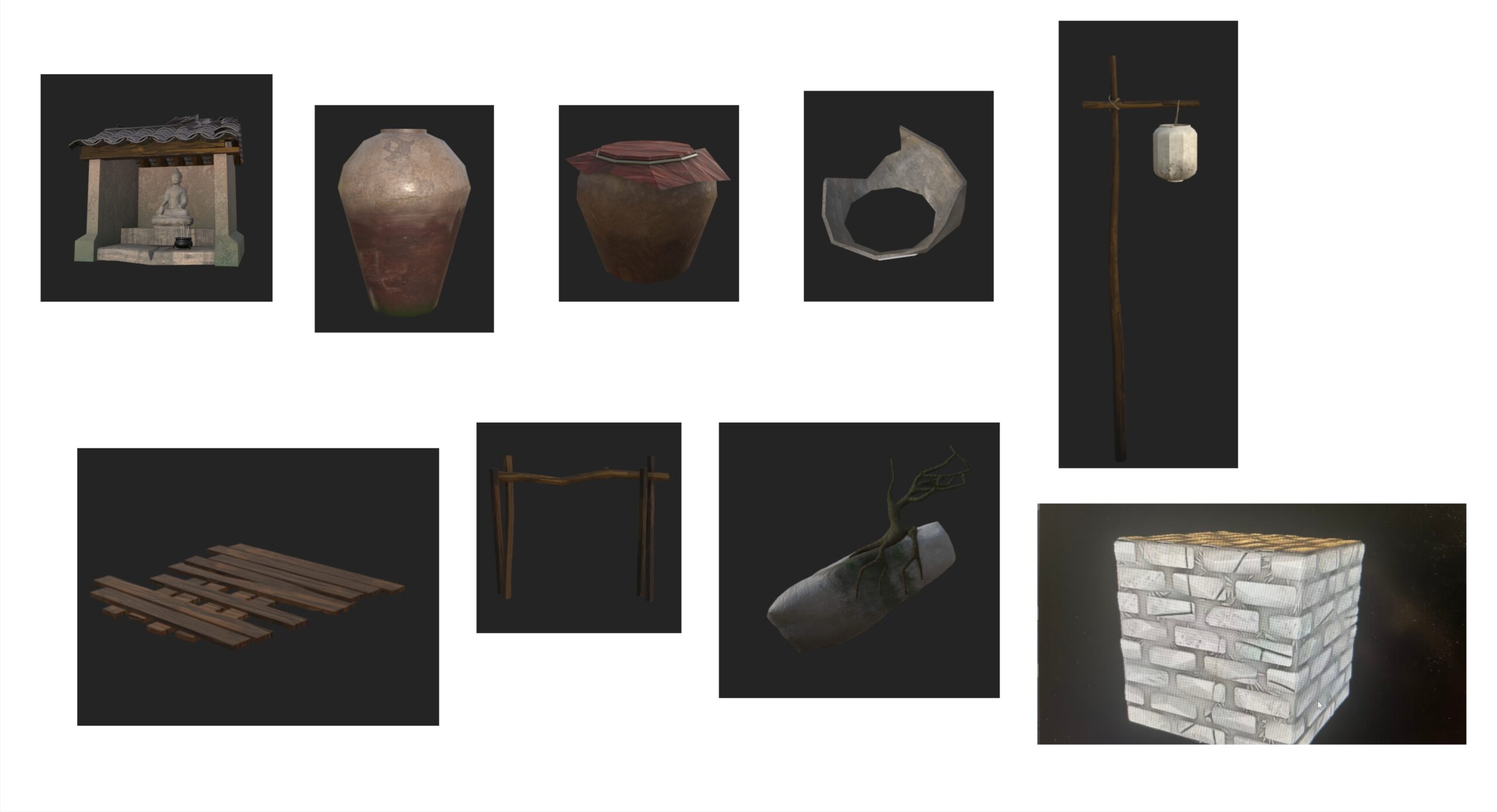
    • Updated environmental assets for Section 2
    • Updated the skybox
    • Updated terrain
    • Updated lighting effects
    • Updated the gourd bottle model
    • Updated the firecracker model

    Sound

    • Updated SFX for narrative pop-ups
    • Adjusted SFX volume when in the mist

    Design & Production

    • Redesigned Section 2-1 based on the latest playtest feedback
    • Updated Section 1-1 again to continue improving navigation
    • Added Section 0 as a tutorial space
    • Updated pop-up control instructions
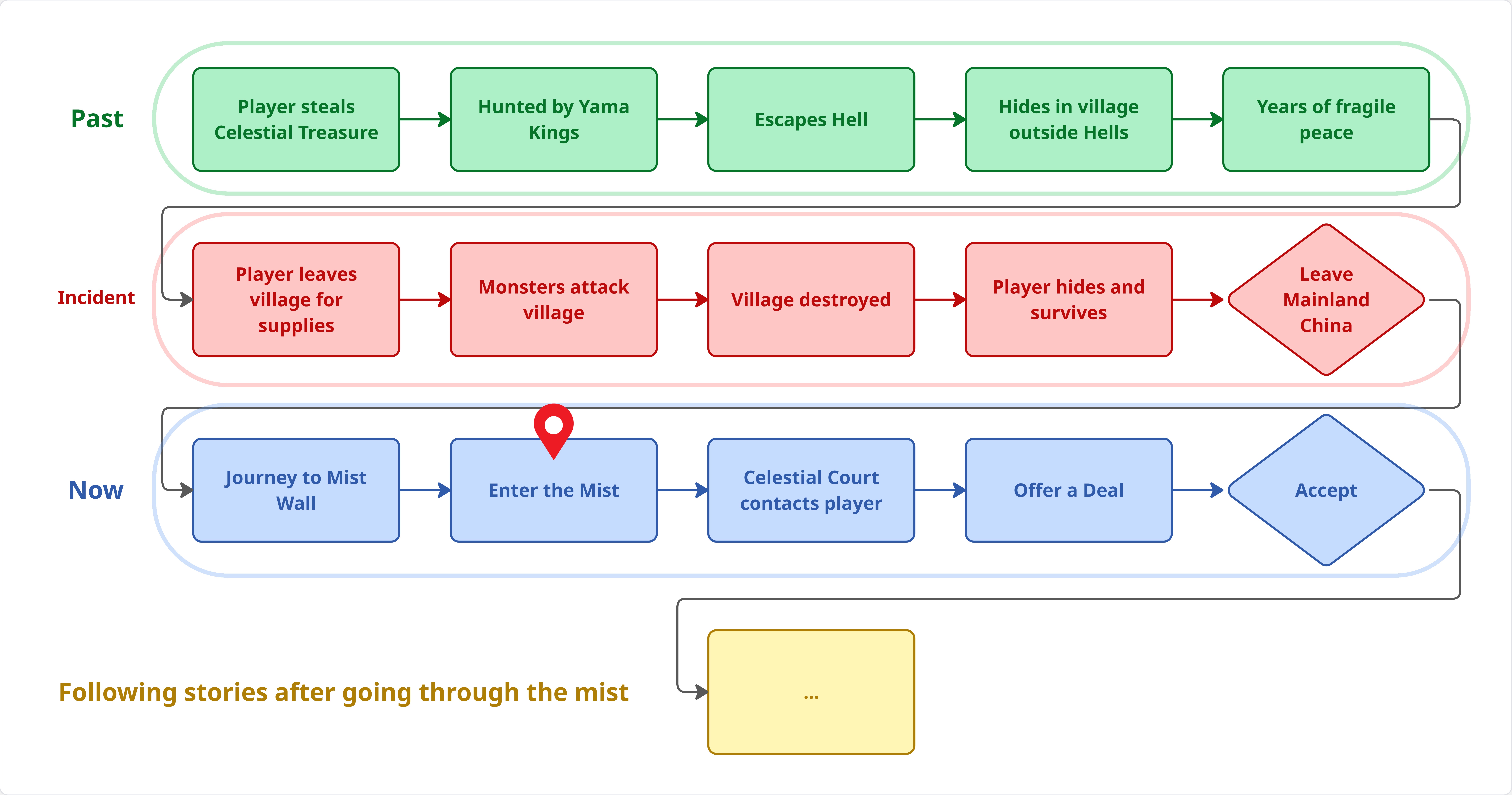
    • Added Celestial Court narrative on shrine activation
    • Added the Celestial logo to each shrine to improve pathfinding
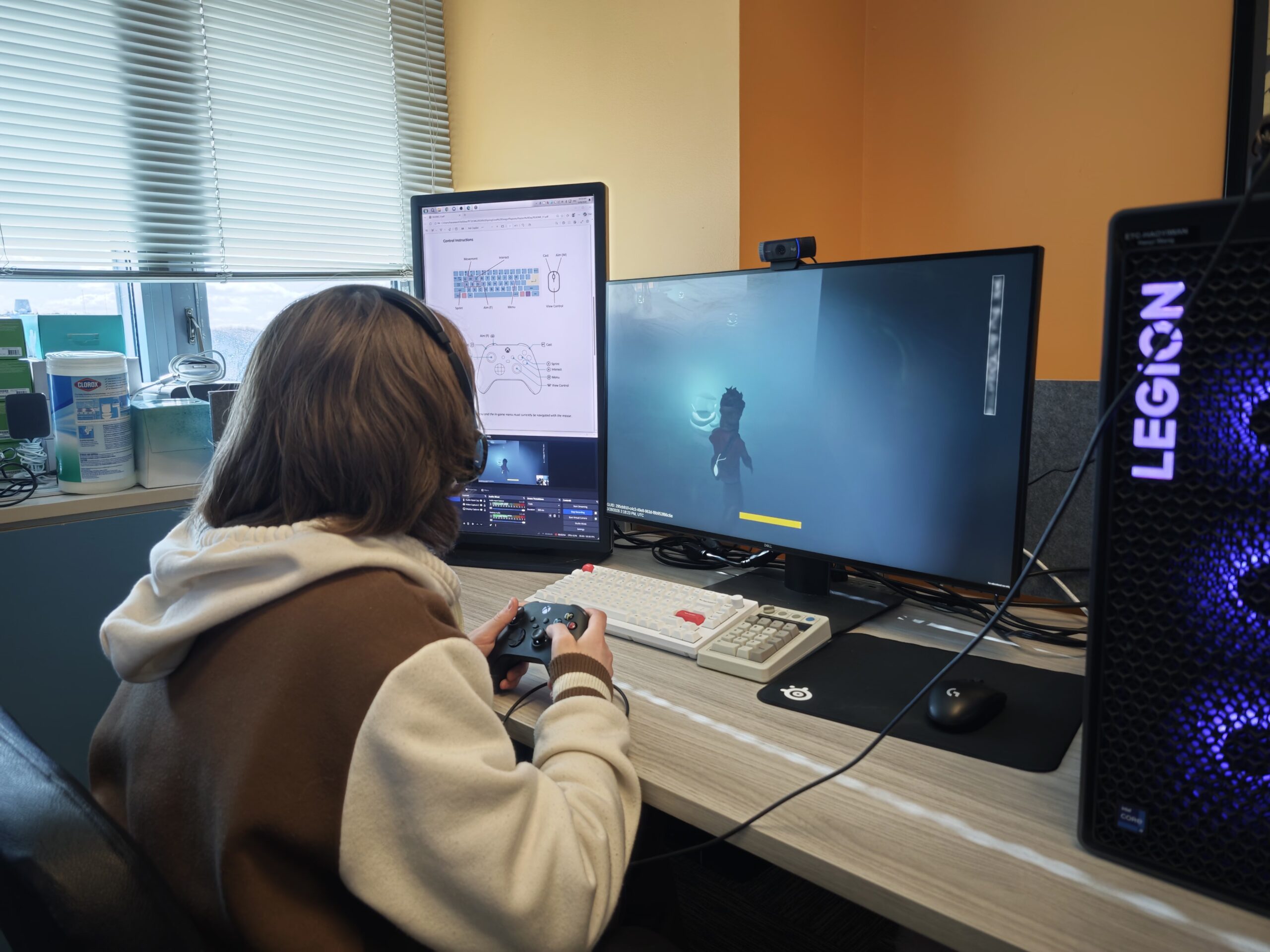
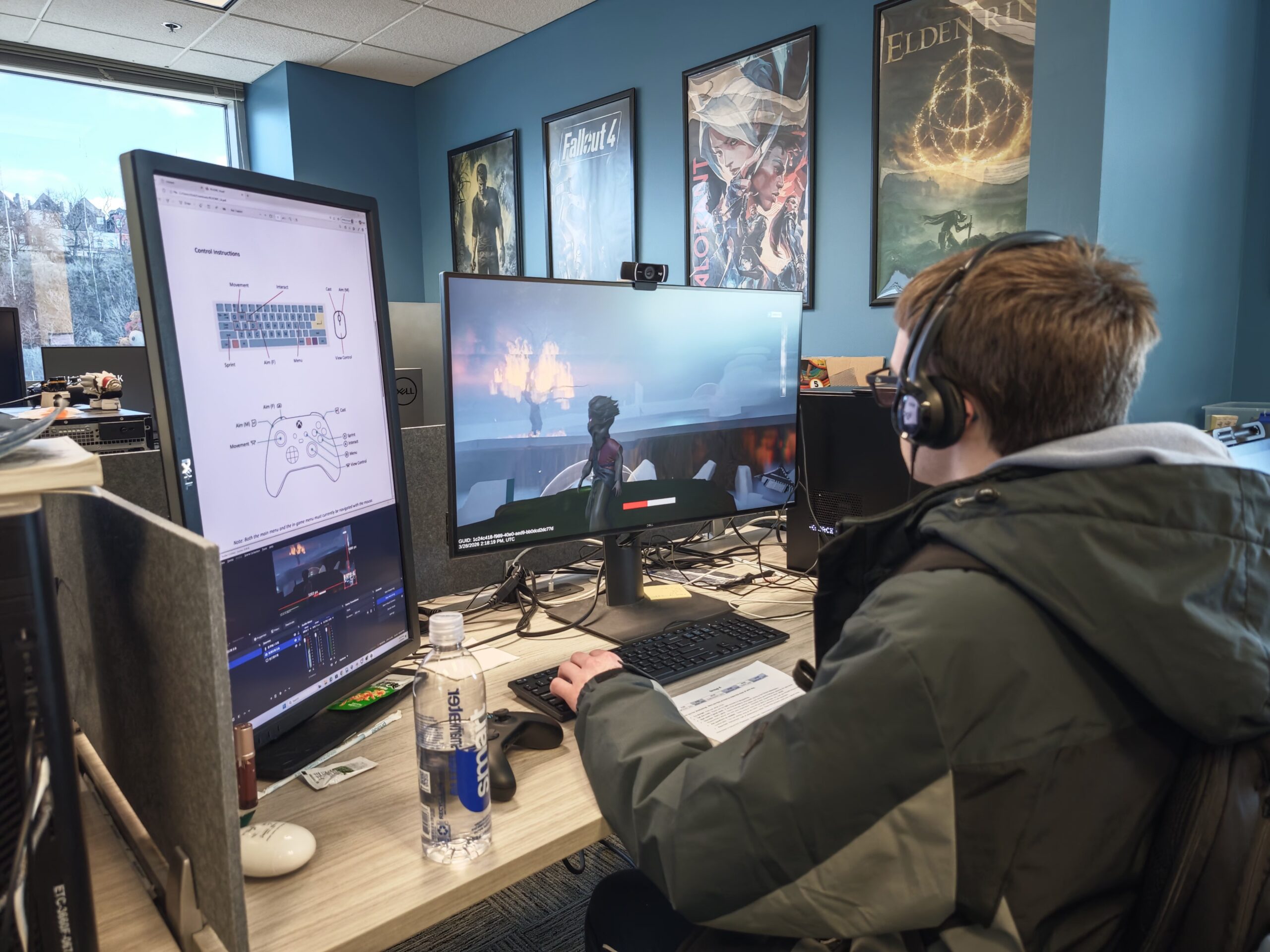
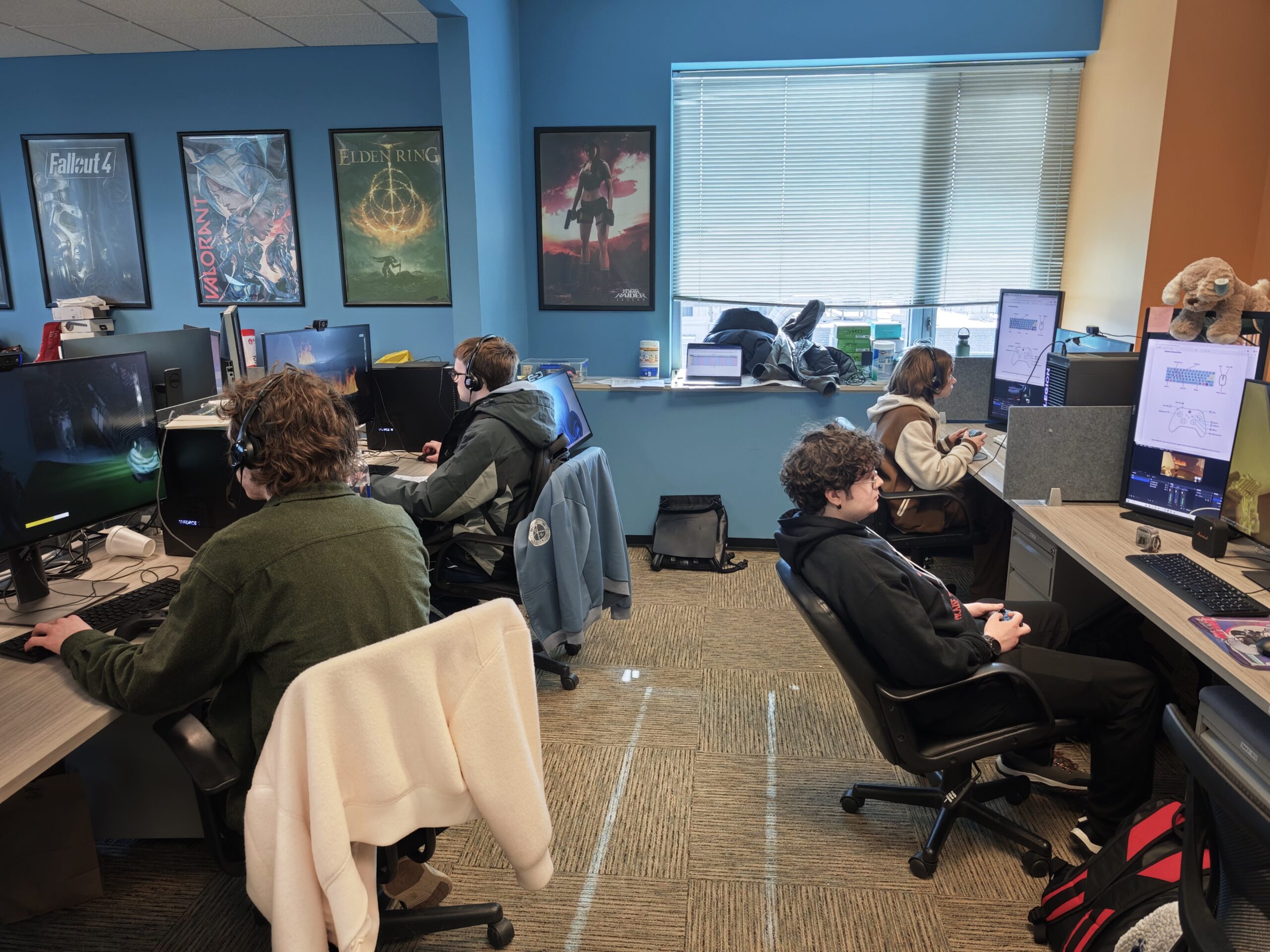
    • Continued running Playtest Night and regular playtests
    • Reworked Section 0 again after realizing the mechanics still were not being communicated clearly enough

    Notes

    This week was a heavy polish and clarity week. The more feedback we gathered, the more it became clear that strong ideas alone were not enough if players could not easily understand what to do, where to go, or how the mechanics were supposed to work. Because of that, a lot of this week went into improving navigation, tutorial, and narrative support, though mechanical communication still remained a challenge by the end of the week.

    Next

    • Finish preparing the build for Softs
    • Continue improving mechanic communication
    • Keep refining Section 0 and other key onboarding moments
    • Push overall polish on navigation, readability, and player guidance

    Media
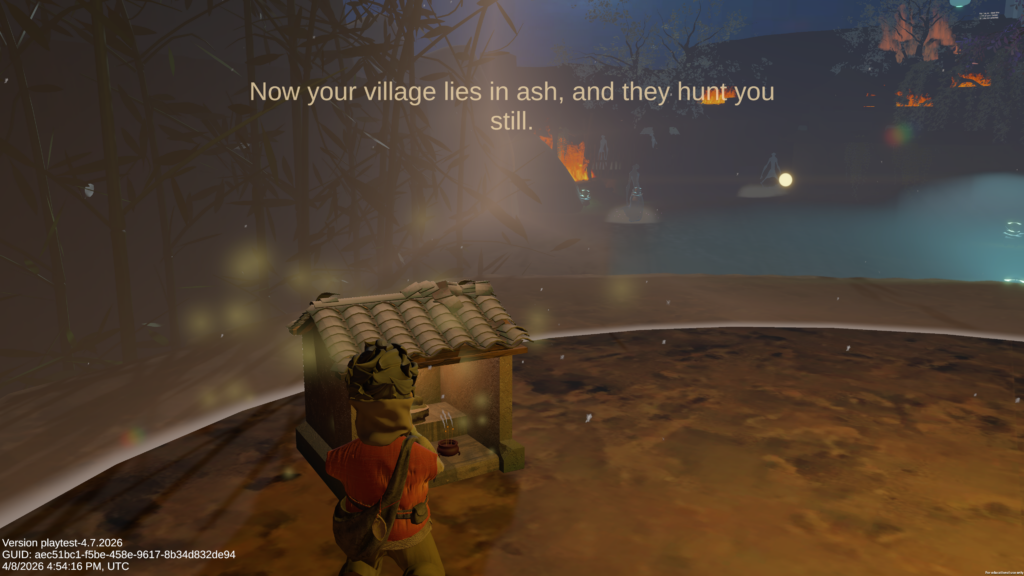
    New Cutscene for Mist Abilities
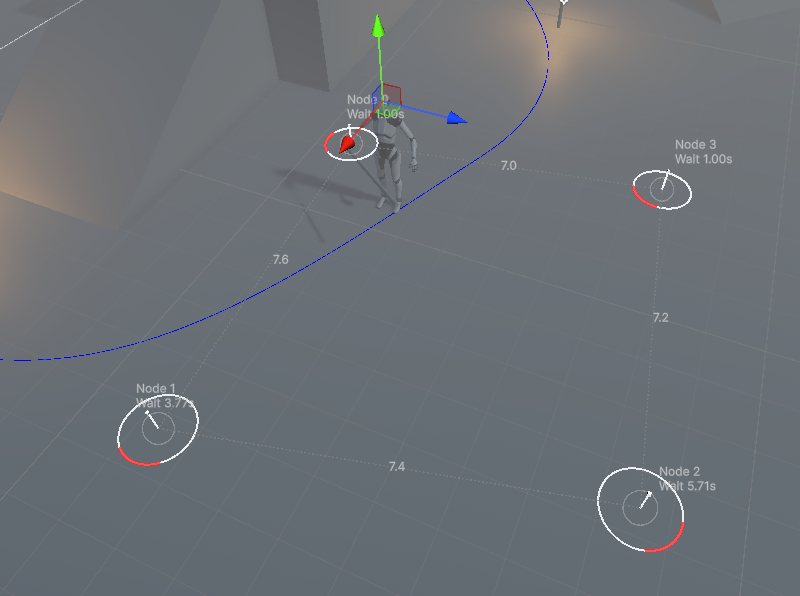
    Lantern Enemy Behaviour Update

  • Week 11 – Review, Reflection, Revision

    Overview

    Week 11 was mainly about reviewing the Playtest Day results, iterating based on them, and setting up a more continuous playtest environment so we could keep collecting useful feedback. After the Playtest Day milestone, this week was a heavy iteration week focused on improving the player experience, especially navigation, frustration, mist behavior, and readability. It was also a week where the project became more data-informed, both through another playtest night and through the visualization tools we built to understand player behavior better.

    Weekly Focus

    • Review and reflect on Playtest Day results
    • Iterate on major issues from the playtests
    • Set up a more continuous playtest environment

    Progress Update

    Tech

    • Focused on fixing major issues found during Playtest Day
    • Added a new sprint indicator
    • Added back mist removal and adjusted the mist cost calculation
    • Added a screen-space UI effect when the player is in the mist
    • Hid the mist meter when the player does not yet have the mist ability
    • Changed how sprinting feels by adding recovery time and fast recharge
    • Updated shrine checkpoint visuals
    • Fixed camera clipping into the player’s head with a fade-out shader
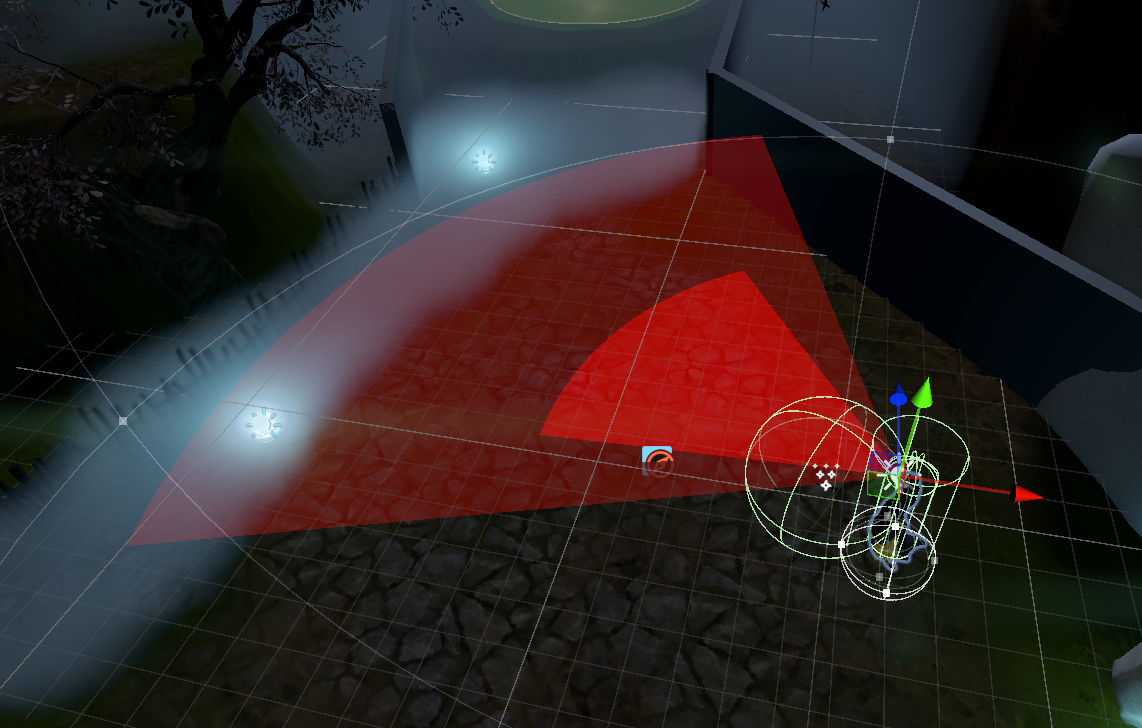
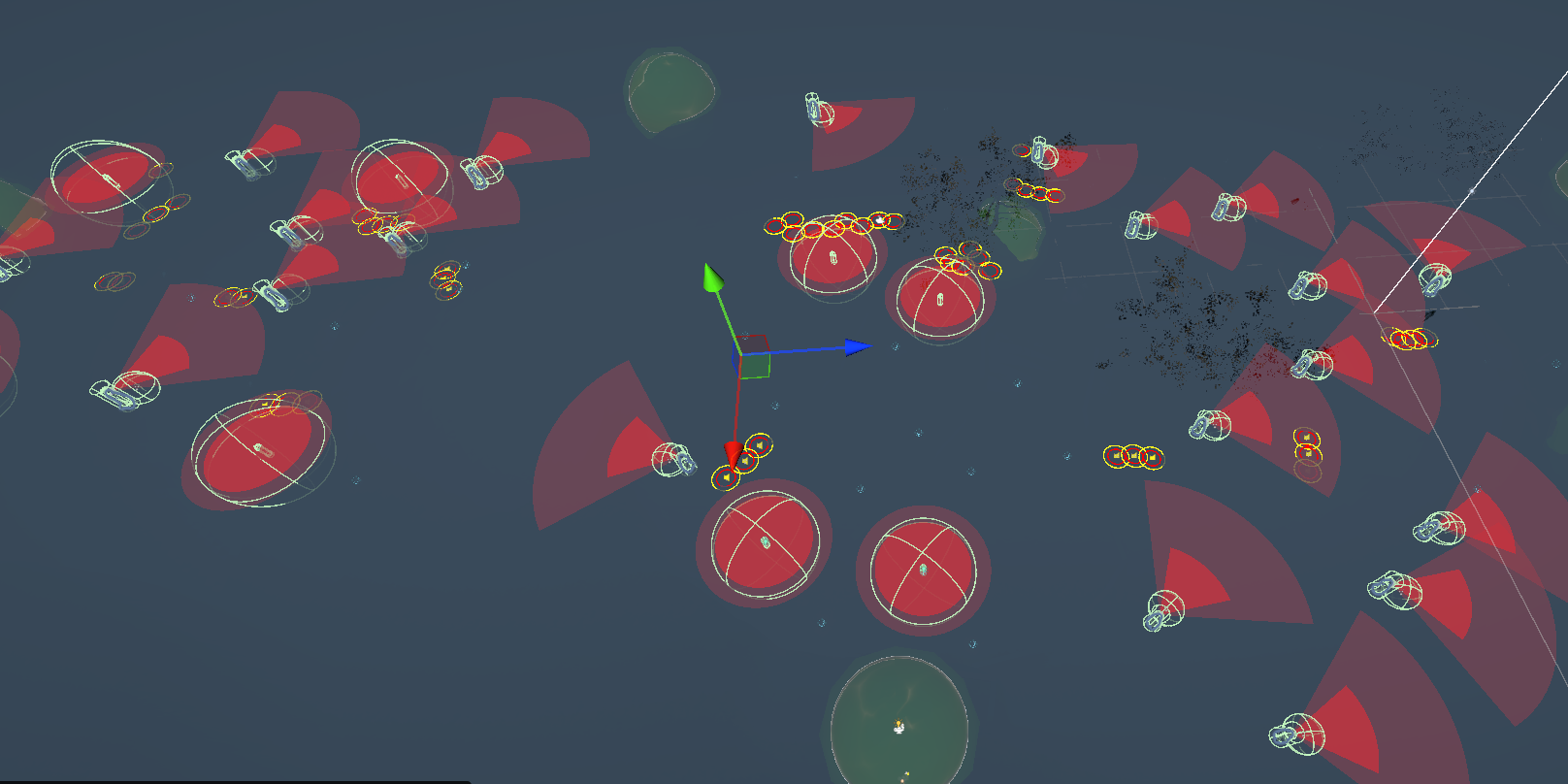
    • Added enemy range gizmos
    • Added a basic text cutscene system
    • Continued tuning features while deciding what to prioritize most

    Art

    • Continued adding more environmental art assets
    • Reworked multiple map details to make the level feel more reasonable
    • Added the gourd bottle model
    • Created and adjusted a new skybox
    • Updated the mist rendering pipeline
    • Updated environment lighting
    • Continued finishing enemy silhouettes and textures

    Sound

    • Updated player-related sounds based on the new player action changes
    • Updated enemy sounds based on the new enemy changes

    Design & Production

    • Ran another Playtest Night with the updated build
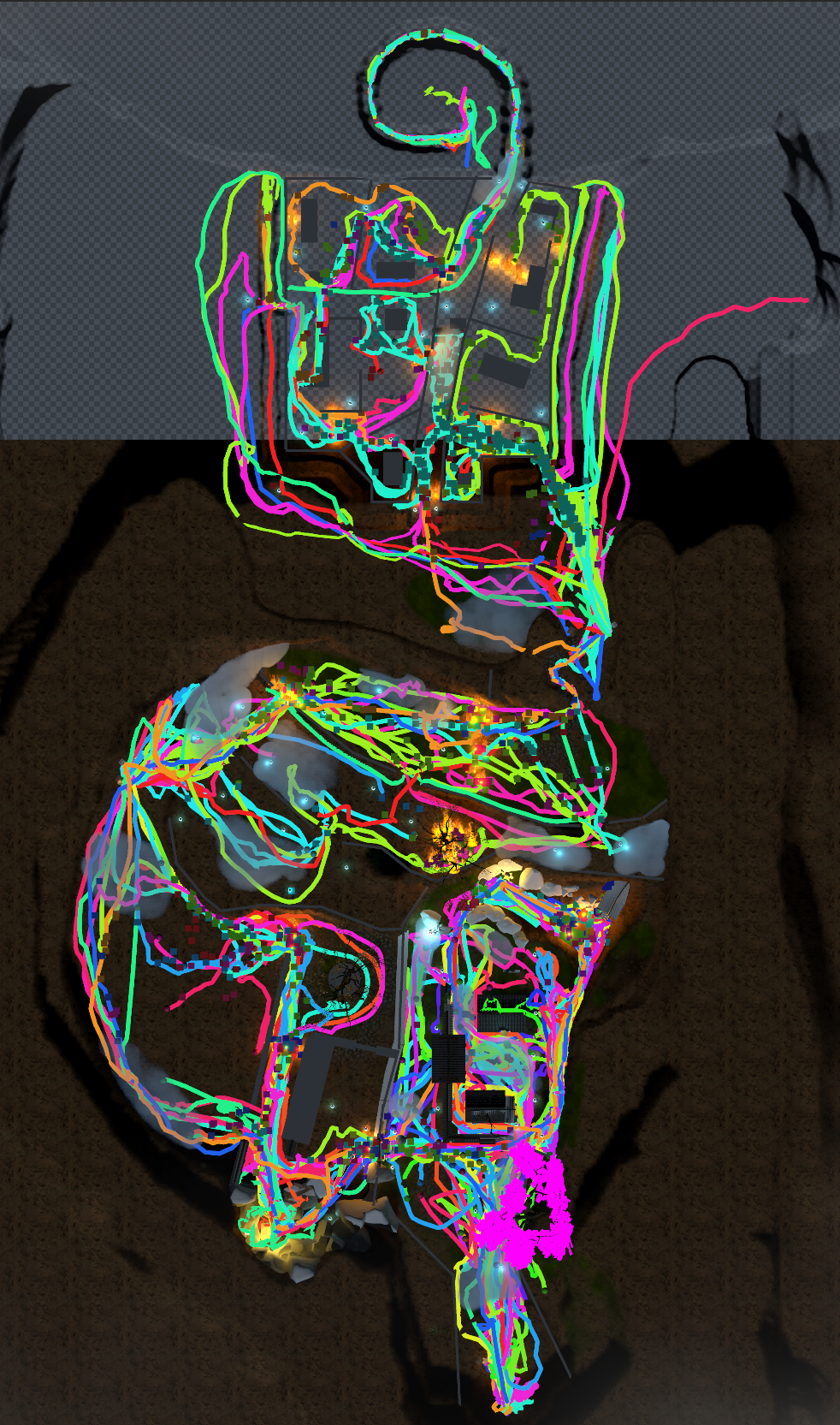
    • Created a visualization tool inside the editor to help read collected playtest data
    • Redesigned Section 2-1 based on playtest data
    • Updated Section 1-1 based on playtest data to improve navigation and reduce frustration
    • Reworked the broader navigation design
    • Fixed and adjusted multiple bugs and features based on playtest findings
    • Created a narrative material list
    • Continued reviewing issues around narrative clarity, navigation, and lantern enemy behavior

    Notes

    This week was a very important iteration week because it was where the team started responding more directly to what players were actually doing in the level. Instead of only relying on general impressions, we were able to use new playtest data and visualization tools to identify concrete problems and begin reshaping parts of the map. At the same time, some issues were still open by the end of the week, especially around narrative clarity, navigation, and some of the lantern enemy behavior.

    Next

    • Continue iterating based on the latest playtest feedback
    • Continue improving navigation, frustration points, and lantern enemy behavior
    • Preparing for Soft Opening

    Media

  • Week 10 – Playtest Day

    Overview

    Week 10 was all about preparing for and running Playtest Day. This was one of the most important weeks for the project, as it gave us a chance to test a much more complete version of the level and collect both observational and analytics-based data. Alongside getting the build ready, we also prepared the survey, observation sheets, hosting plan, and data-recording setup to make sure the playtests would be as useful as possible.

    Weekly Focus

    • Prepare the build and materials for Playtest Day
    • Run Playtest Day and collect useful data
    • Test new systems and updated level content

    Progress Update

    Tech

    • Prepared the build for Playtest Day by adding everything the team wanted to test
    • Implemented the firecracker system, including aiming, throwing, explosion behavior, mist removal, pickup, shrine refill, and related effects
    • Integrated analytics and custom events for player position, deaths, ability usage, shrine activations, enemy state changes, and session events
    • Added player ID and time display for tracking playtest data
    • Fixed small bugs before the event
    • Ran into an analytics cap issue during Playtest Day and had to hot fix it between testers

    Art

    • Added the lantern enemy model into the game
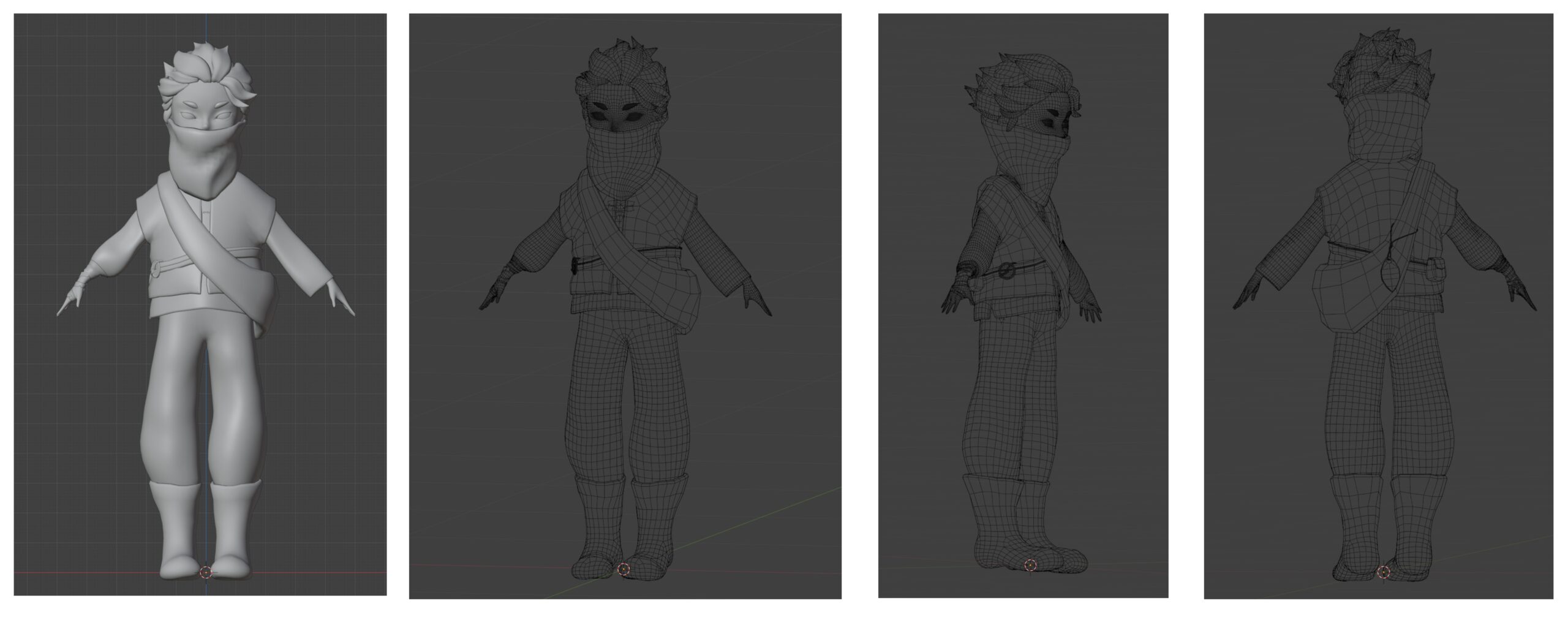
    • Added the player character model with textures into the game
    • Updated player animations for the new character model
    • Updated the entire Section 1 with actual environmental assets, including buildings, ground materials, and trees
    • Updated mist visual rendering

    Sound

    • Added more audio work, including passive guard sounds, adaptive music intensity, mist bottle sound, and fire extinguishing sound

    Design & Production

    • Prepared the internal question set for Playtest Day to define what the team wanted to learn
    • Created a new player survey for Playtest Day
    • Created a host observation form for teammates to record playtest sessions
    • Hosted a rehearsal playtest during the admitted student visiting day to verify the data collection and recording pipeline
    • Added the entire Section 2, so the map became complete
    • Settled the lantern enemy behavior design and added it to the level
    • Updated Section 1 to improve navigation
    • Successfully ran Playtest Day and collected feedback for the build

    Notes

    This week was a major milestone for the project because we were able to test a much more complete version of the game in a structured way. The preparation work around analytics, surveys, observation sheets, and hosting helped us collect better data than before, while the updated build let us test both the improved first section and the new second section. At the same time, we still had doubts about the lantern enemy and the new firecracker system, which also showed us what still needed closer evaluation after the event.

    Next

    • Analyze the Playtest Day feedback and data
    • Iterate based on what we learned from the playtests
    • Revisit the lantern enemy and firecracker system
    • Continue adding art assets and improving the level

    Media

    Lantern Enemy Update

  • Week 9 – Iterations

    Overview

    Week 9 was mainly about running more playtests and using them to better understand what was currently working and what was not. This week gave us a clearer picture of the build’s strengths and weaknesses, especially around stealth, navigation, mist balance, and enemy readability. It also helped us prepare for the much bigger and more important playtesting effort happening next week on Playtest Day.

    Weekly Focus

    • Run more playtests to understand what was working and what was not
    • Use the feedback to identify urgent issues
    • Prepare content and priorities for Playtest Day

    Progress Update

    Tech

    • Fixed transparency on shrine particles
    • Added distance fog
    • Added new enemy patrol edit system
    • Fixed the player falling through the map at the start
    • Revised the sprint system
    • Changed checkpoints from walk-in activation to pray-to-activate
    • Changed mist casting to be continuous casting
    • Prevented enemies from entering shrine areas

    Art

    • Continued building more environment props and set-dressing assets
    • Continued working on enemy silhouettes
    • Added basic enemy model

    Sound

    • Added and polished more adaptive audio
    • Added enemy footsteps, attacks, detection, mist-cast, pray, death, and respawn sounds
    • Made sound react to mist through filters and guard-shout range changes

    Design & Production

    • Planned two playtests for the week
    • Collected lots of feedback through both survey questions and direct observation
    • Confirmed that the current build still felt too easy and not stealthy enough
    • Found that navigation and goal clarity were still major issues
    • Used the week’s feedback to better shape how we wanted to run Playtest Day next week
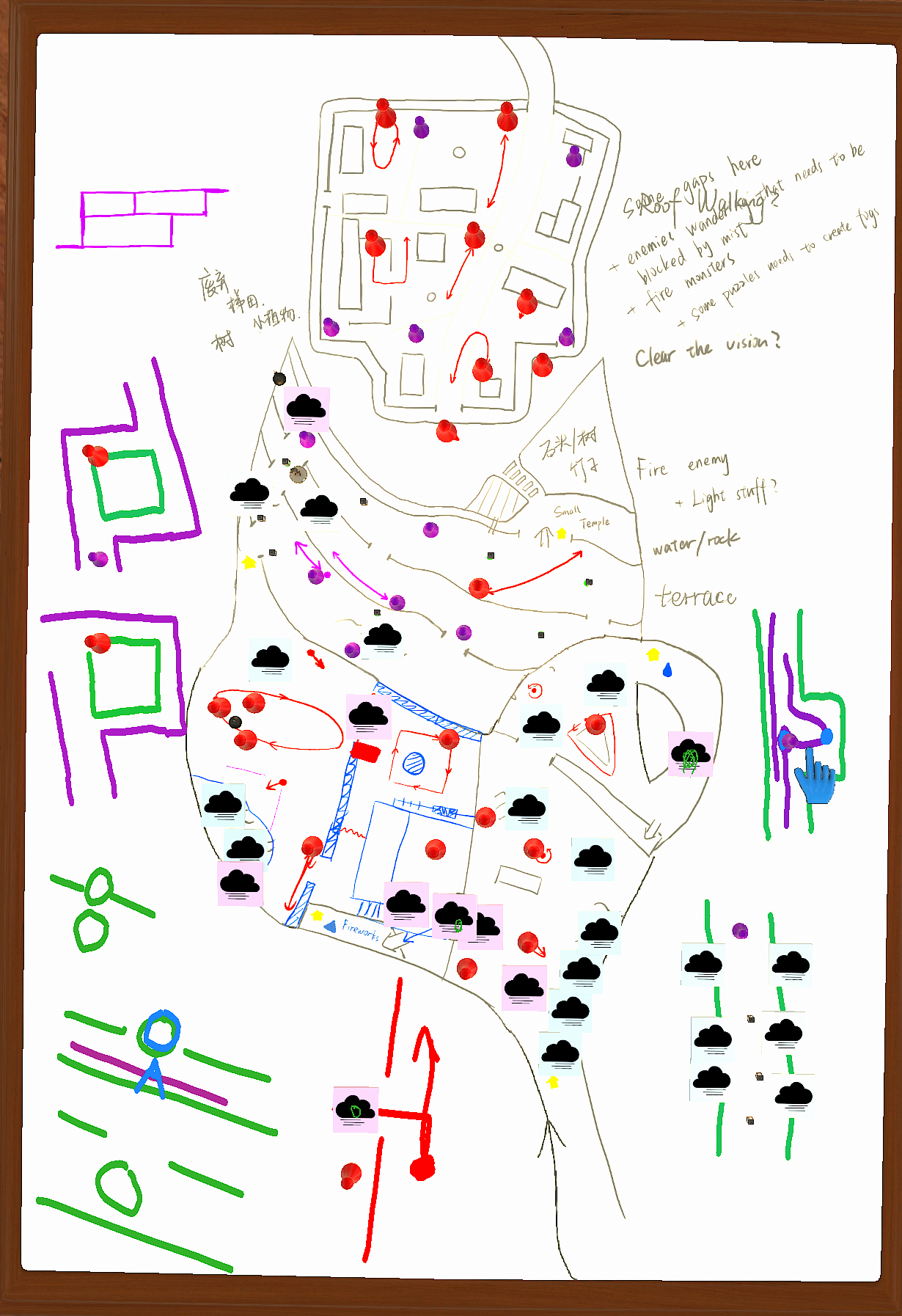
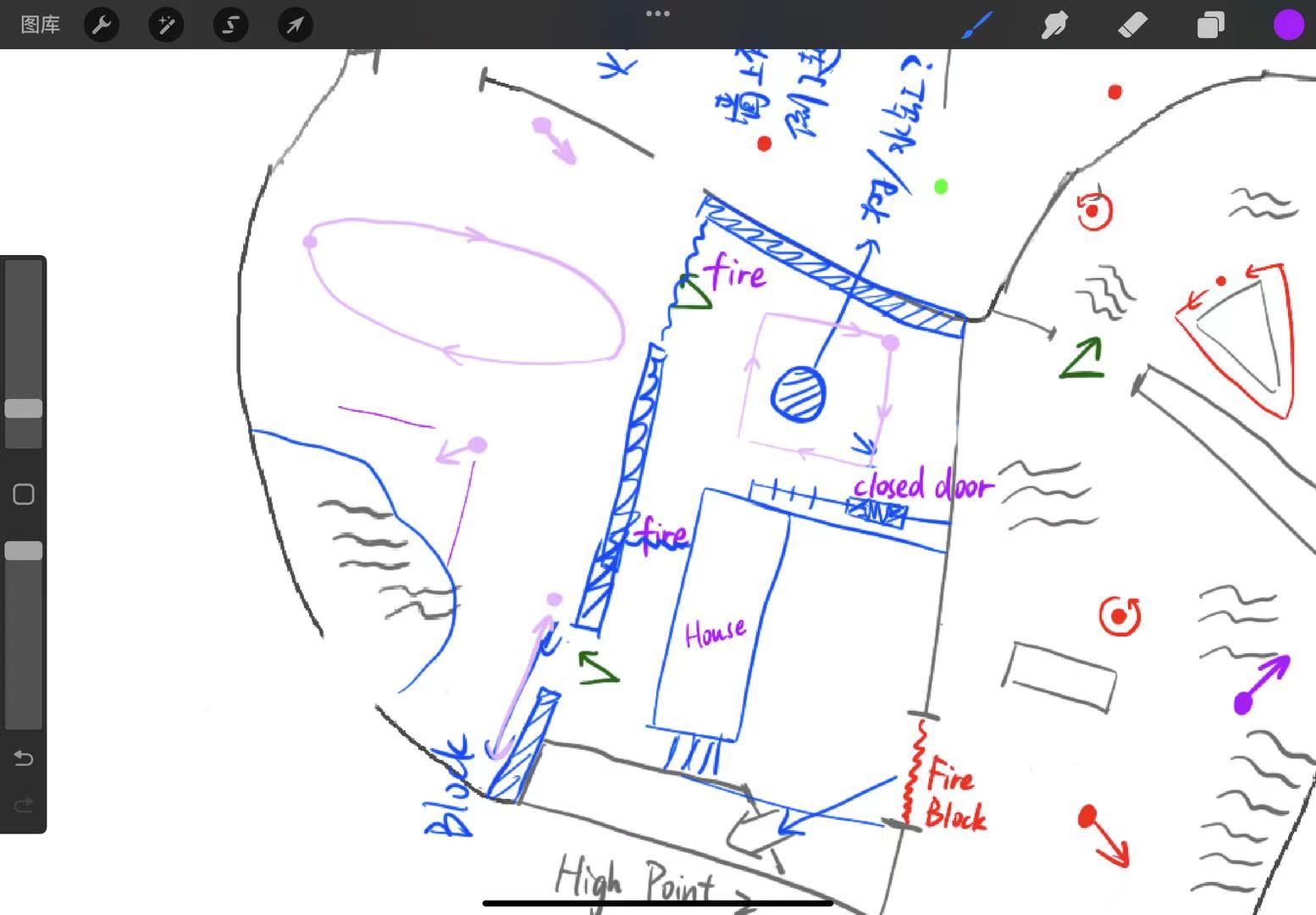
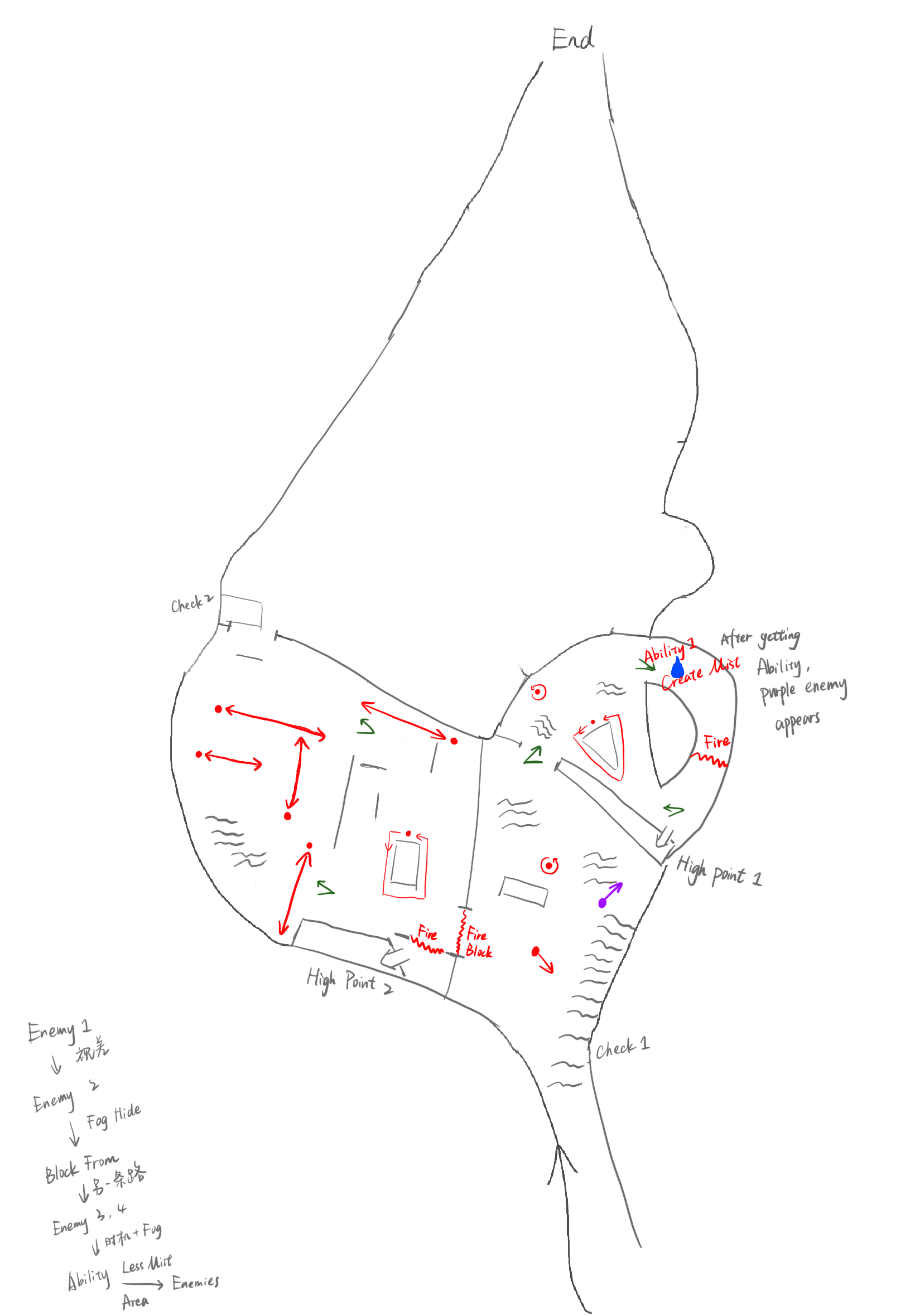
    • Iterate on the map layout of section 1-1 based on the feedback
    • Run a paper prototype simulation on the map iteration

    Notes

    This week was a very useful iteration week since it gave us a more honest look at the current state of the game. The playtests made it clear that the project still had strong ideas, but the actual experience was not yet landing in the way we wanted. In particular, the feedback helped us better understand that our most urgent needs were improving stealth tension, clarifying player goals and navigation, and rebalancing how powerful the mist felt.

    Next

    • Prepare the content and setup for Playtest Day
    • Use the feedback to refine what questions we most want answered next week
    • Continue improving stealth tension, navigation clarity, and mist balance

    Media
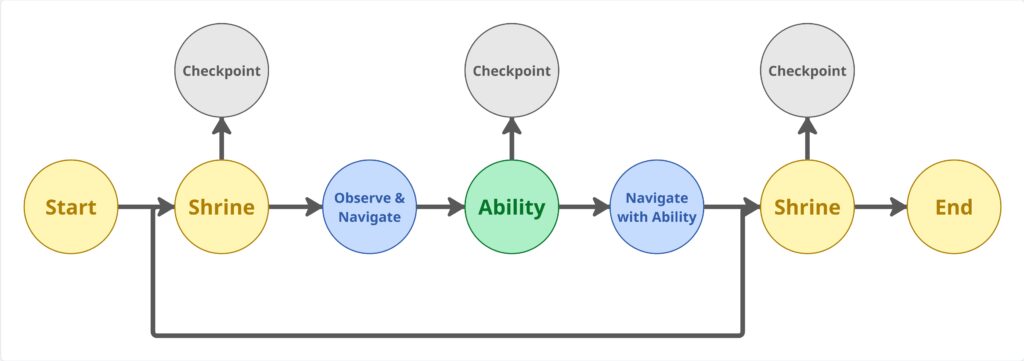
    Continuous Mist Casting Update

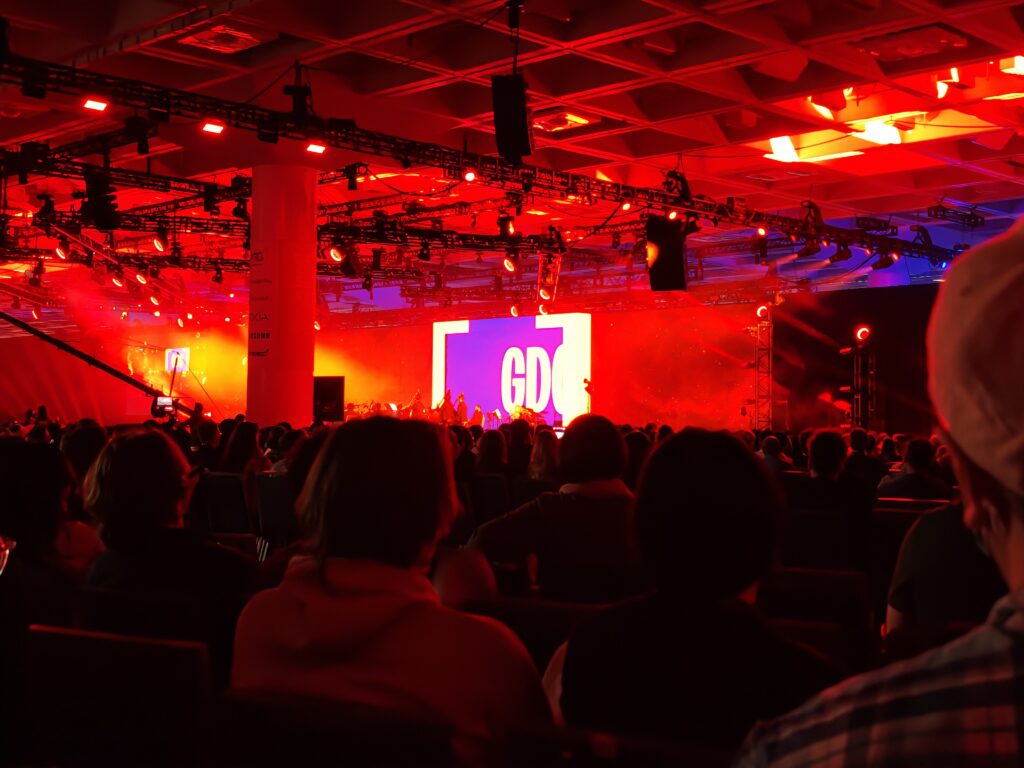
  • Week 8 – GDC

    Overview

    Week 8 happened during the GDC week, so the team was mostly away. Due to this situation, our focus was on preparing and sending out the pilot playtest build based on the first graybox prototype, while also collecting as much outside feedback as we could. Even though it was a lighter production week in some areas, it became an important testing week as we were able to run two pilot playtests and get useful feedback on the current experience.

    Weekly Focus

    • Prepare and send out the pilot playtest build
    • Conduct pilot playtests and collect feedback
    • Identify the biggest experience problems to tackle next

    Progress Update

    Tech

    • Focused on bug fixing and improvements while preparing a build for pilot playtest
    • Added pause-menu buttons
    • Improved shrine and incense visual states
    • Fixed the mist meter issues and initialized the meter more cleanly
    • Fixed camera reset on respawn
    • Fixed additive scene-loading issues with mist zones
    • Continued dealing with visual issues around transparency and multiple mist zones, which still looked harder to solve than expected

    Art

    • Continued working on enemy design
    • Continued working on environmental design

    Sound

    • Improved looping music behavior after death

    Design & Production

    • Prepared pilot playtest supporting materials
    • Sent out the pilot playtest invitation to the faculty
    • Conducted an in-person playtest with guest players with the help of a friend from another team
    • Collected feedback showing that the immediate goal and intended path were often unclear
    • Noted that players generally understood enemy avoidance more than the actual target or progression
    • Received feedback that the mist was readable in concept, but slowing the player automatically made the experience feel less controllable
    • Identified that the overall experience still felt too easy and not stealthy enough in its current state

    Notes

    This week was about using the break to test the current build and learn from it. The two pilot playtests were valuable as they showed us that our current build still had major issues with goal clarity and pacing, and the overall stealth experience was still quite weak. In particular, the feedback made it clear that the project was not yet delivering the tension or gameplay depth we wanted, which gave us a clearer direction for what needed to be improved next.

    Next

    • Improve the overall play experience
    • Rework clarity around goals, navigation, and mechanic communication
    • Continue working on Section 2 graybox

    Media

  • Week 7 – Halves

    Overview

    This week was all about preparing and delivering our Halves presentation. At the same time, Halves also became an important checkpoint for us to review the project’s progress and make scope decisions for the rest of the semester.

    Weekly Focus

    • Prepare for and deliver Halves
    • Review the project scope based on current progress

    Progress Update

    Tech

    • Provided materials and demo build preparation needed for Halves presentation

    Art

    • Refined visual materials and assets for the Halves presentation

    Design & Production

    • Prepared the Halves presentation
    • Reviewed the current state of the project through the milestone
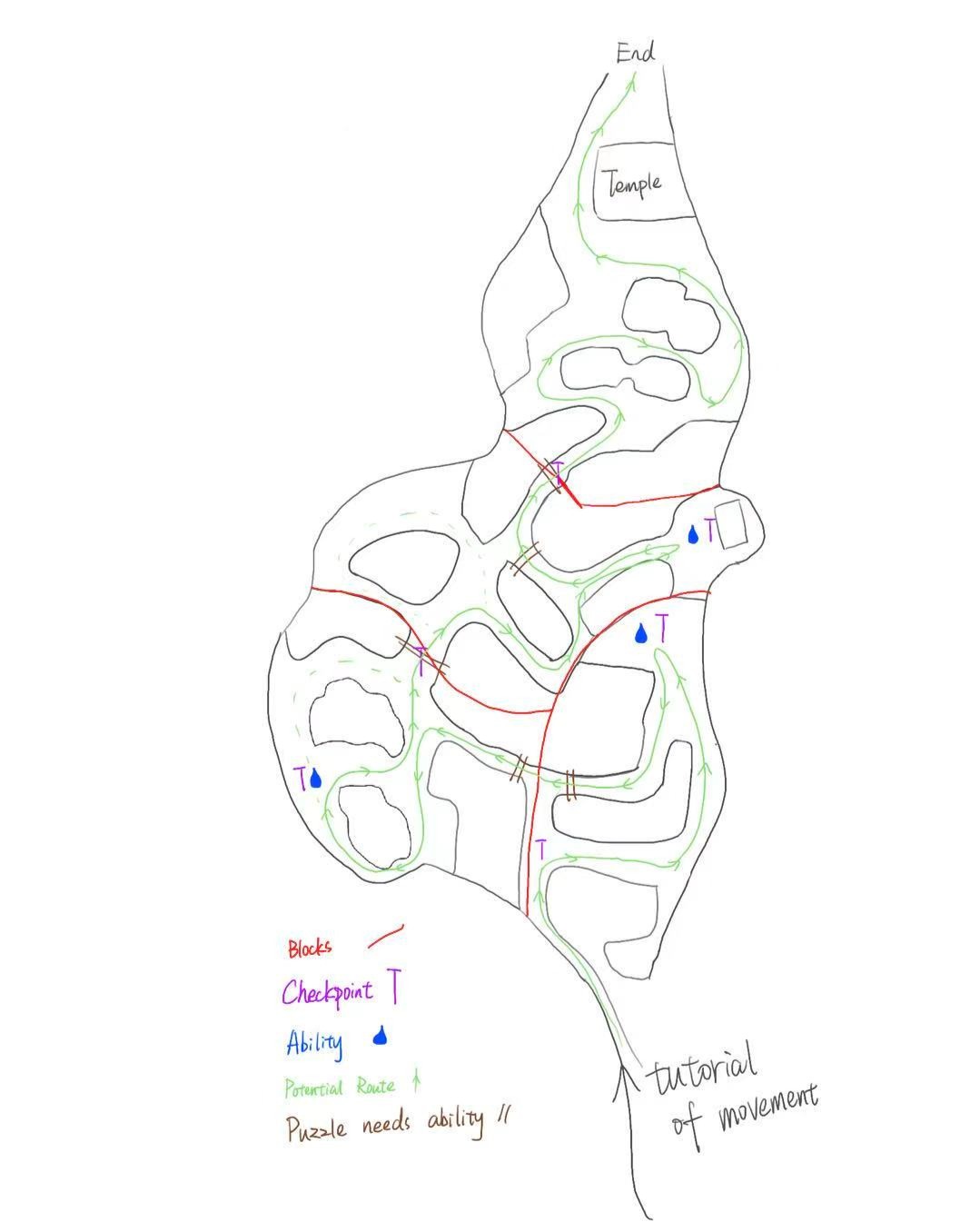
    • Decided to scope the project down from three sections to two sections
    • Began planning a pilot playtest for Spring Break / GDC weeks using an early build based on the first graybox prototype
    • Started considering what design details needed to be rearranged under the new scope

    Notes

    Week 7 was less about making new content and more about presenting the project clearly and evaluating where it stood at the midpoint of the semester. Halves helped us confirm what was working, but it also made it clear that our original three-section plan was too large for the time we had left. As a result, we decided to cut one section and rethink the design details. Furthermore, we decided to move on with a pilot playtest to test our early design choices and implementations during the upcoming break and GDC week, when much of the team would be away

    Next

    • Prepare the pilot playtest build and supporting materials
    • Rearrange design details based on the new two-section scope

    Media
  • Week 6 – First Milestone

    Overview

    This week was all about pushing toward the graybox prototype for the first section of the map. As Halves drew closer, our focus shifted to getting a playable piece ready while continuing to define the broader structure of the level. Alongside the prototype work, we also drafted the design document and settled on broad narrative settings.

    Weekly Focus

    • Push forward the graybox prototype for the first section
    • Settle down more design details and settings
    • Begin preparing for Halves

    Progress Update

    Tech

    • Improved the save/load and checkpoint flow
    • Changed the system to work more around checkpoint events
    • Refreshed mist states at checkpoints and improved respawn behavior
    • Added and refined the mist meter and mist resource checks
    • Continued fog work, including fog density and fog voids
    • Continued dealing with visual bugs, especially transparency issues

    Art

    • Continued environmental material and asset development
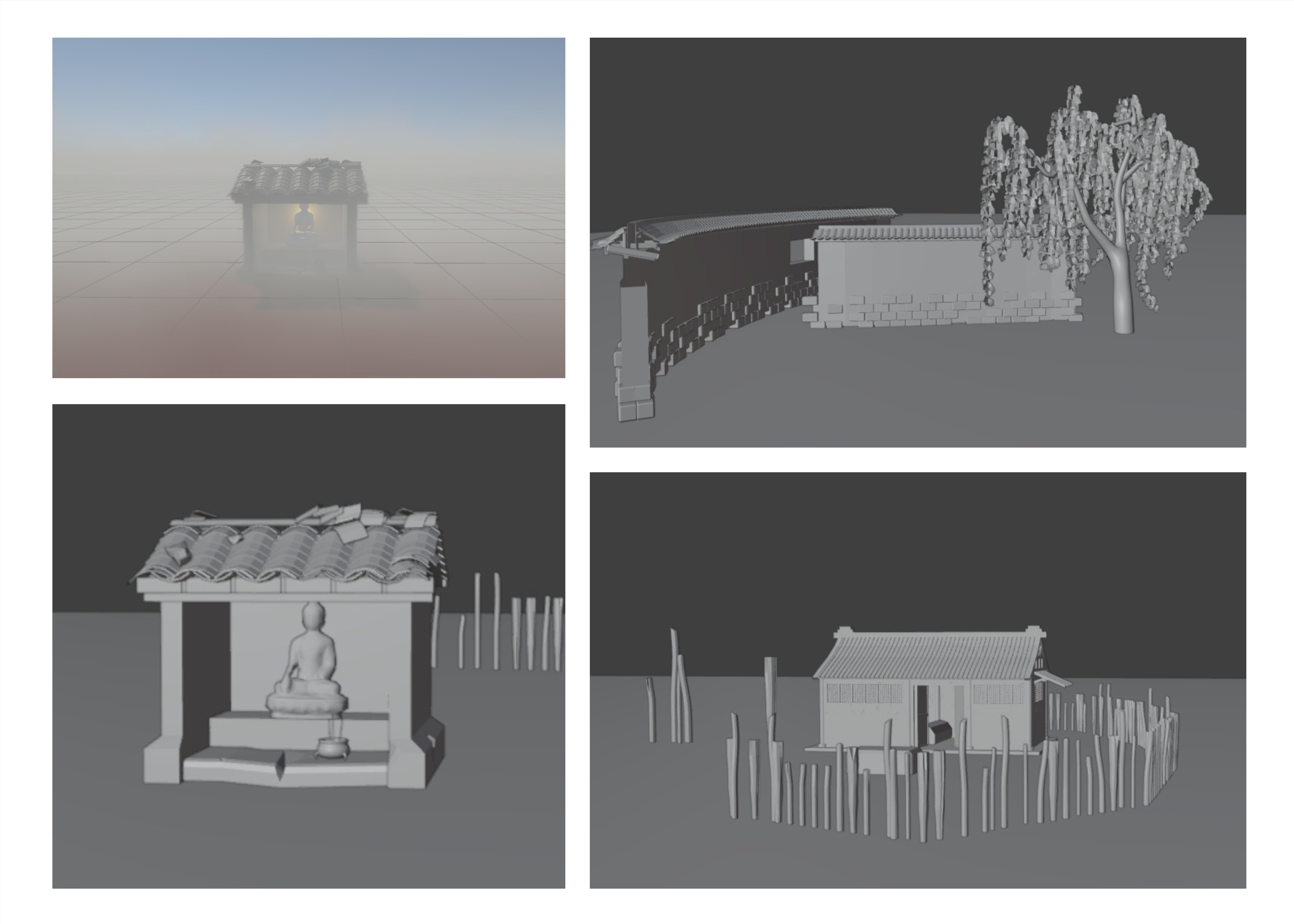
    • Worked on village structures
    • Built out more Chinese village kit pieces for the level
    • Continued enemy artwork, including the lantern enemy
    • Continued work on the player character model and its stylized details

    Sound

    • Implemented some basic sound effects into the prototype

    Design & Prodcution

    • Drafted the design document
    • Continued shaping the narrative framing
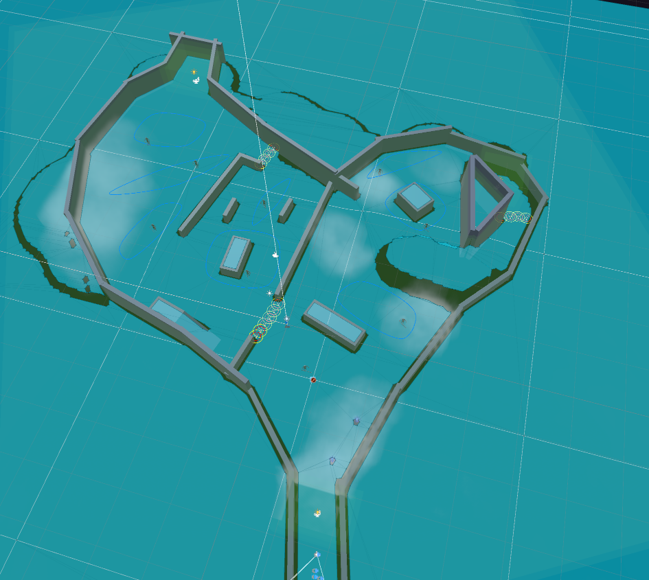
    • Worked on the layout of the graybox prototype
    • Worked on the integration of the system and art assets
    • Began preparing materials for Halves presentation

    Notes

    Week 6 was an important production week as the project started to feel much more structured. The first section became the main priority, while the design document and narrative settings helped clarify the bigger picture of the level. By the end of the week, the first section was moving forward well, as we had a playable prototype in place, though many of the details for the later sections still needed more work.

    Next

    • Prepare for Halves
    • Refine the details of the later sections
    • Continue stabilizing the prototype and improving visual clarity

    Media

    Demo Prototype

  • Week 5 – First Playtest

    Overview

    Our focus this week was on getting our first testing prototype ready for Playtest Night while also wrapping up the production-design materials for the project. This was an important week because it gave us our first real chance to test some of the core ideas in the game, such as mist implementation, lighting in the mist, different camera angles, and basic enemy interaction in the first Playtest Night of the semester. Apart from that, we also finalized the project’s identity materials, including our poster, half-sheet, logo, and team photo.

    Weekly Focus

    • Get the first testing prototype ready for playtesting
    • Conduct our first playtest at Playtest Night
    • Wrap up production-design materials

    Progress Update

    Tech

    • Continued core feature development
    • Prepared the prototype build for the Playtest Night
    • Tested different lighting setups in the mist
    • Expanded the checkpoint, save/load, and reset systems
    • Added additive scene loading
    • Integrated a new fog asset and fixed mist-related bugs
    • Got player pickups and interactions working
    • Continued work on enemy hearing-based detection and alertness states

    Art

    • Continued 3D graybox and environment production
    • Worked on assets such as the shrine, house, and surrounding scene elements
    • Tested how these assets sat within the misty level atmosphere
    • Continued work on the player character direction, including curse markings and costume details
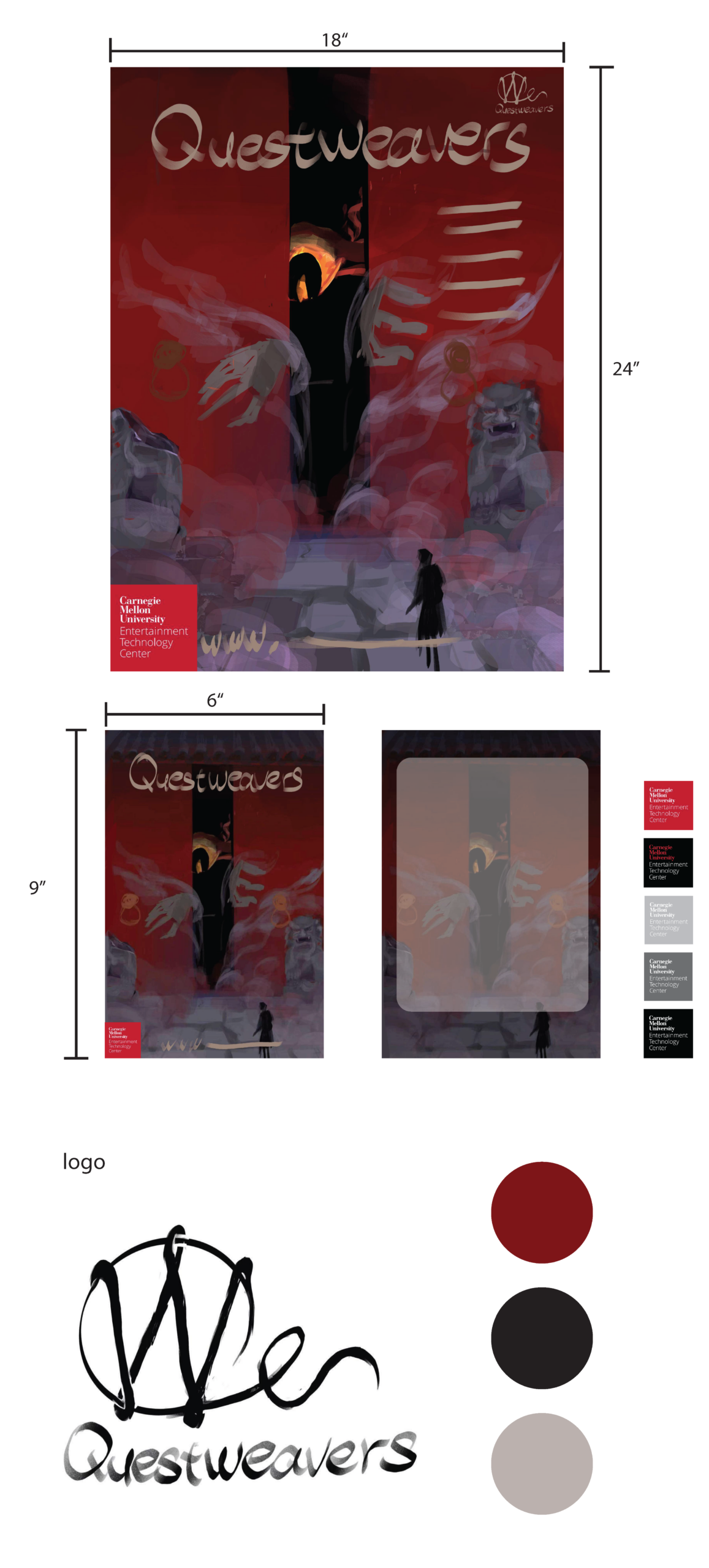
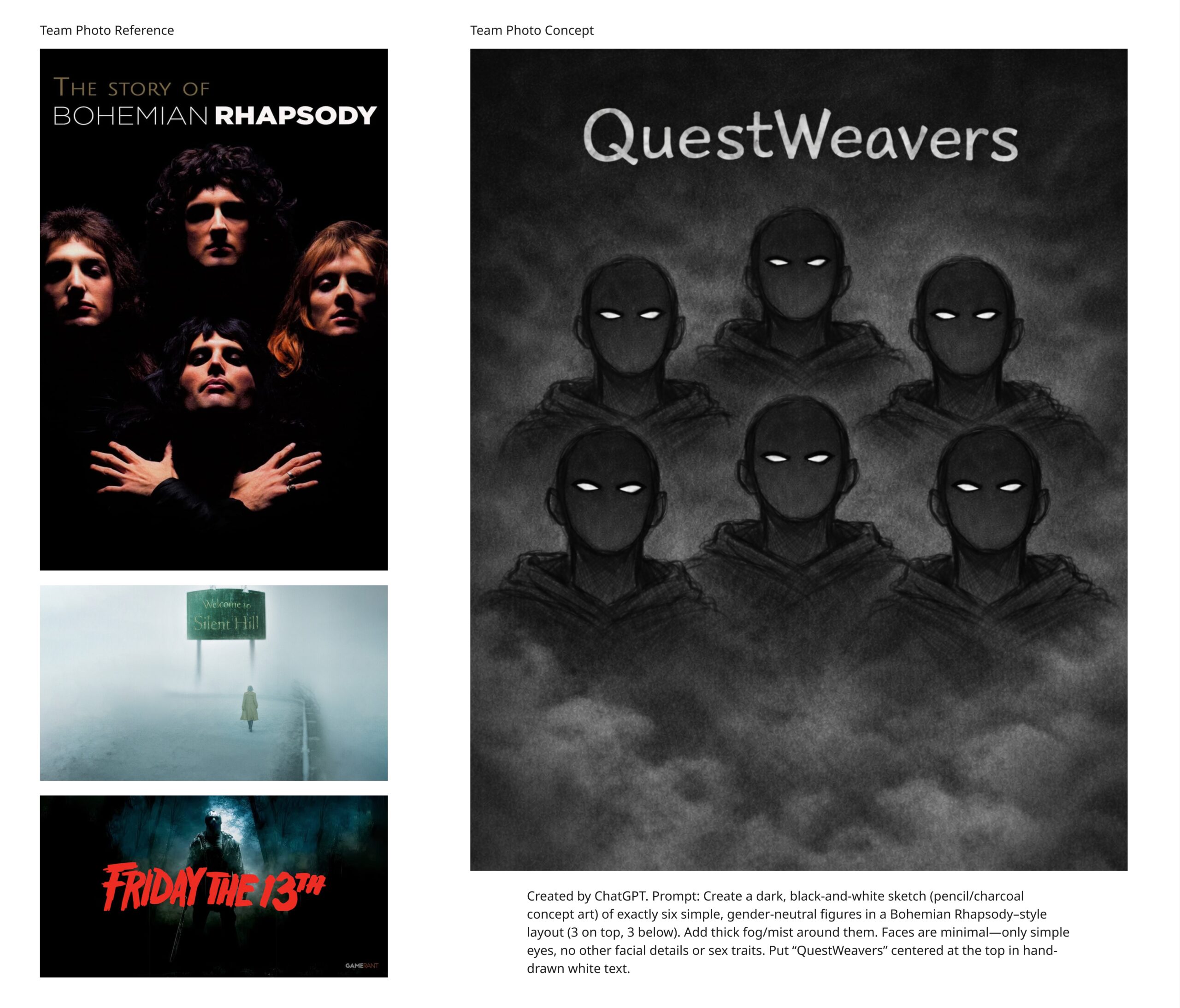
    • Finalized the poster, half-sheet, logo, preferred colors, and team photo

    Sound

    • Integrated FMOD

    Design & Production

    • Prepared, organized, and ran the first Playtest Night
    • Tested basic movement, mist implementation, different light colors in the mist, different camera angles, and basic ability casting with enemies
    • Conducted a survey covering prototype feedback as well as reactions to enemy art style references
    • Observed that players were often drawn toward lights and sometimes used mist more like a wall than a stealth/navigation tool
    • Noted mixed reactions to first-person readability and navigation
    • Continued working toward the design of the first section of the map
    • Wrapped up the main production-design materials for the project identity
    • Adjusted the team-photo plan after our original fog-machine shoot had to be canceled, and switched to a post-edited fog/mist approach instead

    Notes

    Week 5 was an important checkpoint as it was the first time we could put a playable version of the project in front of others and see how some of our ideas actually felt. The playtest gave us useful early feedback on mist, lighting, and especially camera choice. At the same time, completing the project’s production design materials helped solidify our team identity.

    Next

    • Continue developing the graybox prototype for the first section of the map
    • Refine the design details of Section 1
    • Settle the design details around the third-person camera angle
    • Use the playtest feedback to improve readability and navigation in future iterations

    Media

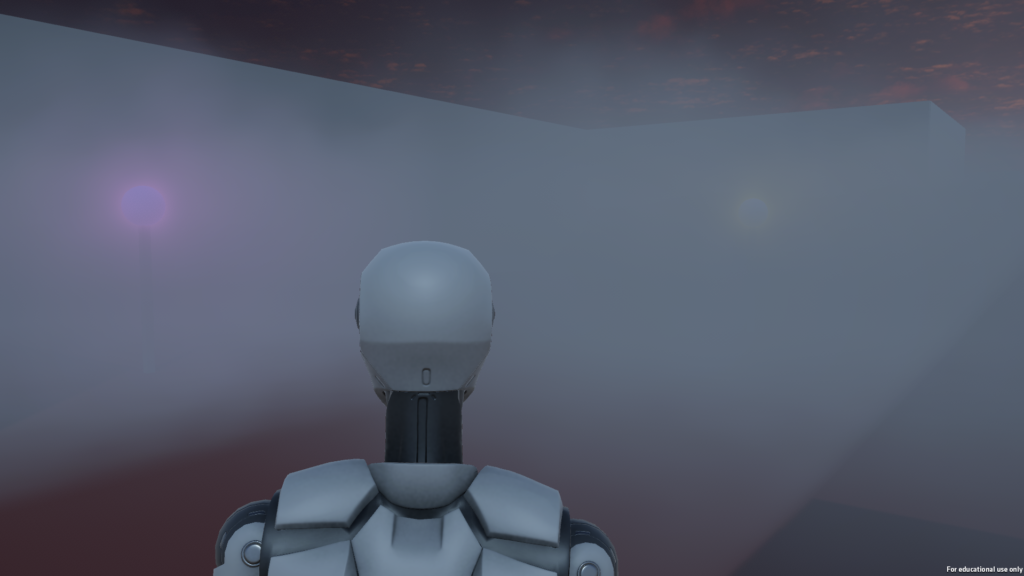
    Enemy Prototype Testing

  • Week 4 – Refinement

    Overview

    This week was mainly about settling down more of the project’s design details and starting to push toward our first milestone: a graybox prototype for Section 1 by Halves. After receiving feedback from 1/4s, we focused on turning broader ideas into something more concrete and production-ready with a question set.

    Weekly Focus

    • Settle down more of the project’s design details
    • Define the first development milestone
    • Kick off production based on the updated direction

    Progress Update

    Tech

    • Got the character controller working
    • Explored different camera setups
    • Worked on shrine visual effects and aim indicators
    • Added a checkpoint and respawn system
    • Started building the graybox section

    Art

    • Continued refining the Questweavers identity
    • Worked further on the logo, poster, and half-sheet
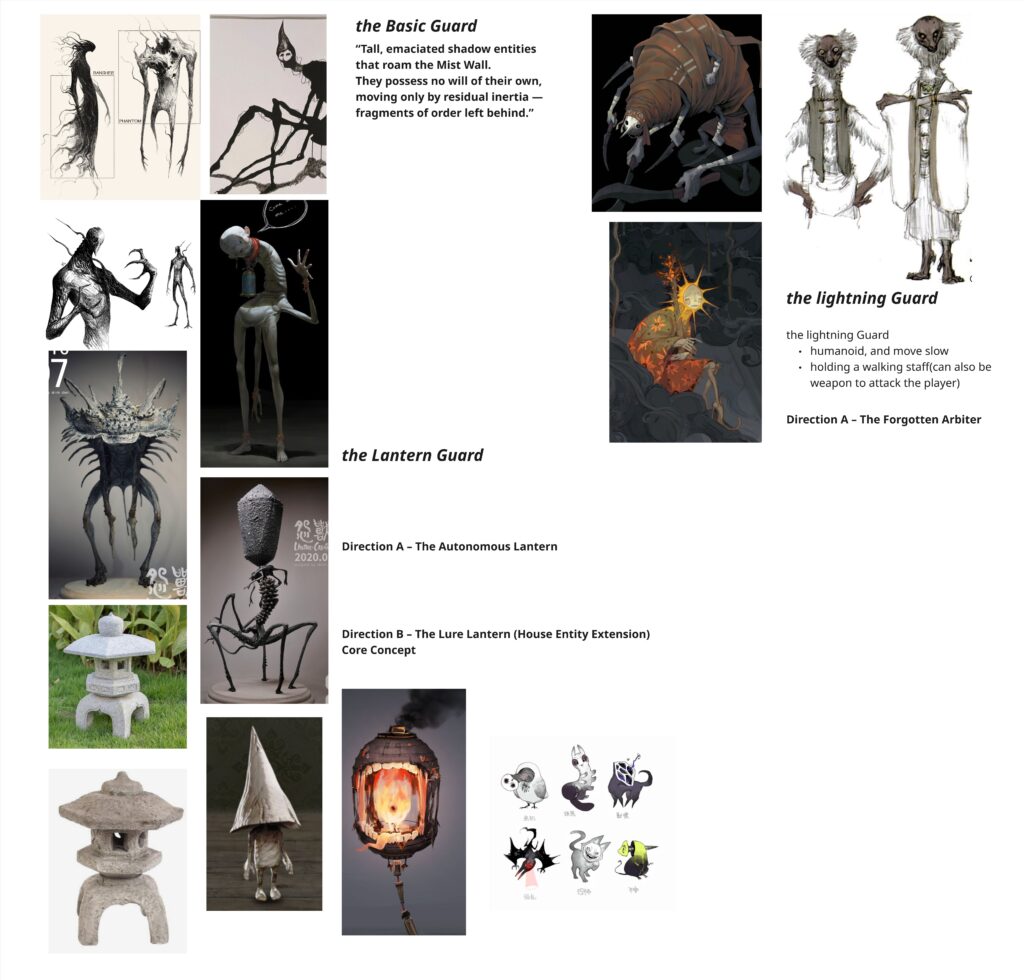
    • Developed more concrete enemy concept directions for each section

    Sound

    • Created three short demos exploring possible enemy moods and ambient directions

    Design & Production

    • Locked down a large set of design questions
    • Clarified more of the project’s mood, story setup, enemy types, mist rules, player abilities, and checkpoint structure
    • Identified that the detailed design for Section 1 still needed more work
    • Focused the week around defining the first milestone
    • Kicked off production with the newly settled design details

    Notes

    This week is an important refinement week for the project, as we started making more concrete decisions about how the game should work and what needs to be built first. By the end of the week, the project direction felt much more grounded, though the detailed design for Section 1 still needed to be settled further.

    Next

    • Continue working toward the first development milestone
    • Develop the detailed design for Section 1
    • Push the graybox prototype forward for Halves
    • Prepare for the first playtest night

    Media

    Enemy Pathfinding Test
  • Week 3 – 1/4s

    Overview

    This week was centered around preparing and delivering our 1/4s presentation. Alongside that milestone, we continued narrowing down the project’s design details and began turning the concept into more concrete prototypes. We also received a large amount of faculty feedback on our idea from 1/4s, which helped us see more clearly what needed to be prioritized going forward.

    Weekly Focus

    • Prepare and deliver 1/4s
    • Continue narrowing down the project’s design details
    • Start prototyping the core mechanics and map direction

    Progress Update

    Tech

    • Continued work on the character controller and mist mechanics
    • Got mist creation working in prototype form
    • Improved enemy behavior consistency in the prototype
    • Added suspicion and detection animations for enemies
    • Continued identifying problems in enemy detection, clarity, and player readability

    Art

    • Worked on the 1/4s visual references
    • Worked on logo, poster, half-sheet, and team-photo drafts
    • Continued shaping the project’s overall visual tone
    • Continued working on character and environment design references

    Sound

    • Secured Liam as our external sound designer
    • Briefed on the project and overall direction for sound creation

    Design & Prodcution

    • Continued narrowing the level concept into playable slices
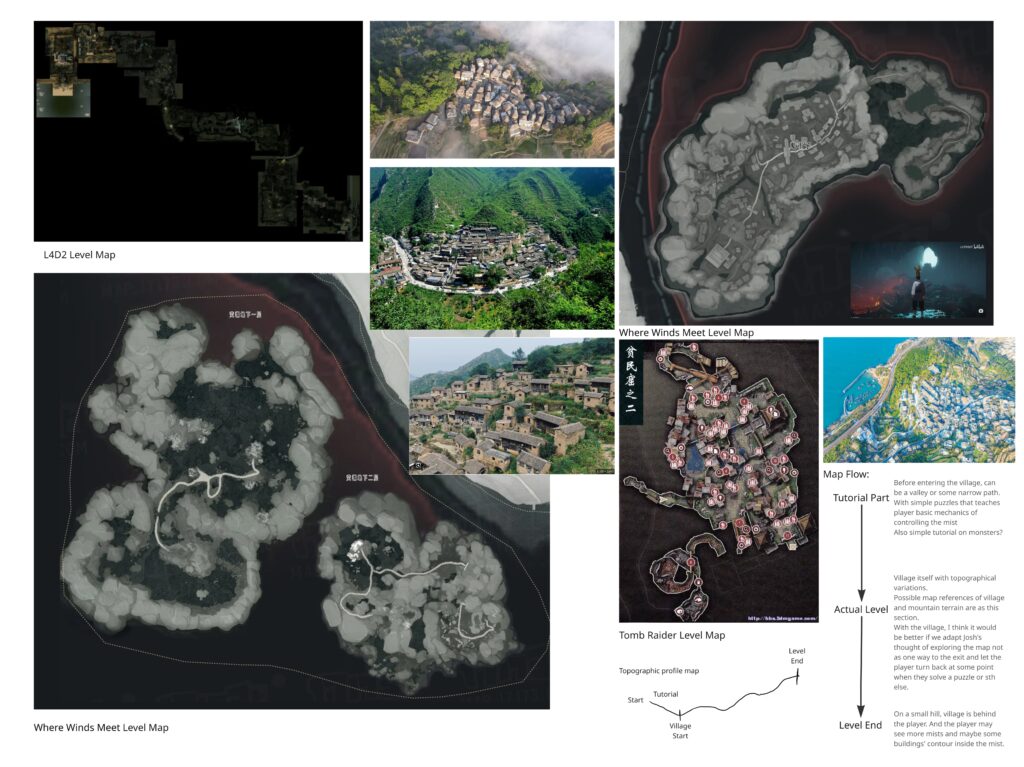
    • Drafted early map designs and flow ideas
    • Refined the project framing as a third-person stealth adventure focused on escaping a mist-filled landscape and its supernatural threats
    • Prepared and delivered 1/4s
    • Drafted production design materials
    • Collected faculty feedback on the overall concept and presentation

    Notes

    Week 3 was the first major checkpoint for the project, and it helped expose both the strengths and the open questions in our idea. The mist concept itself was generally well-received, as well as the very first prototype, showcasing the basic mist/enemy interaction, but a lot of the feedback pointed toward the need to clarify orientation, ability design, camera behavior, enemy readability, and how the mist should actually support stealth and navigation. Though many of the design details were still unfinished and needed to be settled down in the next phase.

    Next

    • Settle down more of the design details
    • Clarify how mist works visually and mechanically as a core design
    • Turn the 1/4s feedback into a more concrete direction for Week 4

    Media

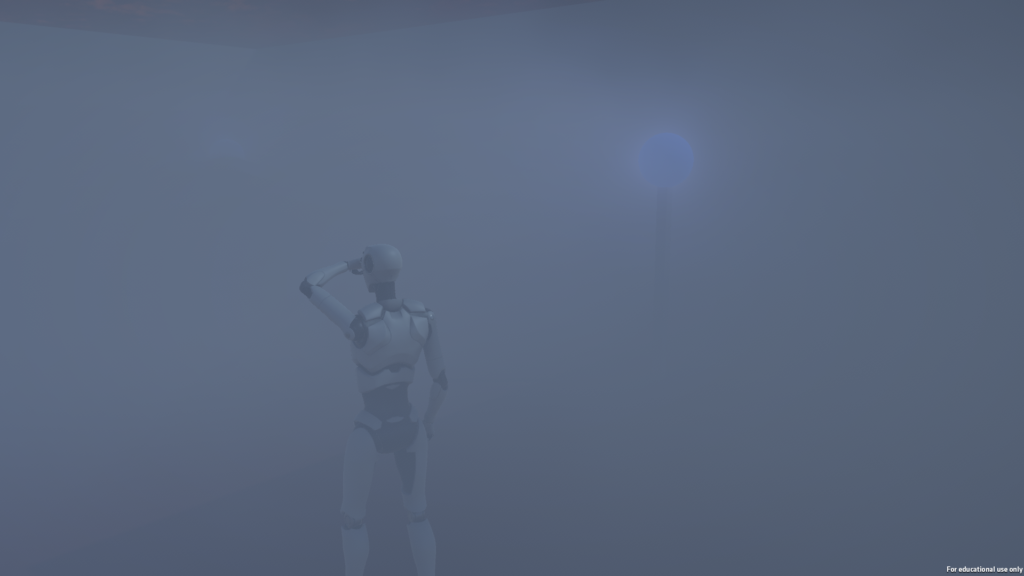
    HDRP mist effect test
    Mist Prototype Test