Finding the Character in the Robot
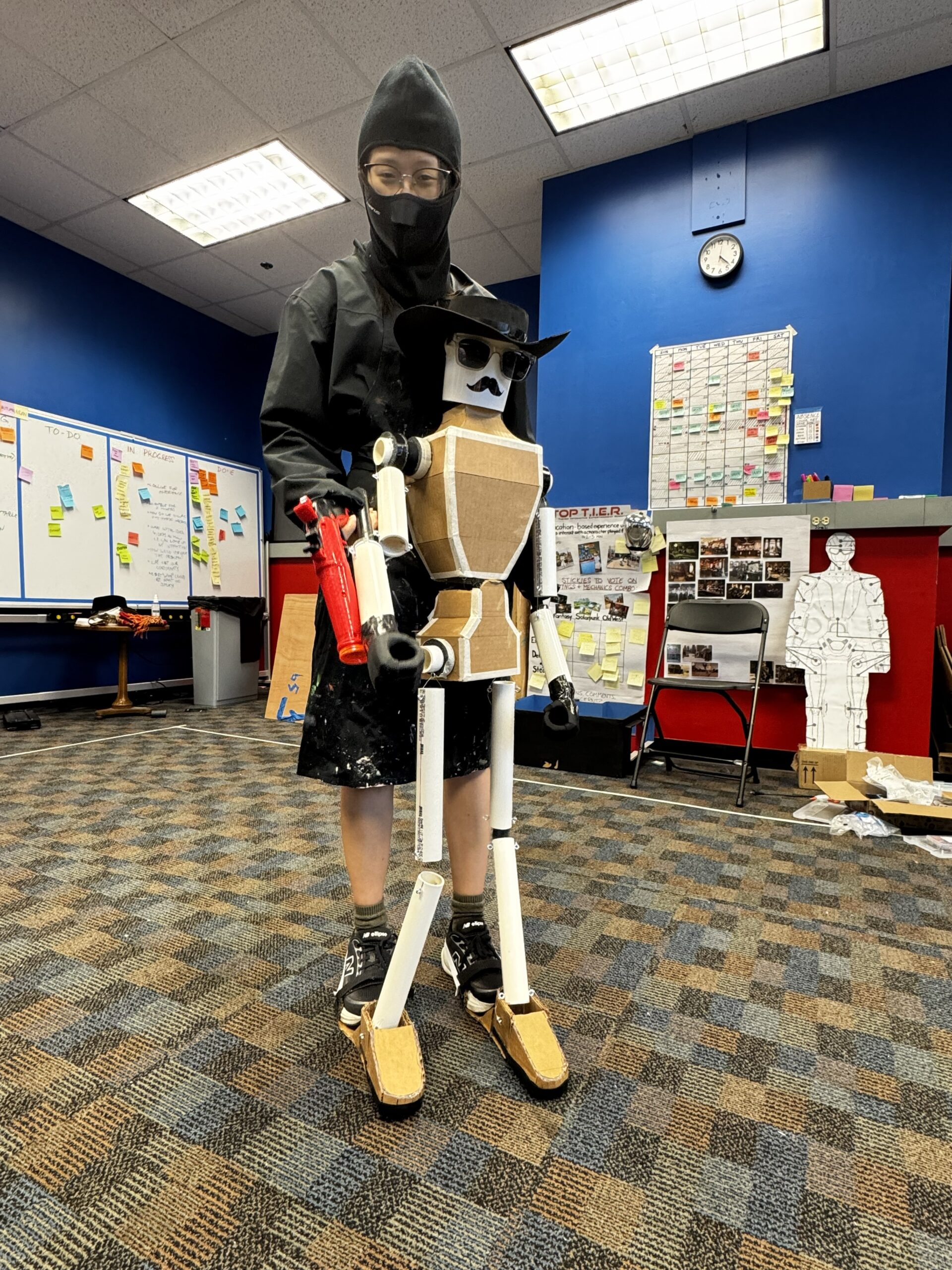
After an exhausting week 3 we headed into week 4 with some major tasks to perform and getting a better understanding of our experience. This week we majorly focused on conducting playtests, reviewing our iterations for the narrative, experience and design production.
This week, we conducted two rounds of playtesting to understand how players experienced our interactions and story. We wanted to see what players thought they were doing, how they would describe the experience to someone else, how they felt during the experience, and which moments stood out to them.
Our first playtest took place on Tuesday 09/15/2026 in the Hunt Library. This playtest focused on two main interactions: quickdraw/shooting and dancing. The first interaction was generally easy for players to understand. Many players saw themselves as a cowboy or sheriff competing against the robot and trying to impress the gang leader. The competition with the robot was engaging, and players were curious about whether they would be able to beat it.
The biggest issue was the dancing interaction. Players were unsure about what they were supposed to do and wanted a clearer example or reference. We also learned that the story moved too quickly. Some players did not have enough time to understand their role or the situation before the first interaction started.
One of the most memorable moments was the robot cheating. Players found it funny and interesting, although some were unsure why the robot was cheating. This showed us that the robot’s personality could be an important part of the experience.
The first playtest also gave us ideas for other ways the player could interact with the robot, including grabbing or fetching something together, Simon Says, arm wrestling, mimicking movements, and other physical challenges.
Our second playtest took place on Thursday 09/17/2026 in our ETC project room. For the second playtest, we focused on four interactions: quickdraw, shooting a target, handshake, and the robot dying. This allowed us to test a more complete version of the experience and see how the different interactions worked together.
The basic idea of competing against a robot continued to come through clearly. Players described themselves as a cowboy competing for a place in a gang or trying to win the gang leader’s favor. They also described the experience as funny, intriguing, interesting, and a little absurd.
The quickdraw and shooting interactions continued to be some of the strongest parts. Players found the competition fun and engaging, especially when combined with the cowboy setting and performance. The robot cheating was again one of the moments that players remembered most.
The second playtest also showed that the robot’s movements and personality were important. Players found the robot dancing and mimicking movements funny, and the handshake was described as a cute moment. The ending, especially the moment involving shooting the robot’s hat, also created curiosity and engagement.
At the same time, we continued to hear that the story moved too quickly. Players felt that the robot’s character developed very quickly, which made it harder to form an emotional connection with it. Some also felt that certain interactions happened too fast. This made us think more about giving the player enough time to understand the relationship between the cowboy and the robot.
Across both playtests, we learned that the competition between the player and the robot is easy to understand and creates engaging moments. Quickdraw, shooting, cheating, and the robot’s funny movements consistently stood out to players.
We also learned that we need to slow down the story and give players more context before the interactions begin. The robot needs more time to develop as a character, and the player should have a clearer understanding of their role and relationship with the robot.
The playtests also helped us think about what makes the experience specifically about a humanoid robot. Rather than simply having the robot perform the same actions as a human actor, we want to explore interactions that use its movement, physical presence, and personality.
Going into our next iteration, we will focus on slowing down the story, making the character relationship clearer, improving the timing of the interactions, and finding ways to use the robot’s abilities more directly. The goal is to keep the parts that players found fun while making the overall experience easier to understand and more meaningful.
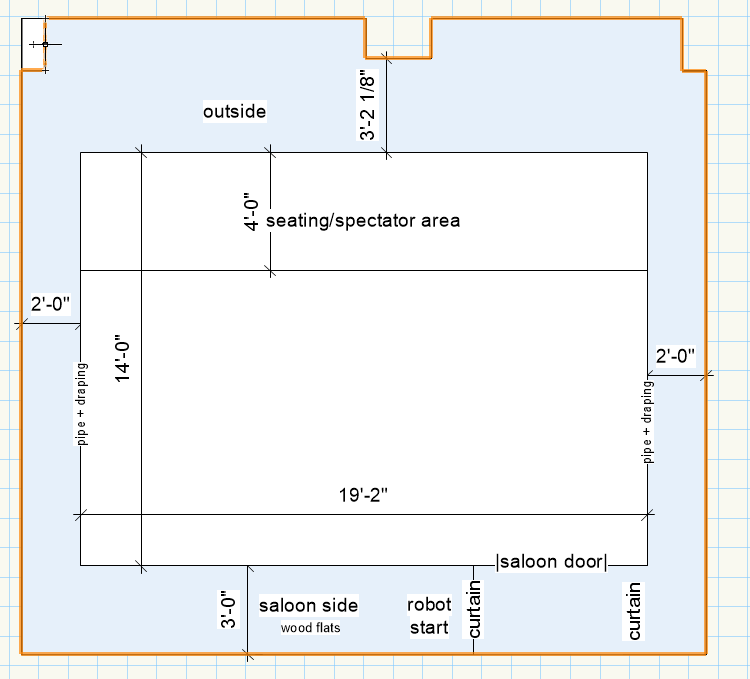
In this week’s instructor meeting we focused on refining the character, the robot’s capabilities, and the overall guest experience. We also discussed the room setup and some upcoming process deadlines.
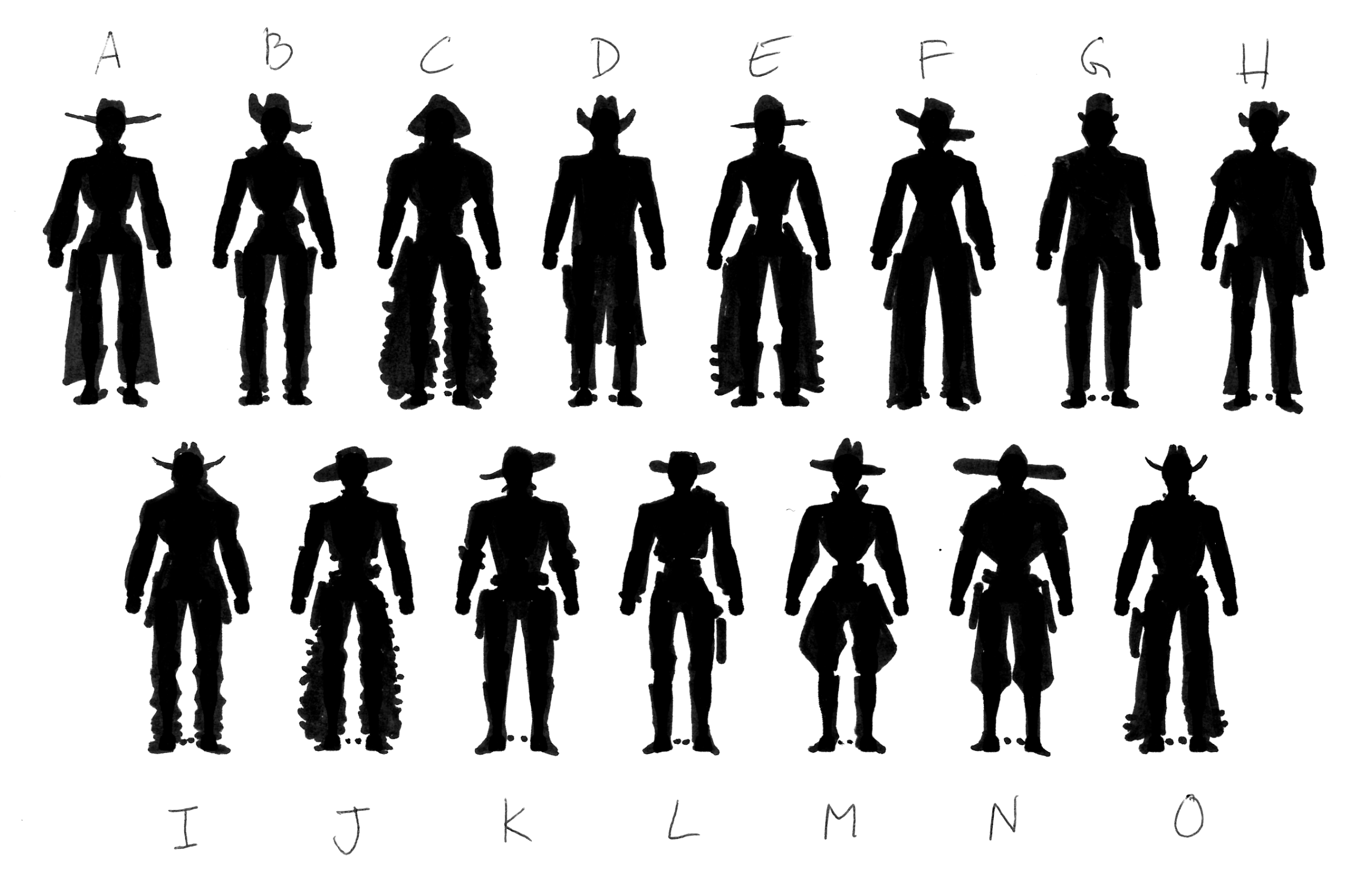
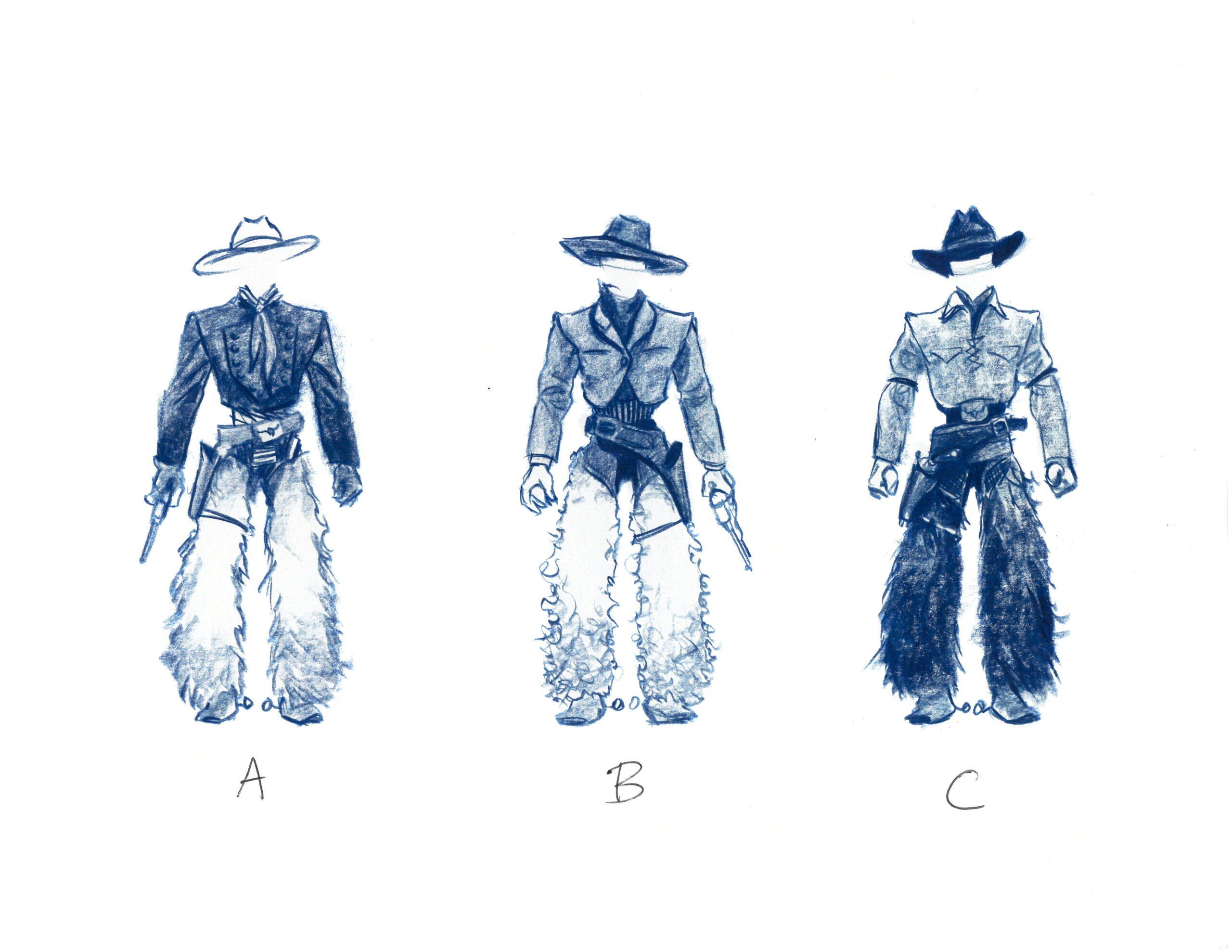
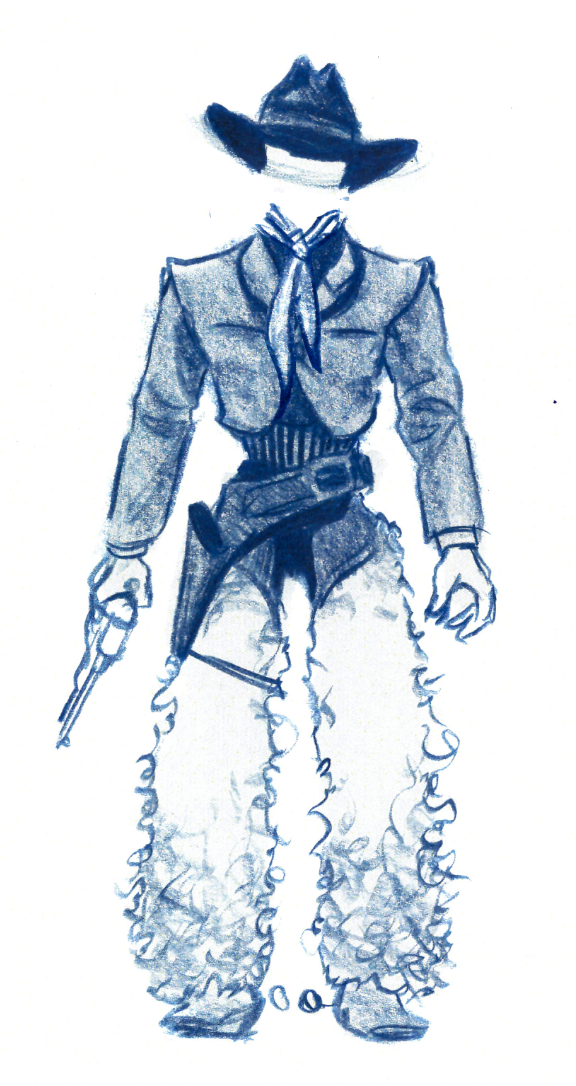
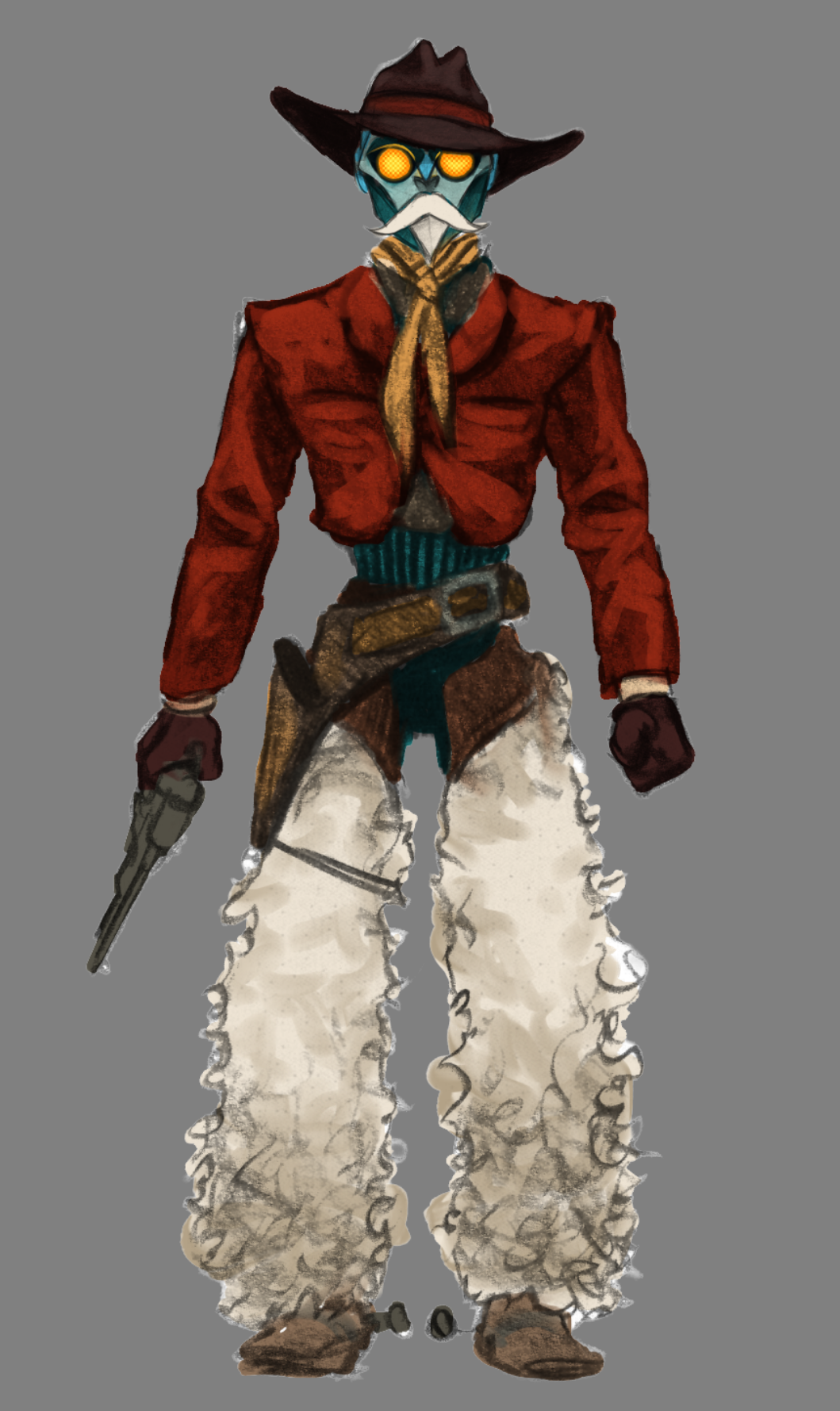
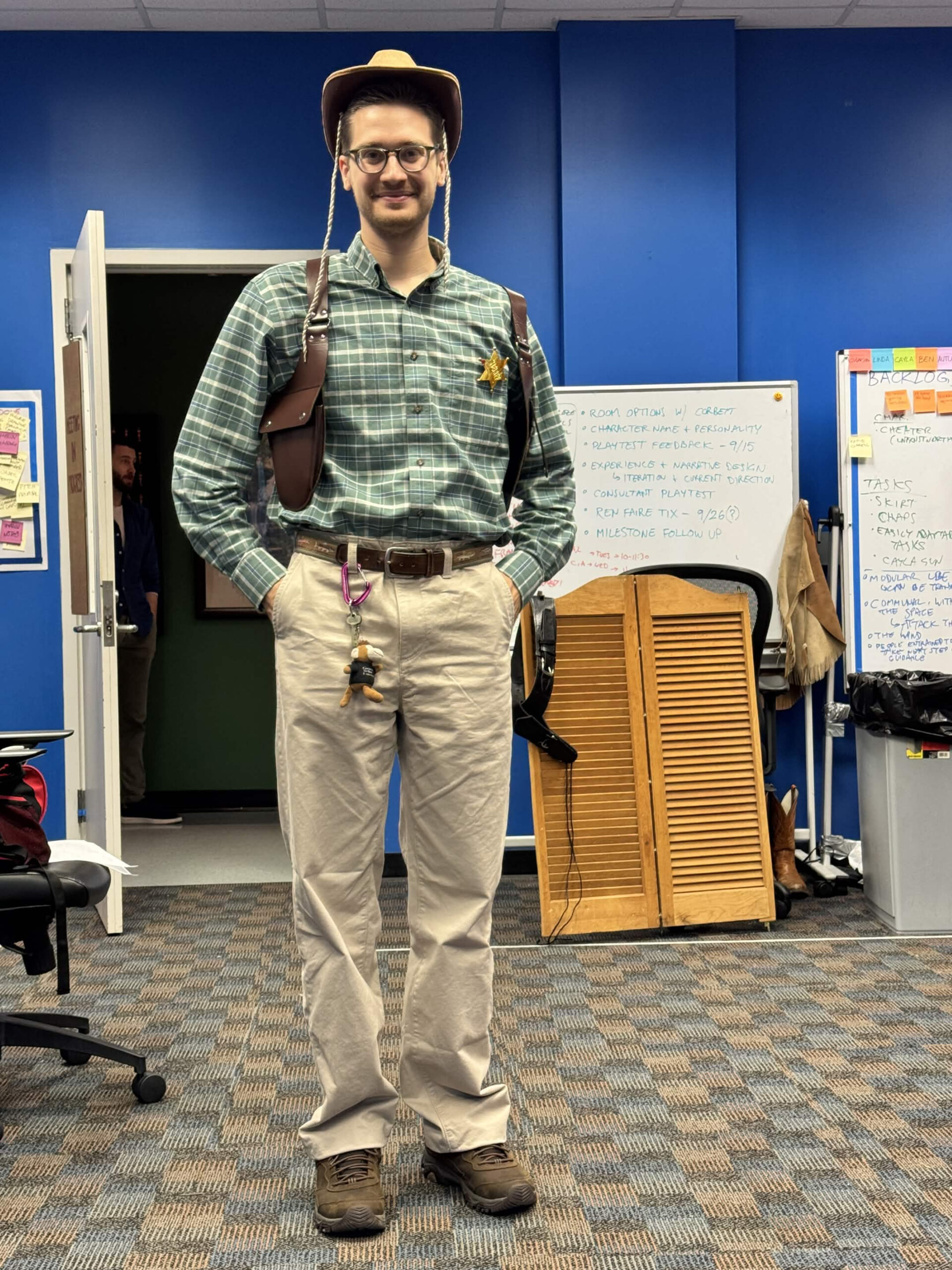
One of the biggest discussions was around the character’s name and personality. We are currently exploring the name “No Way Jose,” but the instructors encouraged us to think carefully about what the name, background, clothing, and personality communicate together. We need to avoid relying on stereotypes and consider how different parts of the character might be understood by guests, even when that is not our intention. We also discussed what kind of outlaw he should be. Is he a gentleman, a dumb outlaw, or someone who is actually very good at crime but does not have a large vocabulary? We want to understand how guests are supposed to feel about him and make his personality more consistent.
Another major topic was understanding the robot’s capabilities. We were encouraged to create a more complete list of what the robot can and cannot do. This includes looking into prebuilt movements, hand-tracking teleoperation, QuickDraw, controller parameters, and how we can safely exit teleoperation and return the robot to a stable state. We also learned that some abilities, such as dancing, may require different systems than basic walking. Instead of hiding these limitations, we can use them as part of the experience.
For the narrative and experience, we discussed keeping the competition between the guest and robot but allowing the story to change as we continue testing. The experience may be less about a traditional heist and more about a one-on-one audition or competition. We could also make the QuickDraw something that everyone can participate in and potentially make the dance the final challenge. Another idea was to end with the guest and robot doing something together instead of simply having one winner.
We also talked about how important it is for the robot to communicate with the guest. If the robot does not talk, the experience may feel less immersive. The way the robot expresses itself through movement, sound, or other actions should make guests want to interact with it. We also discussed making the outcome somewhat random, which could make each experience feel less predictable. Instead of focusing on replayability, we could aim to make the one-time experience memorable.
Overall, the meeting helped us look beyond the individual interactions and think about who the robot is, what the robot can realistically do, and how those abilities can shape the story. Our next steps are to continue developing the character, build a full list of robot capabilities, and test different ways of connecting those capabilities to the guest experience.
Week 4 helped us move from simply asking “What can the guest do?” to asking “Who is the robot, and how can the robot shape the experience?” The playtests showed us that the competition is working, but the story and character need more time to develop. At the same time, we need to understand the robot’s real capabilities so that we can design around what is actually possible.
Heading into Week 5, our focus will be on building and testing with the actual robot, narrowing down the story, defining the character, and creating a clearer version of the core experience. We also need to start making decisions about which interactions are worth keeping and which ideas we should let go. With our next major milestone approaching, the goal is to move from exploring many possibilities toward building a smaller, playable experience that we can continue testing and improving.
Links
- Top T.I.E.R Instructors Meeting 5
- Playtest 09/15/2026
- Playtest 09/17/2026
- Top T.I.E.R DESIGN CONCEPTS Meeting 2.pptx