
Process Grade 1 and Consultant Playtest
With the goal of focusing more on the actual robot, narrowing down the story, defining the character, and building a clearer version of the core experience, we entered Week 5. At this point, we needed to start making decisions about which interactions were worth keeping and which ideas we needed to let go.
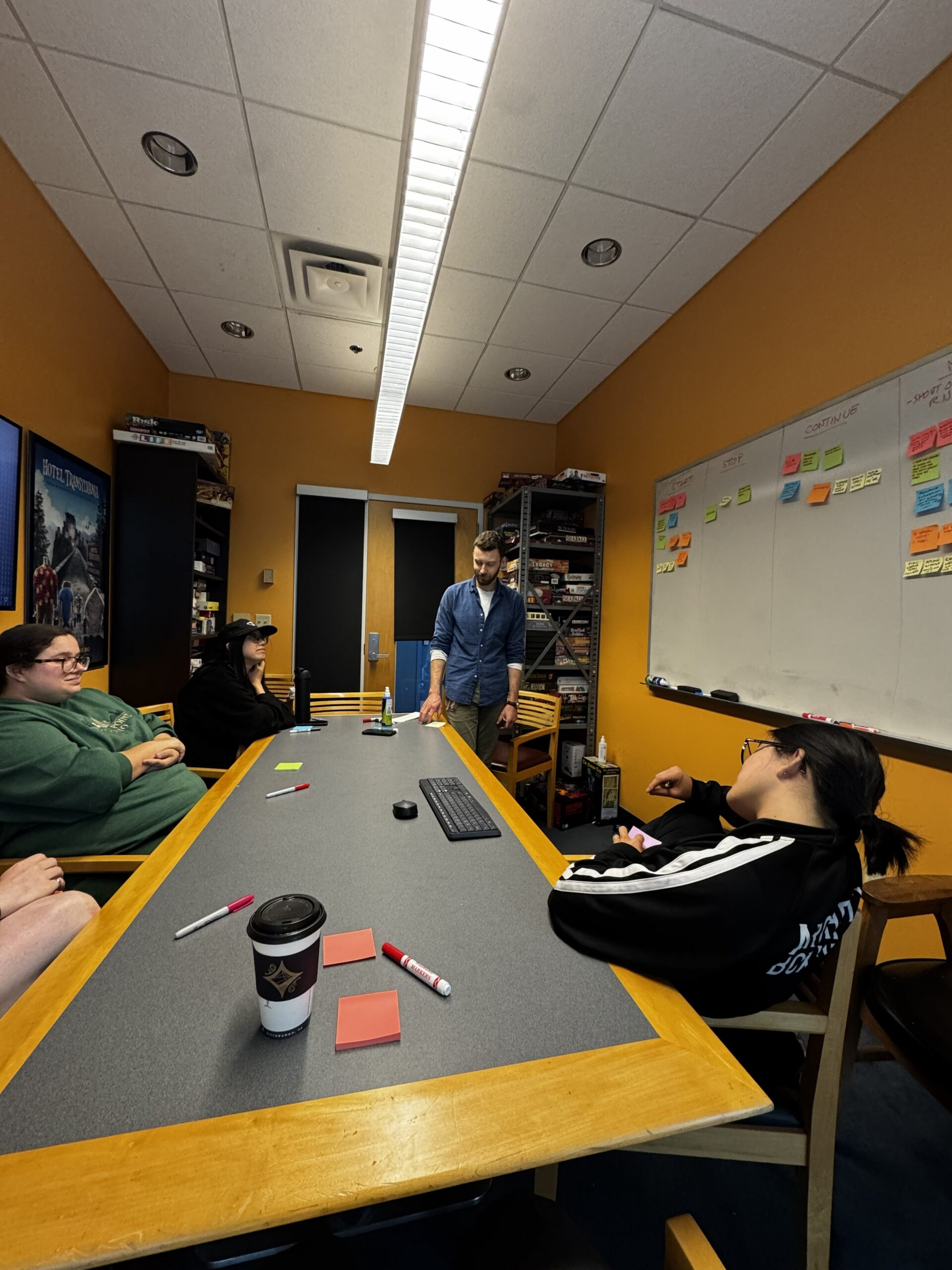
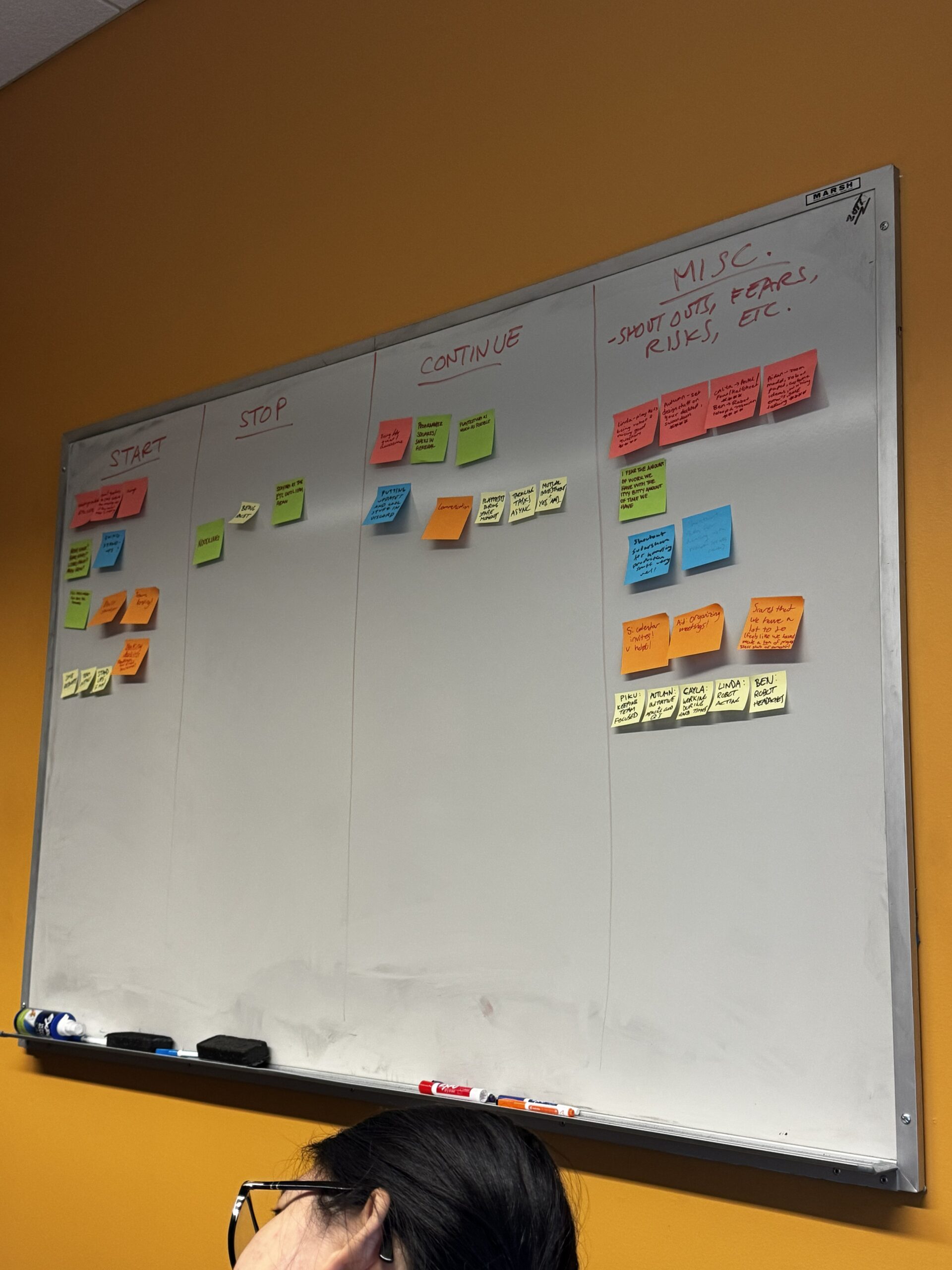
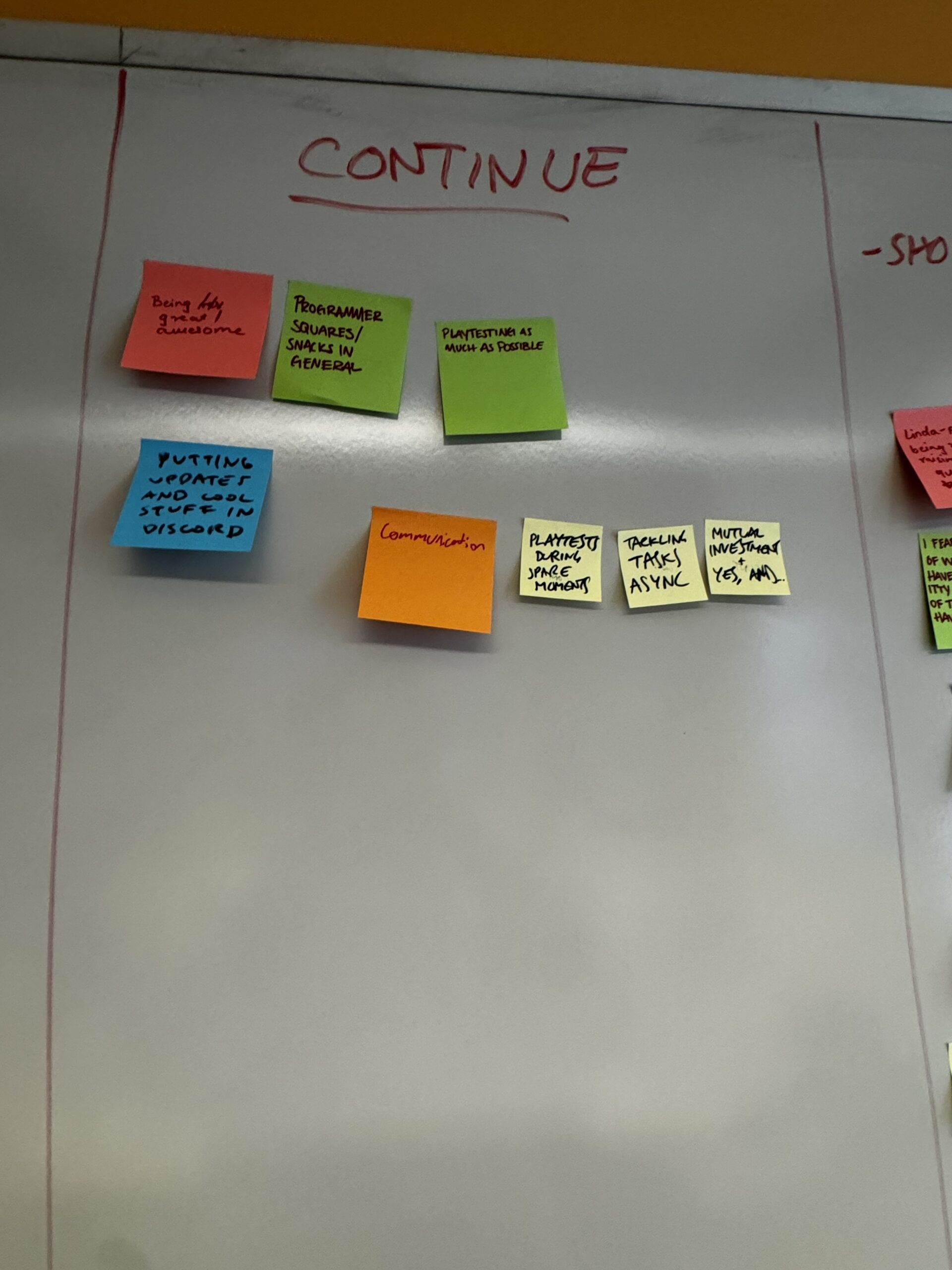
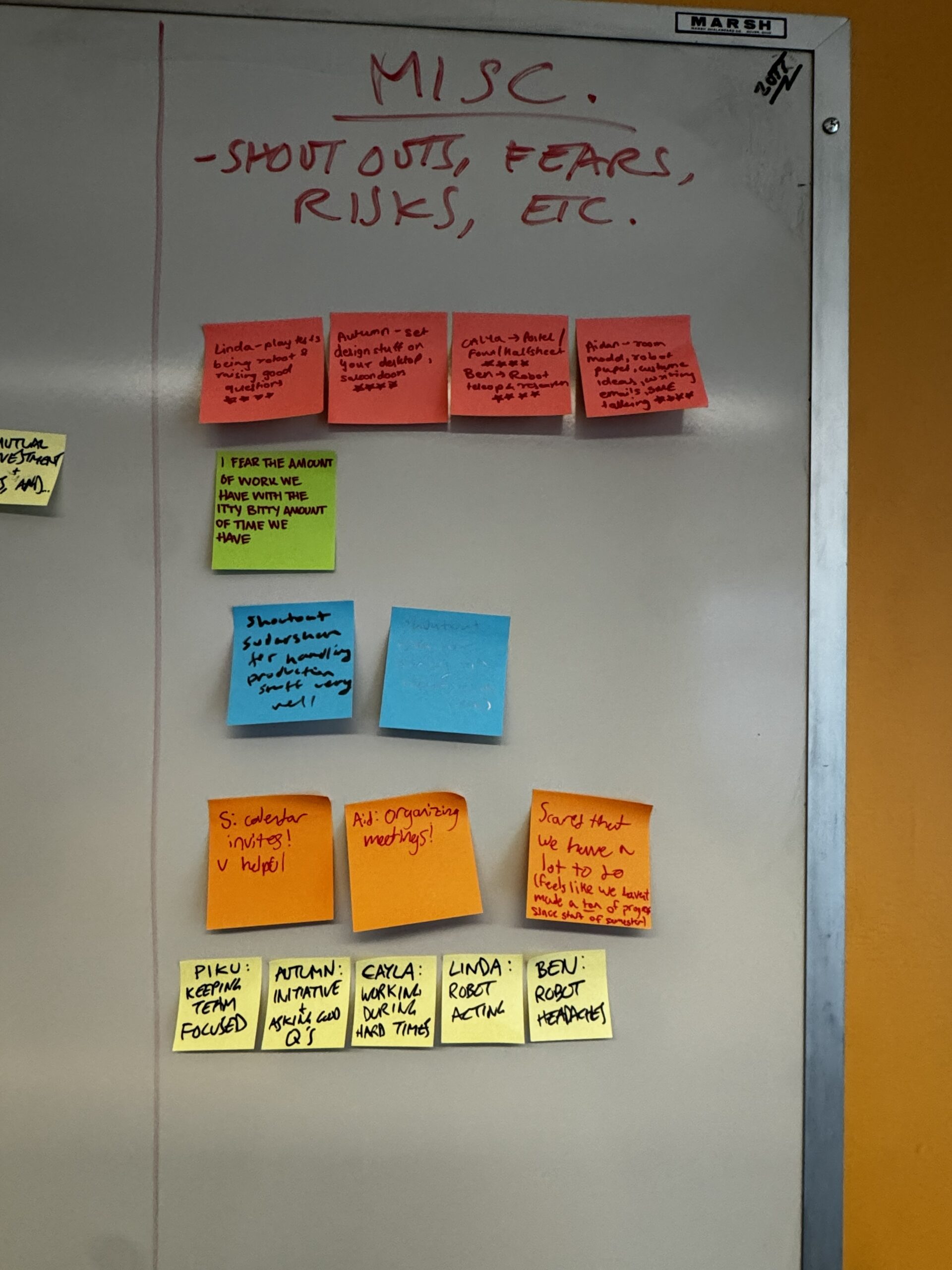
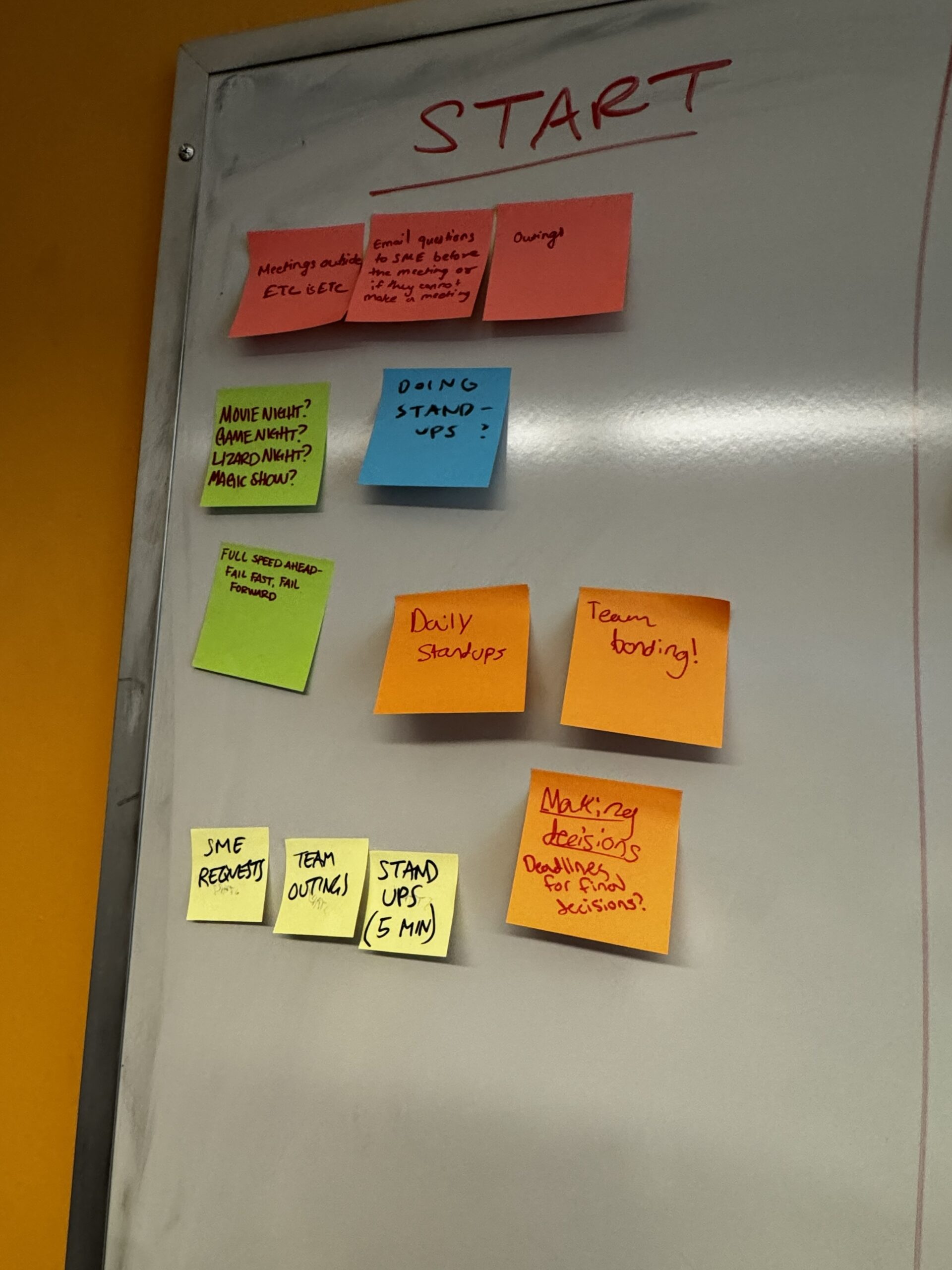
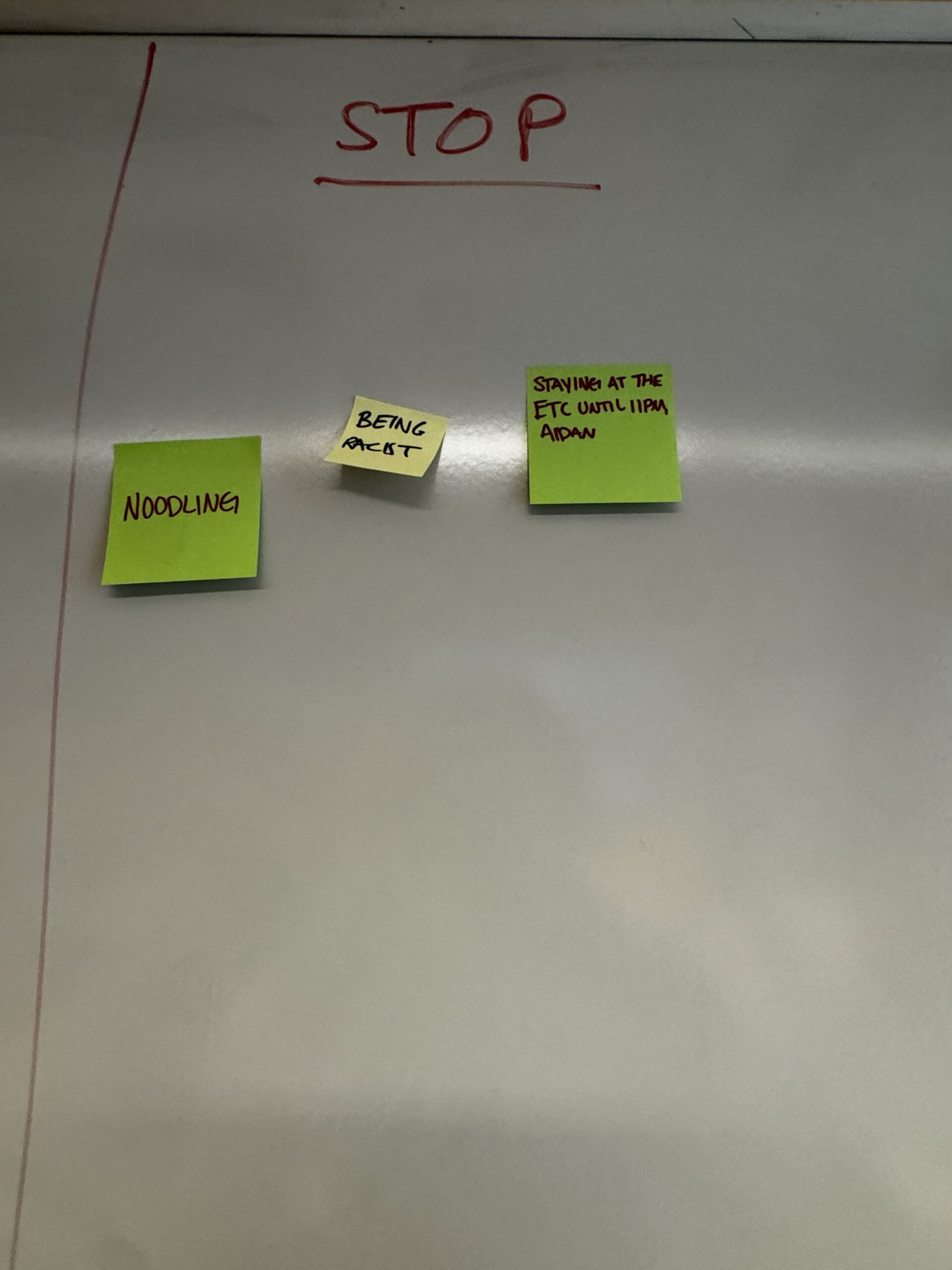
We began Week 5 by conducting our first team retrospective. During the session, we reflected on what the team should start, stop, and continue doing, along with an open discussion about risks, concerns, and shoutouts. The retrospective was a valuable exercise that allowed us to assess our progress, identify areas for improvement, and find ways to collaborate more effectively moving forward.
This week, we had our first process grade meetings with our project advisors. Each team member had a short one-on-one meeting to talk about their goals, progress, and expectations for the semester. The main feedback was that we had done a lot of research, testing, and exploration, but we were still taking too long to make decisions. The advisors felt that we needed to stop staying in the planning stage and start showing a clear start-to-finish experience.
One of the biggest points was communication. While everyone was working hard, people were sometimes working in their own areas without enough communication between them. The advisors encouraged us to have more small meetings between areas that depend on each other, such as tech and narrative or tech and experience design. They also wanted us to show more of our work instead of only talking about it. Sketches, storyboards, experience flow charts, and early prototypes would make it easier to understand our progress.
The feedback also made us think about how we were using our time. We had spent a lot of time exploring different ideas because we wanted to make the right choice, but this was starting to slow us down. The advice to “eat the biggest, ugliest frog first” stood out to us. Instead of doing the easiest tasks first, we needed to face the difficult decisions and test them. Even if we were wrong, testing would give us useful information and help us move forward.
We also completed our first major milestone of the semester: a consultant playtest with Ruth. We showed her a prototype of our experience, including the onboarding, the main interactions with the robot, and parts of the story. Some team members acted out parts of the experience while others observed and took notes.
Ruth’s feedback helped us see that we still needed to answer some basic questions. What is the guest actually trying to achieve? What does the guest get if they succeed? What happens if they defeat the sheriff or the robot? She also pointed out that the sheriff and outlaw relationship could be stronger. At the same time, she noticed that the experience had an interesting rebellious feeling, with the guest trying to prove themselves, getting caught, and wanting to earn their place.
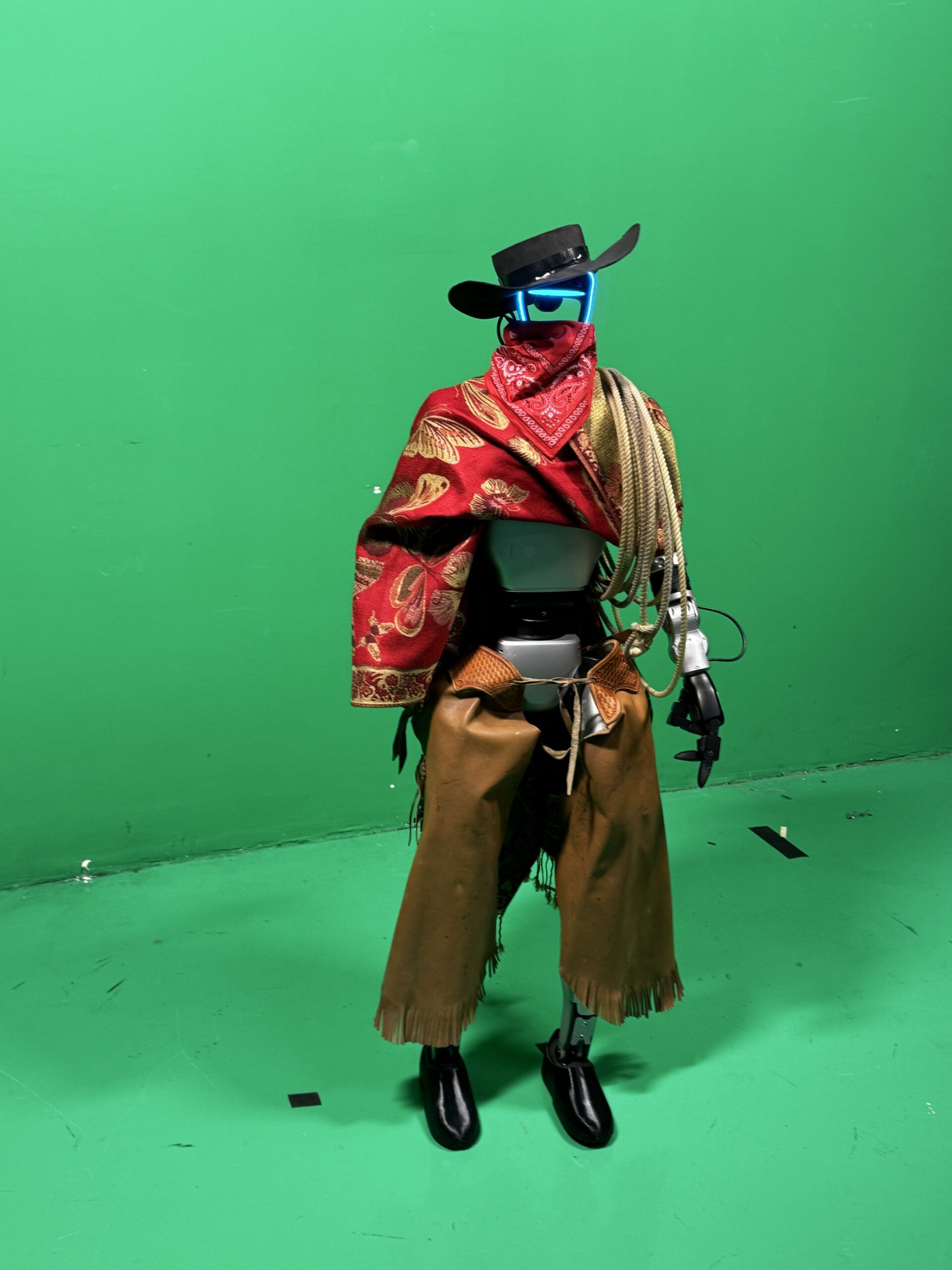
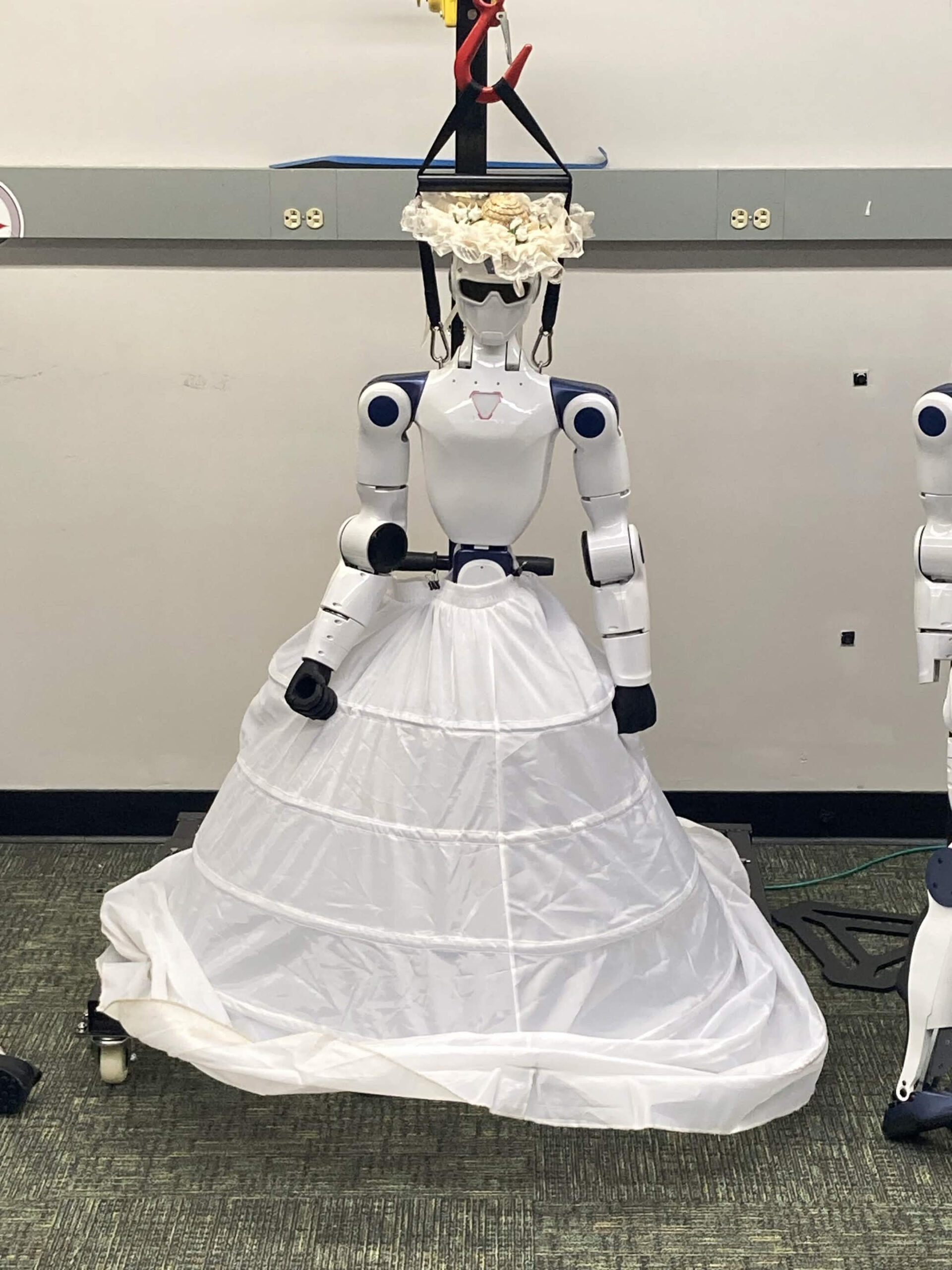
Her feedback about the robot was also important. Instead of trying to hide that the robot is short or looks different from a human, we could make those traits part of the character. The robot should feel like the guest’s partner, with its own personality and look. We also need to make the robot’s face more visible and use the hat, clothing, and props to strengthen its Western character.
The shooting interaction was one of the parts that worked well during the playtest, especially shooting at the sheriff cutout. However, we need to make the interaction more reliable and satisfying. Ruth suggested having the robot shoot first and successfully hit the target so the guest understands the mechanic and feels more involved in the challenge. We also need to avoid adding unnecessary steps that could make the interaction frustrating.
On Thursday morning, we met with our instructors to go over the process grade and consultant feedback. A major focus of the meeting was that we could not keep using technology as a reason to delay other parts of the project. If the R1 was not ready, we could continue developing and testing with the G1 because the basic code could be moved over later. We also needed backup plans for problems with the robot, safety system, or other technology instead of letting those problems stop progress.
The instructors also pushed us to make clear decisions about the narrative and character. We set a deadline for Tuesday to have the character name, gender, and costume direction decided. We were also asked to put the costume on the robot and walk it around, test different character intentions through teleoperation, and record videos of these tests. This would help us understand the character through actual movement instead of only discussing it.
Set design was another major topic. We needed to create a clearer room layout and think about what the space actually represents. If the space is a hideout, how does the guest enter it? If it is a saloon, why would the guest be there? We needed drawings or images of the space and a clear list of the props we would need. We were also encouraged to look for inexpensive materials through places like Goodwill, Construction Junction, and the School of Drama.
The instructors also asked us to have more small meetings between team members whose work connects. For example, the set and narrative teams needed to talk about how the story affects the space. We also needed to share our layout, budget, and half-sheet materials with Vivian and Shirley so they could give us feedback earlier.
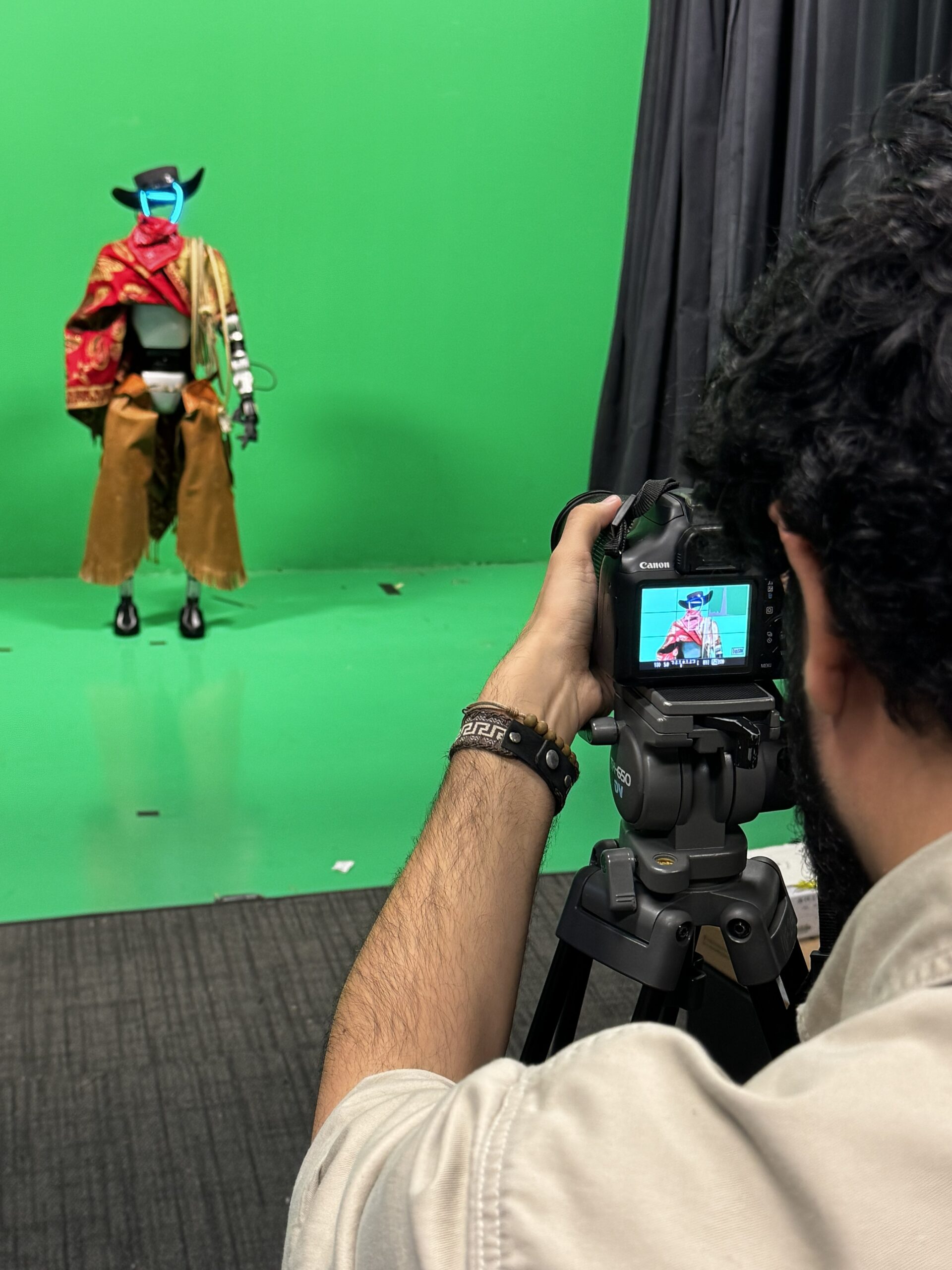
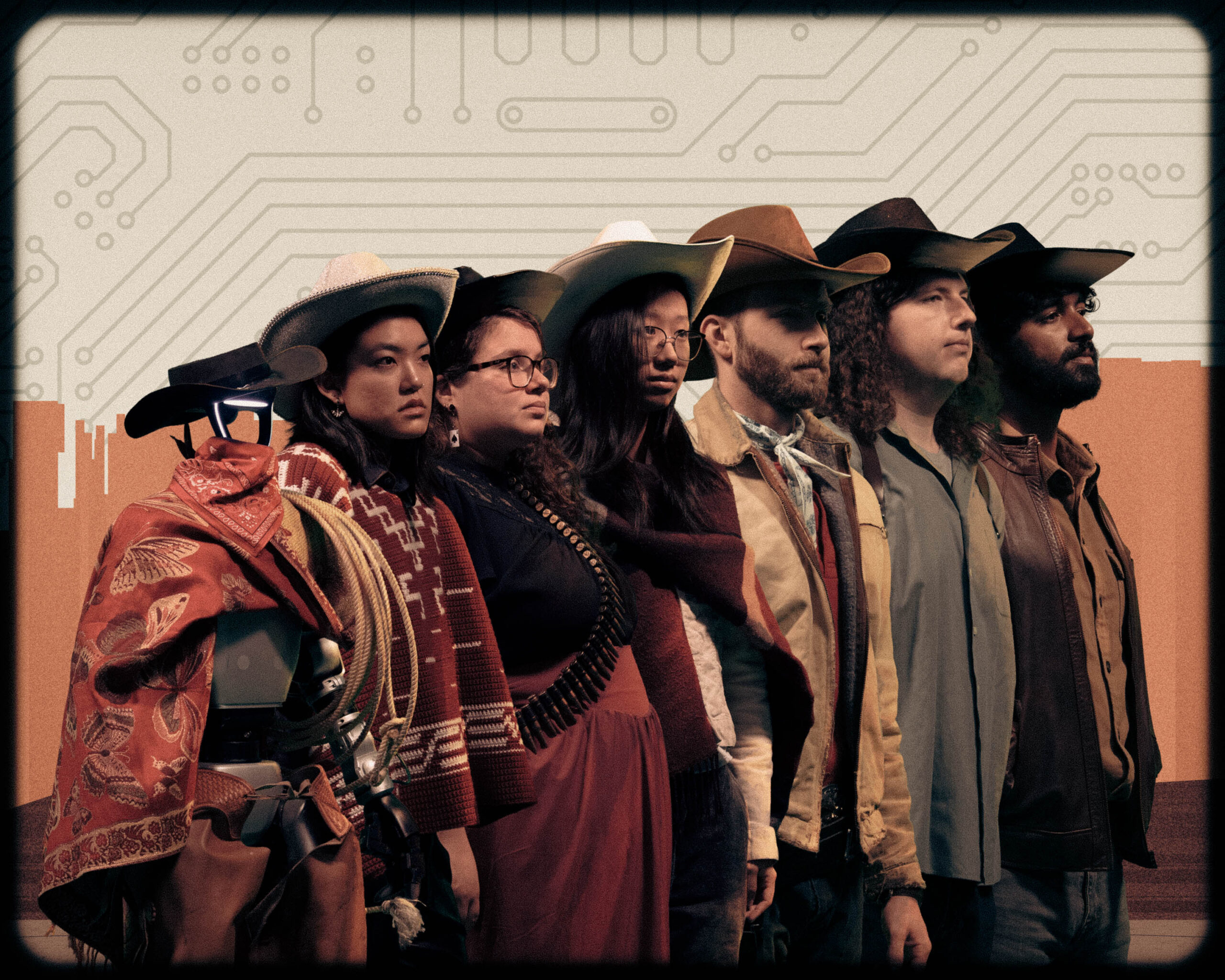
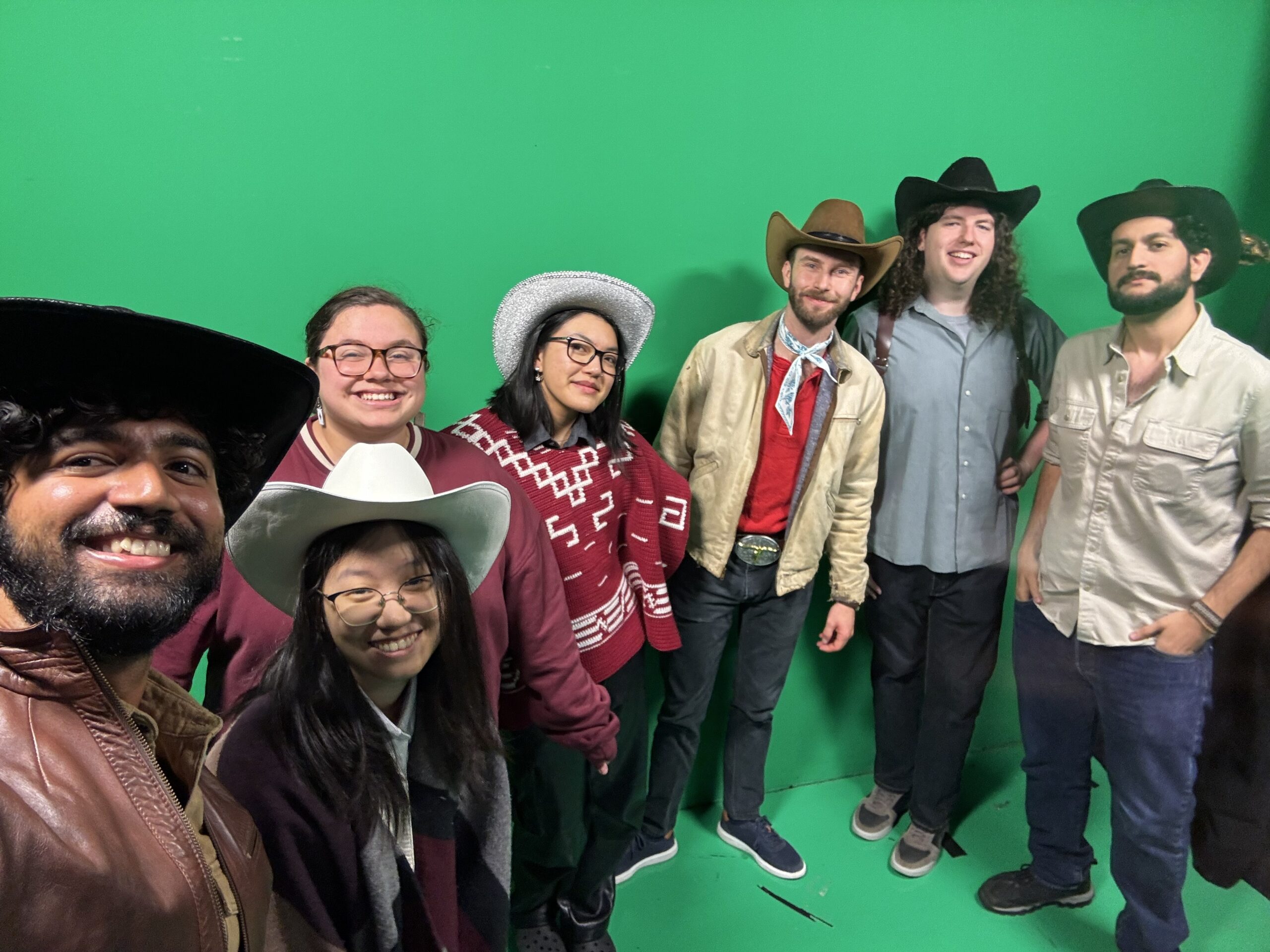
Apart from the retrospective, the team got together on Wednesday afternoon to take team photos and individual portraits for our website. José F. Mireles Macario helped us with the photography. By the end of Week 5, we had also met our branding deadlines by submitting our poster, half sheet, team photo, and website materials.
By next Tuesday, we need to have several clear goals: update the project website, finish the half-sheet text, create the general room layout, test the robot joints, make character and costume sketches, put some costume pieces on the robot, test different character intentions through teleoperation, record robot interaction videos, and create a flow chart showing the experience. By the following Friday, we should also expect to have a plan for adding audio so the robot could speak.
Looking back at Week 5, the feedback from the process grades, consultant playtest, and instructor meeting all pointed in the same direction. We have enough ideas. Now we need to choose, build, and test. The next step is not to make the perfect decision on paper, but to make a decision, put it into the experience, and see what happens.