Category: Development Blog

  • Week Nine: Winding Up

    As the full team has now returned from spring break and GDC, we are hitting the ground running. Monday was spent analyzing feedback from playtests and halves as a team and prioritizing our next steps.

    Across the board, the team is focusing on finding more moments of surprise and delight to add into the experience and making the physical experience feel better. The pieces and the board will need to look attractive and invite play, and the board should not work against the different stories we will be telling.

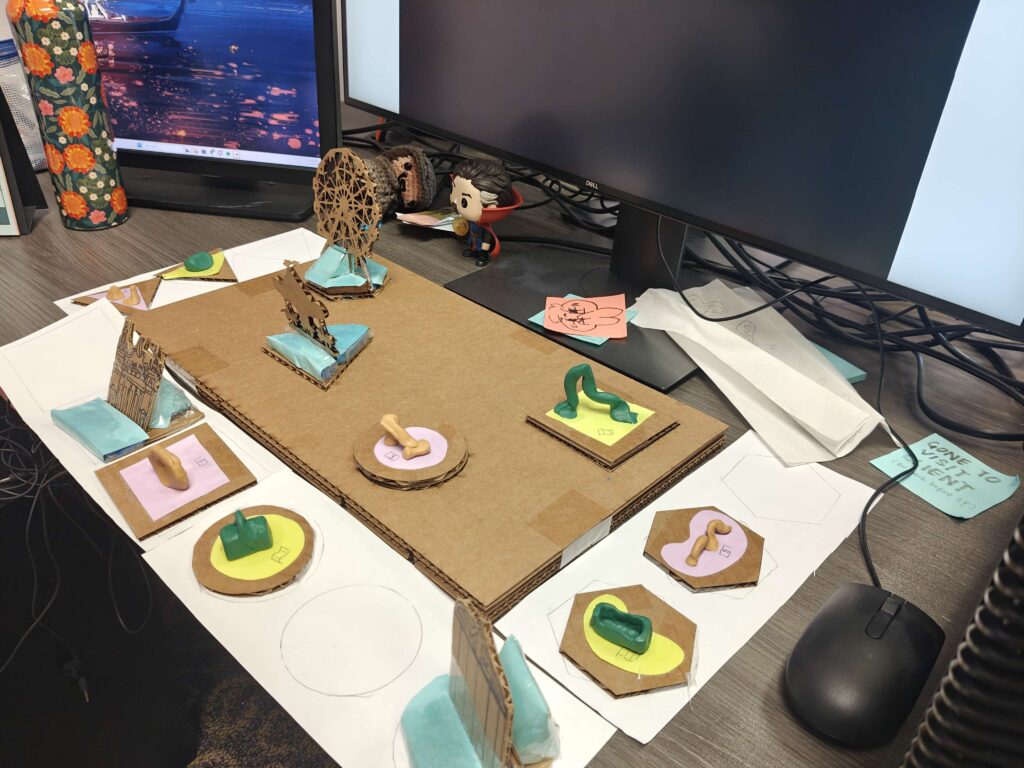
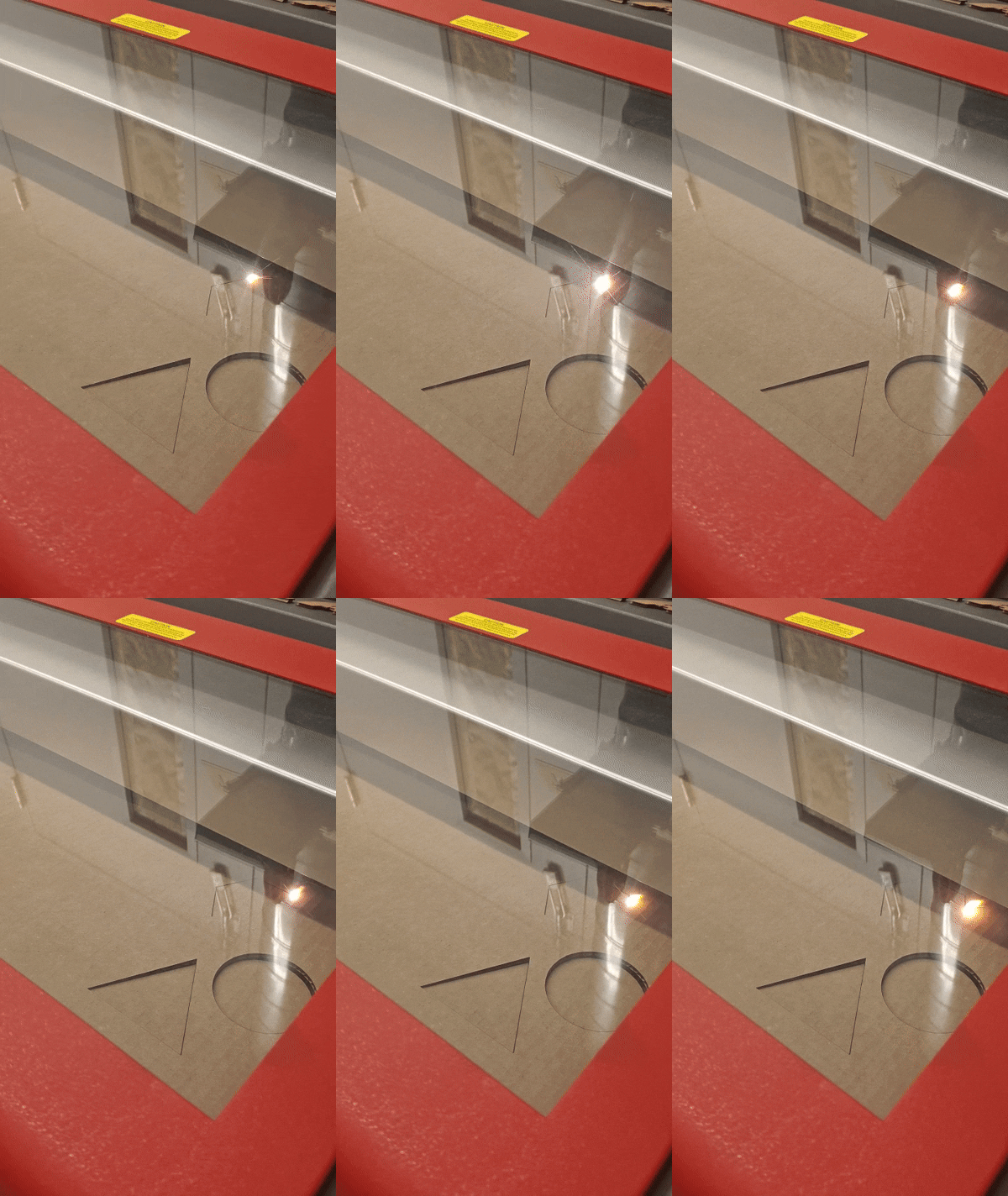
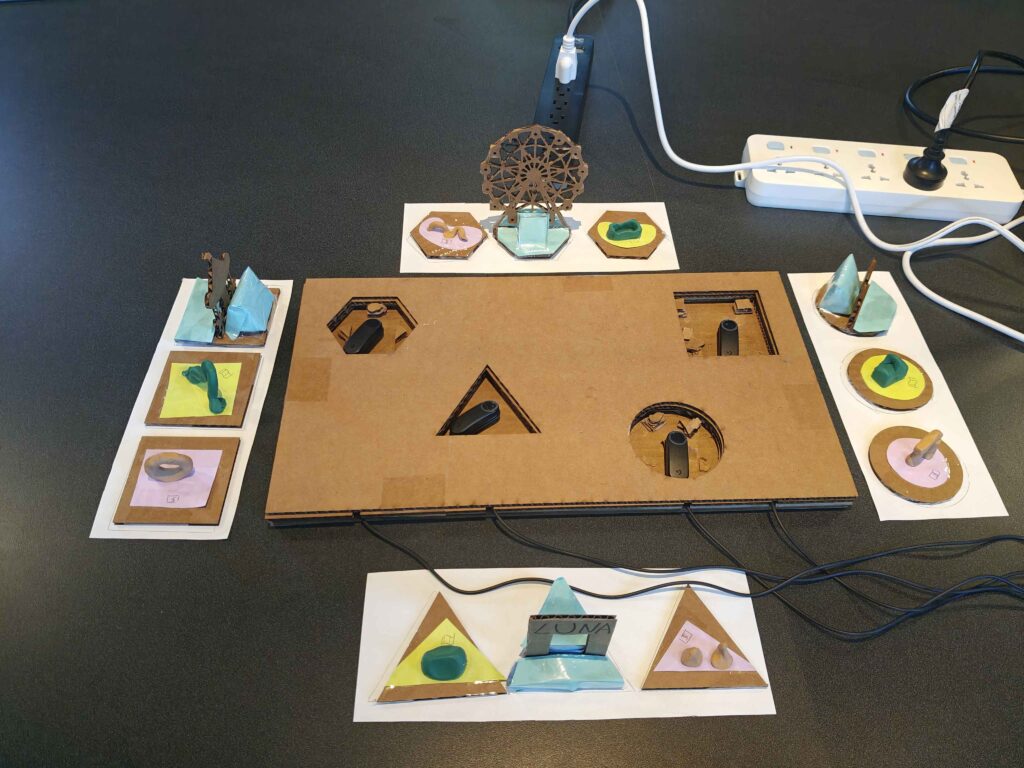
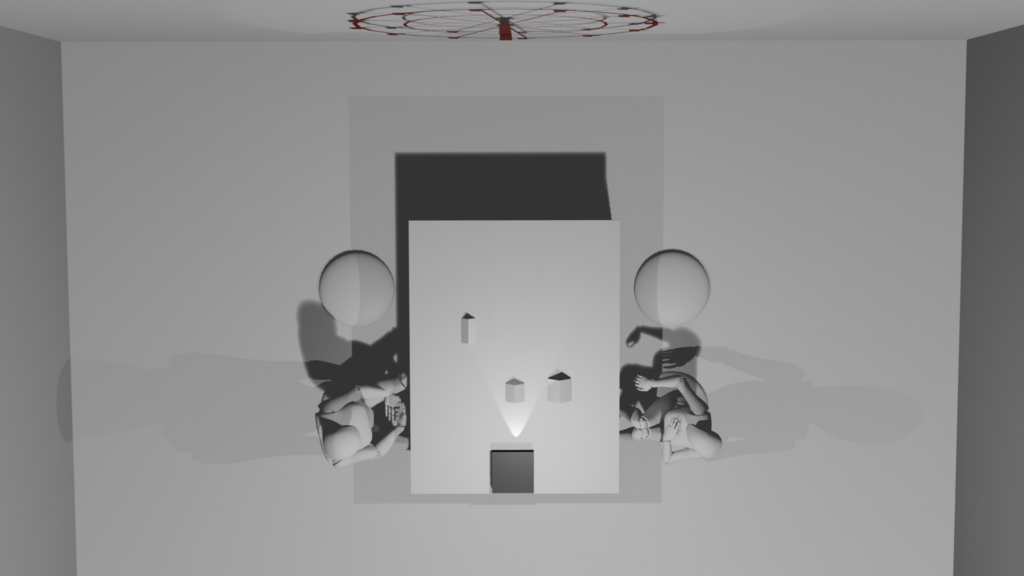
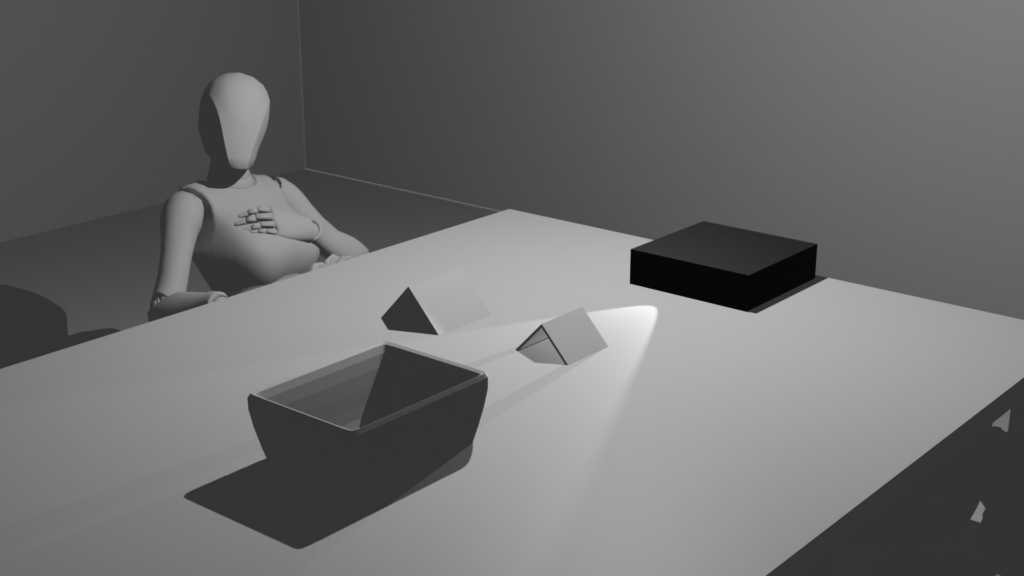
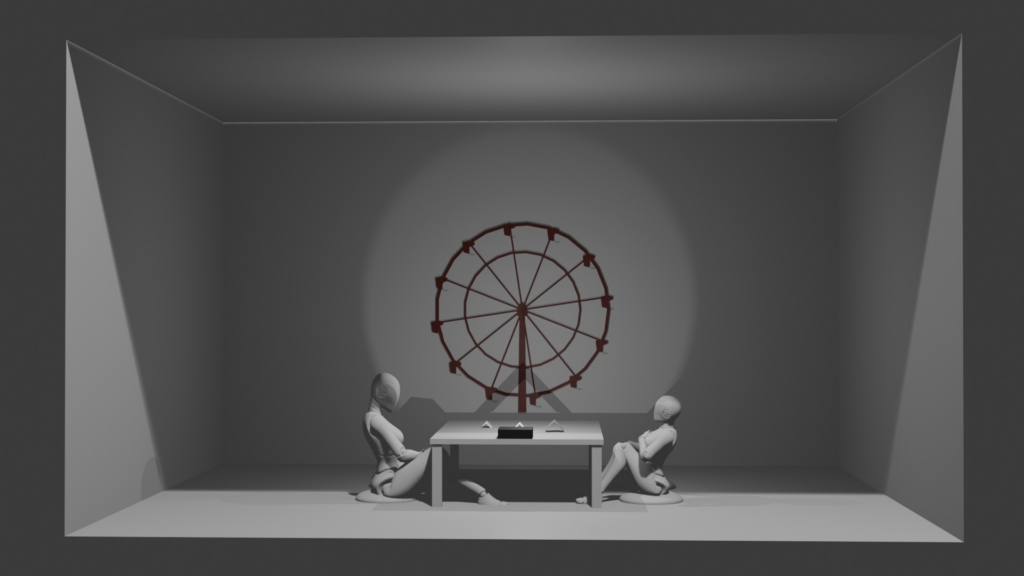
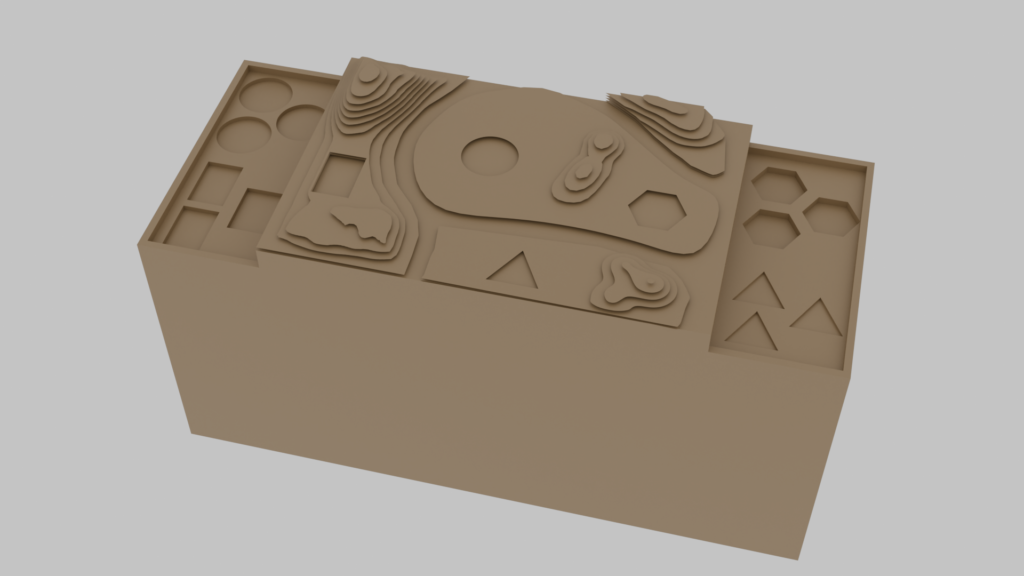
    Jack and Jimmy produced a full scale table design which will be laser cut for playtesting.
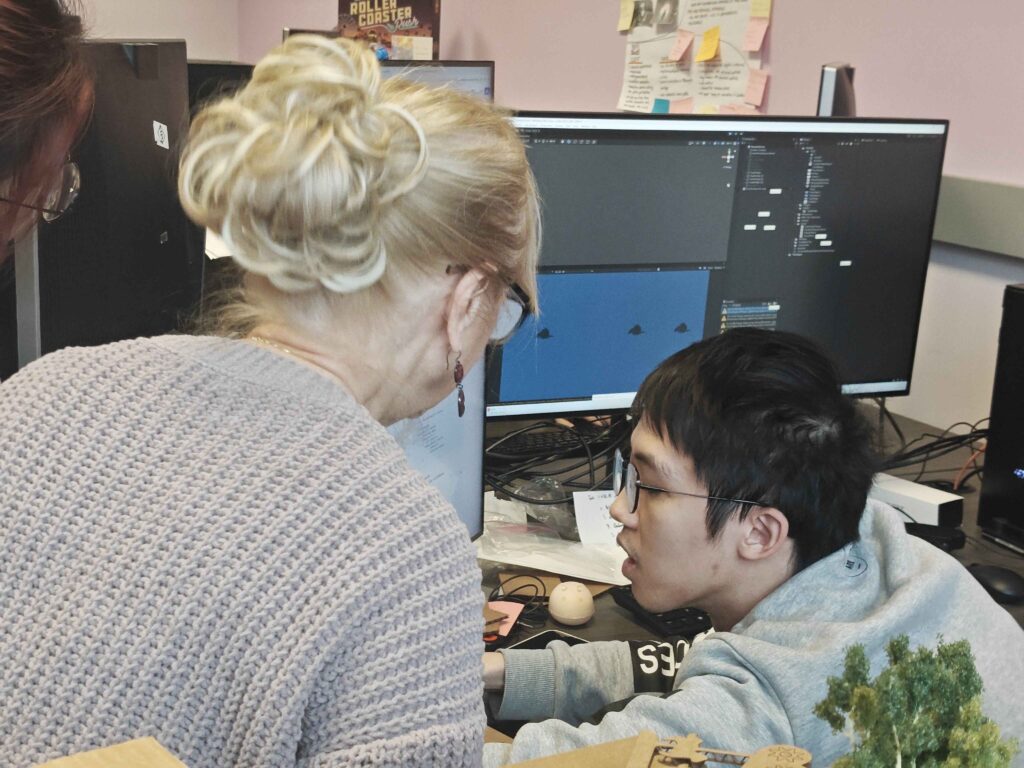
    Yifan and Jimmy created a technical demo where different rfid tags will pull up different images, close to how different models and facts will pop up on the screen in the finished product.

    The team is dissatisfied with some of the function of the current rfid modules, as they are too loud and can only detect if an object enters the field, not if an object stays there or has been brought away from the field. As such, the team spoke with the ETC IT team and concluded that we will be switching over to a Phidget based system. We have ordered the parts and are waiting on their arrival for further hardware integration.

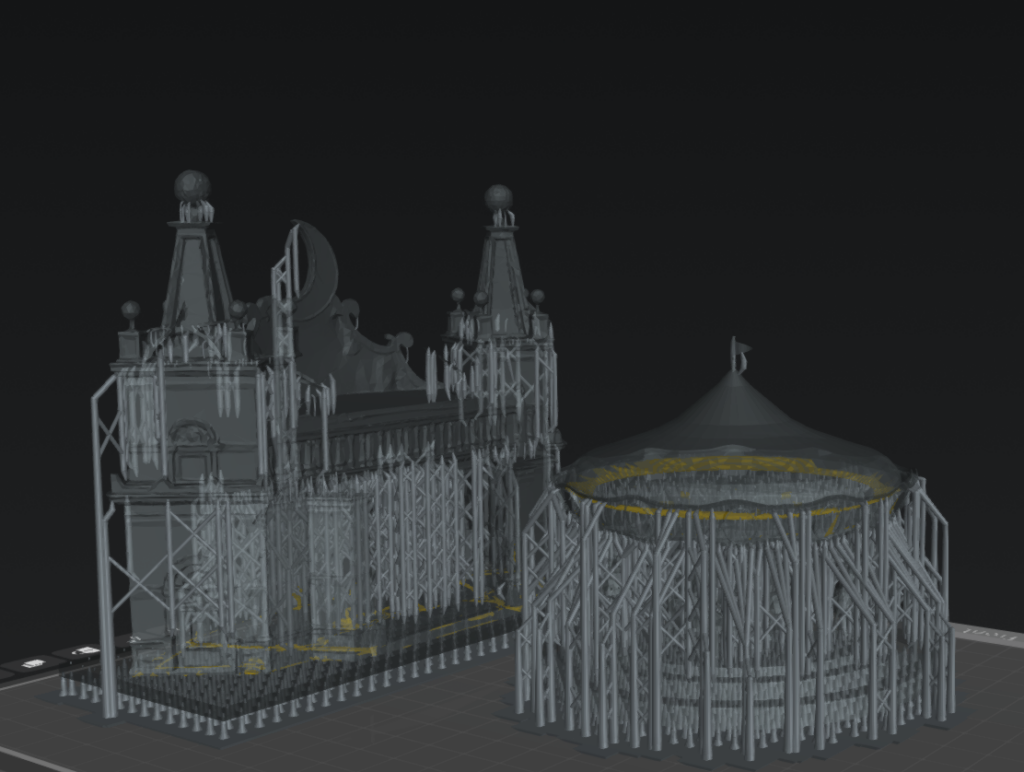
    Speaking of switching methods, the team has decided to switch from PLA printing to resin printing, as the latter has a better capability to print at a higher resolution and more consistent strength. We ordered resin, which should arrive by Monday of next week.
    On Friday, the team had a meeting with the client to discuss this week’s progress. The client pointed out that they liked the new design of the table, as having homes for the pieces on two opposite sides of the table makes it feel more balanced than if the pieces were on three sides of the table. In addition, it was recommended that we make the space under the table open to allow for easier access for wheelchair users.

    With orders for new parts placed and designs to refine, the team is ready to jump into week 10.
  • Week Eight: The Quiet Aftermath

    Week Eight was a slow week, as most of the team was away networking at the Game Developer’s Conference.

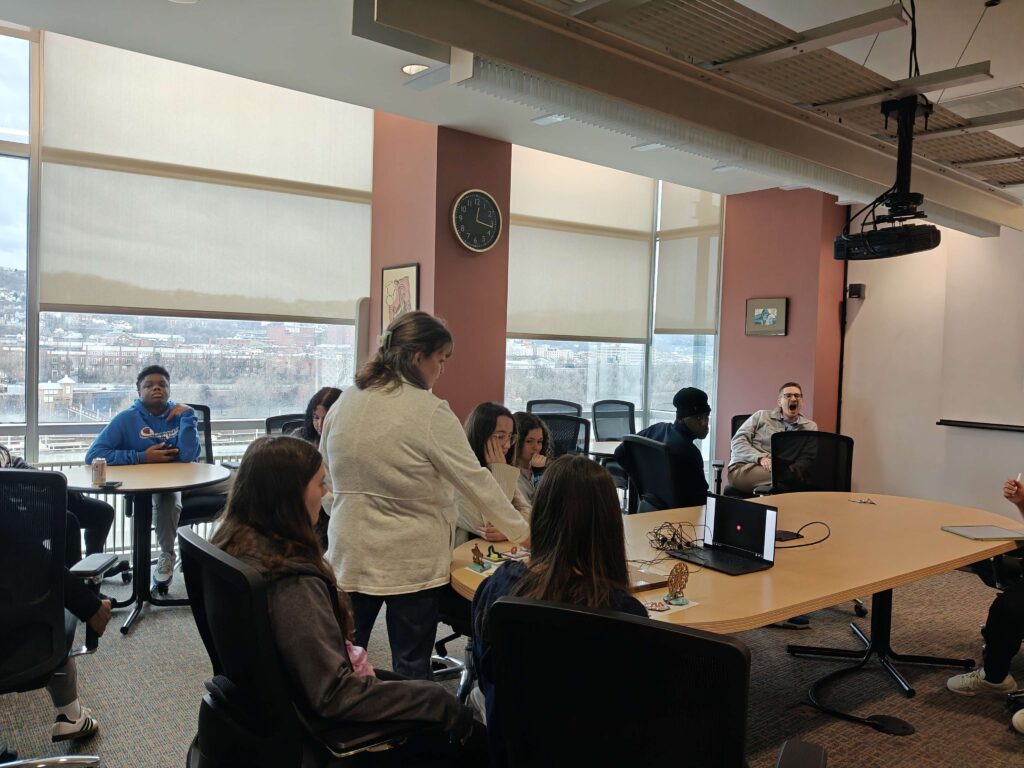
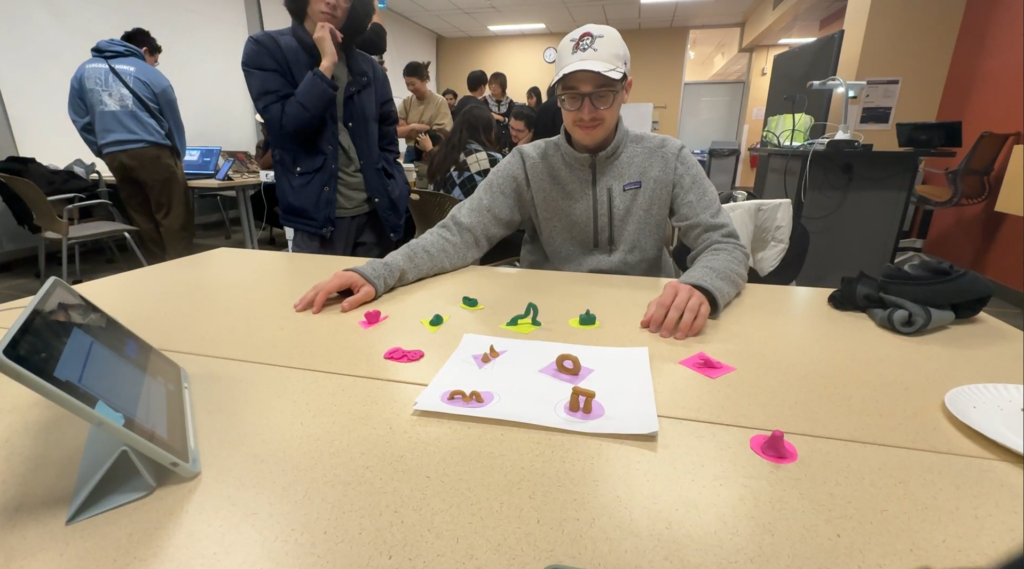
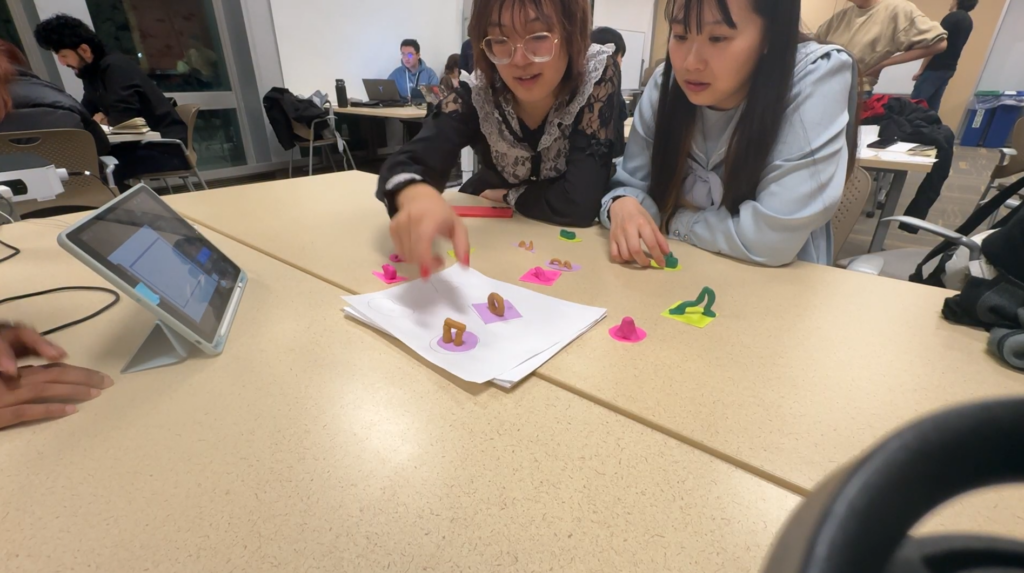
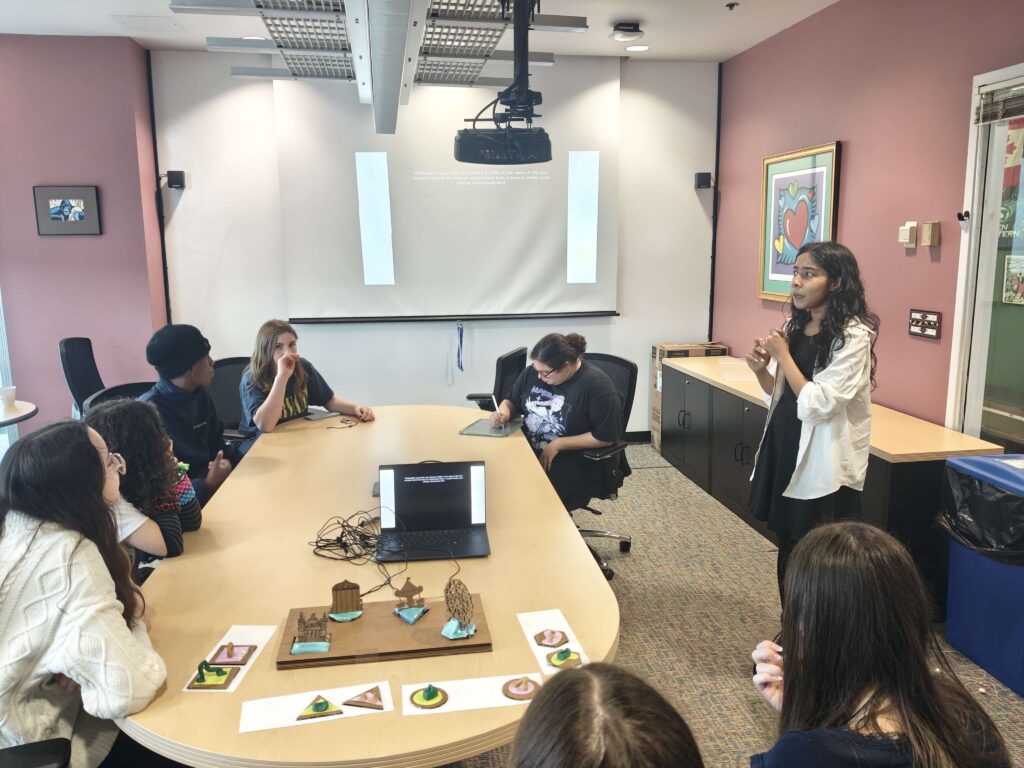
    As the two members remaining in Pittsburgh, Cayla and Devika ran multiple playtests with one portion of the project’s target audience: school groups. During this week’s playtests, the team was able to find points of confusion that children have when approaching the project that previous adult playtesters did not run into.

    The team got the feedback that the recognizable amusement park pieces are exciting, though not every payoff lands just as we want it to. In addition, students were hesitant to approach and touch the project and did not do any resetting of the play field.

    In future iterations, we hope to create a prototype that better invites touch and has more to discover.

    During our end of week client meeting, we presented our playtest findings and some of the feedback from our halves presentation. We also scheduled an in-person playtest with museum patrons on April 17th.

  • Week Seven: Mid-Way

    Week 7 was halves week and was spent preparing for the big presentation on Friday.

    The tech team began work on the integration of the RFID tags that came in the mail last week.

    Devika set to work on creating storyboards and polishing an animatic for our first story.

    Candice worked on a demo of some of the visual effects for the screen-based stories.

    All of the work the team has done so far culminated in the halves presentation we gave on Friday, and much of the week was focused on creating and practicing for this presentation.

  • Week Six: A Better Prototype

    Through this week, the team has been working on creating a more robust prototype that can be shown to the client and at the halves presentation.

    Art

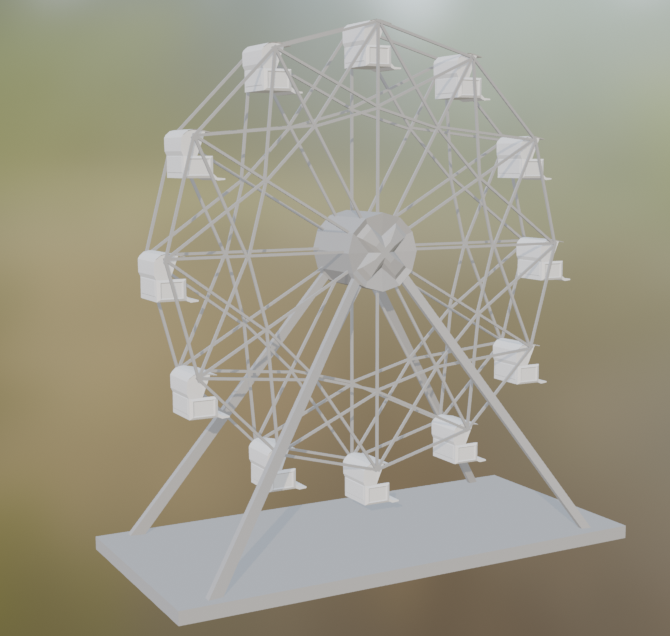
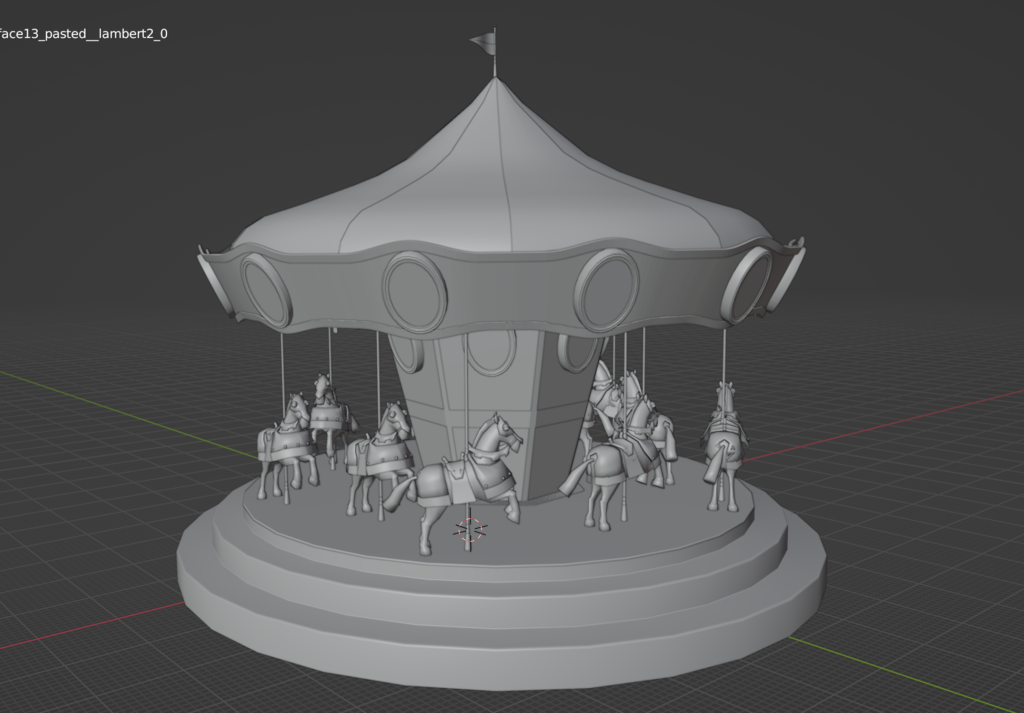
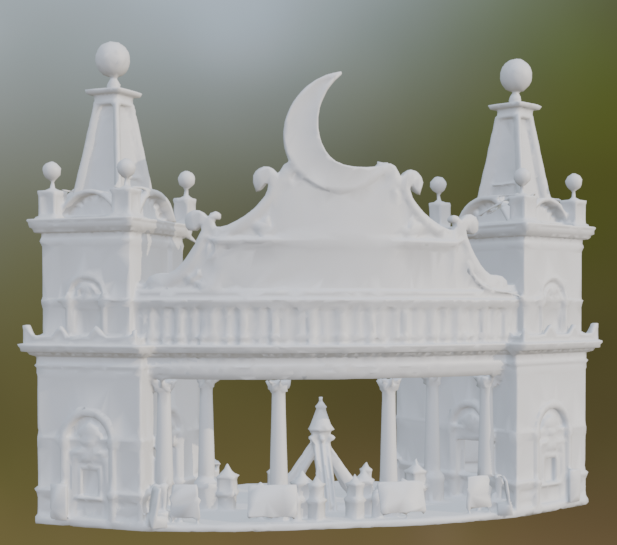
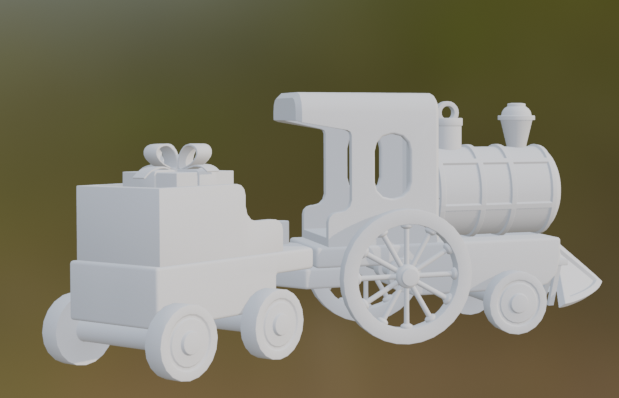
    The team’s artist worked on some models for the client demo and beyond, focusing on some recognizable pieces from amusement park history.

    Tech

    The tech team started to implement some of the inputs and art assets for the client demo this week. While the team is still awaiting our order of RFID tags and readers, the team implemented a rudimentary system using buttons and an Xbox adaptive controller.

    Experience Design

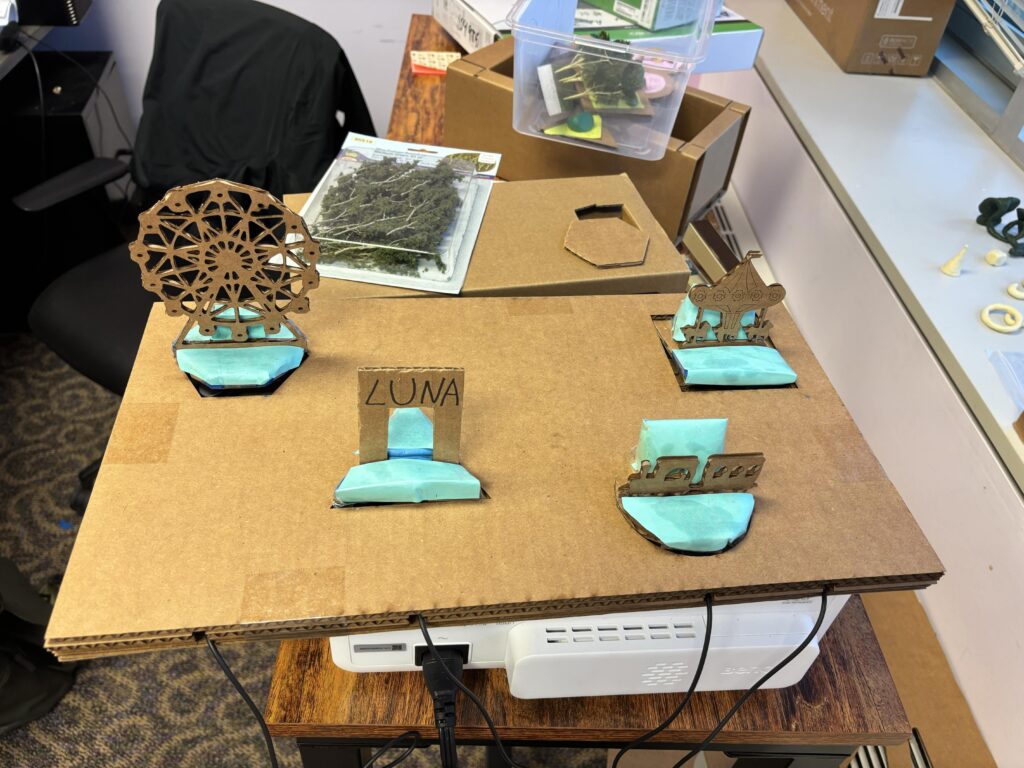
    The experience design and tech teams collaborated this week to fabricate some of the models needed. We first tried 3D printing, which is what the final product will be. However, we found that we did not have the time to get a proper 3D print, and the team chose to laser cut images for our prototype instead.

    Demo to the Client

    On Friday, the team traveled to the Heinz History Center to give a live demo of the prototype to our client.

    From the client meeting, we got a lot of positive feedback on the direction this project has taken. There were also many thought-provoking questions that the team hopes to address in the next week.

    After the meeting, the team is clear in the direction that we want to continue in. We will be exploring the form of the table itself. We are looking to add lights to further clue in guests about the different sets they could build. The team also wants to explore other hints for these sets, such as small hooks built into the fun facts that show up on the screen or symbols carved into the set pieces themselves.

  • Week Five: Pivot!

    Week five was a week of quick pivots, playtests, and preparation for halves.

    Based on feedback from instructors and the client, the team started in a new and more clear direction with tactile objects that were interesting to guests, relying less on abstract shapes to tell story.

    The team nailed down the narrative we want to demonstrate during halves as a proof of concept before we fully develop out all three planned narratives, and the tech team started to work on the behind-the-scenes programming to make the project come to life.

    Experience Design and Playtesting

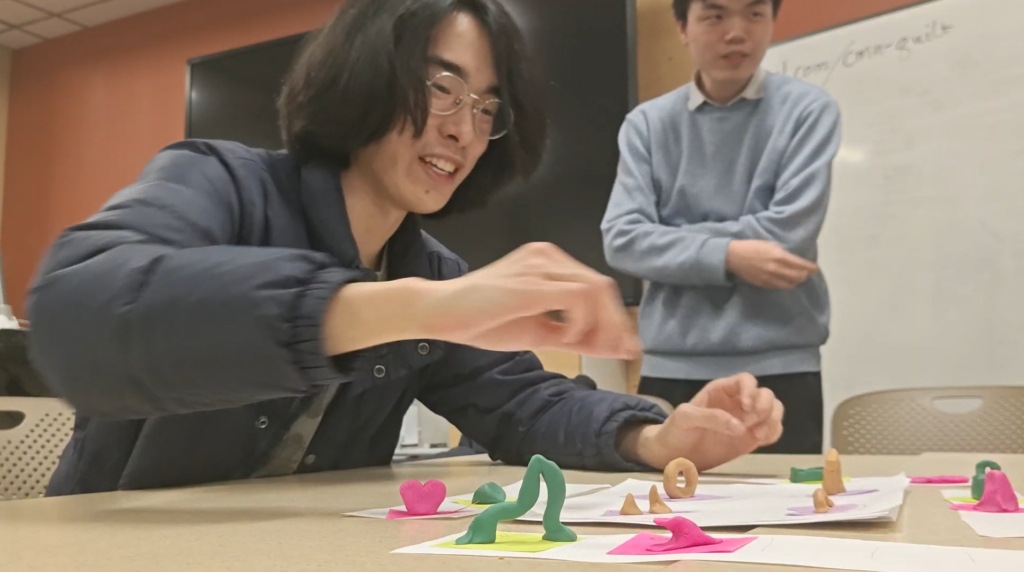
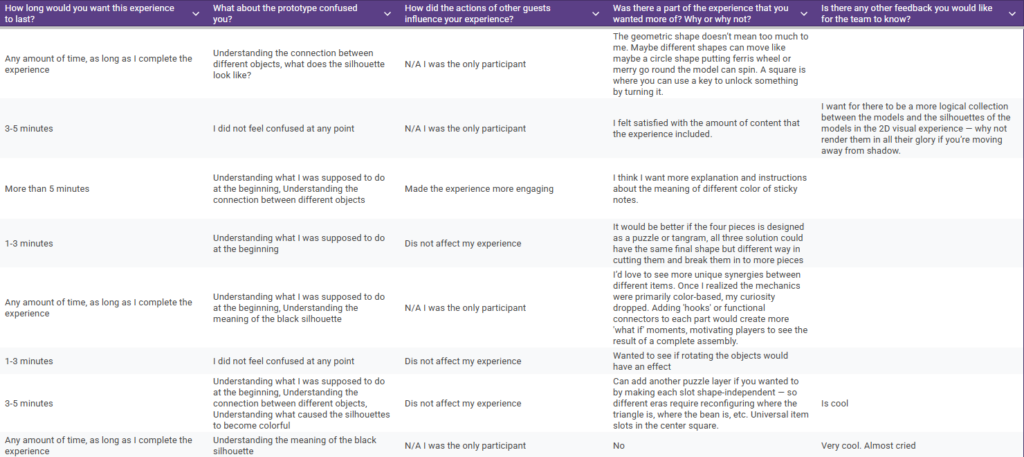
    The team held a playtest on Tuesday with a paper prototype of this new direction. From this playtest, we wanted to know if the actions a guest could take were intuitive, i.e. whether people could understand where pieces should be placed, if they felt stuck at any point in the experience, etc.

    From the survey, we learned mainly that there was confusion surrounding the link between the physical and the digital, as well as confusion surrounding what to do at the beginning of the experience. We tested multiple ways to have pieces out at the beginning and ways that the experience could “reset” at the end. The feedback we received will be very helpful in finding an experience that feels meaningful and intuitive for the guest.

    Art

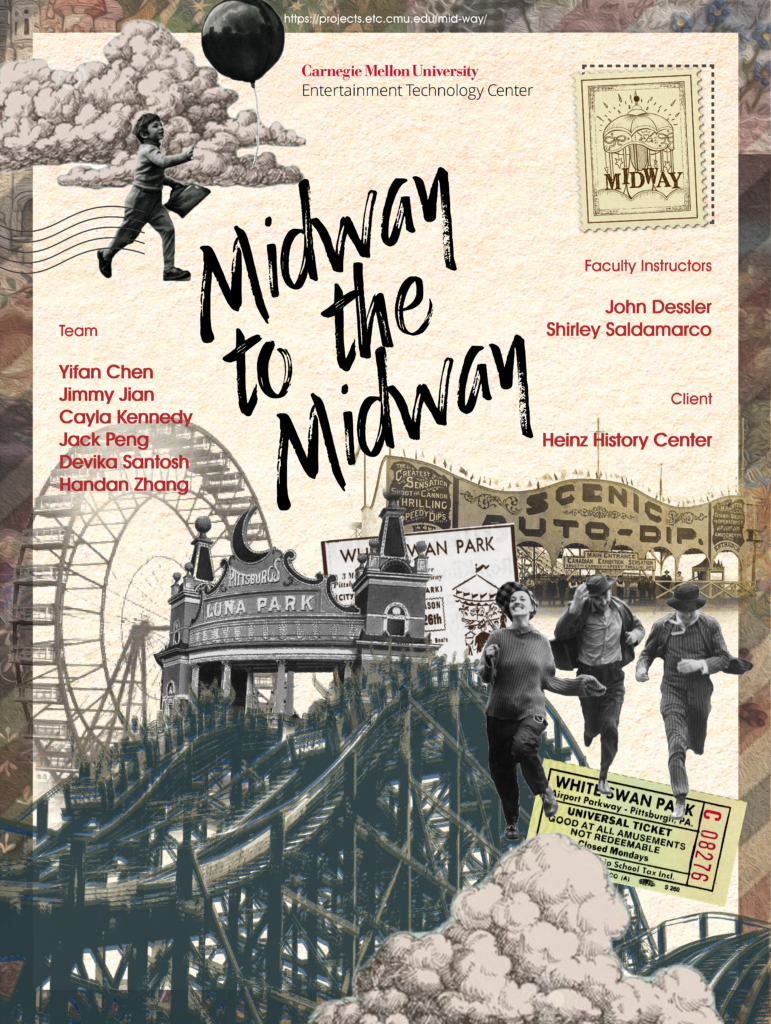
    The art team had a deadline to deliver team photo, poster, half-sheet, and logo this week.

  • Week Four: A New Demo

    Week four was focused on synthesizing feedback from both our client and the faculty. We had to pick and choose what feedback from faculty we wanted to incorporate into our project, as there was more than we could incorporate into a cohesive project. We chose to focus on finding the core of where this feedback was coming from, deciding whether it came from a need to improve the presentation of our ideas or from the need to improve the idea itself.

    We decided that we needed to focus on the narrative of the experience, as an interesting way to learn about historical facts is through story. Devika got to work interviewing various people about their experiences and memories at some of these parks, as well as dug into some stories supplied by our client.

    We got our hands on some of the technology we wanted to use and our tech and art teams started to get a better understanding of what exactly would be needed to complete this project.

    By Thursday, we had a demo to show to the client of how we wanted shadows and projected silhouettes to interact.

    On Friday, we received a lot of feedback in our client meeting and made the choice to pivot our design. We constructed a quick paper prototype to test with users around the ETC starting next week.

  • Week Three: Quarters

    Week Three: Quarters

    This week was a whirlwind of narrowing down ideas and preparing for our quarters presentations. The team combined our ideas and explored the idea of using projections and shadows to tell the story of amusement parks in the area further.

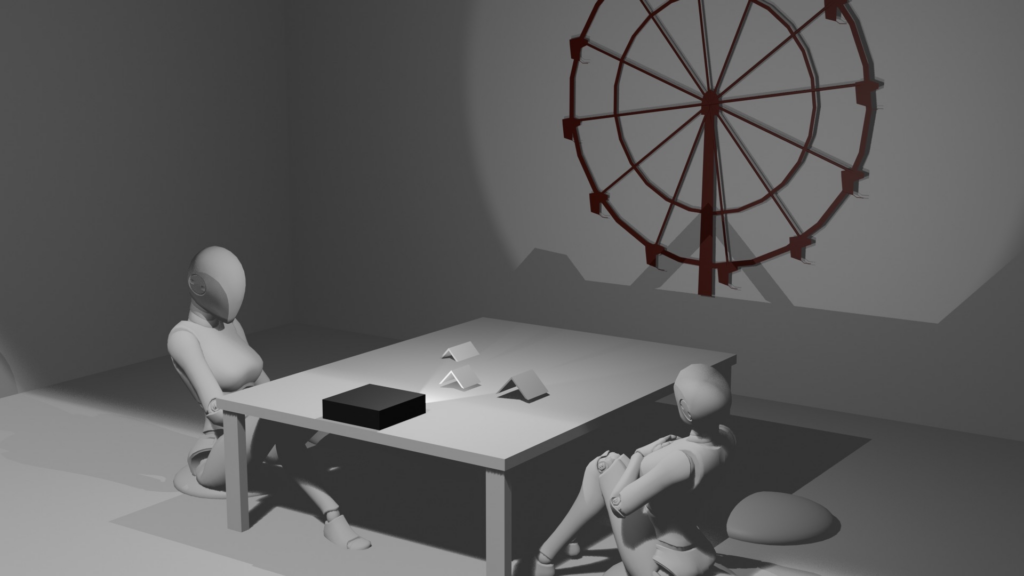
    At the end of the week, we presented two main ideas to the client and to faculty at the ETC. The team came up with two main ideas that we wanted to move forward with, both having to do with an idea for a folding “shadow box” that makes different abstract shapes correlating to particular pieces of the amusement park. For example, the box could be folded into a triangle, and it would make the base of a Ferris wheel.

    Shadow Box Tunnel

    The first idea we pitched was a tunnel with a series of 3 of these “shadow box” setups, each representing a time period in the history of Western Pennsylvania Amusement Parks. Audiences would discover through play what each shape could represent.

    With this idea, we had concerns surrounding footprint size, as it would be larger than what the client wanted.

    Shadow Box Picnic

    The second idea pitched was a picnic table with one of these “shadow box” setups, where audiences would solve a historical puzzle to learn about different stories through the eras.

    With this idea, we were concerned about throughput and resetting. As it is a puzzle, people can only really play it once. In addition, once it is solved, it does not automatically reset itself.

    Art

    Our team’s artist iterated on logo and poster concepts, and we started in the direction of making our art seem like a postcard from a bygone era, representing the history our project is representing.

  • Week Two: Initial Ideation

    Week Two: Initial Ideation

    At the beginning of the week, the team sent ten ideas each to our faculty advisors. Later, at our meeting, we pitched six ideas that were the result of our brainstorm last week.

    Taking advice from our professors, we started to synthesize the design pillars of what would become our prototype. From the client, we knew that it was important that multiple people would be able to experience this at once, with some people directly interacting and other people watching. We also knew that our target audience was mainly intergenerational families. From here, we decided that it was important to have technology that was tactile and easy to interact with for all ages, and it was important to give a sense that we are all part of a larger history when we go to theme parks.

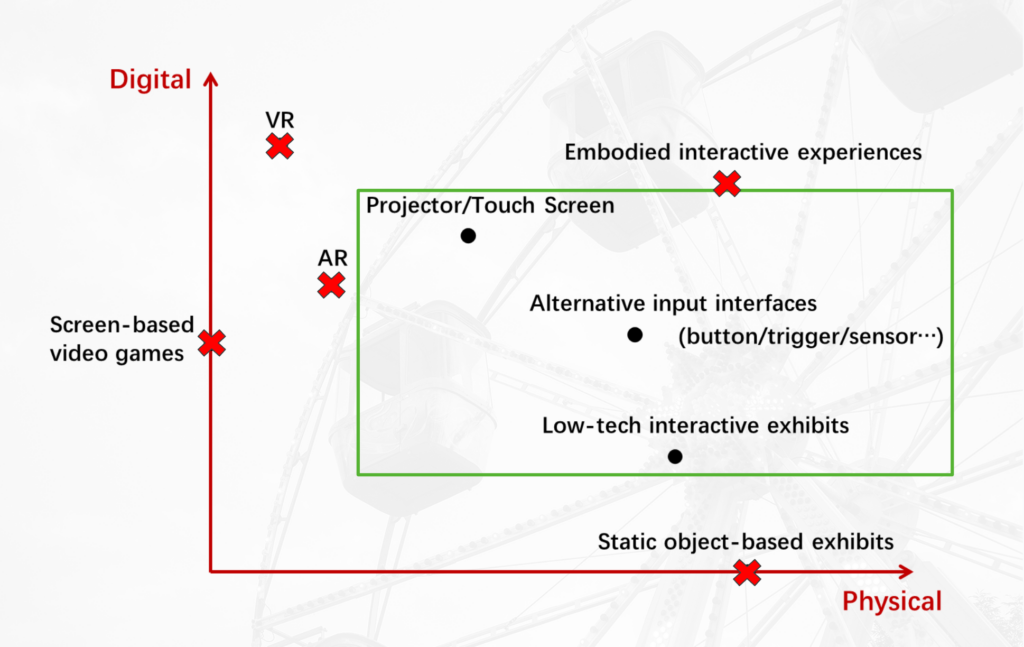
    When considering what exactly our project may be, we had to consider the technology we would use. Using our design pillars, we made a chart discussing what may be best for an interactive exhibit like the one we were designing.

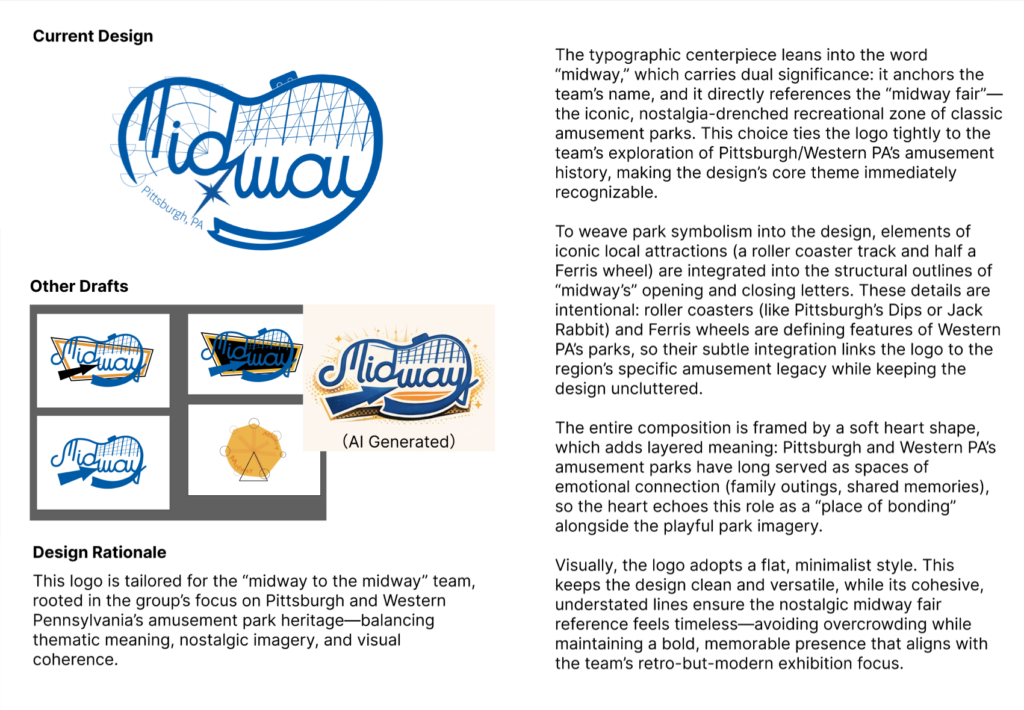
    On the art side, Candice started to ideate on a project identity via logo design.

    Using feedback and discussions we had throughout the week, we pitched our six ideas to the client to get a better sense of their preferences. Next week, we intend to use this meeting to narrow our ideas down to two.

  • Week One: Meet and Greet

    Week One: Meet and Greet

    The first week of a new semester and a new beginning for the team.

    This week, the team met for the first time to begin discussing ideas for this project. We had our first instructor meeting and introduced ourselves to the client, the Heinz History Center.

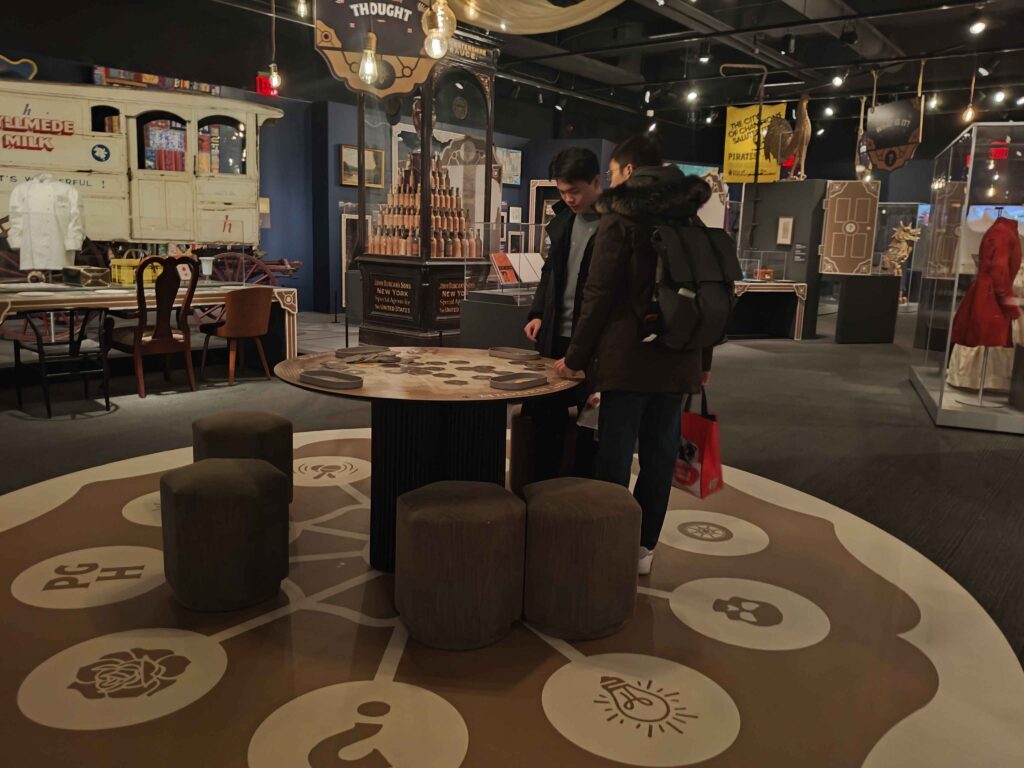
    We also took a field trip to see the client’s building and the space we would be designing a prototype for. During this trip, we got to see some of the client’s current exhibitions and get a good sense of how they represent themselves. After the trip, we held a second meeting with the client to establish some basic parameters of the project.

    Pictured above: Jack and Jimmy exploring one of the interactive pieces currently in the museum space

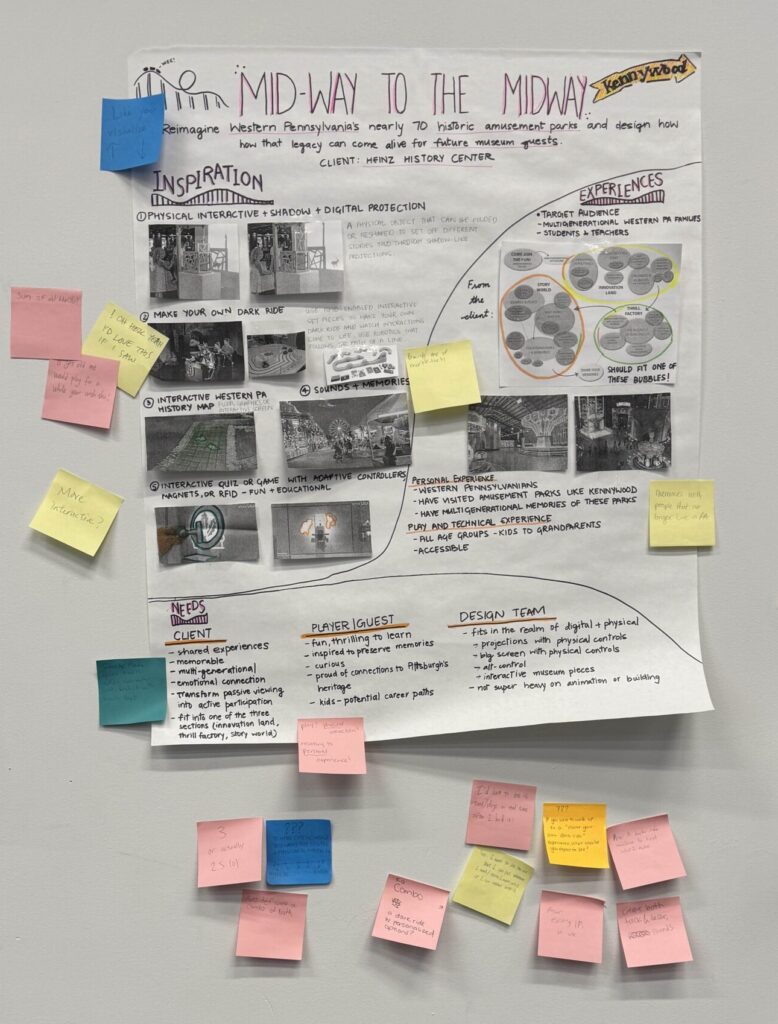
    On Friday, we organized our ideas into a composition board and brought it to Mike Christel’s playtest to explore workshop, where we received plenty of feedback to help guide us to a better understanding of what our project should look like.

    From this first week, we were able to see some of the history we would be representing with this project, and we hit the ground running with some brainstorming.