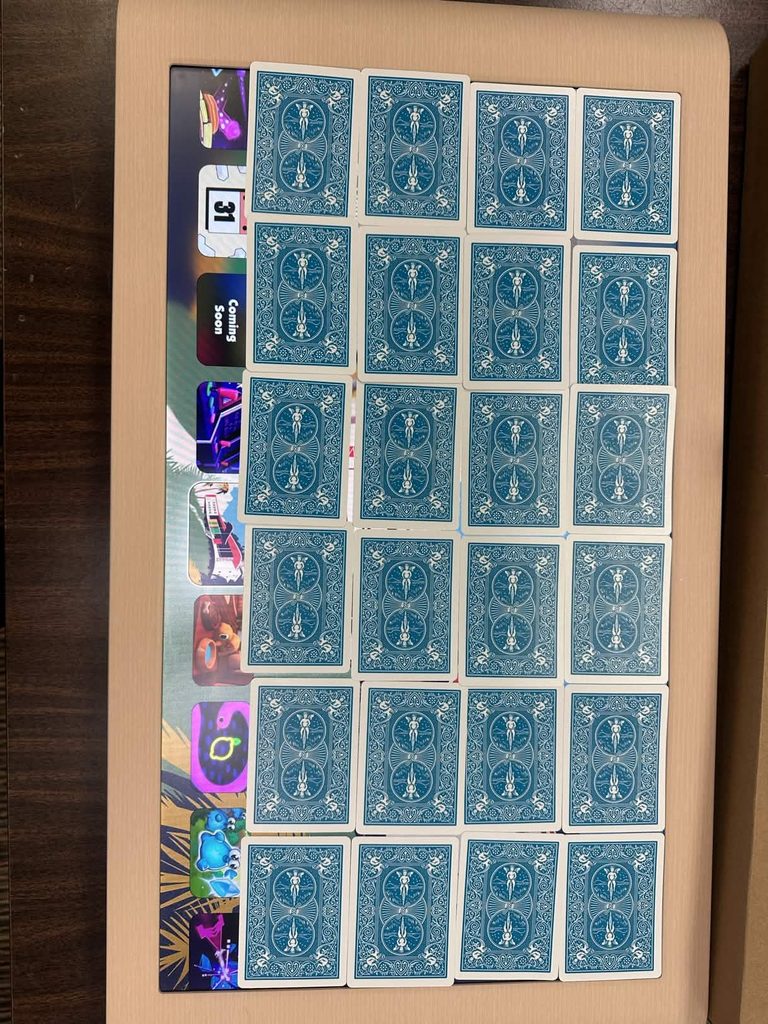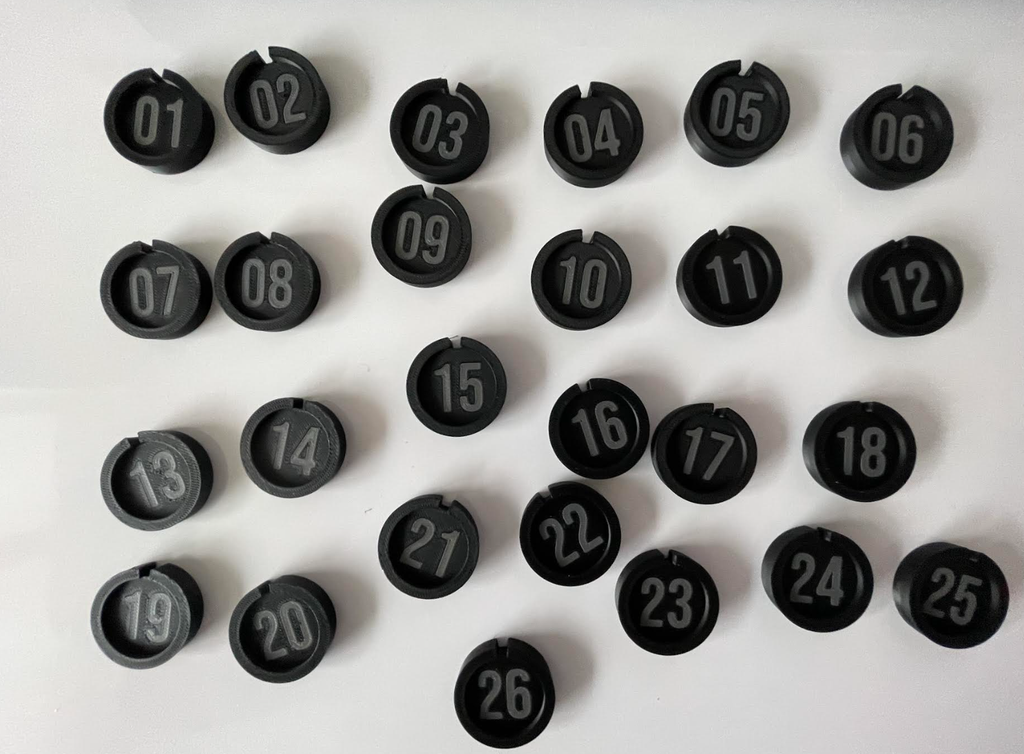

Welcome to the Beyond TCG blog! Since this was a pitch project, we knew what we were making all the way back at the start of the summer, so early pre-production started then. Oscar started by designing a card system that could be played on the 1920×1080 screen. The initial design was focused on short games, simple rules, and no resource system. At the same time, Max, a programmer, began experimenting with the Board itself. Since the Board uses pre-designed glyphs to register cards, all of our cards need to use those glyphs. We gained access to the manufacturer’s unreleased Universal Glyphs for development. This allowed for 20 cards, one for each Glyph, so Max designed a system where each card equated to 2 glyphs, placed on top of each other horizontally. This drastically increased the number of potential cards. At the same time, artists began concept art, and playtesting using this initial game system began.
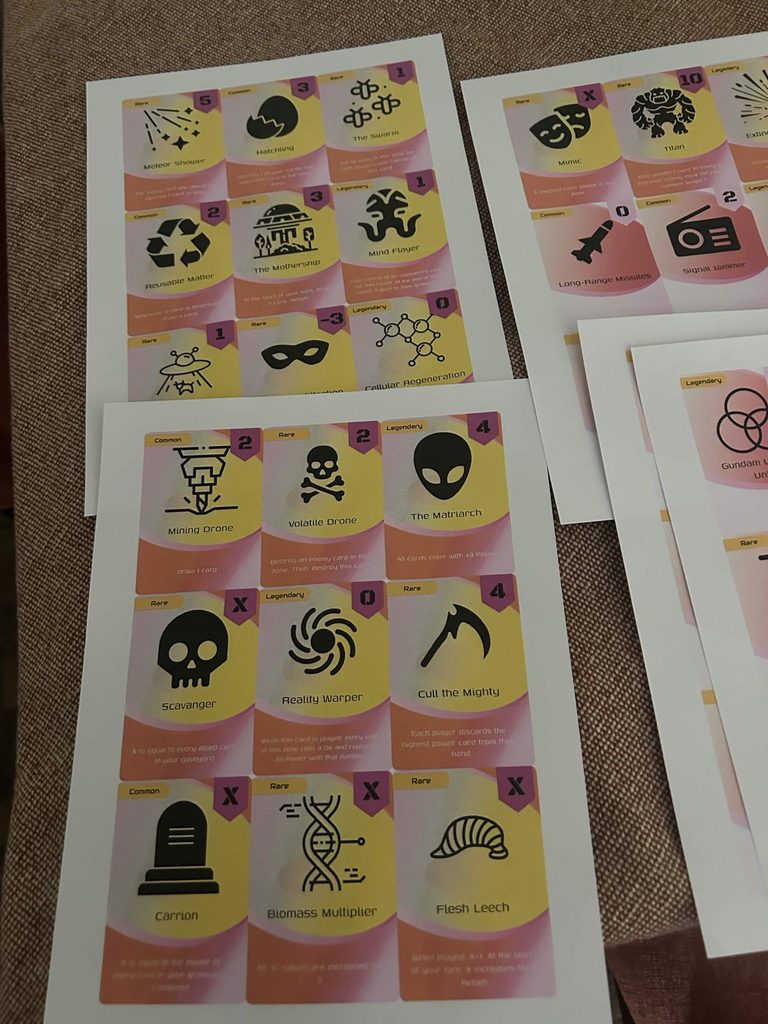
Unfortunately, playtesting ran into some serious issues. The lack of a resource to cast cards resulted in card play order feeling a bit random and unimportant.
This version of the game was put aside, as Austin, the other game designer, began working on a more combat focused version of the game.
Max, who has a degree in electrical engineering, began looking into how we can get the thick, 3D printed glyphs to be printed onto flat cards without protruding. To register, these glyphs need to be conductive. So, we made a plan to test copper wire, conductive tape, conductive paint, and a few other options once the semester officially started.
By the time we hit week 1, we had the basis of a gameplay system, our design pillars, the glyph-to-card system, and some promising concept art, putting us in a great position to get started quickly on week 1.