
(8/3-8/29)
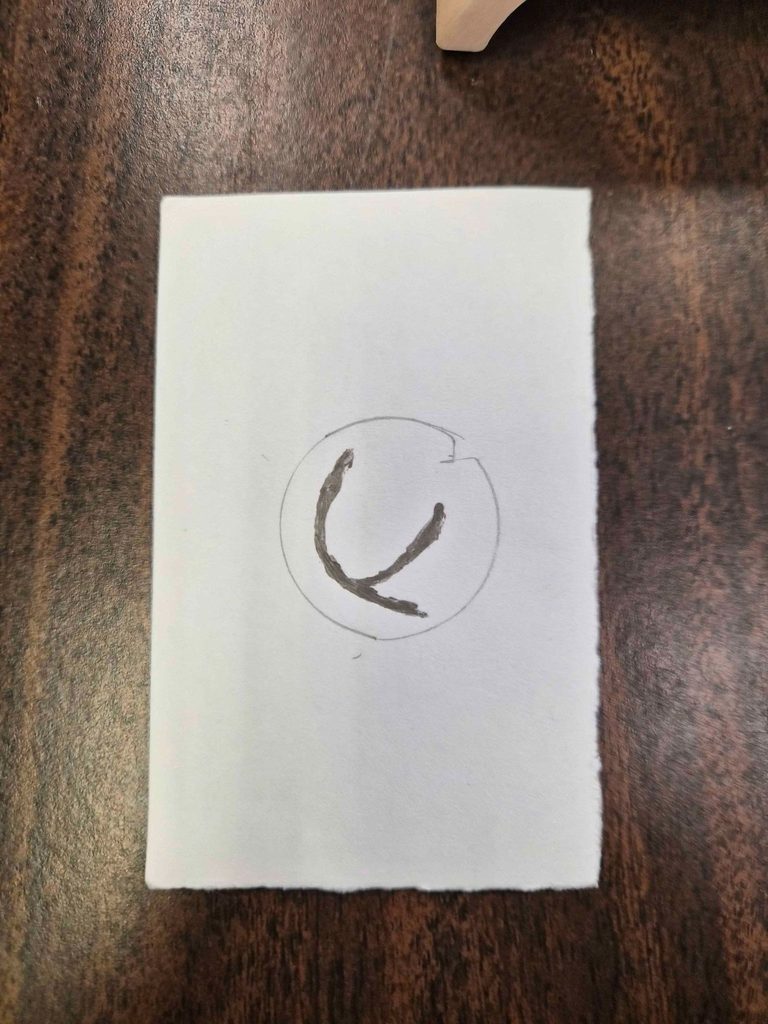
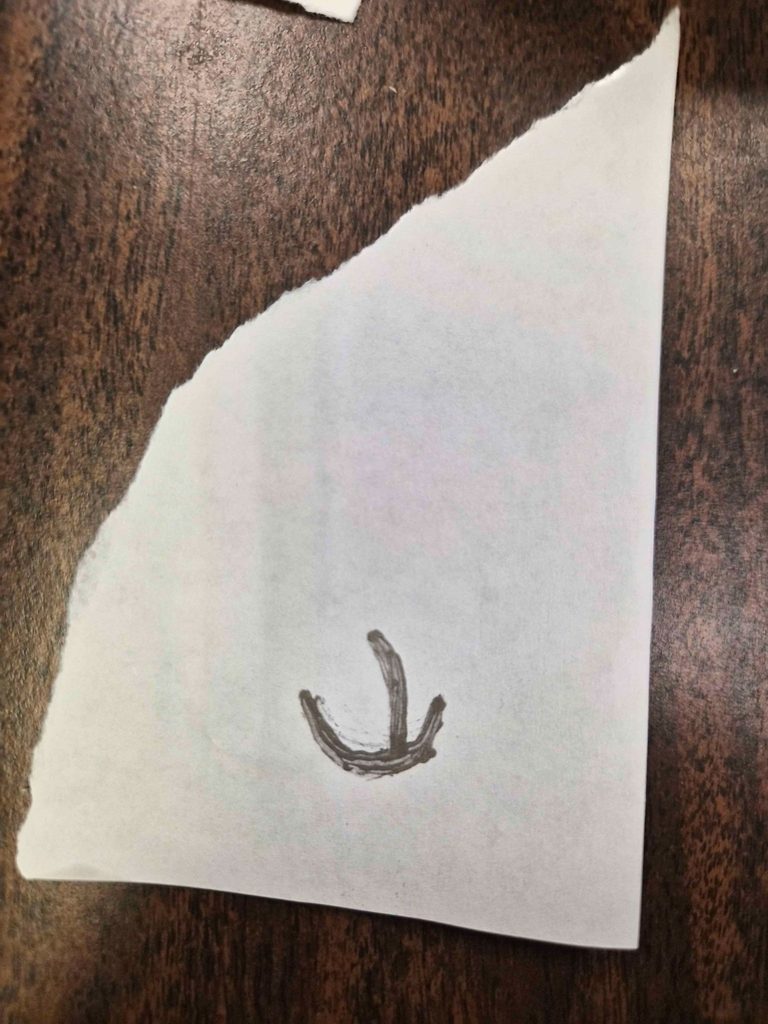
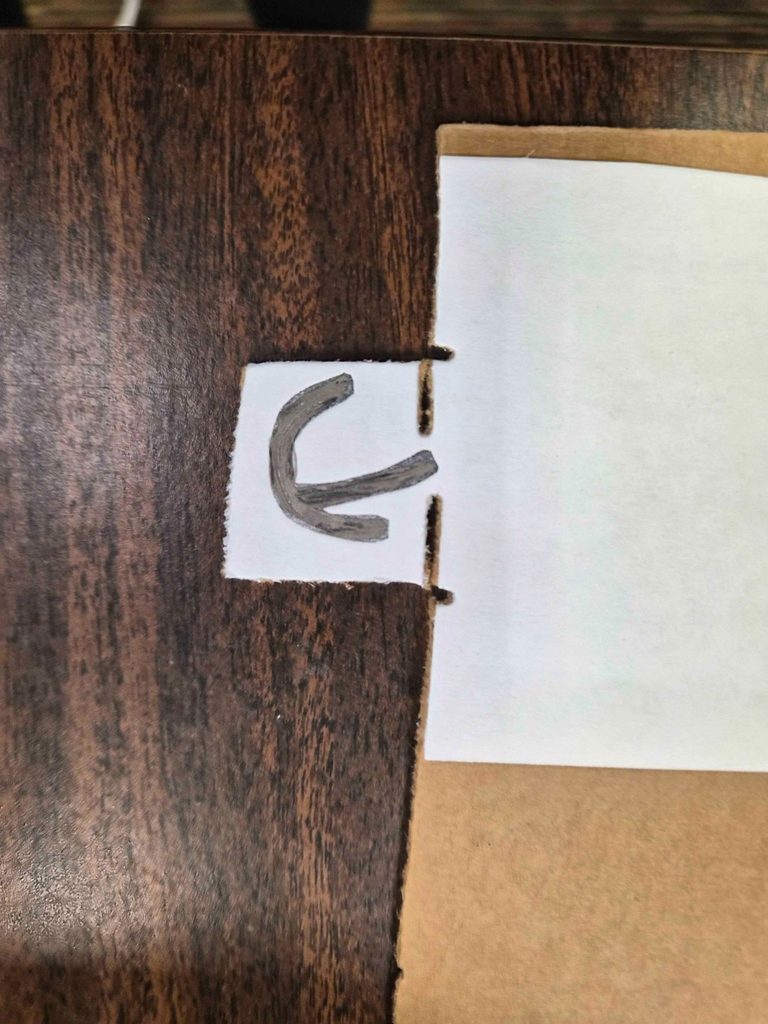
With all of the prep from over the summer already under our belt, we took off running on day 1. Max and Ayman (our Programmer/Tech Artist flex member) started experimenting with the different methods of creating flatter glyphs. Without the official SVG files from the team at Board, Ayman tried to hand-draw and trace some of the glyphs to see if they would register using conductive ink, while Max tried to make a wire version. We didn’t expect these to work, but we wanted to see if the Board could read these whatsoever, and to our surprise, the traced glyphs had some success getting picked up by the board. So the next step was to find a way to produce perfect copies of those glyphs. We reached out to an ETC grad and the Board’s lead programmer, Michael Cole.
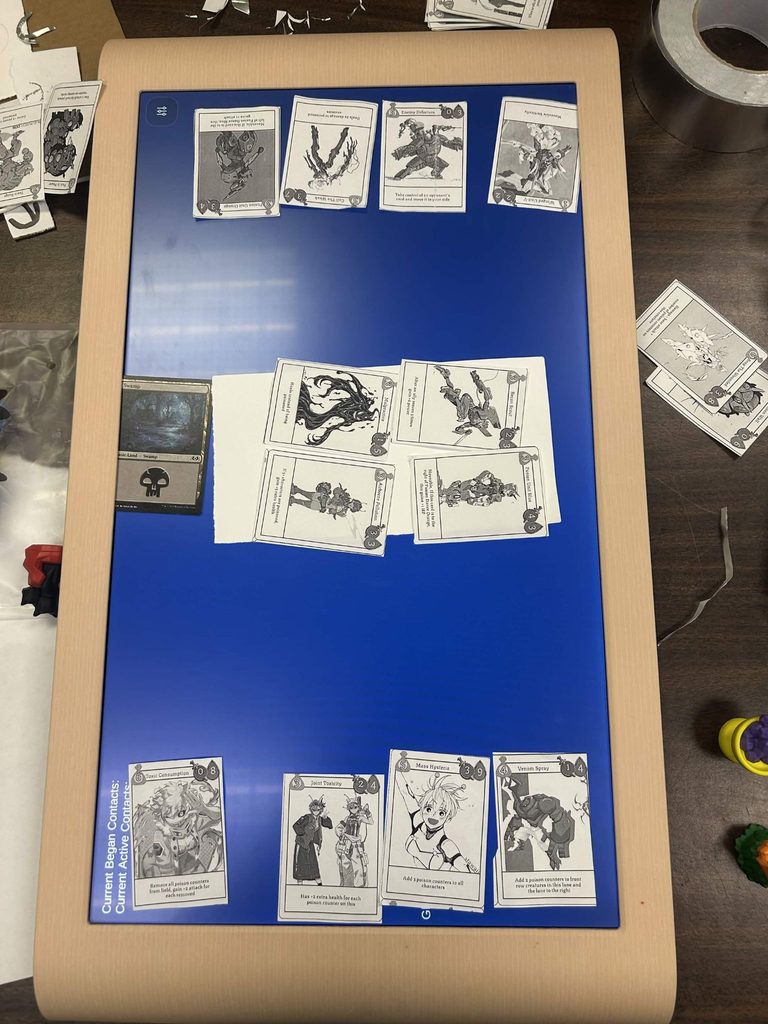
As that battle was fought, Oscar and Austin began playtesting each of their systems from the summer and trying to find out which one would fit the Board better. After a day of tweaks, they came up with a compromise: a system that incorporated Austin’s desire for depth in combat with Oscar’s desire for short, simple games.
Both players get 4 slots to play cards in their base, and 2 slots on the battlefield. The cards on the battlefield fight at the end of each turn, and the winner gets
a victory point and destroys the weaker cards. Cards in the Base can manipulate the battlefield in interesting ways as well. This system worked pretty well in a lot of ways, but still had some issues. For example, the screen space was pretty limited for animations, just a small slice for each player.
When the project’s advisor, Jonathan Walton, came to see their progress on Thursday, he had concerns about this design using the affordances of the Board effectively. Based on this feedback, Austin redesigned the combat space to more effectively use our screenspace, allowing for the battle to be seen in the center of the screen. There were still some kinks to work out with this system, but the team agreed we were moving in the right direction.
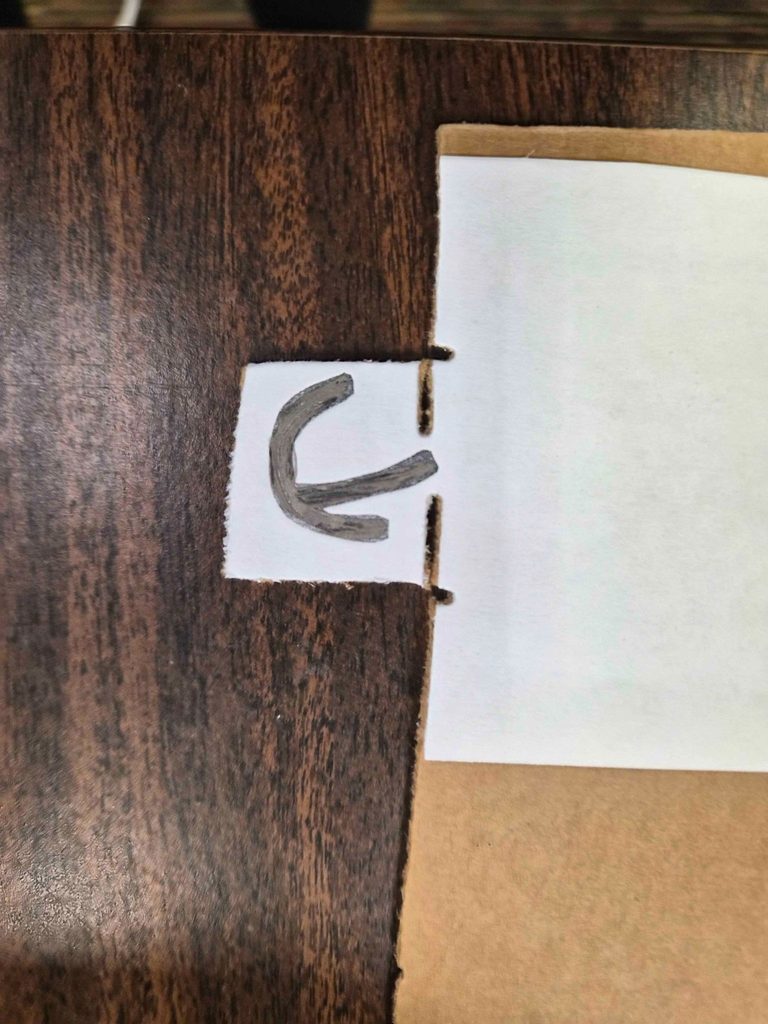
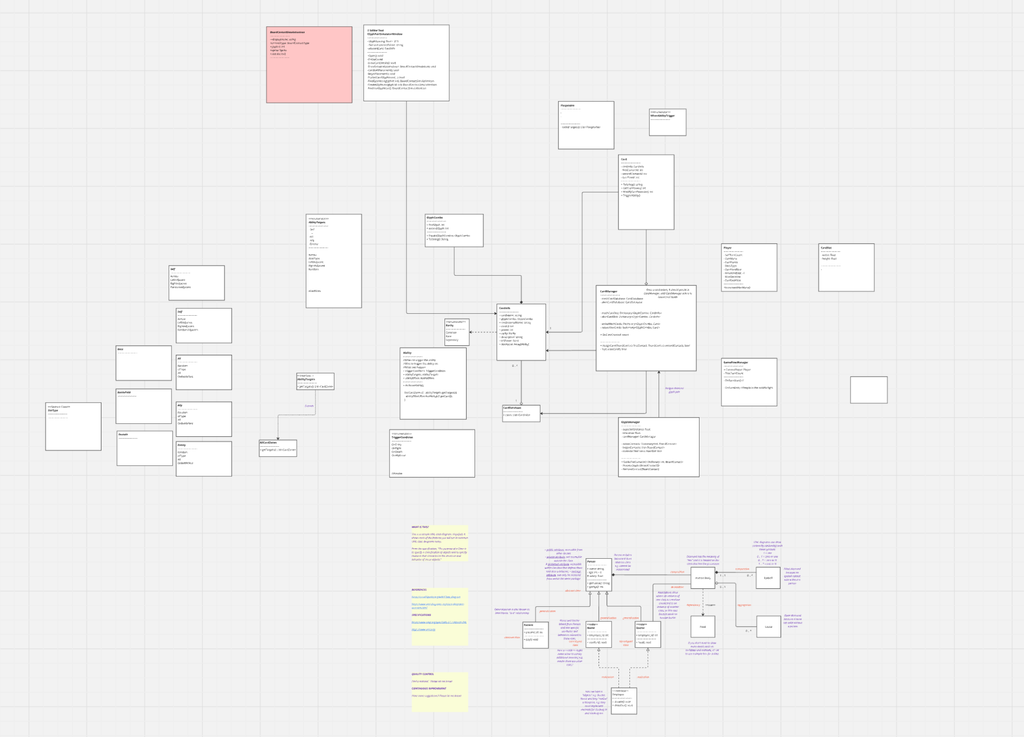
On the programming front, Austin, Ayman, and Max were hard at work creating code architecture that would allow for a variety of card types, game states, and other designer-friendly systems. The team agreed that there was potential for this project to go beyond just one semester, so it’s important that the foundations were strong. They plan on reviewing this structure with other trusted programmers to confirm that it’ll work for our purposes.
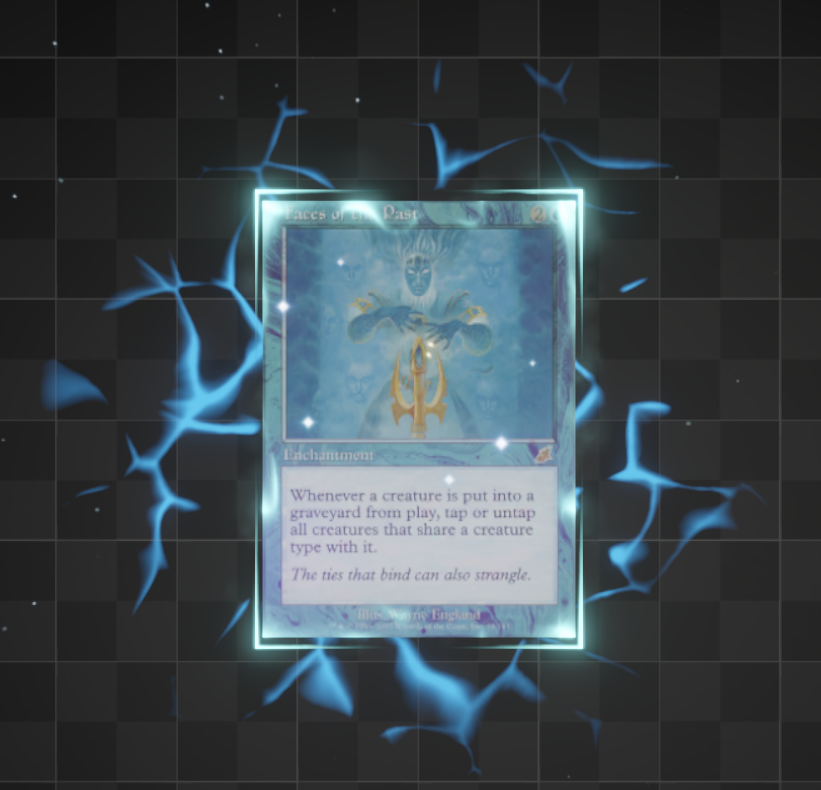
Alvin, our VFX expert, started working on animations for when cards are placed on the board, mostly as a tech test. The results were impressive, and inspired some of the cards that would end up in the second paper prototype. Frank, our other primary artist, worked on a model for testing on the Board, as well as card art.
After receiving the SVG files from Michael Cole, we’re ready to start testing new printing methods as well.
Overall, progress has been quick. We are confident that the direction that we are going in has potential, although there will definitely need to be changes and course corrections in the future