
The role of system design
This team is filled with designers. Narrative designer, puzzle designer, tech designer, visual designer, UX designer, (there has been level design needs called, and there IS a level designer, but no one has dared venture there since we have a lot of stuff already). Even before the semester started, there was a call for a unified system for utilizing this medium, but at the very core, no one was ready for what we were to explore. Imposing a structural understanding of our medium at the start would limit ourselves much more, and could never have gotten to even where we are now (e.g., rotation of phones would not have been allowed if we stuck to a heist game).
But now! Now with all the content we have explored, content designers have done their very best, but the “yea” moment indicated there needs to be a system, a ruleset, that the players would be able to learn and master, so that at the end of the game, the players require minimum facilitation from us the creators.
What system design is for us, is solidifying our terms, idioms, and language into a systematic language that can be documented and shared with other designers.
Previous system design efforts had been tangled with content design, determining what is shown before and after certain moments, deciphering its meanings across the overall experience. Yet, that made understanding the system extremely complicated. Instead, system actually simply describes how our tech-motivated mechanics work together, and how that might inspire new moments or new interactions for content to live on. See below for the messy attempt for synthesizing everything without distilling the most basic.
Instead, system design would start from the interactions already available, mapping out what’s there, indicating what can be there, and that would be a good start. This will evolve until the end of the semester as our design guideline that we’ll be able to share with other designers. Content designers will also have their own systems and guidelines, and they’ll be a different document! The goal of these will be to clarify what’s there, what can be there, and what needs to be iterated and transformed.
We’ve identified this need, and will see how it will evolve, so we can build the system with our experience!
The demo
We are making a demo for our halves presentation, following the storyboard above. We were working like bees to get all art assets in, and integrating multiple prototypes into one coherent experience.
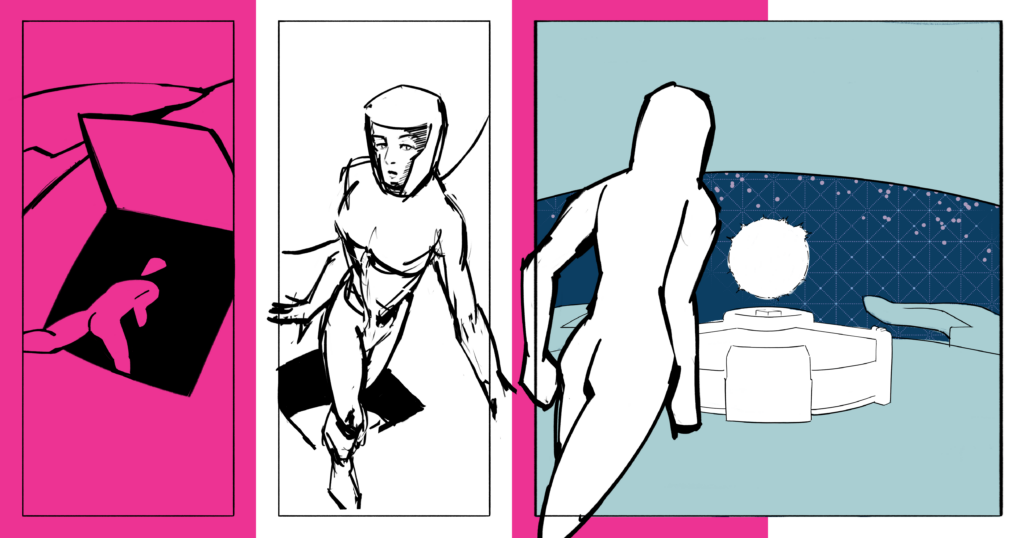
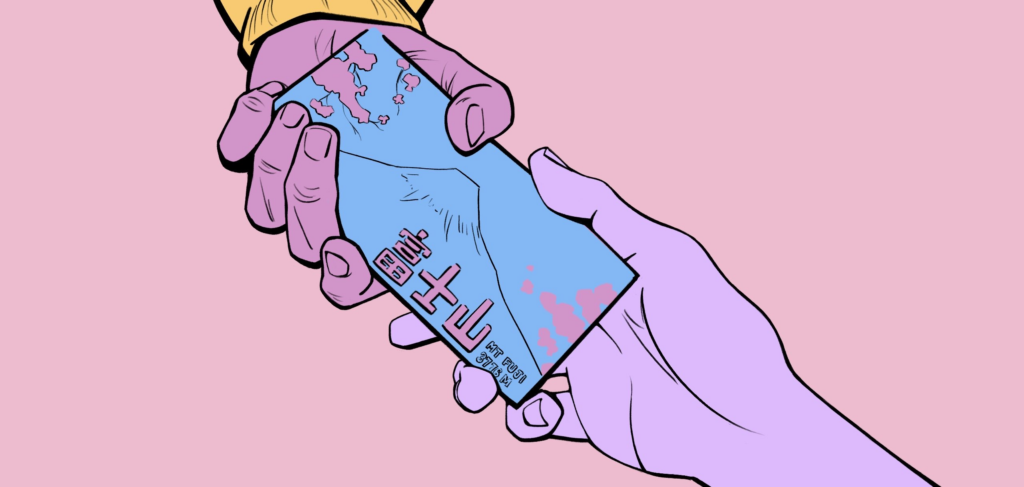
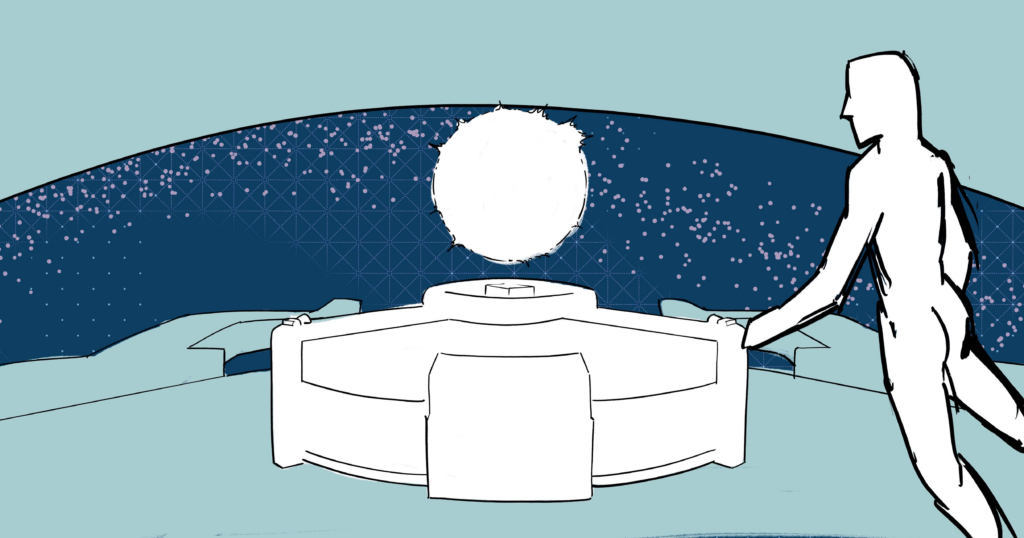
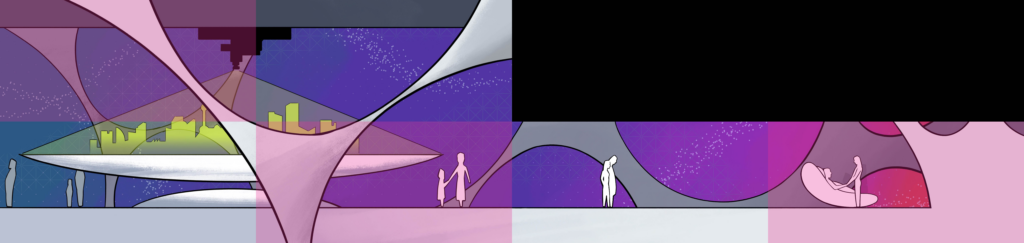
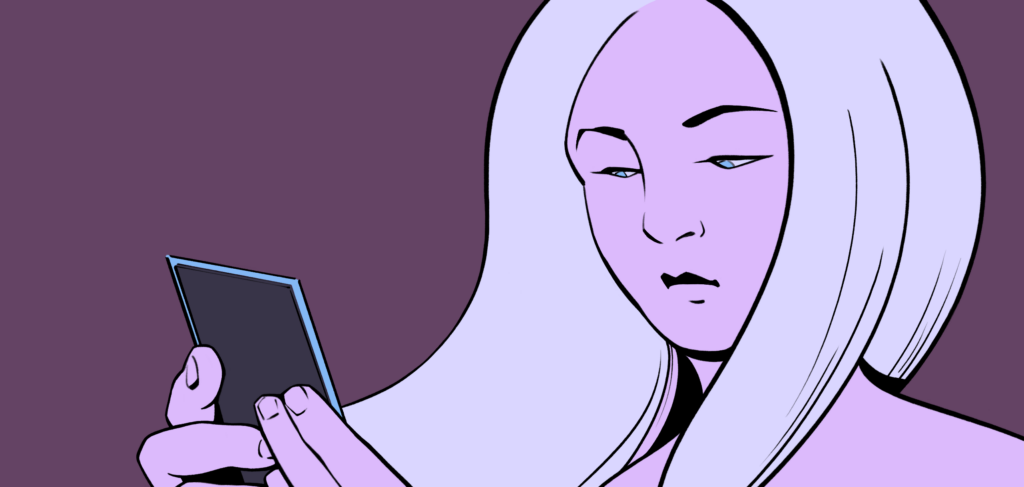
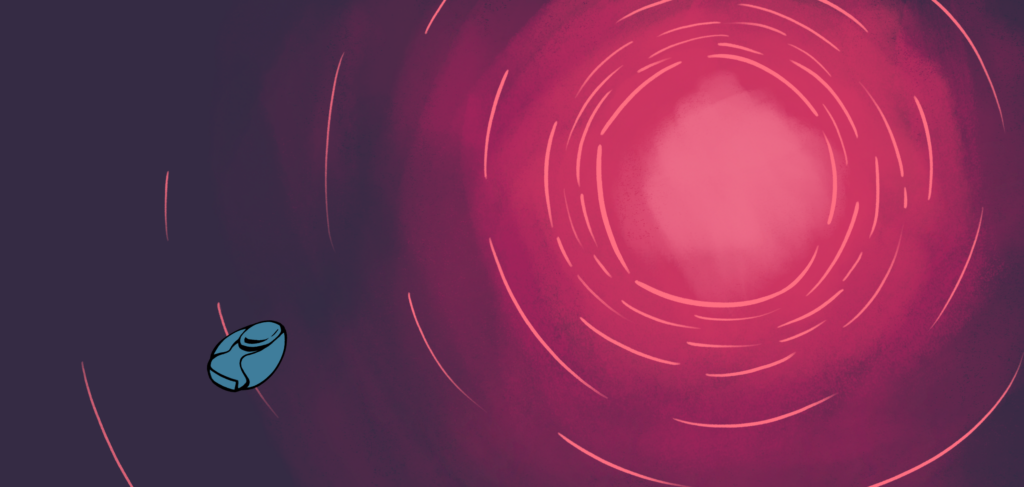
An interesting technique we incorporated was parallax zoom, where screens get zoomed in and out to activate or deactivate screens. This discovery added screen activation and deactivation without physical phone repositioning and pinching a new vocabulary for our system!
Next steps
Halves is next week!