At the start of this week, our designers started brainstorming about ways to make the existing level designs. We came up with an idea about hidden information: one player can see the starting cards but not the objective; the other player can see the objective but not the starting cards. While we think this idea can definitely incur players’ discussion and communication, we are unsure if it highlights our design goals of teaching programming or if it will cause confusion.
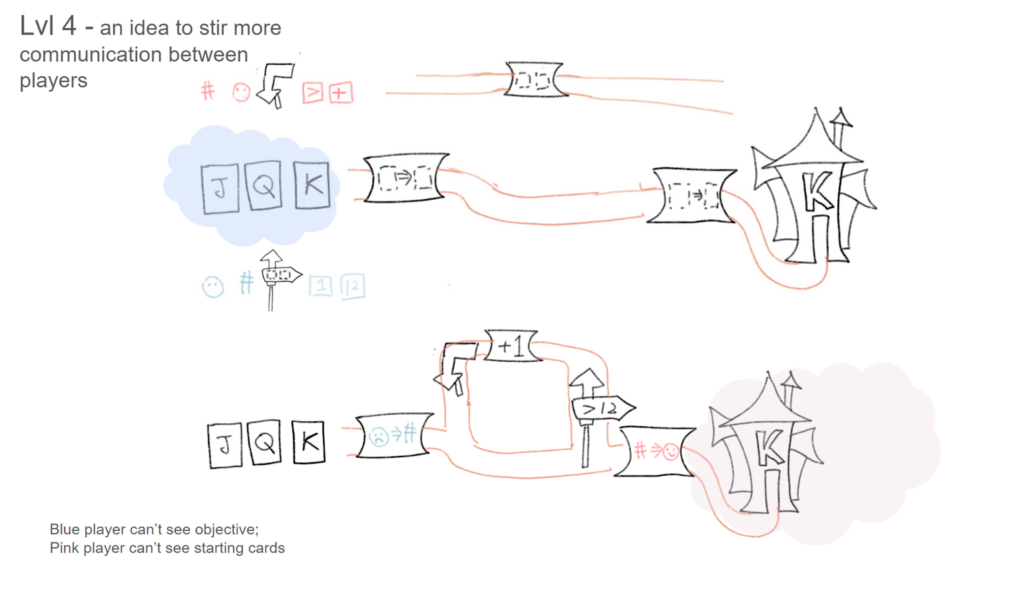
Currently, because we don’t have any playable prototypes, we don’t have any clear idea on how the players would communicate, what would be clear, and what might be confusing. We hope to get it playtested, at least by other ETC students, as soon as we have a playable build (hopefully at the end of this week).
Luckily, our client Melanie will be in Pittsburgh and can attend our weekly meeting in person. During the meeting with Dave, we discussed how to use this opportunity for clearer and better communication, especially showing our progress on the Tilt 5, or even just its general features. We decided to prepare:
- Pick and existing game to show
- Show prototype in the progress
- Art test on Tilt5
- Paper prototype
Another thing we discussed with Dave is to have ideas on how to learn from playtester’s feedback. If they are confused, how could we know if that’s because of puzzle design, assumption of programming knowledge, or interface? We should be prepared to analyze feedback to learn from it.
We also took our group photo on Tuesday, and finished editing it on Wednesday.
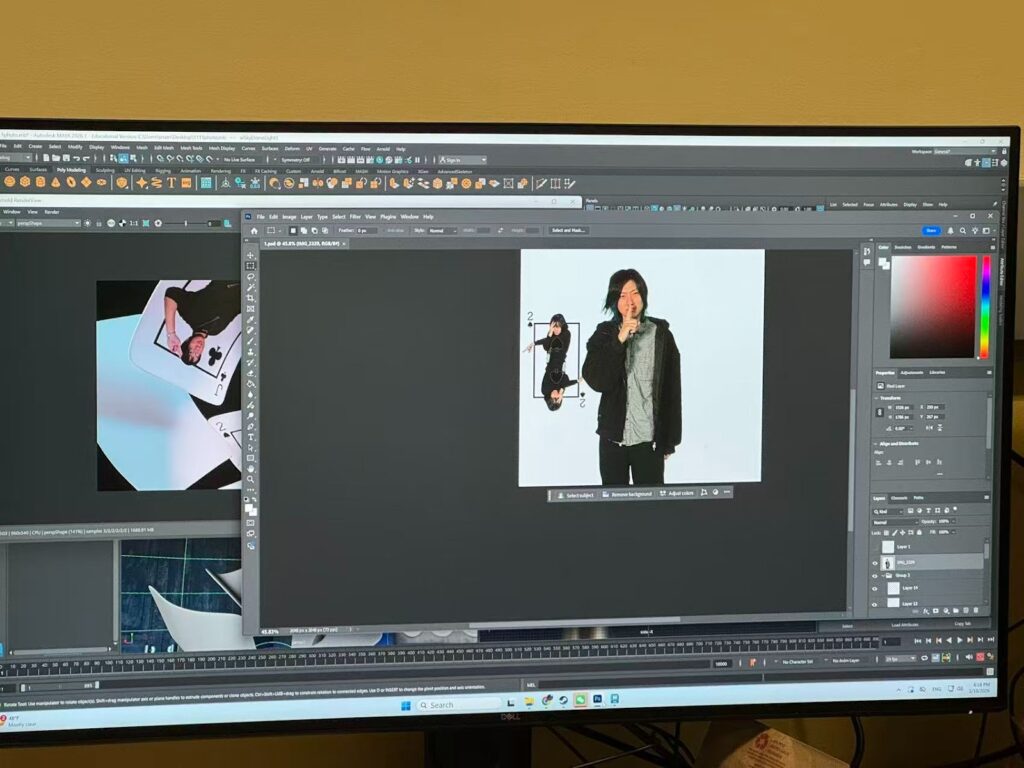
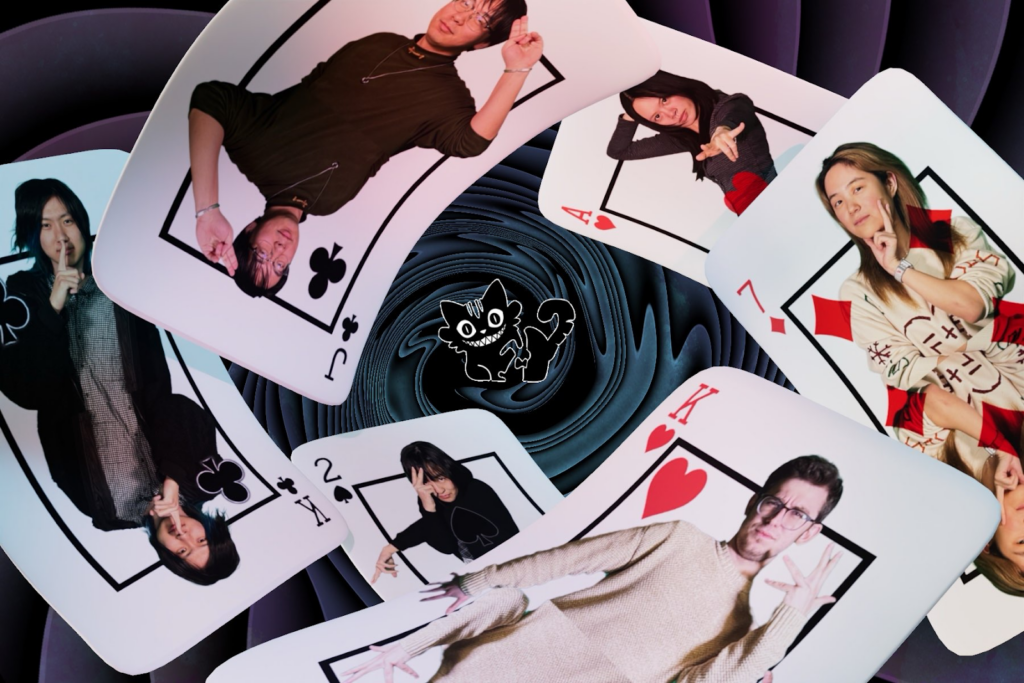
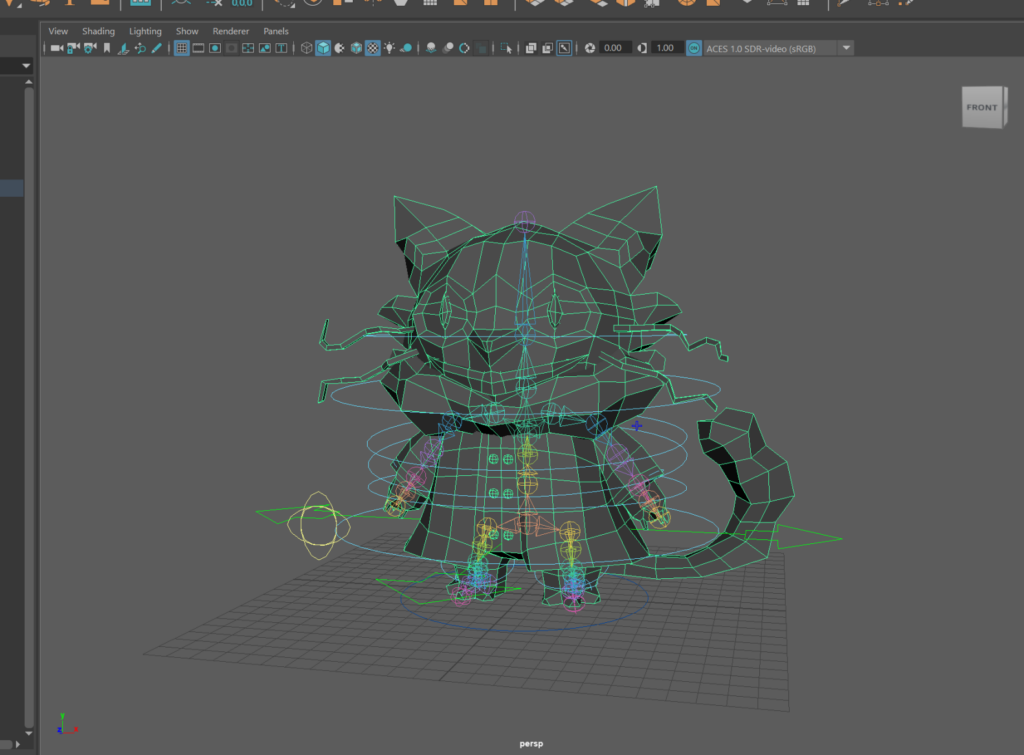
The artists kept working on assets for the prototype and art test, making great progress:
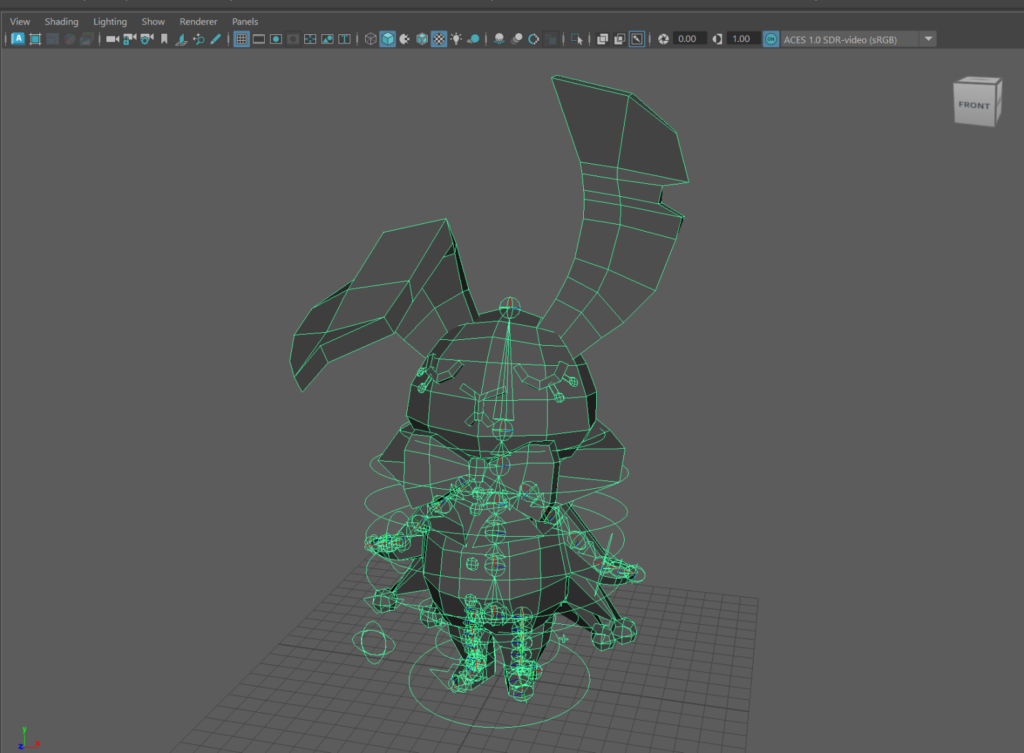
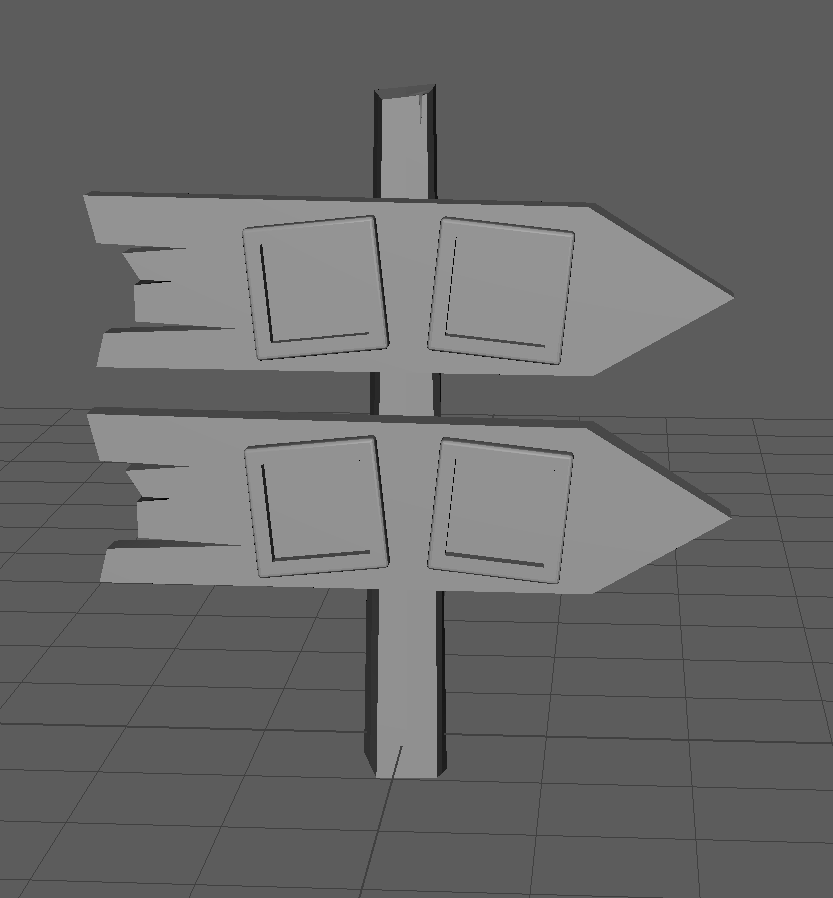
During our meeting with Melanie, Daniel, and Dave, their major feedback is that the sign posts and card characters are hard to see from the top-down perspective given by the Tilt 5. They suggested other options, including replacing the cards with other types of characters, for example: color and shapes, flowers, beetles, race cars…
Next week, we hope to hone in more on these design decisions, and make our demo more complete, implementing art assets and ensuring visual clarity.